



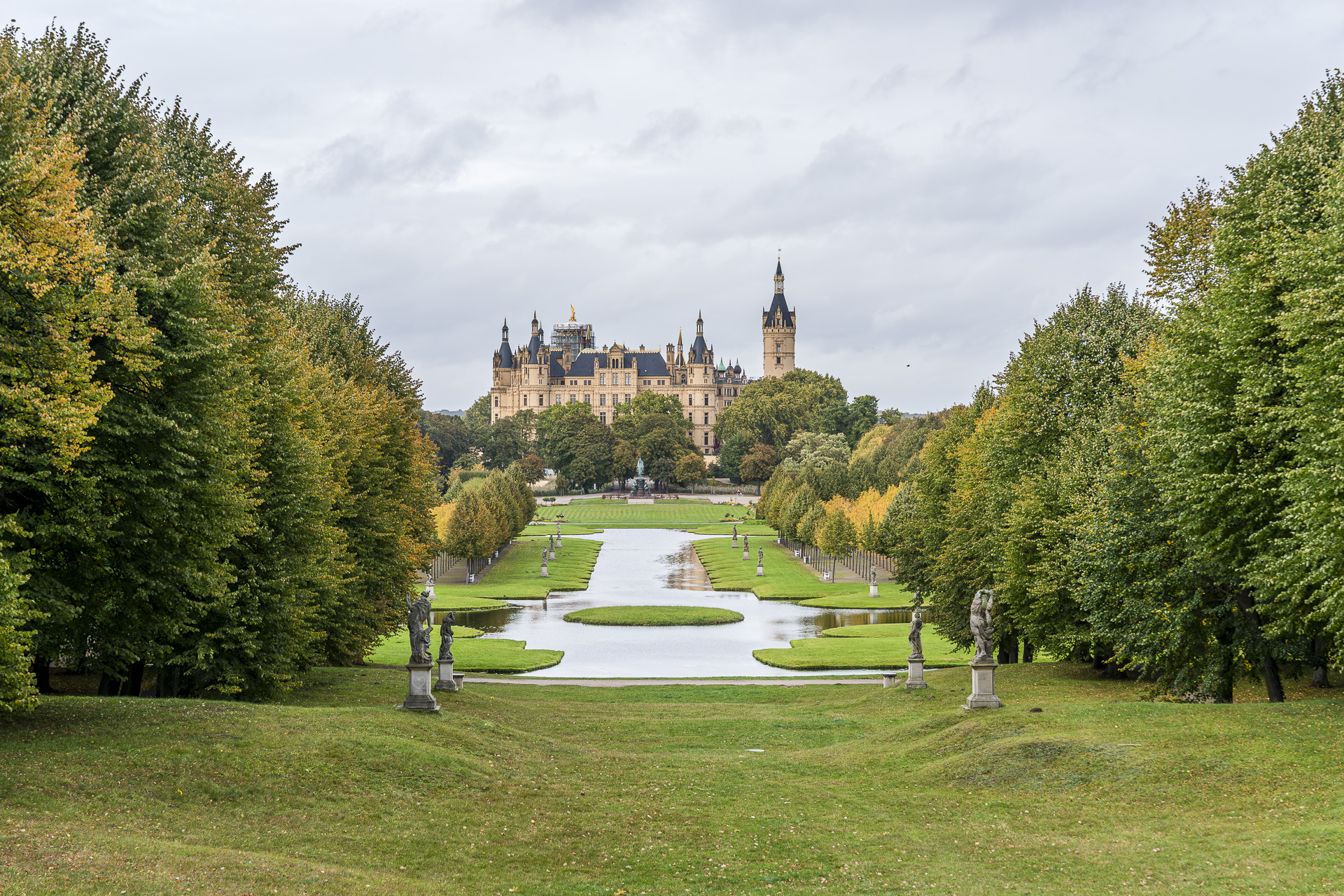
Discover Schwerin & Surroundings: 9 Tips for the UNESCO World Heritage Site, Lakes & Castles in Mecklenburg–Western Pomerania
Advertising: This post was created in collaboration with the German National Tourist Board (Deutsche Zentrale für Tourismus e.V.)
This October, I picked up where I left off after our Mecklenburg–Western Pomerania trip from 2021 and once again traveled to northern Germany. The first part of the trip took me to the lake-and-forest landscape around Germany’s smallest state capital: Schwerin. The city won me over immediately. Between charming Old Town lanes and the fairy-tale residential palace right on the lake, it reveals a surprising variety.
And if you venture out into the surrounding countryside, you’ll find peaceful retreats in manor houses and castles with expansive park grounds—right in the middle of nature.
If you ask me, a trip to Schwerin and its surrounding area definitely belongs on your 2026 bucket list. In the lines below, I’ll show you which sights and cozy spots you shouldn’t miss on your visit.
Schwerin’s Top Sights at a Glance
Schwerin lies in western Mecklenburg–Western Pomerania, less than an hour from Hamburg, and is surrounded by a unique lake district. The city is the historic heart of the region and, around its compact, walkable Old Town, brings together impressive architecture, beautiful parks, and tree-lined lakeside paths.
To help you get your bearings, I’ve marked the most important sights as well as a selection of great places to stay on the map. Two days are ideal for getting a first overview and discovering the cultural highlights. And if, like me, you want to use the opportunity to explore the surrounding area as well, I’d plan five to seven days for the side trips.
1. Experience a UNESCO World Heritage Site: Discover the Schwerin Residence Ensemble
The Schwerin Residence Ensemble includes more than thirty historic buildings around Schwerin Palace. Since 2024, it has officially been a UNESCO World Heritage Site. The buildings can be grouped into five categories: the palace and palatial buildings, sacred and cultural buildings, administrative buildings, infrastructure and former civil servants’ residences, and military buildings. The official website of the Residence Ensemble provides a good overview of the individual elements.
If you stroll through Schwerin’s Old Town, you’ll almost automatically pass many of the buildings that are part of the ensemble. But you can also explore the topic more intentionally on a self-guided walk—making it easier to understand the historic connections.
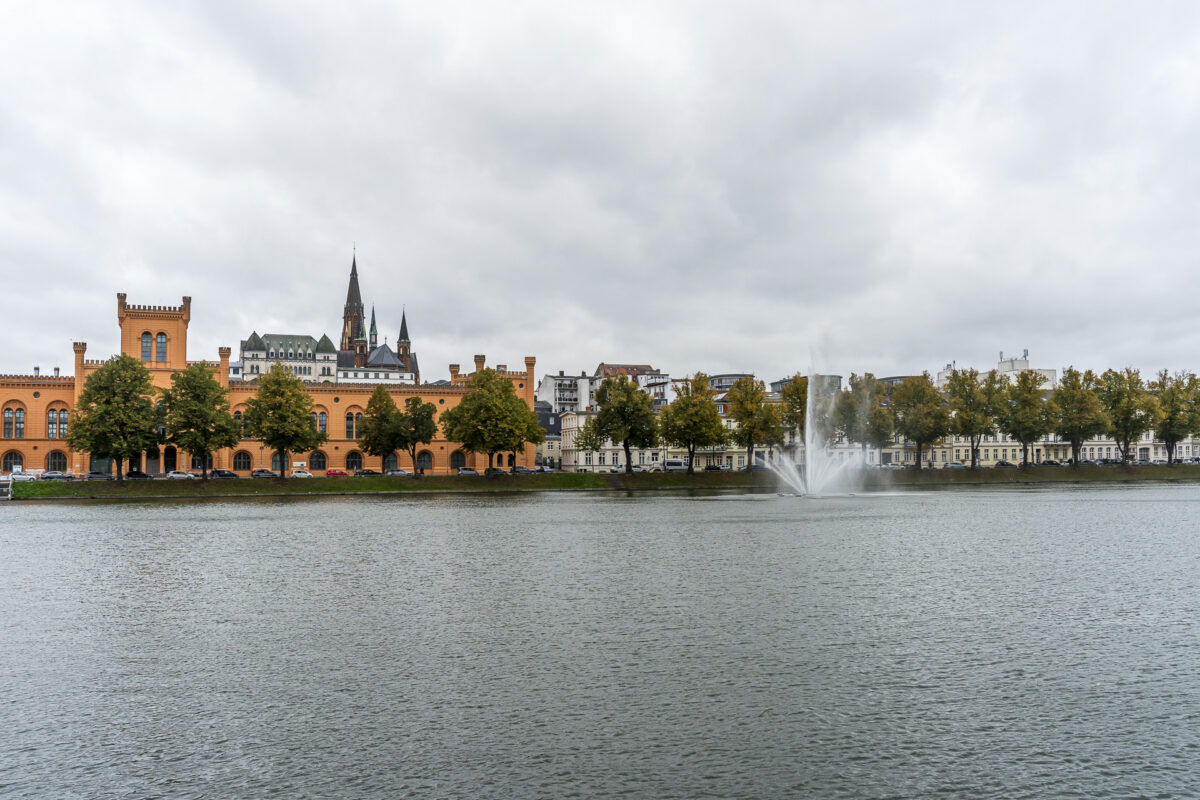
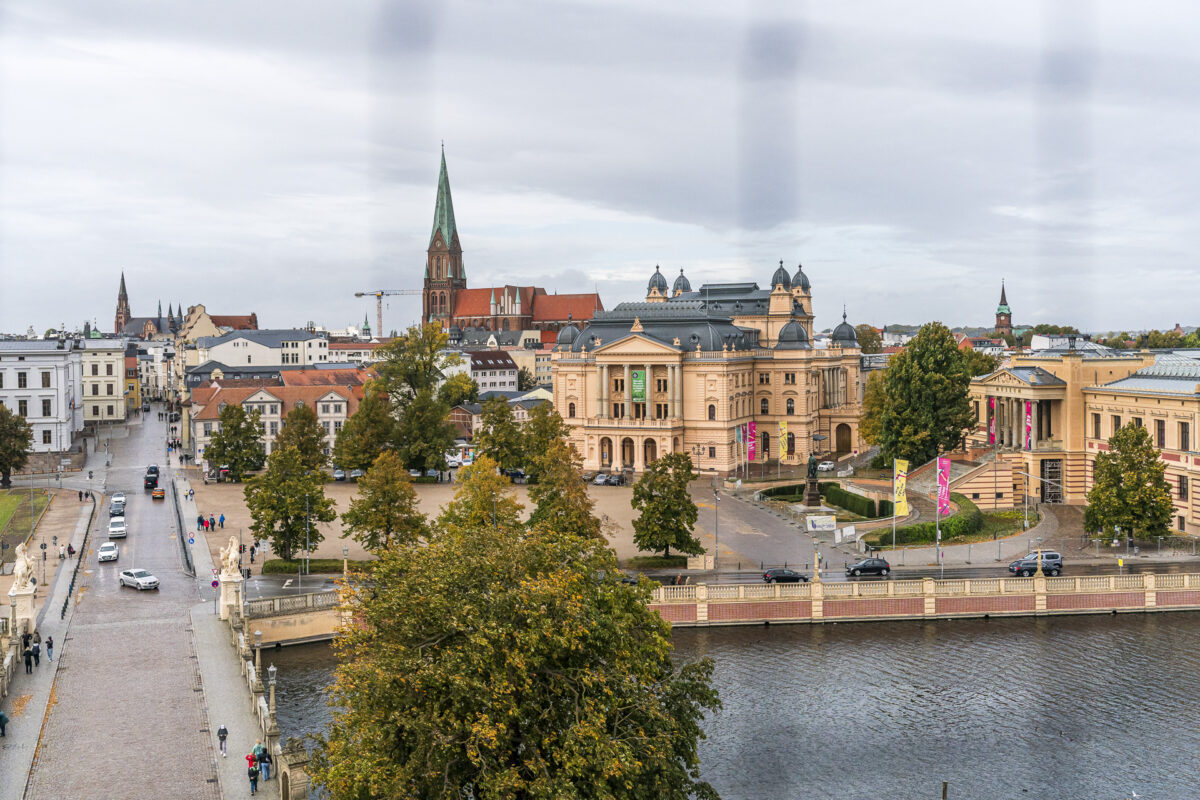
Tip: A public city tour starts every day at 11:00 a.m. on the Market Square. The roughly 90-minute tour offers a compact overview of the most important buildings and historical facts.
2. A Fairy-Tale Landmark: Visit Schwerin Palace
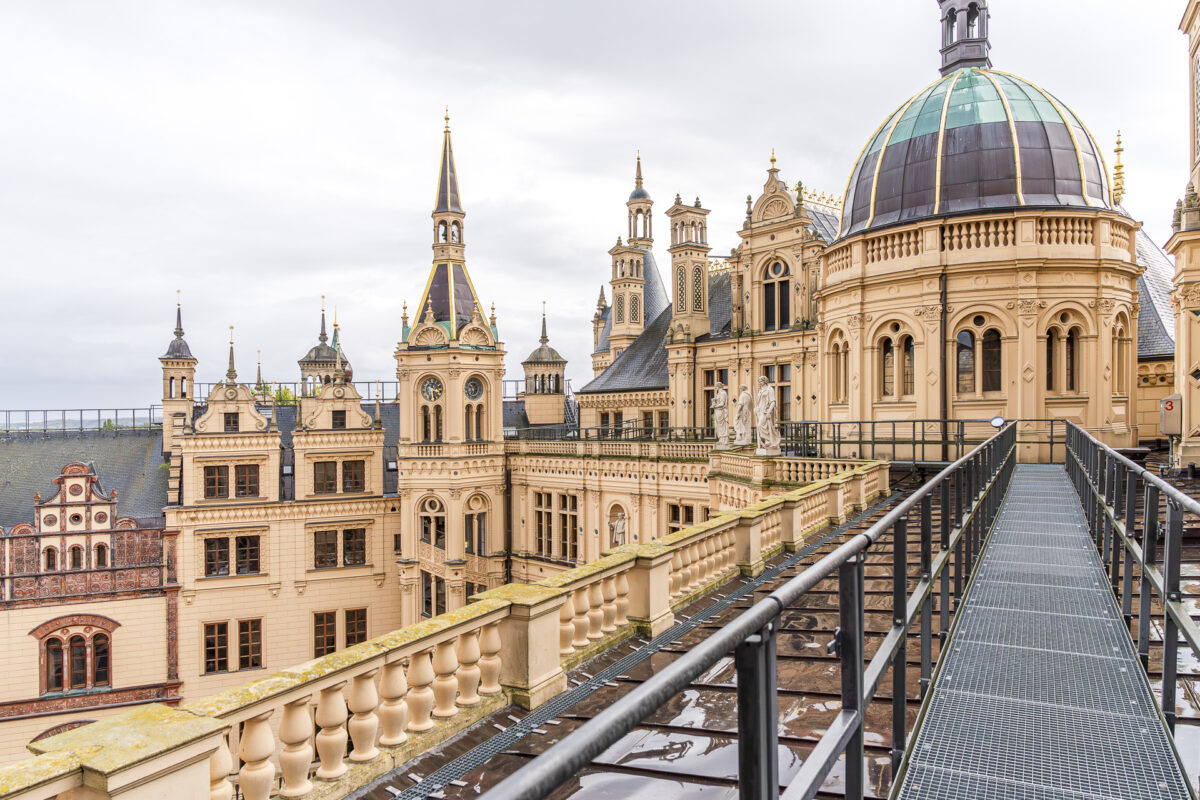
The residential palace and adjoining palace gardens form the centerpiece of the UNESCO ensemble and are, without question, Schwerin’s most visited and most photographed attraction. No matter which direction you approach from, its silhouette immediately draws your eye. The grand structure—with its turrets, bay windows, and delicate facade details—feels monumental yet surprisingly graceful. Countless windows, niches, columns, and ornaments divide the front so finely that even its impressive size appears light and playful.
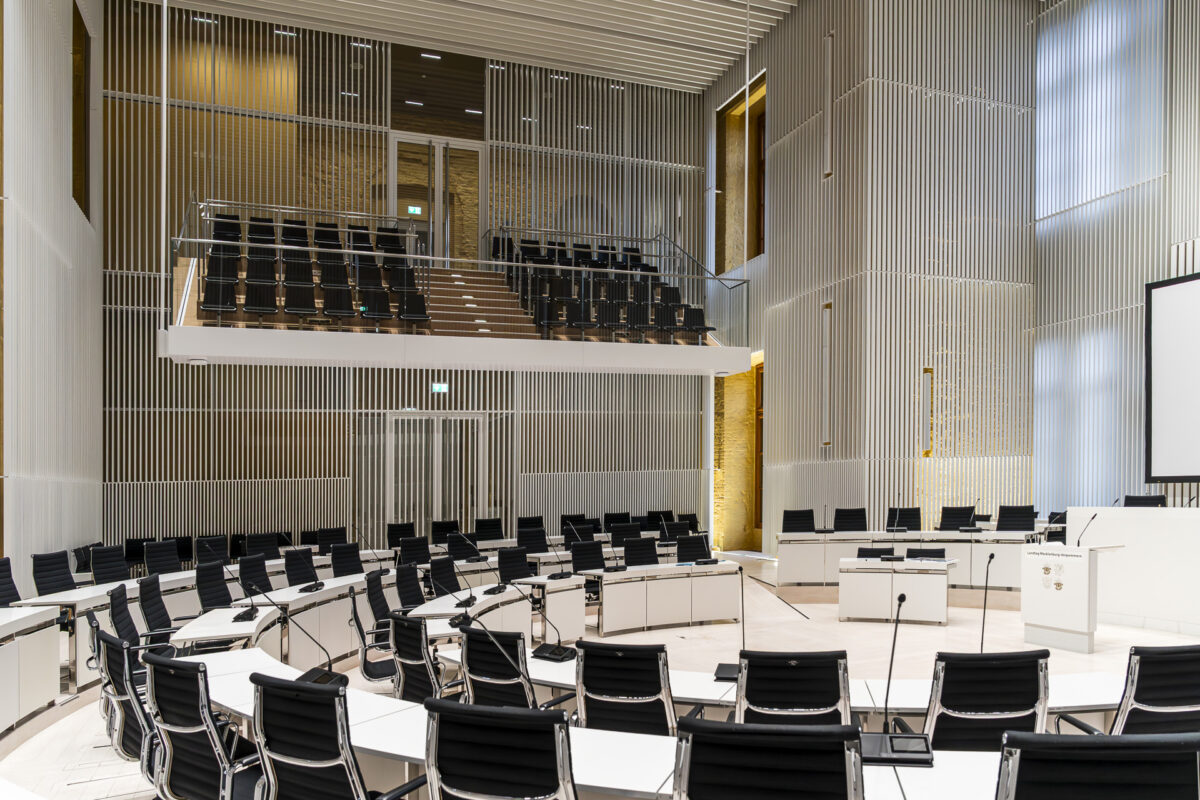
Its history reaches back to Slavic times, when a fortress of the Obotrite prince Niklot stood here. In the 12th century it was conquered by Henry the Lion and later expanded into the main residence of the dukes and grand dukes of Mecklenburg-Schwerin. In the 19th century, the palace took on its current appearance in the Romantic Historicist style, and since 1990 it has been the seat of the Parliament of Mecklenburg–Western Pomerania.
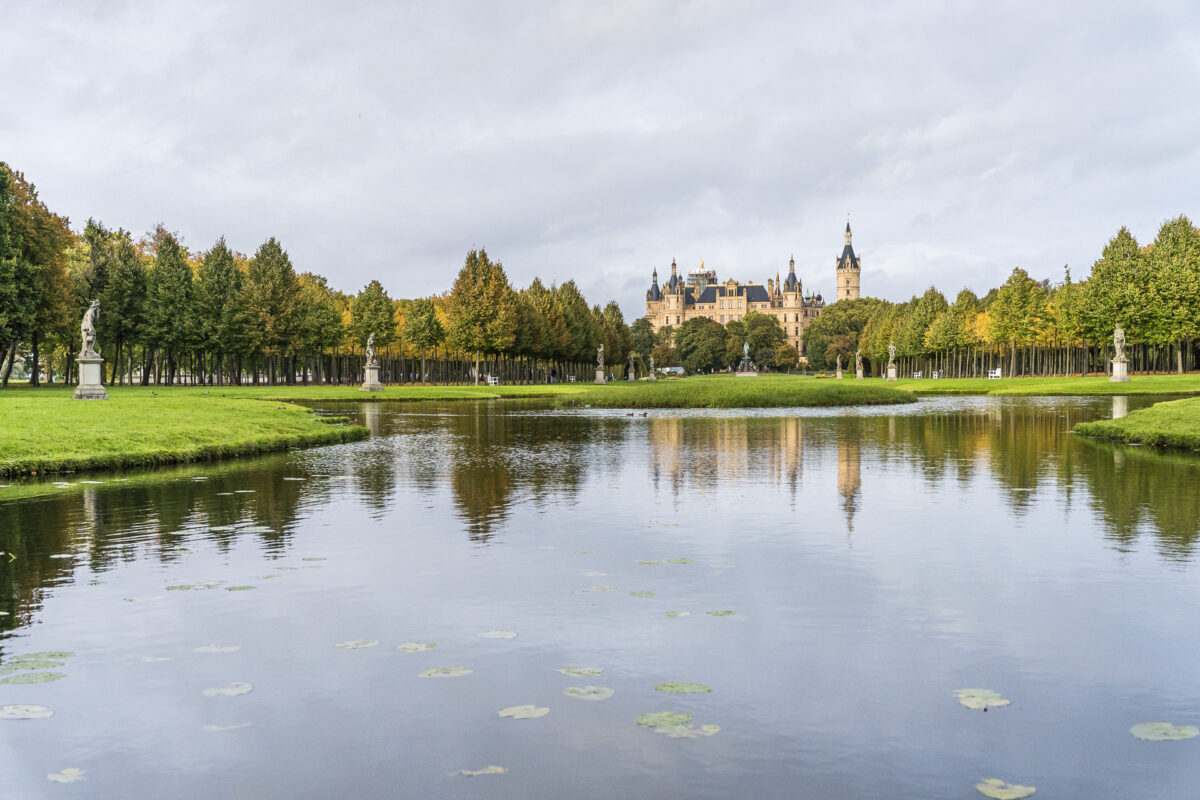
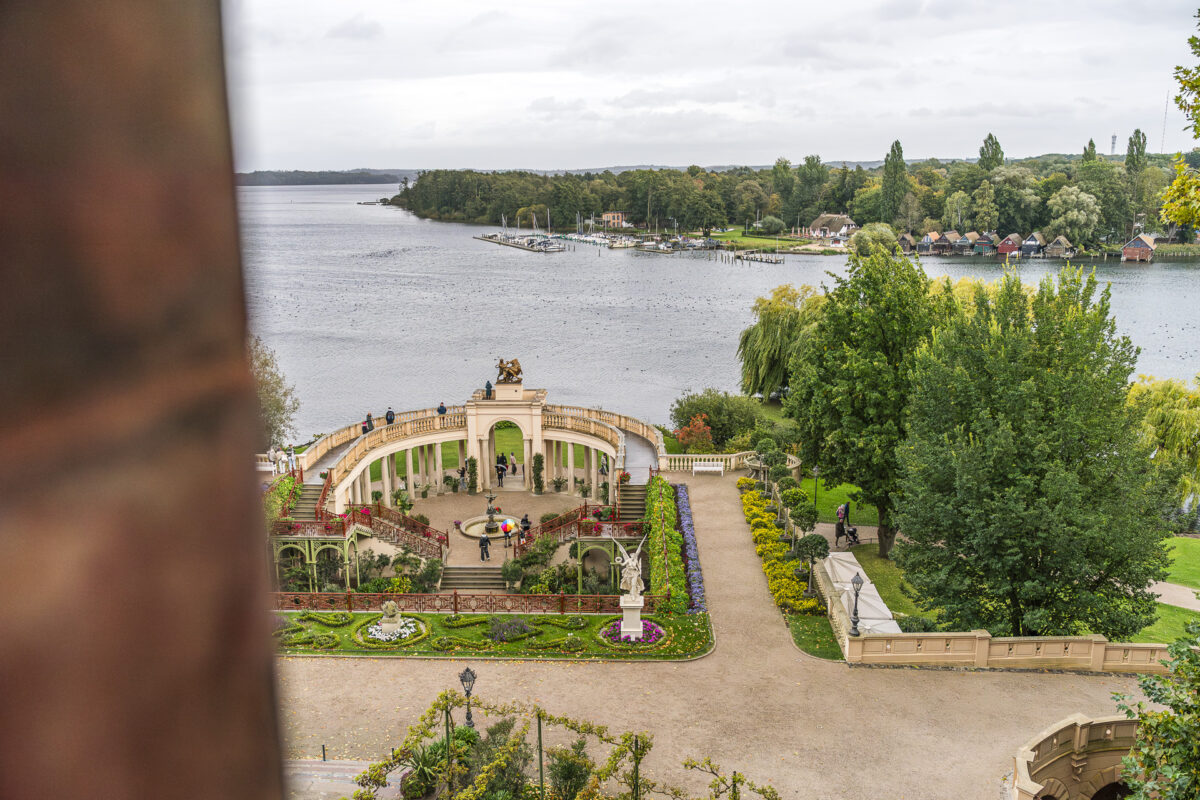
The palace gardens are open to the public and impress with refined sightlines and gently curving paths. No wonder—none other than Prussia’s famous landscape architect Peter Joseph Lenné left his mark here.
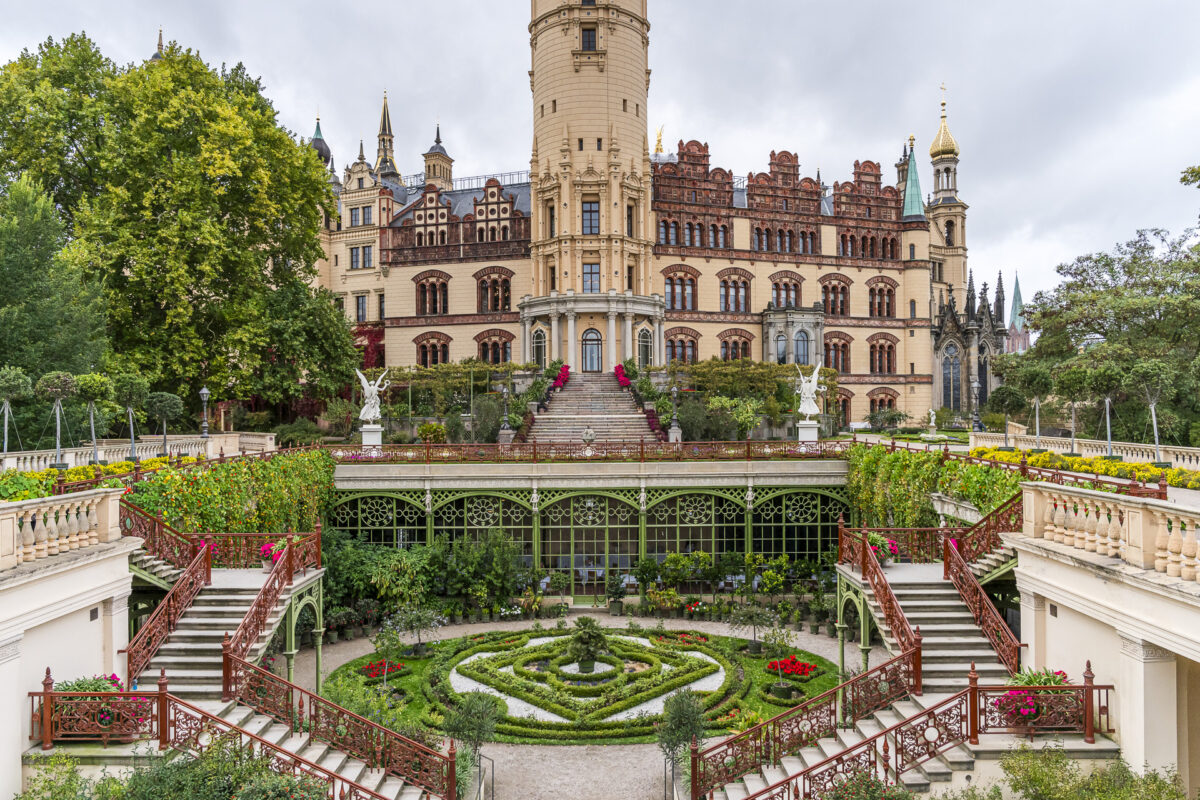
Inside the palace, a museum spans three floors and displays paintings, sculptures, and finely crafted furniture. The collection focuses primarily on the 19th century and offers a fascinating glimpse into the residence’s most glittering era.
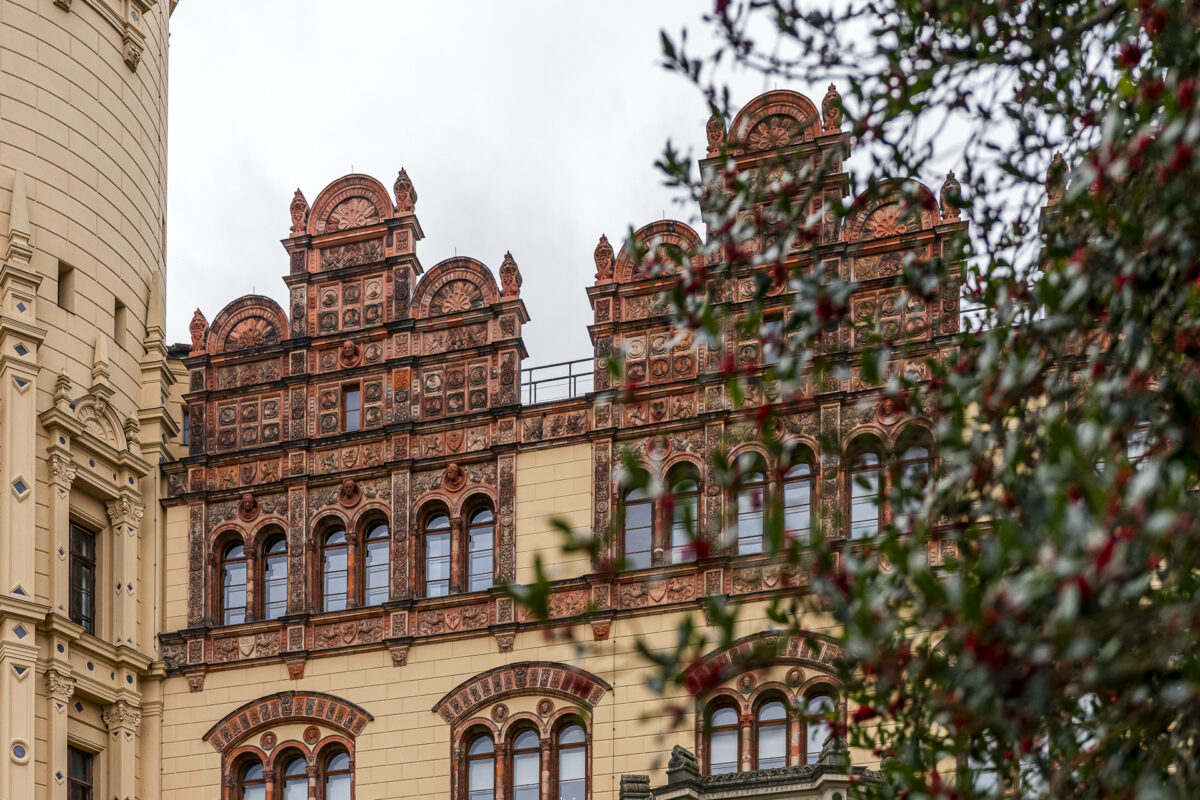
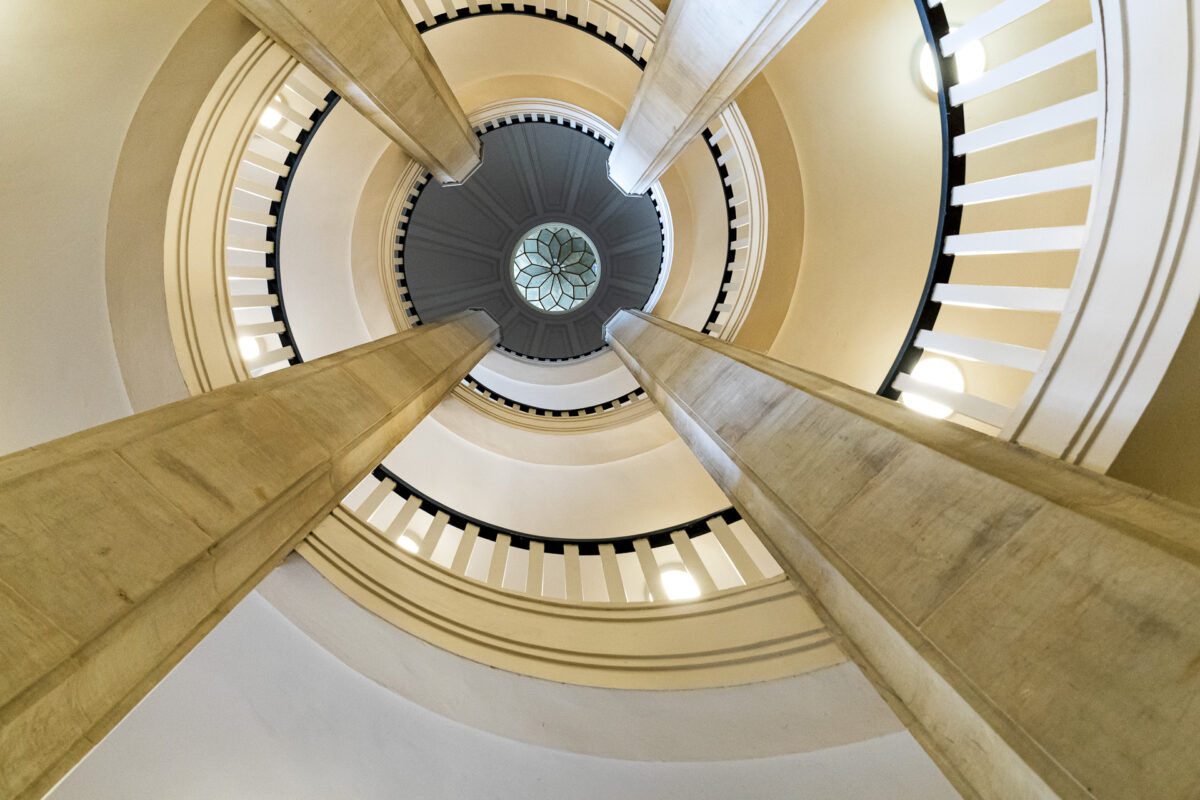
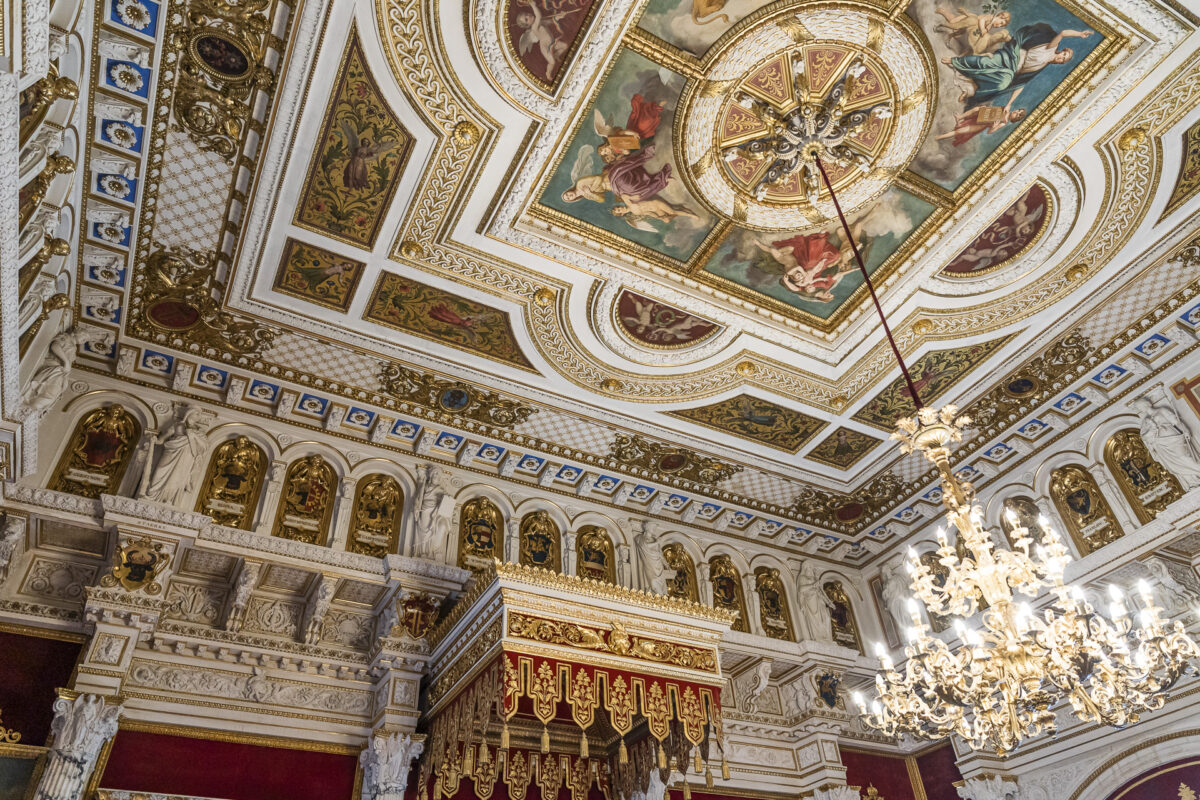
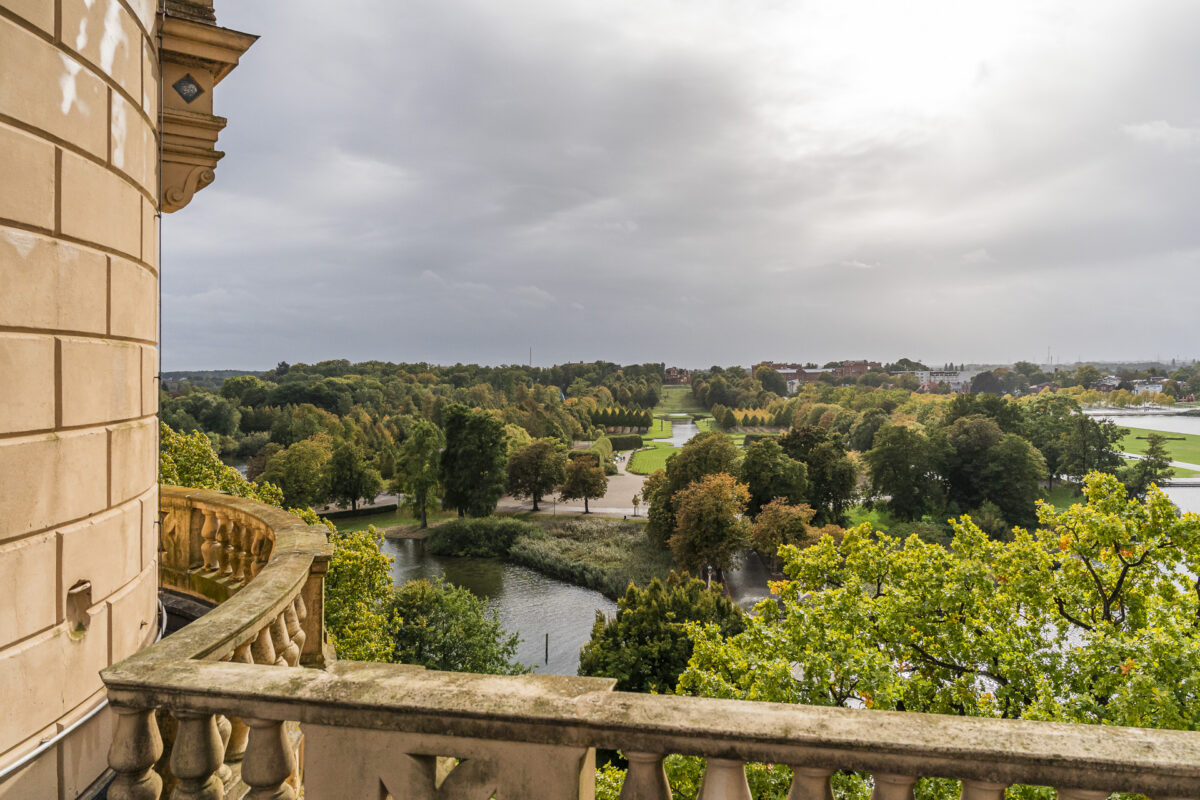
One especially memorable experience for me was the special behind-the-scenes tour of the state parliament, which you can book directly via the parliament’s website. It takes you not only into the plenary chamber of the Parliament of Mecklenburg–Western Pomerania, but also up onto the palace roof. From up there, you get a wonderful—and quite exclusive—view over the palace gardens, the lakes, and Schwerin’s Old Town.
Good to know: The palace museum is open Tuesday through Sunday. From mid-April to mid-October, hours are 10:00 a.m. to 6:00 p.m.; during the winter months, 10:00 a.m. to 5:00 p.m. Last admission is 30 minutes before closing. Admission is €13 (reduced €9). You’ll find information on parliament tours on the state parliament website.
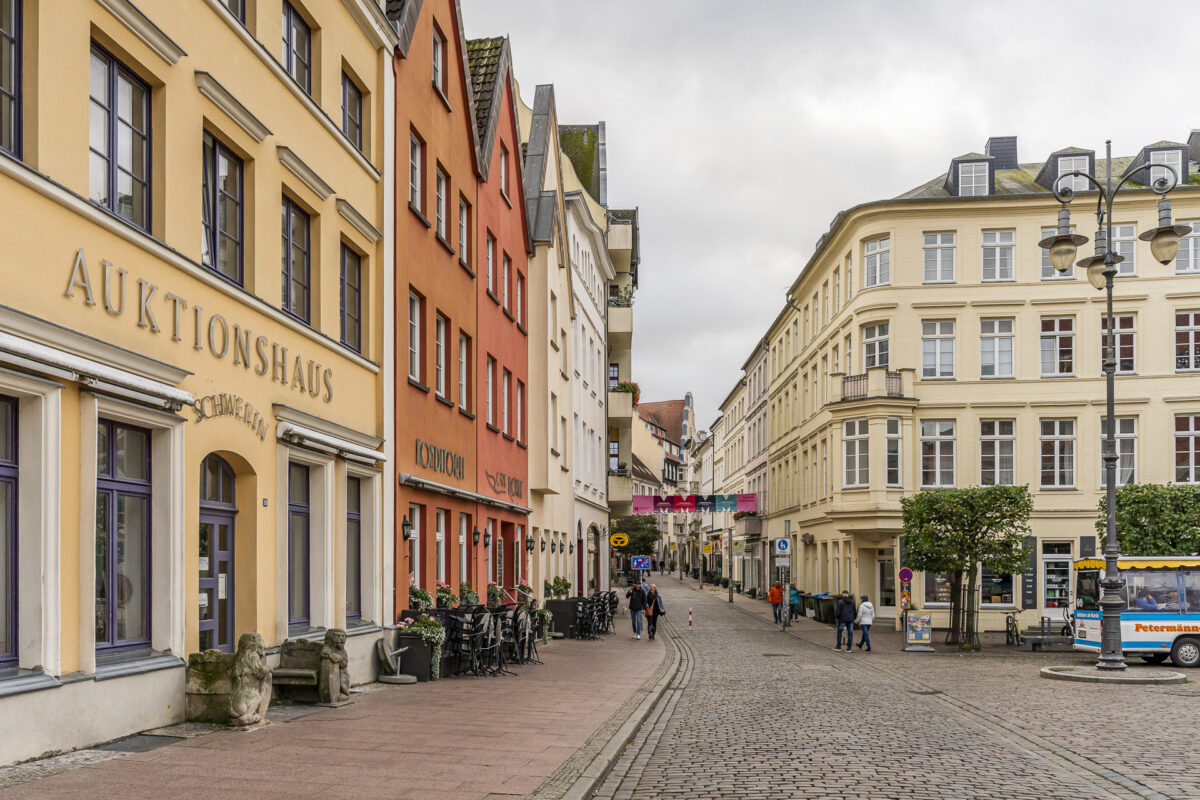
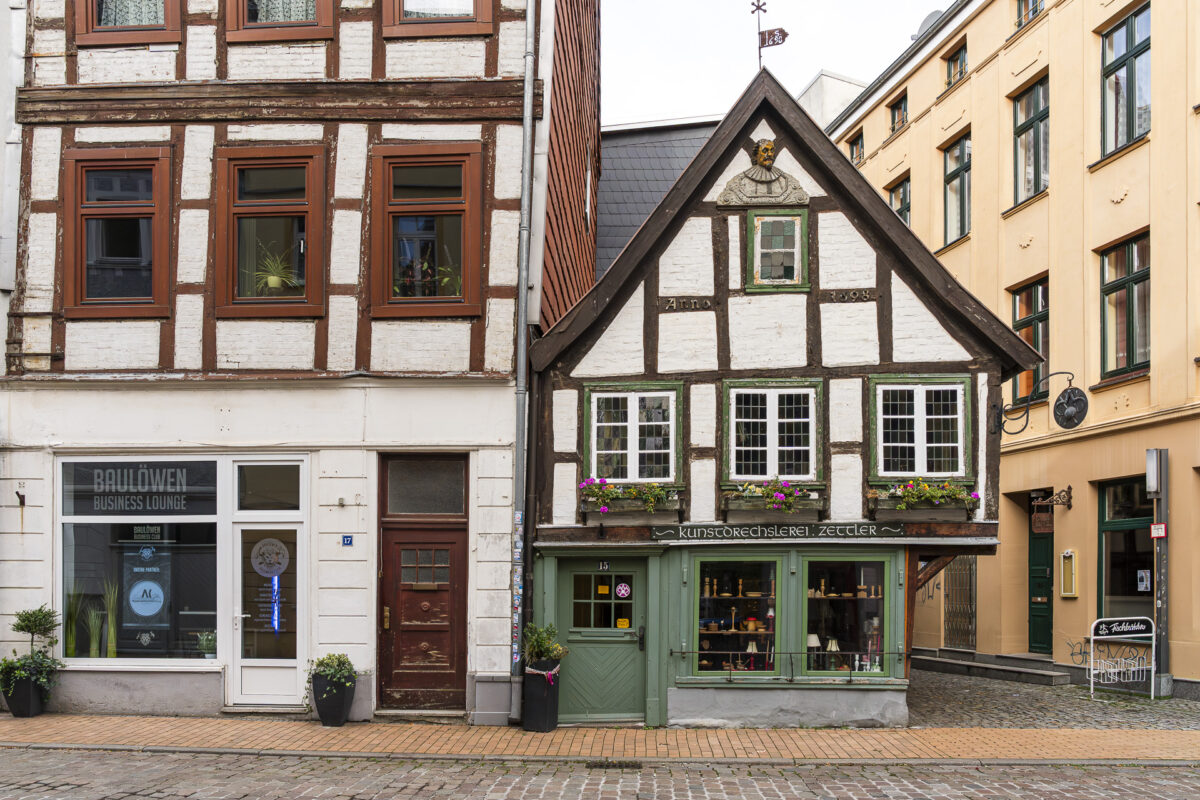
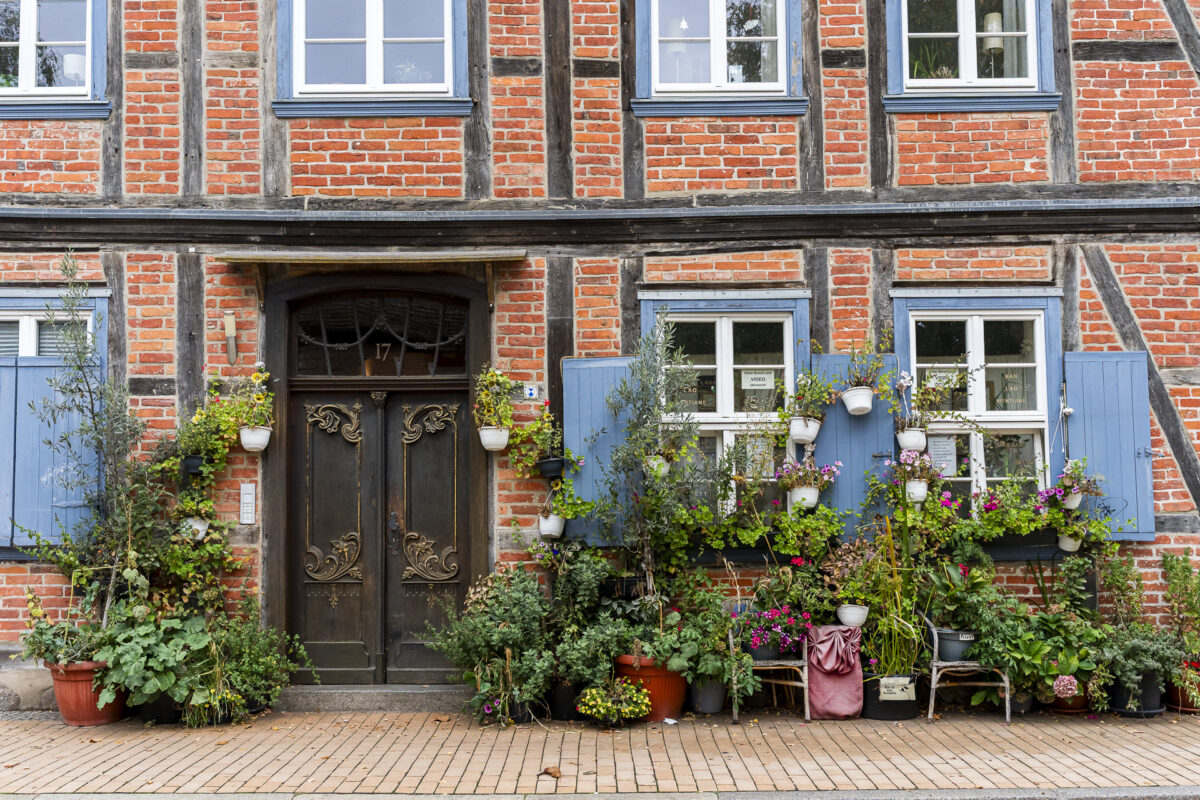
3. Old Town Stroll & Coffee Break: Charming Corners in Schwerin’s Center
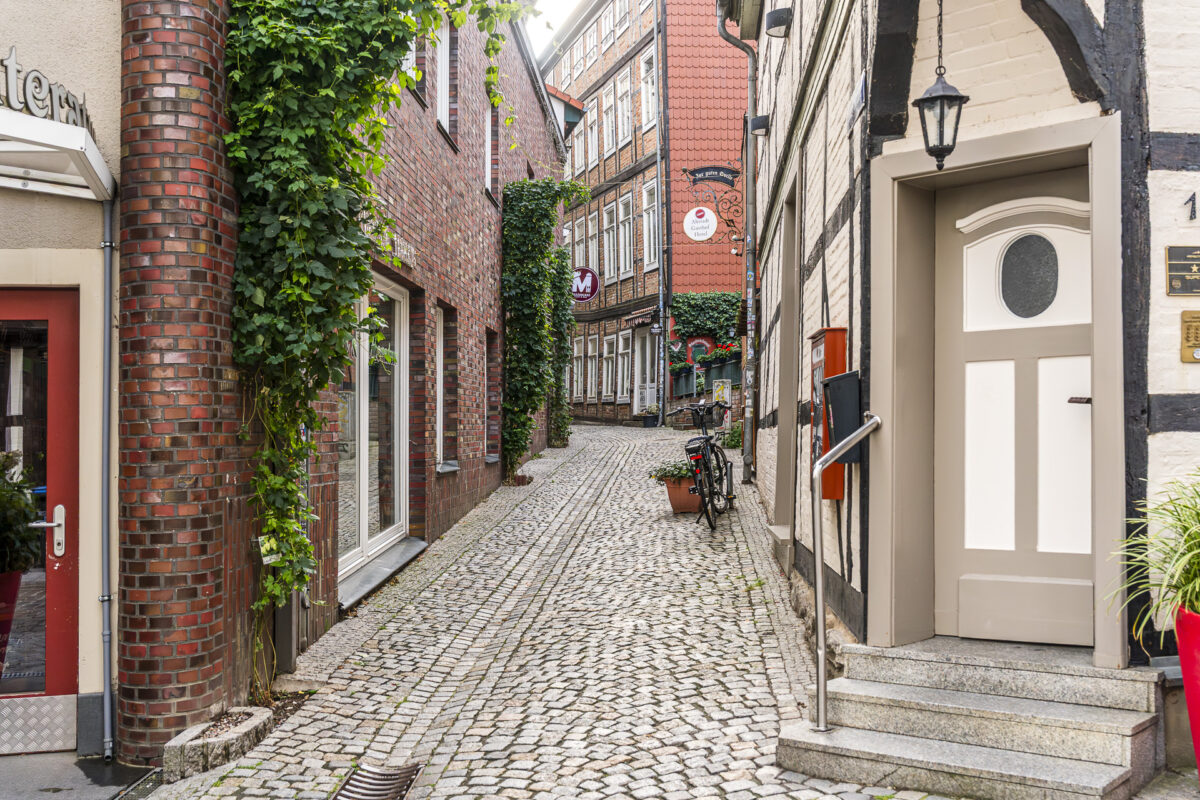
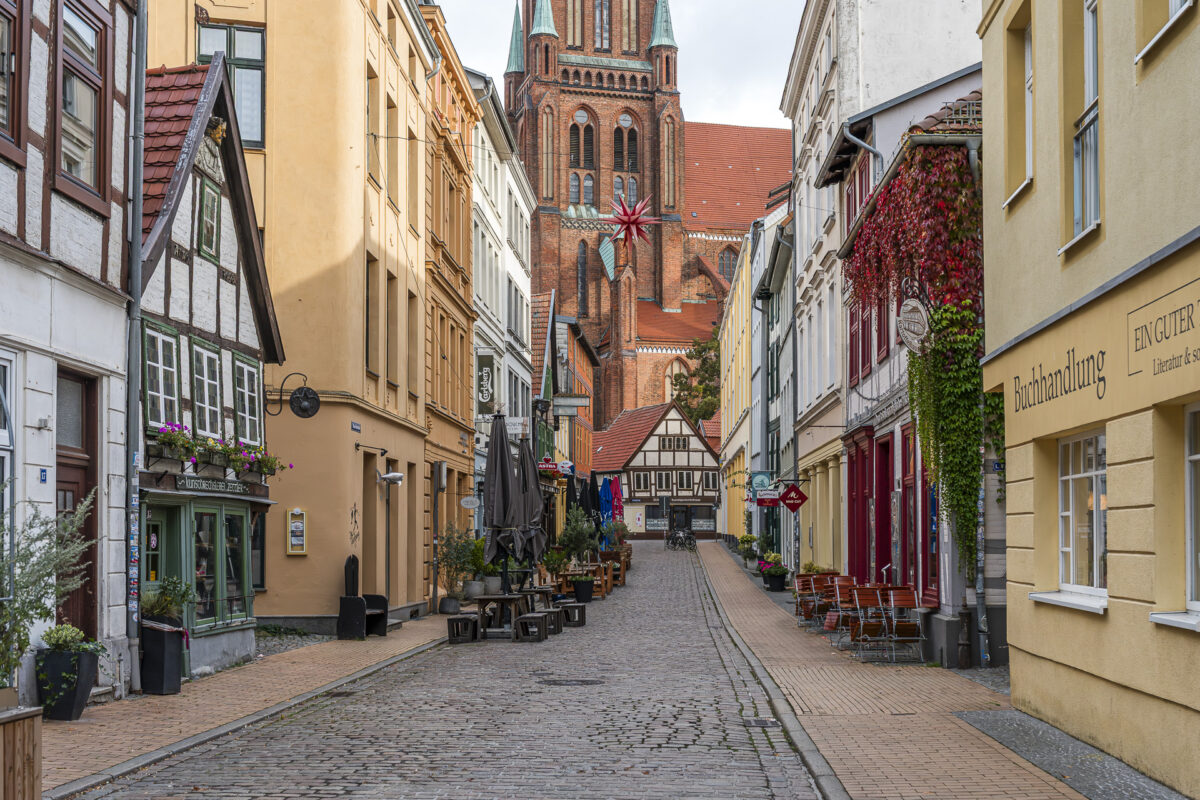
Back in the Old Town, it’s worth tracking down the so-called «narrow streets». They connect the stately Puschkinstrasse with Buschstrasse and lead to one of Schwerin’s oldest buildings. At the same time, you’ll get one of the prettiest views of the cathedral.
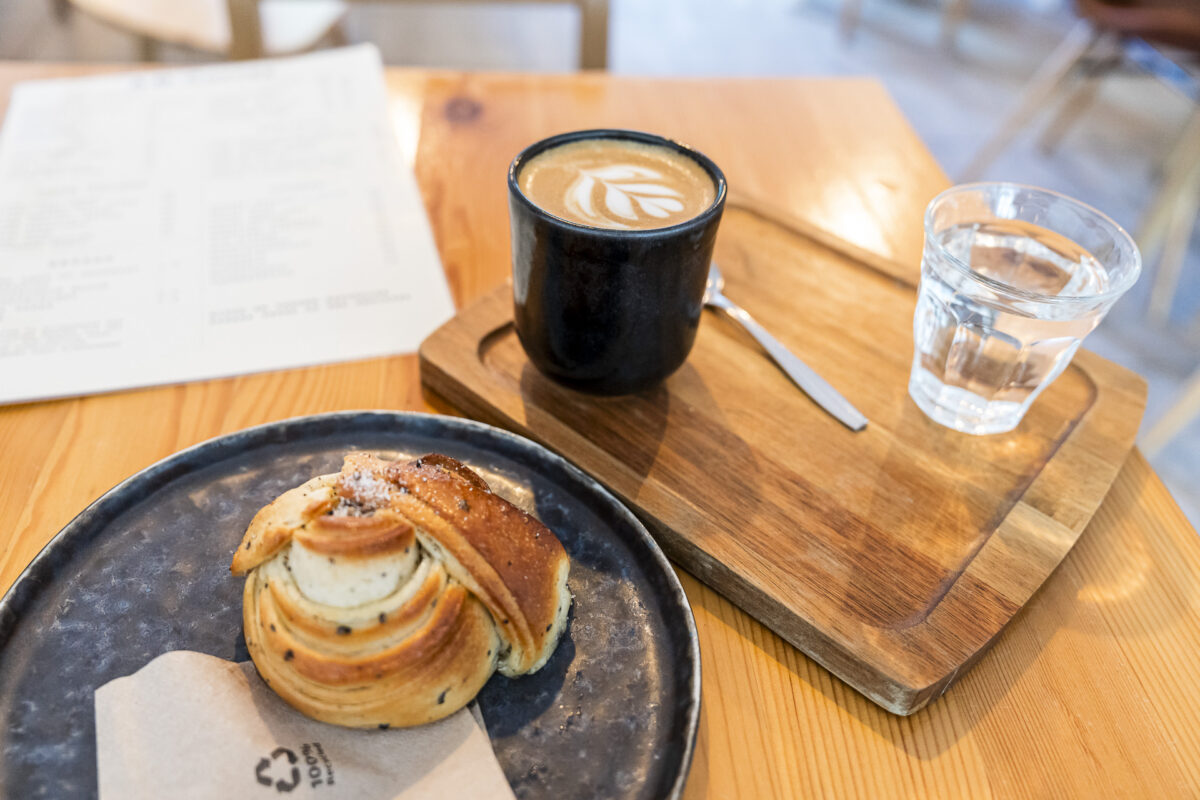
Just around the corner is A.B. Coffee, where you’ll find excellent coffee and incredibly good cardamom buns. Also recommended: Müller’s Café Bistro for a hearty breakfast or quick lunch, as well as Rösterei Fuchs right on the Market Square.
4. Stay in Style: A Night at the Historic Weinhaus Uhle
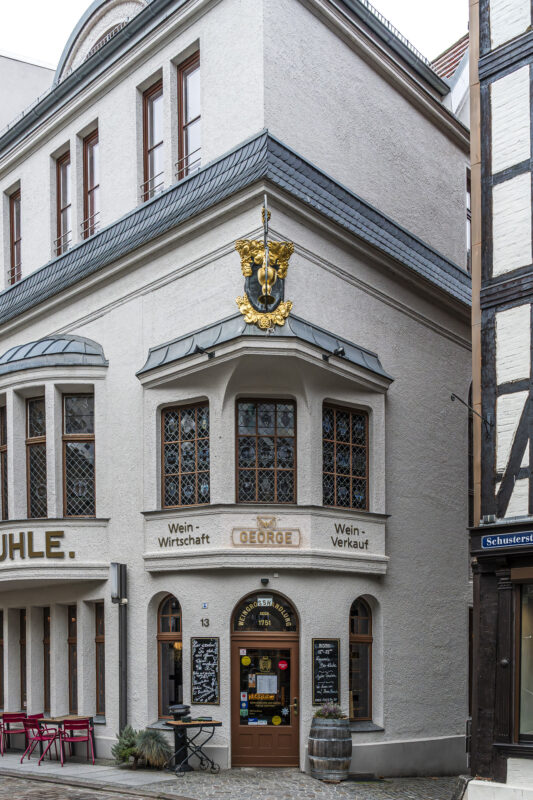
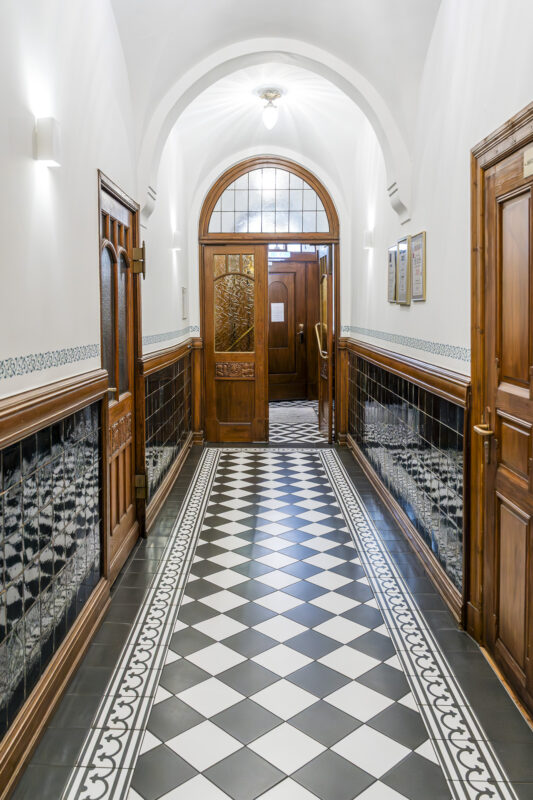
If you want to stay right in the Old Town—in a building that’s part of the Residence Ensemble—Weinhaus Uhle is an excellent choice. The building was once a ducal court supplier and today is a stylish 4-star superior hotel. On the ground floor, numerous historic elements have been preserved.
The hotel includes the cozy wine bistro «George», a great address for a relaxed, delicious weeknight dinner, as well as the gourmet restaurant «1751», one of the city’s top culinary spots.
With Weinhaus Wöhler, there’s a second hotel that belongs to the Residence Ensemble, located at the transition from the Old Town to the so-called «Schelfstadt» (the former “new town”). If you stop by for lunch or stay overnight, be sure to take a look at the photos on the first floor. They vividly show how much work has gone into the careful restoration of buildings that were once severely neglected over past decades.
5. Enjoy the View: Schwerin Cathedral and Its Lookout
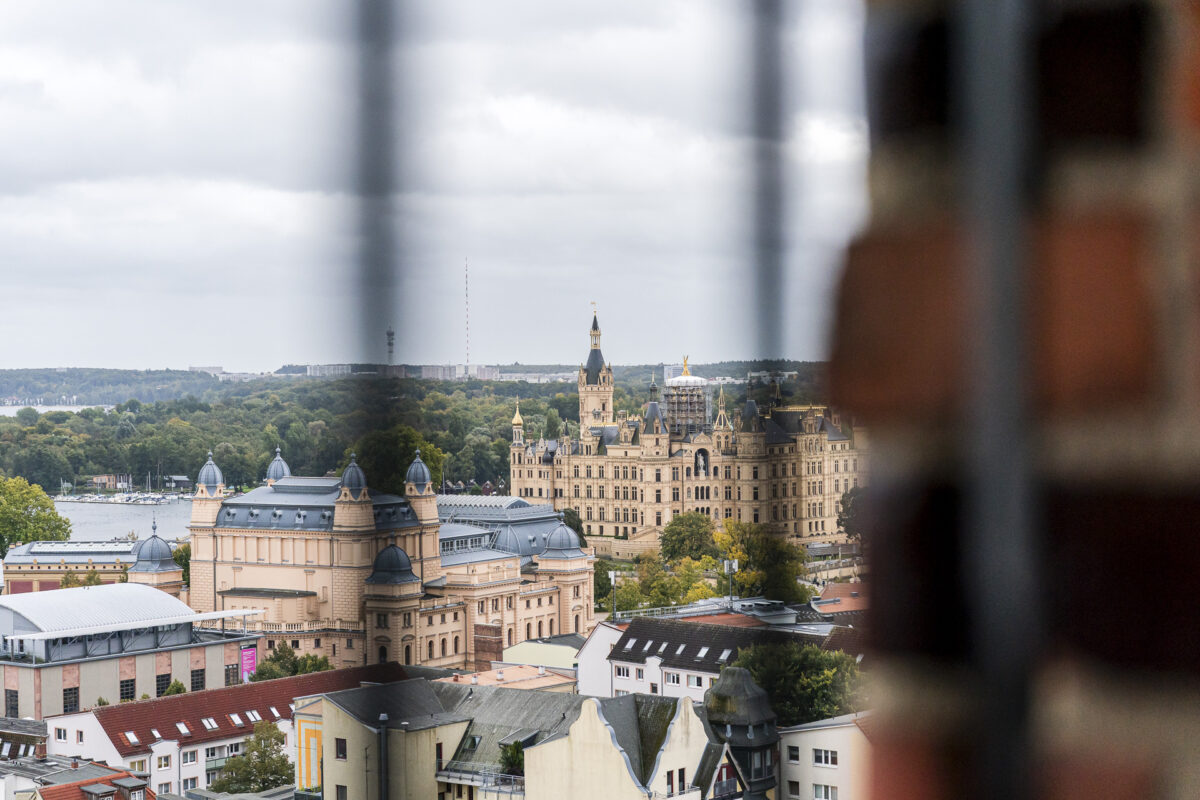
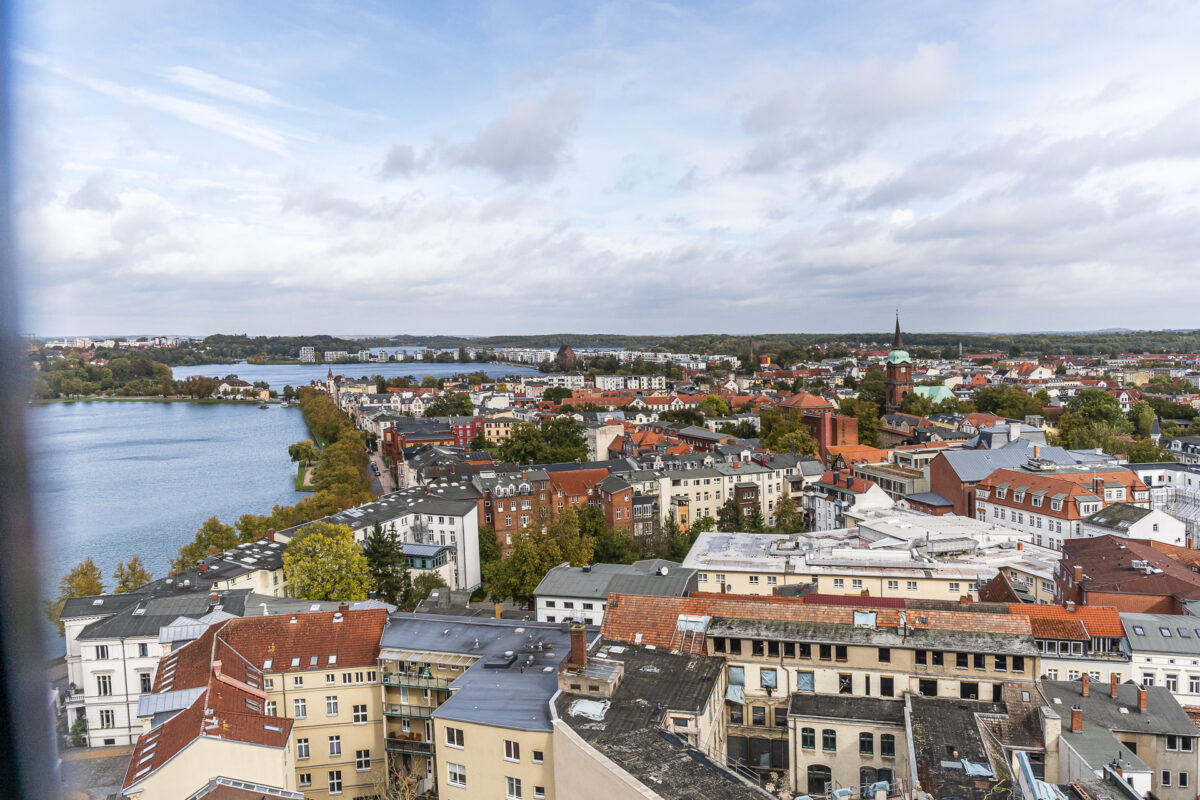
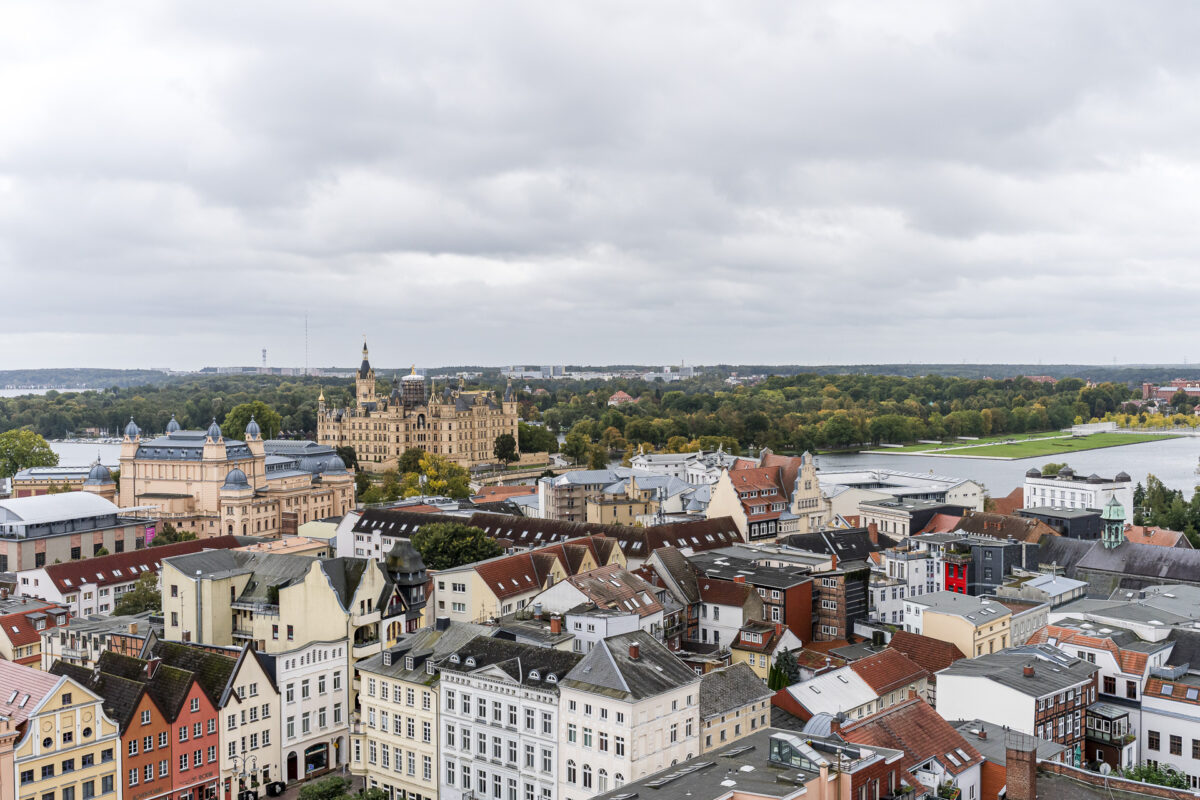
Another highlight you shouldn’t miss is the view from the cathedral tower, which rises 117 meters (384 feet). From the top, you’ll get a wonderful panorama over the Old Town rooftops, toward the residential palace, and across the surrounding lake district. The climb leads up a narrow spiral staircase with 220 steps, and it can get quite tight when people are coming down.
Good to know: The cathedral is free to enter. The tower climb costs €2, payable in cash. The cathedral is open Monday through Saturday from 10:00 a.m. to 5:00 p.m., and Sundays from 12:00 p.m. to 5:00 p.m. Starting November 1, shorter hours apply (11:00 a.m. to 3:00 p.m., and 12:00 p.m. to 3:00 p.m. on Sundays). You can climb the tower up to 45 minutes before closing. You’ll find current information on the official website.
6. Get Moving: Bike Ride Along Franzosenweg to Zippendorfer Strand
Surrounded by twelve lakes, swimming spots are never far away in Schwerin. One especially lovely destination is Zippendorfer Strand, the city beach, with its wide sandy shore and the promenade along the southern bank of Lake Schwerin. The best way to get there is via the Franzosenweg. This walking and cycling path runs away from the main roads, starting at the palace gardens and following the lakeshore, with beautiful views along the way—water, villas, and plenty of greenery.
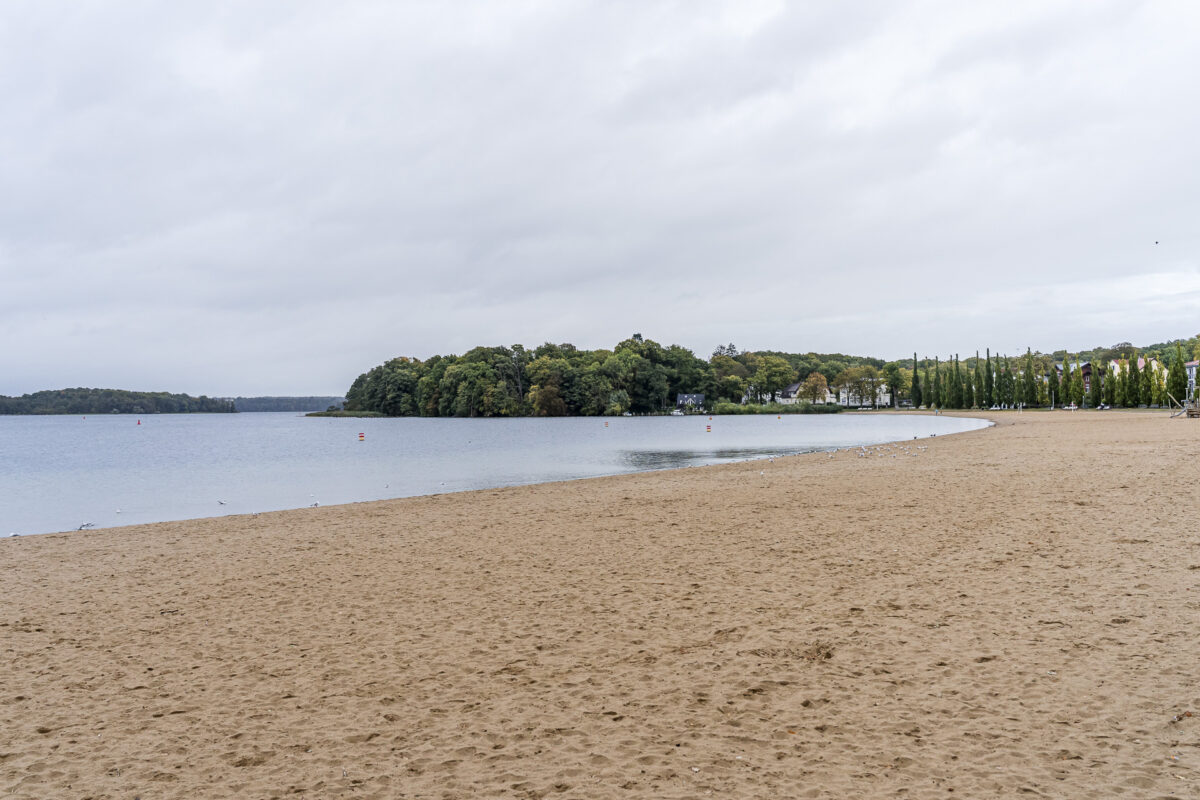
Good to know: From the palace gardens to Zippendorfer Strand it’s about five kilometers (just over three miles). On foot, it takes about an hour; by bike, around 20 minutes. You can download the route I tested here to your phone.
7. Art & Nature: A Walk Around Schloss Basthorst
Historic castles and grand manor houses aren’t found only in Schwerin itself, but also throughout the surrounding countryside. The region between the Mecklenburg Lake District and the Baltic Sea is rich in former estates—many of them carefully restored and now operating as stylish hotels. One of them is Schloss Basthorst, about a 40-minute drive from Schwerin, located in the Sternberg Lake District on the shores of Lake Glambeck.
The palace and the small village around it were newly laid out in the first half of the 19th century on behalf of Schwerin government councilor Ernst Johann Wilhelm von Schack. Like many estates in Mecklenburg, Basthorst faced difficult times in the GDR era: the buildings were initially used for public purposes and then increasingly fell into disrepair. After reunification, the palace found a new future as a hotel and today presents itself as an elegant property with a lovely spa and direct proximity to a golf course.
It’s also worth stopping by even if you’re not staying at the hotel. Basthorst is an ideal starting point for easy, enjoyable walks around Lake Glambeck, and in the village you’ll find small artisan shops and the Kunsthaus Basthorst, both well worth a visit.
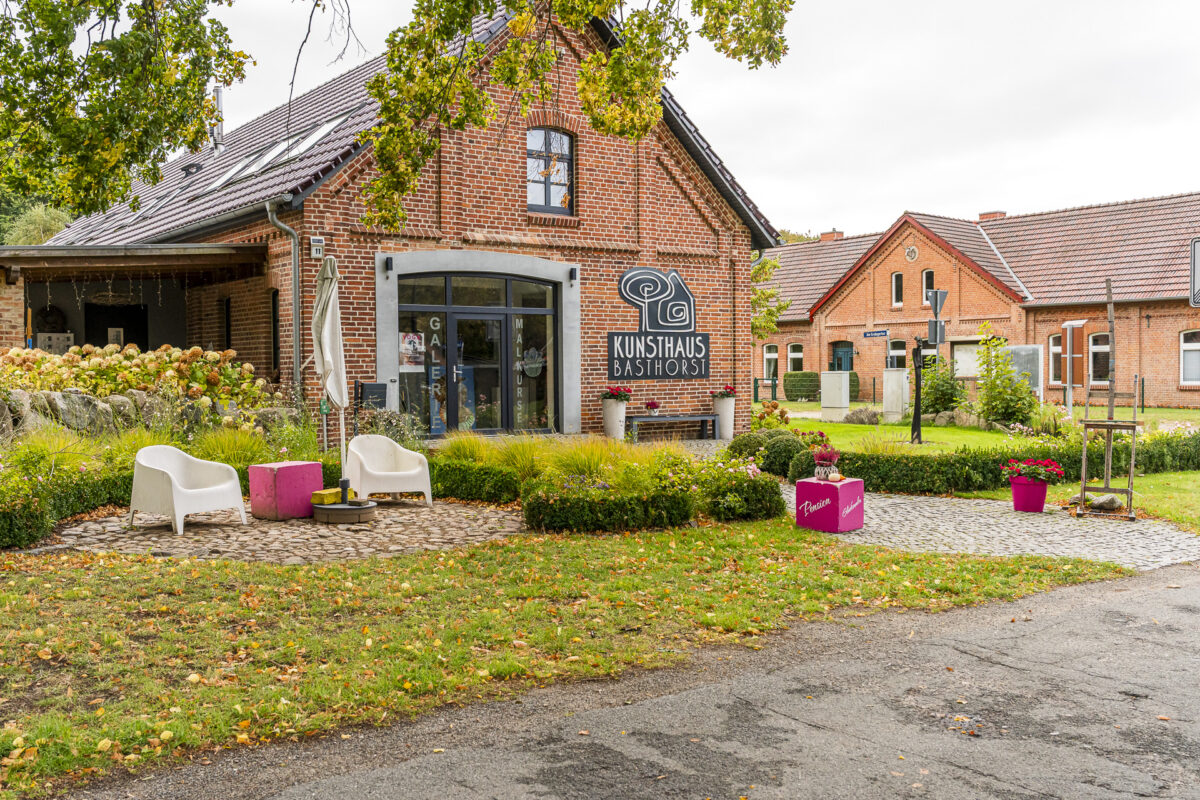
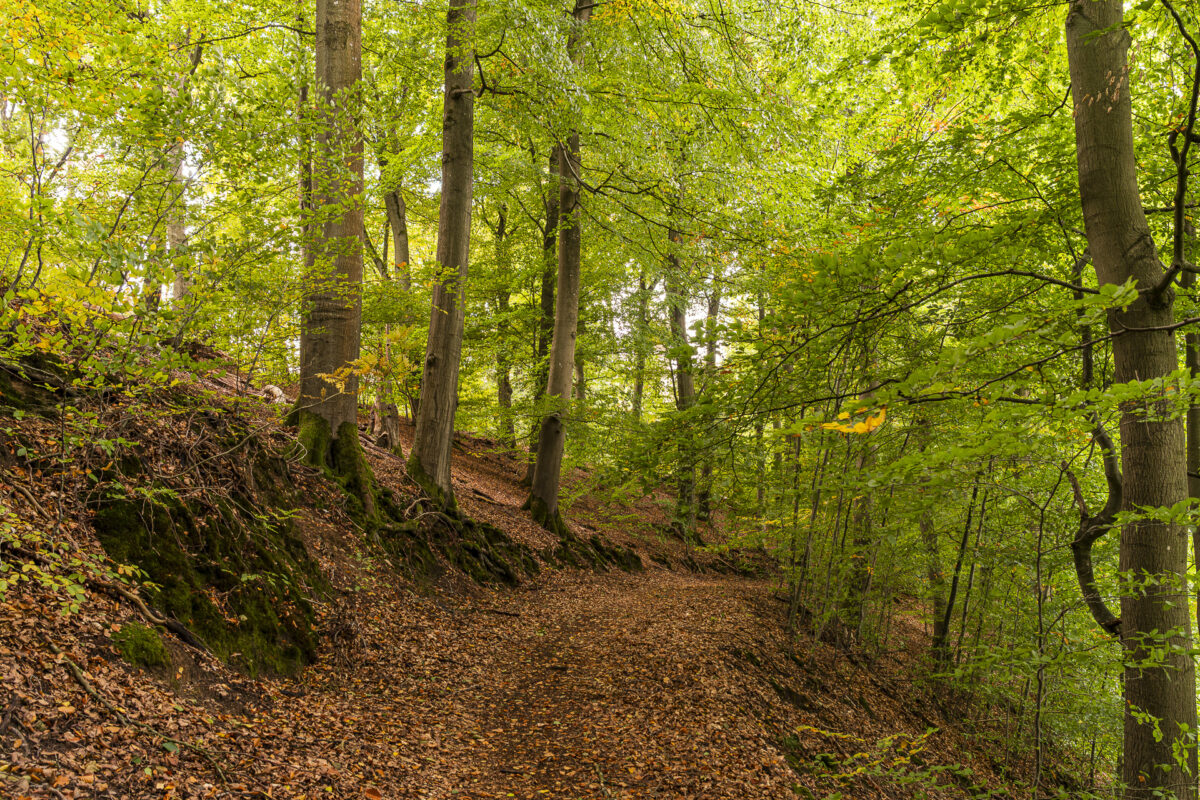
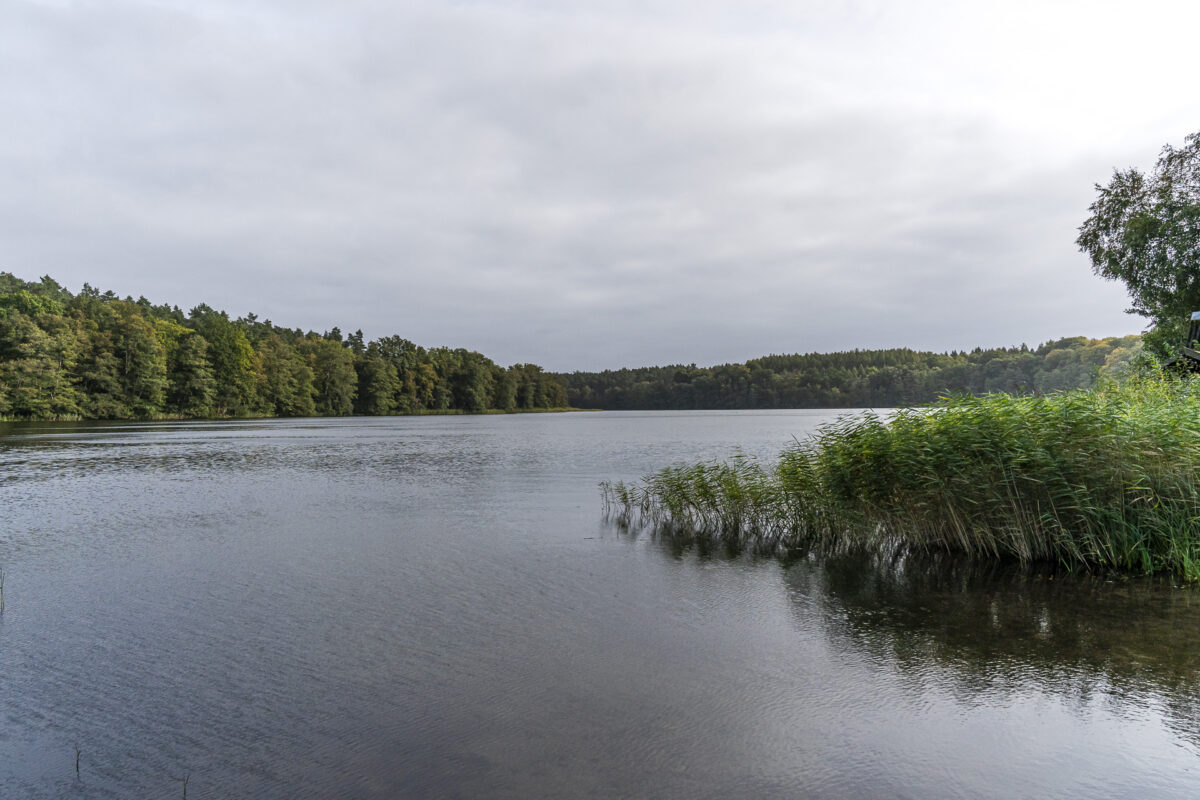
Tip: On the website «Baltic Manors», you’ll find a great overview of historic manor houses and estates that are now open to visitors as vacation rentals, hotels, or museums.
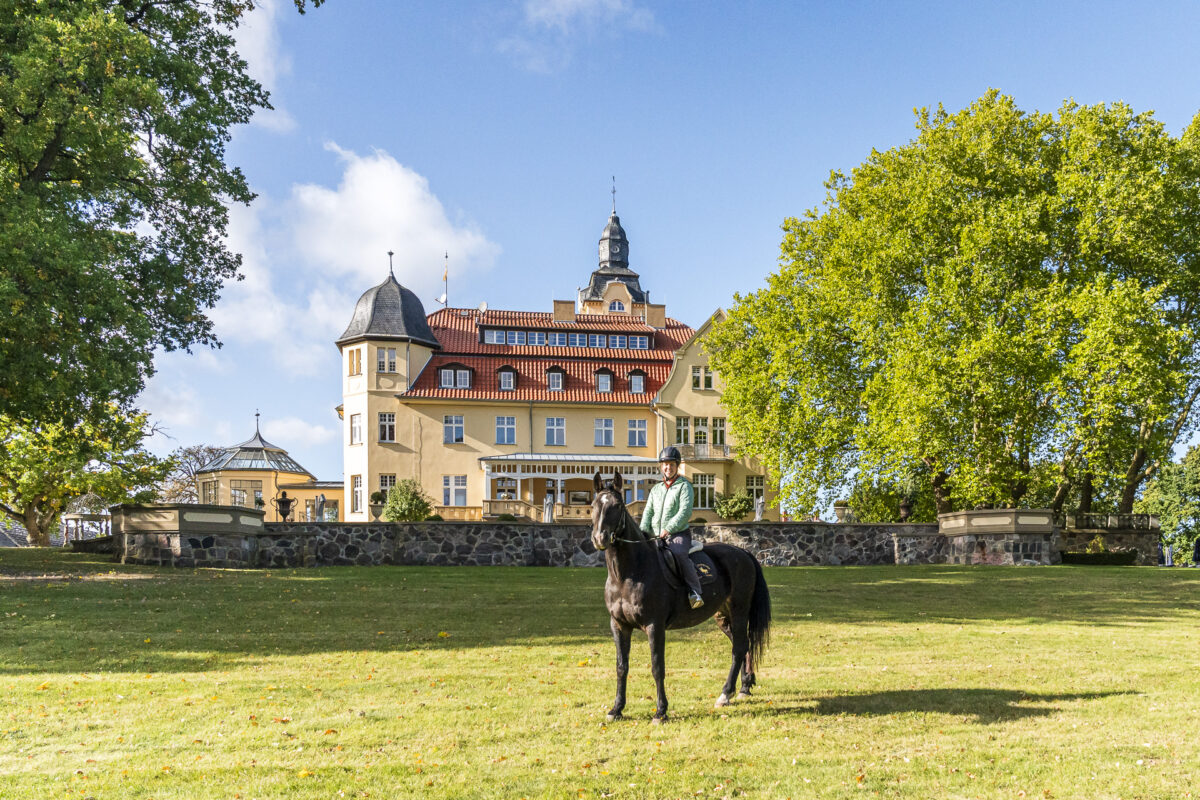
8. Horseback Riding & Relaxation: A Getaway at Bernsteinschloss Wendorf
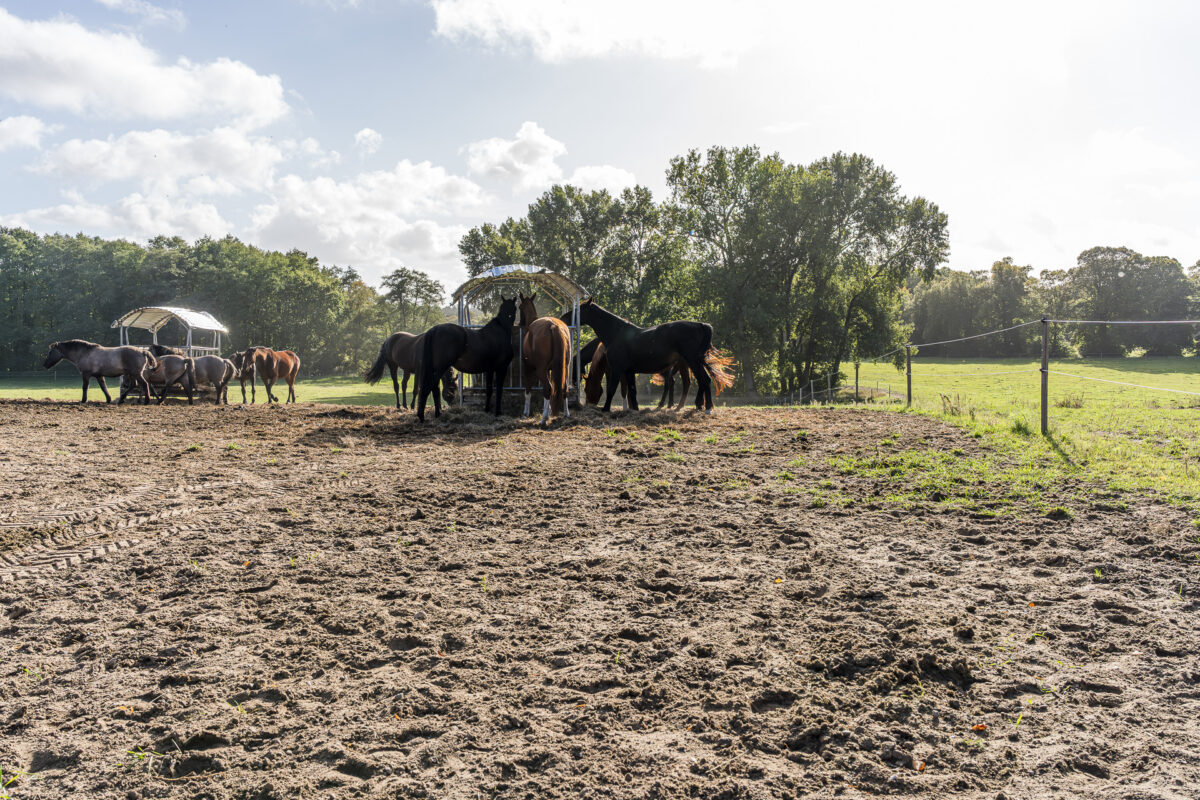
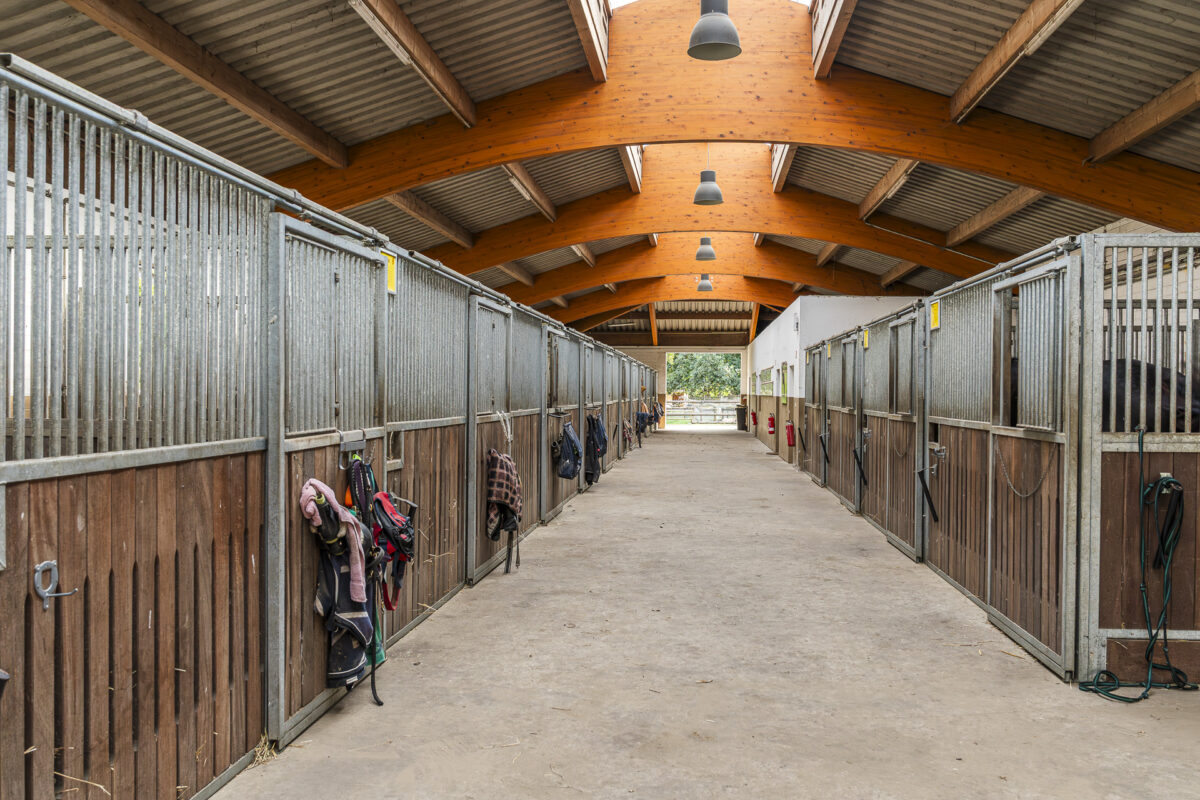
While Schloss Basthorst is a dream for golf fans and spa lovers, just ten minutes away there’s a place that brought my childhood horse-girl dreams right back to life. At the beautifully restored Bernsteinschloss Wendorf, you can actually spend a real riding vacation. The property is one of four “experience riding farms” run by Bernsteinreiter in Mecklenburg–Western Pomerania and is home to around 150 horses and ponies of many different breeds, kept in herds on expansive pastures.
If you stay at the castle, you don’t have to book a riding vacation—but you can. And if you’d rather stay in apartments, vacation rentals, or chalets in the village, you can still participate in all riding activities. The program is diverse and designed for kids and adults alike, from classic riding lessons and guided trail rides to weather-independent training sessions in the indoor arenas.
Even though I only made a quick stop, I got to enjoy a ride through the gently rolling landscape. Beyond the riding, it’s also worth exploring the castle and its surroundings in a bit more detail: the historic park is dotted with artworks, there’s canoe and SUP rental at the swimming lake, and families will find adventure play areas as well as a petting zoo with a walk-through wildlife enclosure.
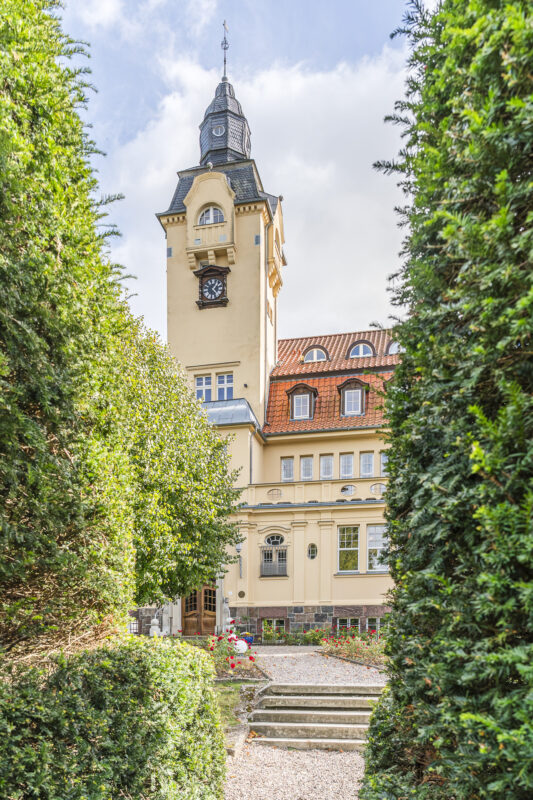
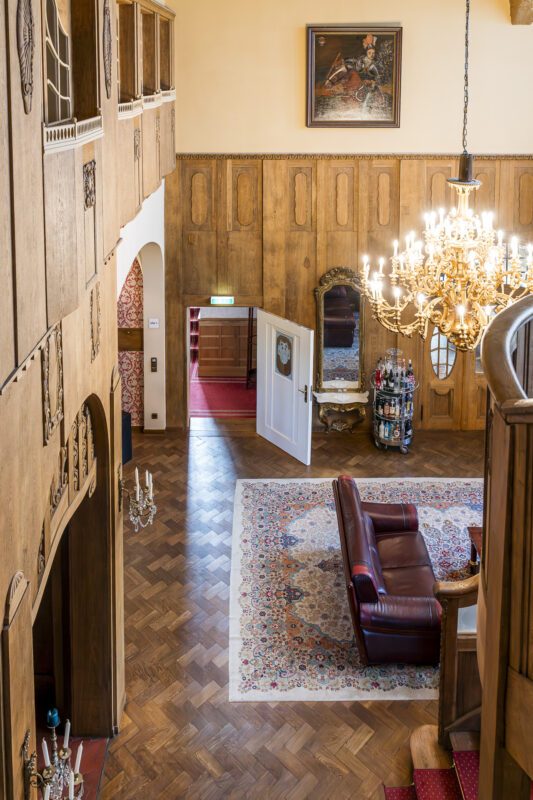
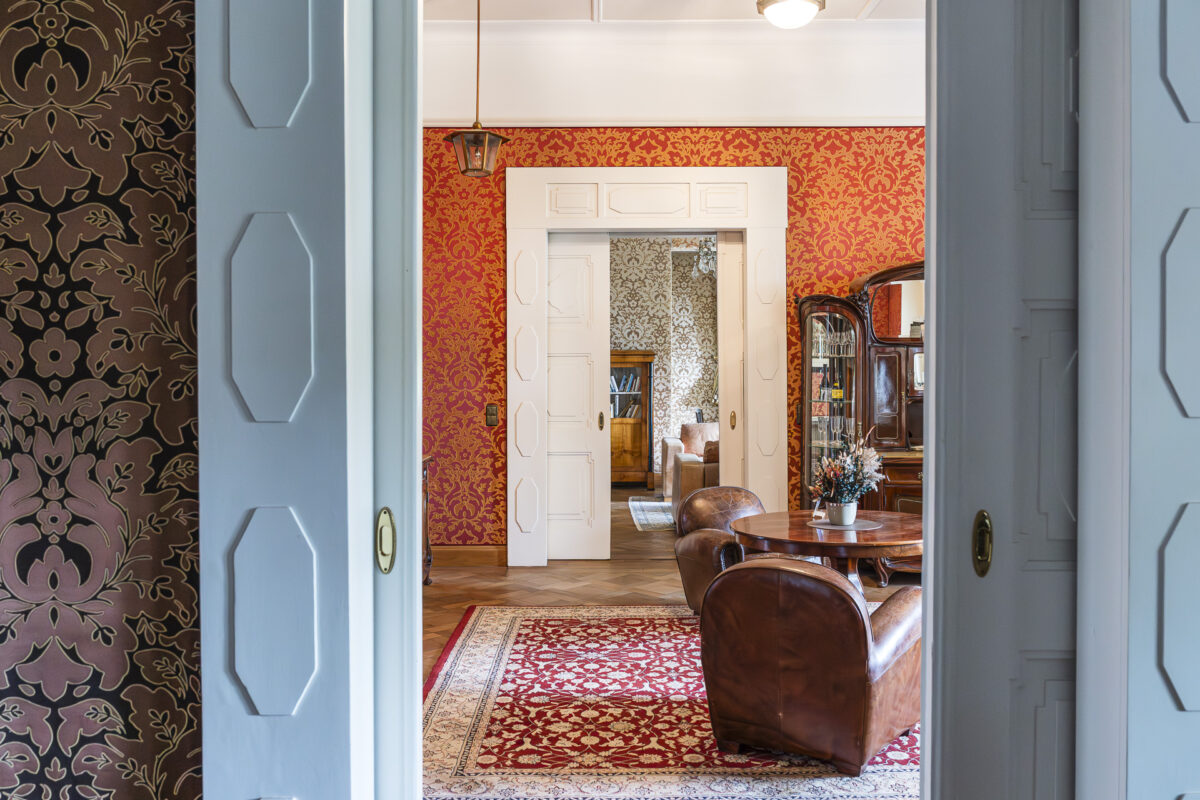
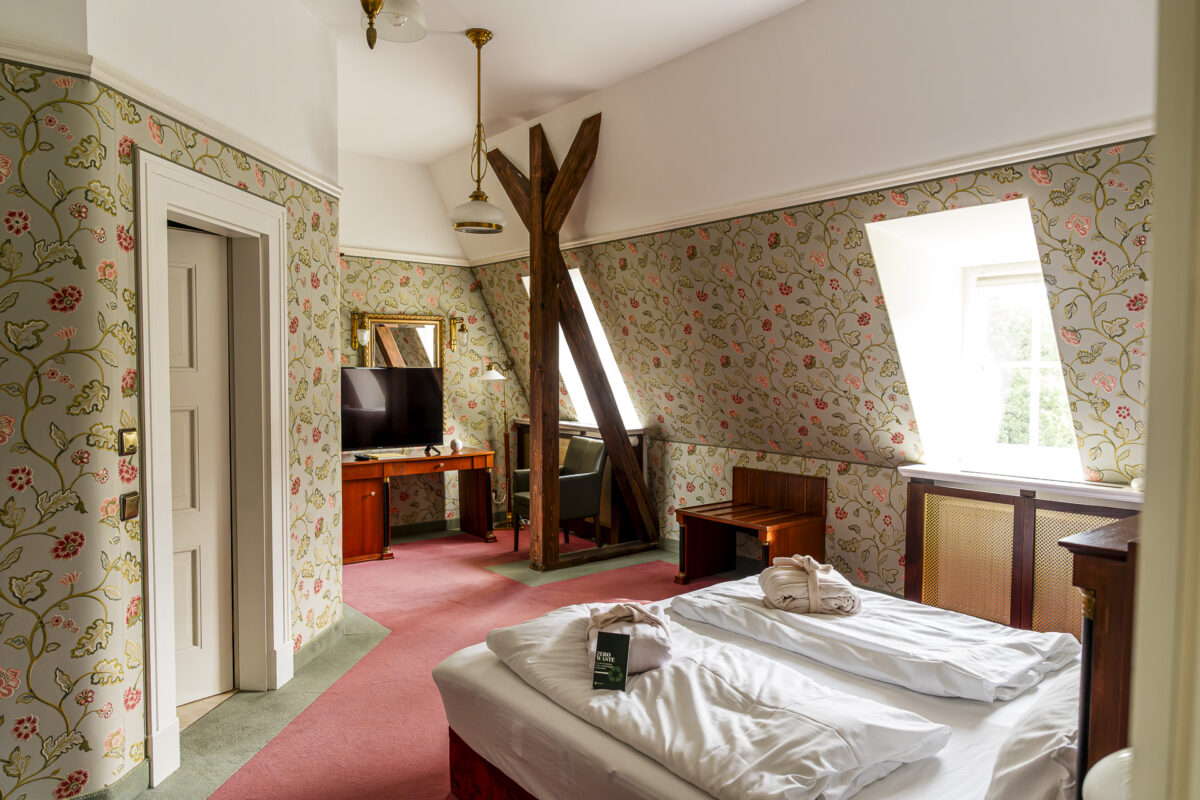
More information about Bernsteinreiter and Bernsteinschloss Wendorf can be found here: bernsteinschloss.de
9. Pure Country Charm: Schloss Kaarz and Its Idyllic Park
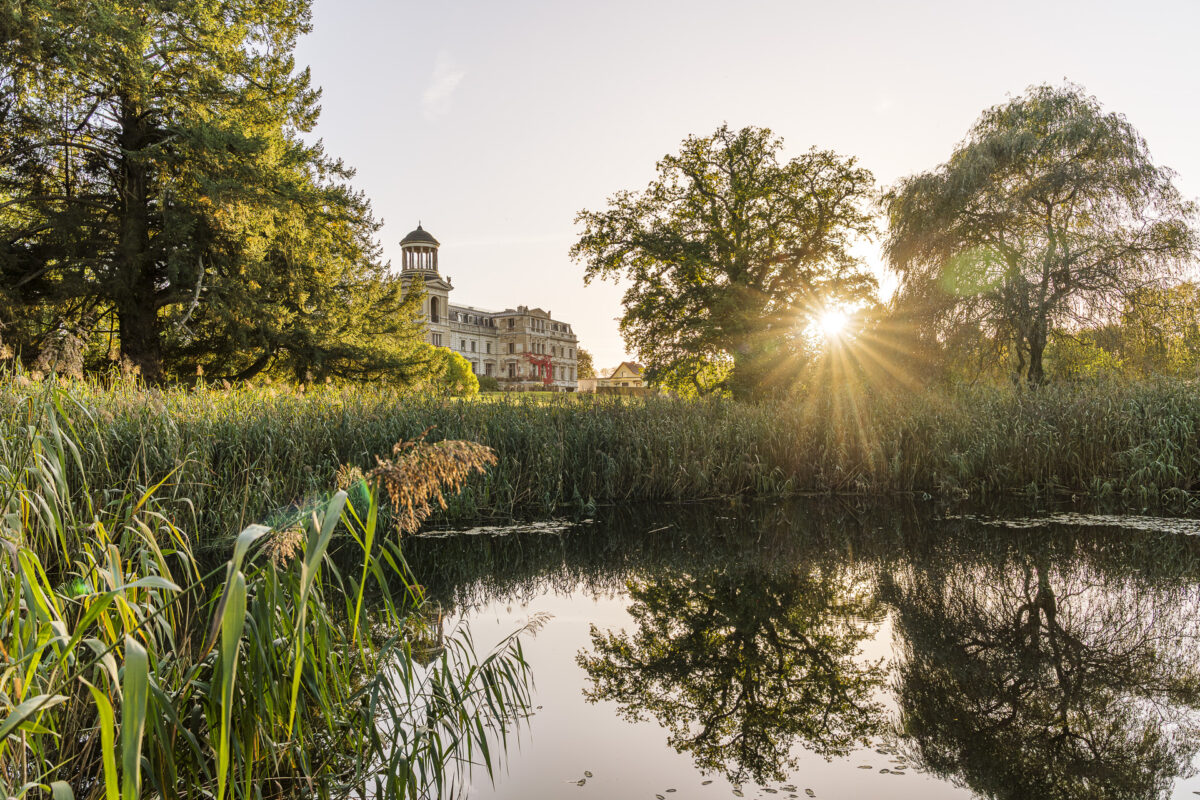
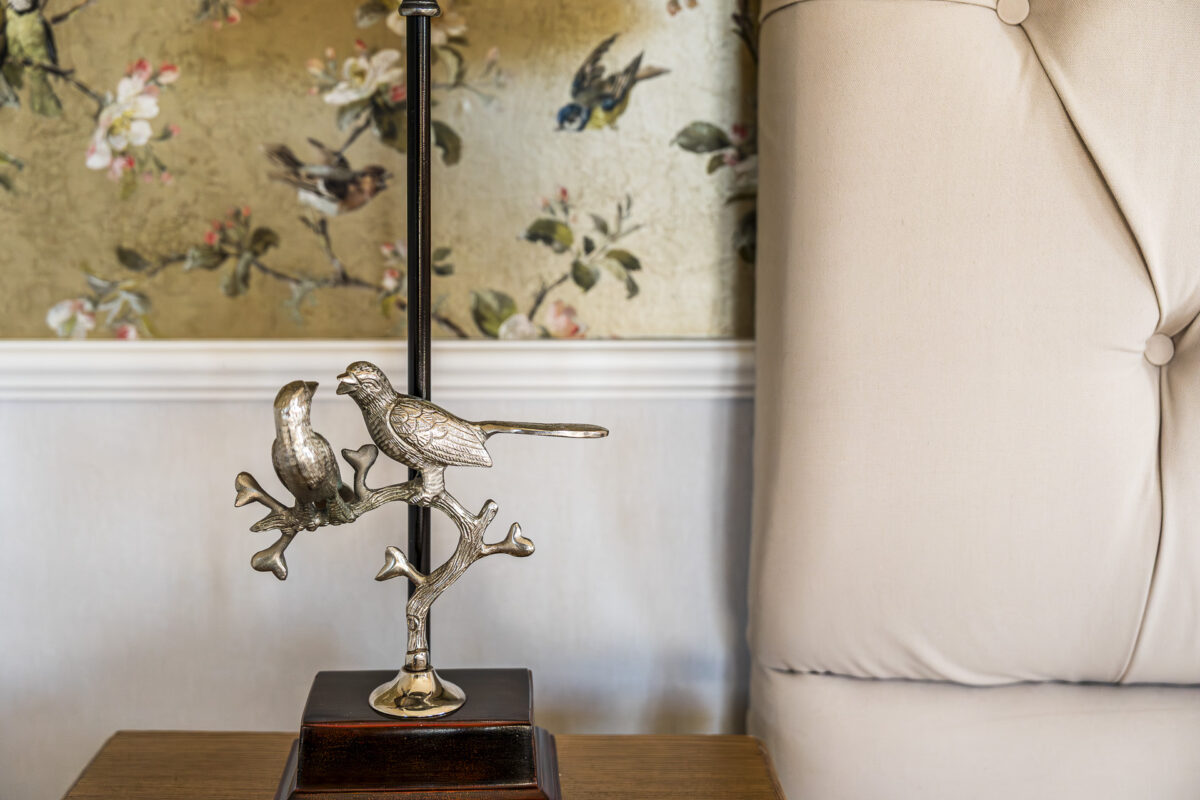
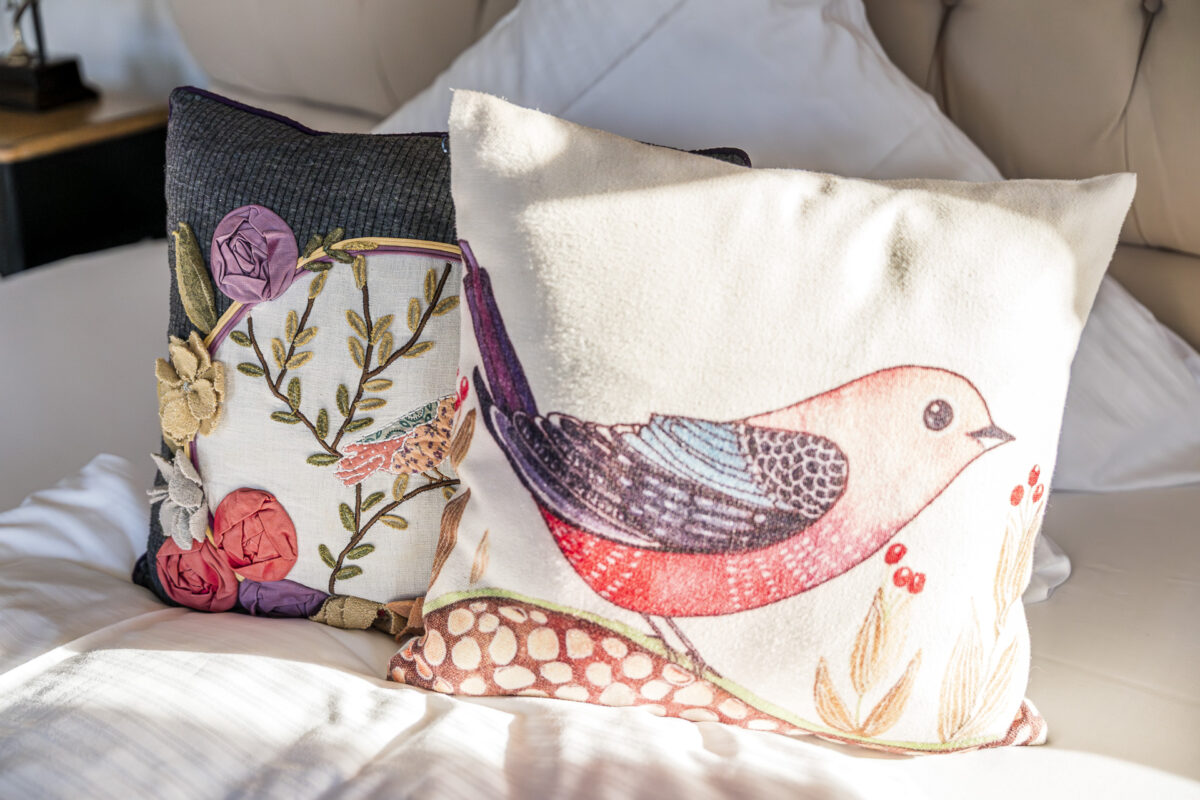
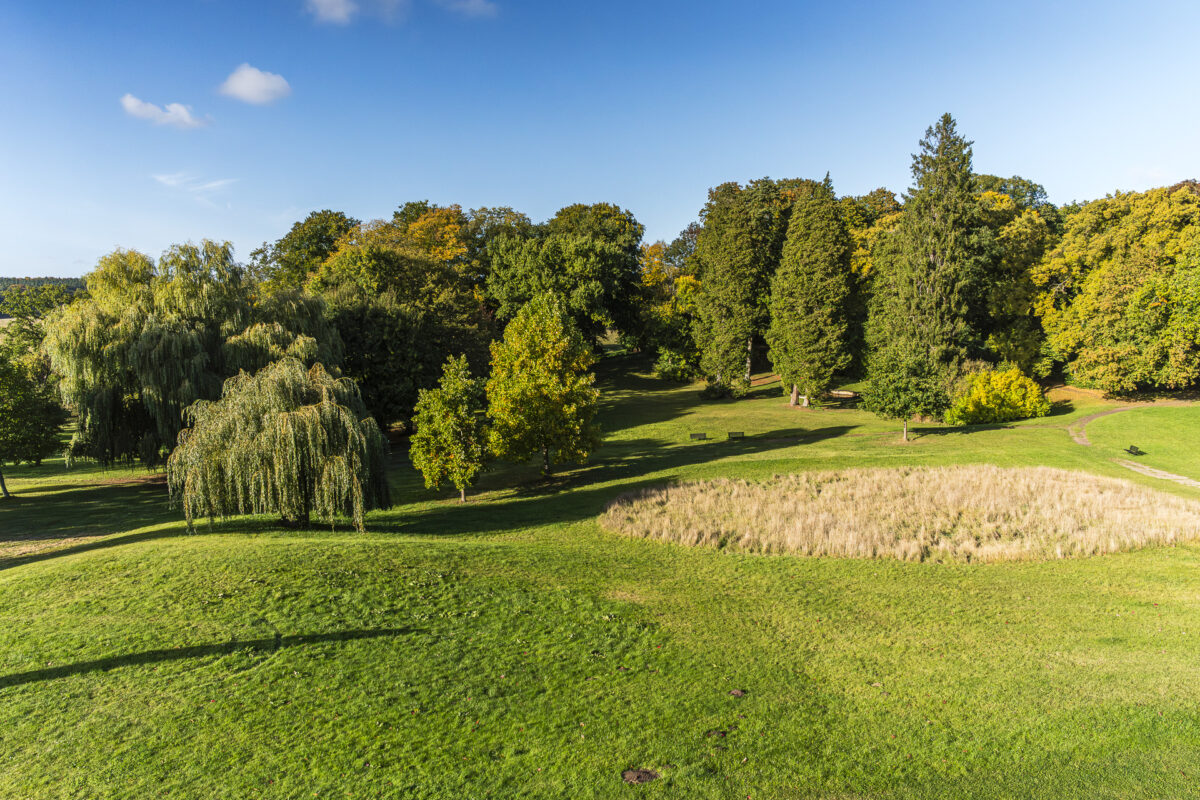
Schloss Kaarz is a true hidden gem. Set in a seven-hectare (about 17-acre) landscaped park designed in the English style—surrounded by ancient trees and wide meadows—this historic manor house, with its twenty-one individually decorated rooms, is the perfect setting for a restorative break in nature. I’ll admit it: I fell in love with this beautiful place instantly.
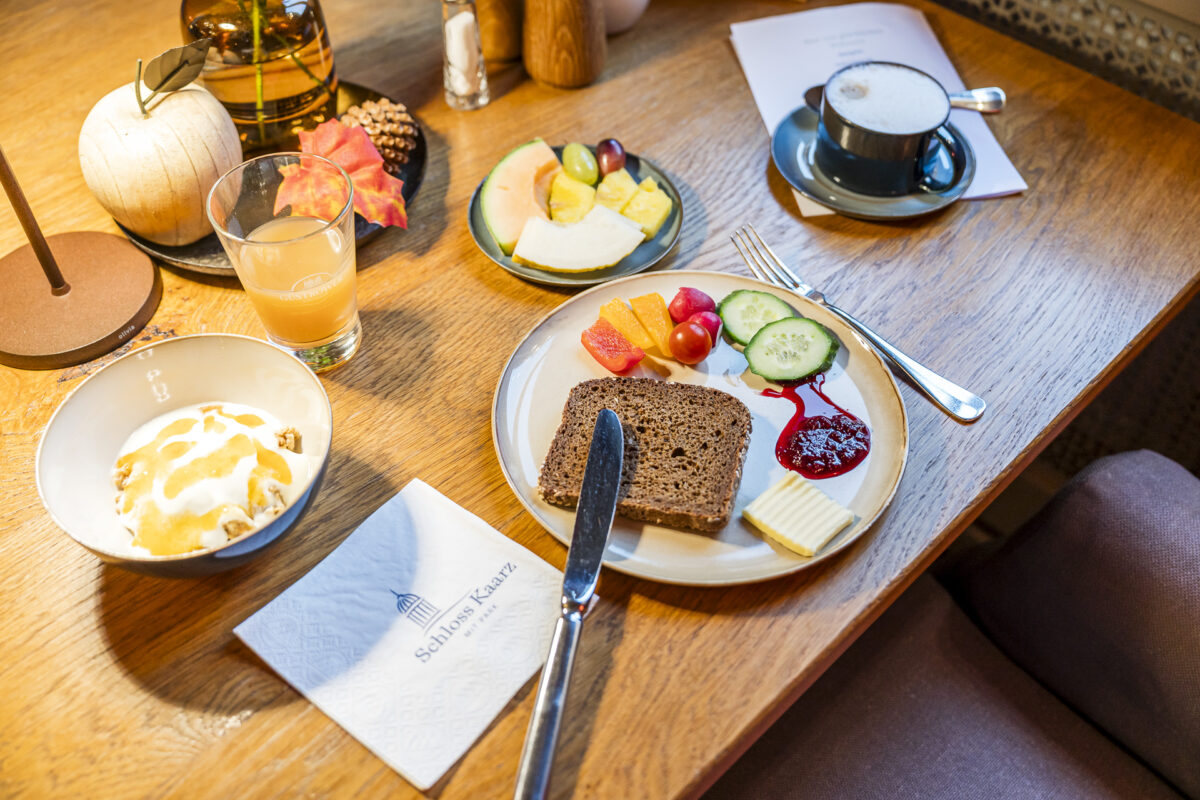
That’s not only thanks to the lovingly designed rooms, but also the kitchen, which focuses on regional ingredients and surprises with refined yet uncomplicated dishes. It suits the relaxed character of the house perfectly. If you stay here, you’ll enjoy soothing peace and quiet while also being thoroughly spoiled—something that always wins me over. There’s also a small sauna hidden in the park, set in a shepherd’s wagon.
In my opinion, Schloss Kaarz is the ideal place for anyone who loves historic buildings, is looking to slow down, enjoys great food, and appreciates long walks in nature.
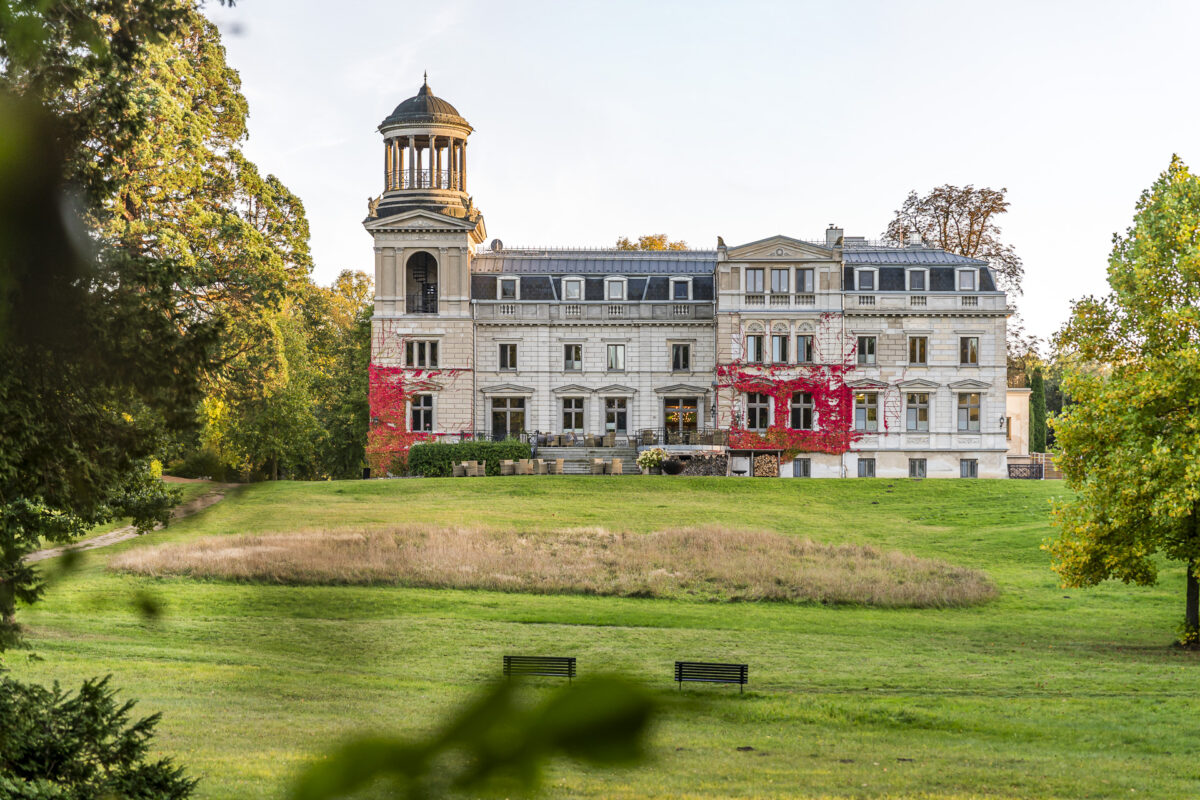
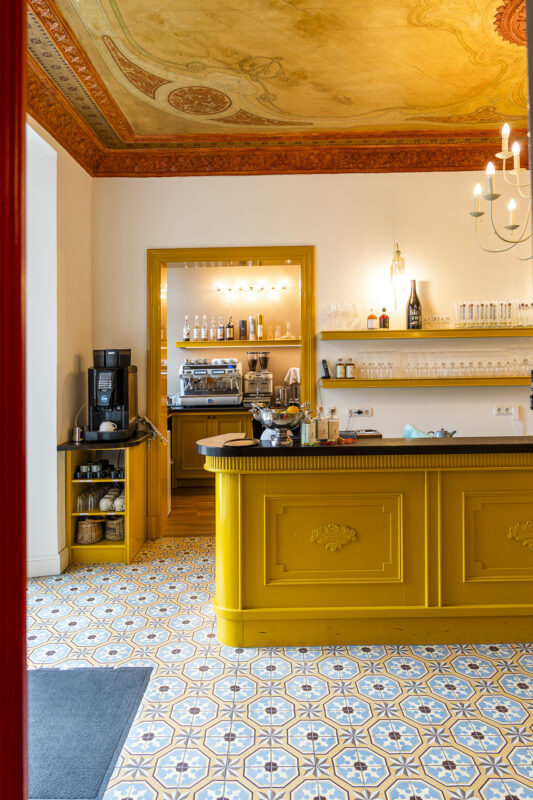
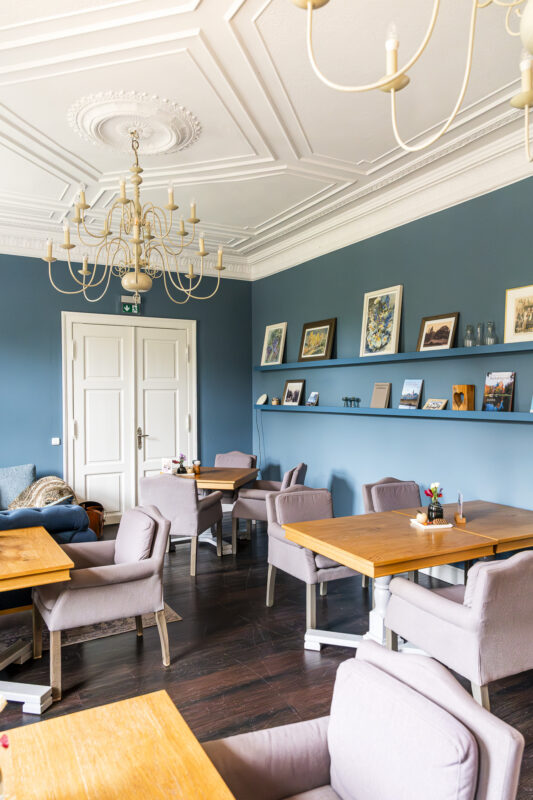
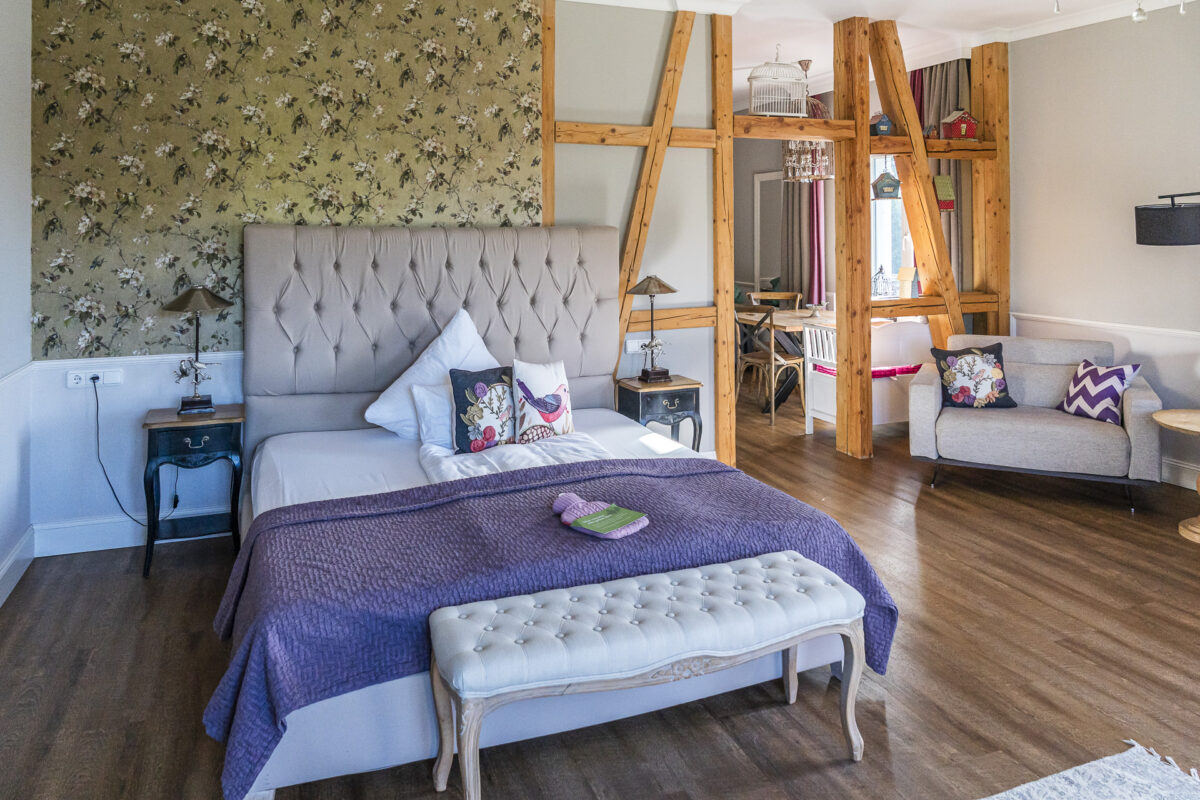
You can find more information about Schloss Kaarz on the hotel website.
Practical Tips for Your Trip to Schwerin
-
- What’s the best way to get to Schwerin? I traveled from Zurich to Hamburg by train and rented a car there. Of course, you can also reach Schwerin by train. But if you want more flexibility in the surrounding area, a rental car is a great option—alternatively, the region is also perfect for a bike vacation!
-
- When is the best time to visit Schwerin? I was there in early October and had fantastic weather, so I can highly recommend fall. In general, though, Schwerin is a destination with its own charm in every season. In summer, the surrounding lakes are great for swimming, and a side trip to the Baltic Sea is easy to combine. In the winter months, you’ll enjoy quiet days away from the crowds and can truly unwind. By the way, Schwerin also has a wonderful Christmas market, considered one of the most atmospheric in northern Germany.
-
- How many days should I plan for Schwerin and the surrounding area? For a first impression of Schwerin—with the Old Town, cathedral, and residential palace—a weekend trip is perfect. If you also want to explore the surrounding area with its castles, manor houses, and lakes, it’s worth planning a bit more time.
-
- Getting around locally: Schwerin is compact, and you can explore many places on foot. For excursions into the surrounding area, I recommend renting either a bike or a car.
Leave a Reply