



Grenoble: Attractions and Day Trips Around the Alpine City
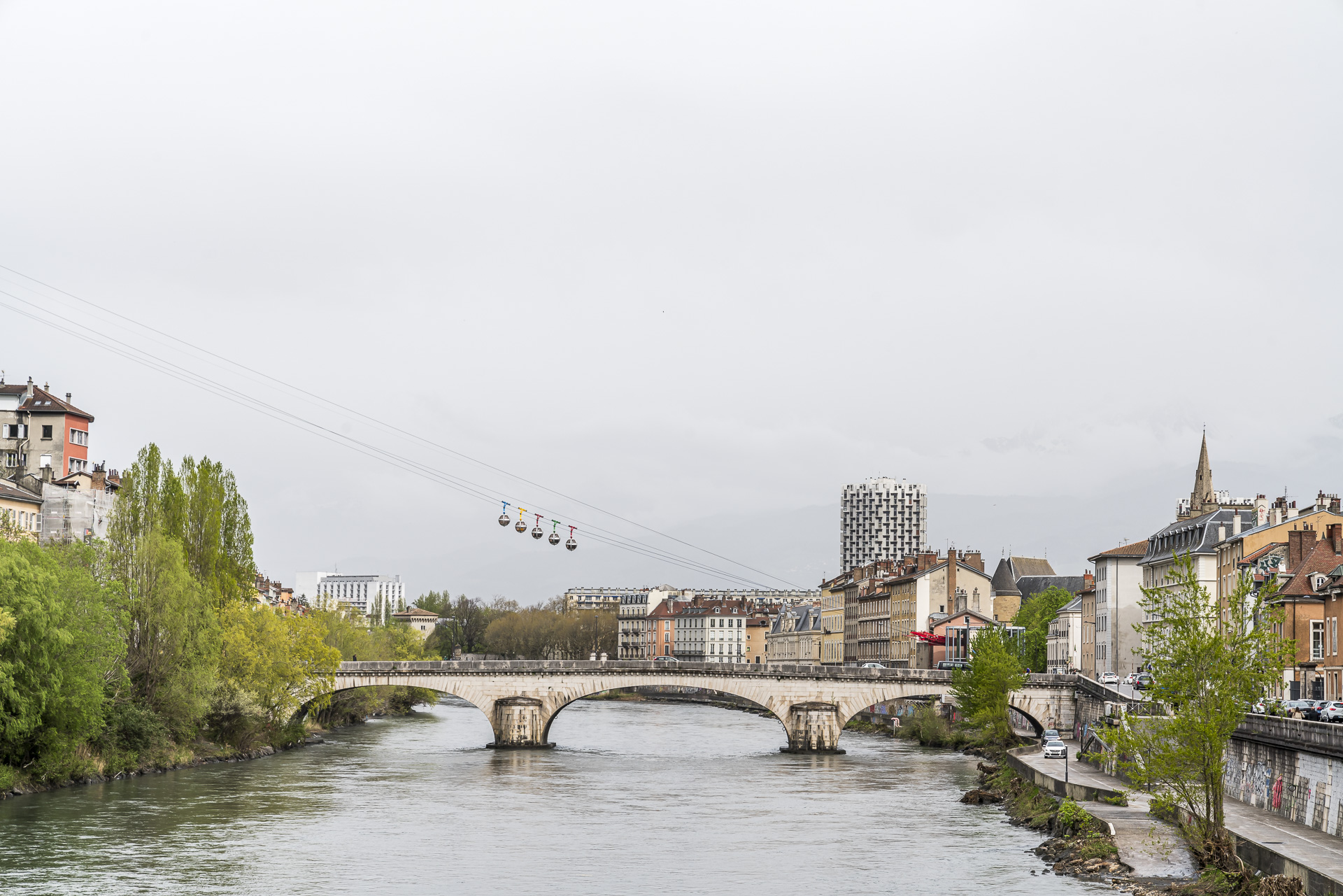
With the upcoming long holiday weekends, it’s high time I tell you about our trip to the French city of Grenoble, often called the “Alpine metropolis.” The name isn’t without reason: surrounded by the Vercors, Chartreuse and Belledonne mountain ranges, Grenoble is framed by an impressive mountain panorama. At the same time the city is green, youthful and—at least in my impression—also a bit sleepy. Basically the perfect mix for going on an exploratory tour without constantly feeling like you have to rush from one sight to the next.
An overview of Grenoble’s sights
With around 160’000 inhabitants, Grenoble is the largest city in the French part of the Alps, yet still relatively compact. The Alpine metropolis combines a surprisingly diverse selection of sights in a small area – from the city’s landmark, the Bastille with its impressive view, to the charming lanes of the Quartier Saint Laurent, to renowned museums and a lively street-art scene. At the same time, extensive parks and the banks of the Isère also provide space for relaxed walks. Below I’ve put together our tips from the three-day trip to Grenoble and the surrounding area.
My 9 tips for your weekend trip to Grenoble
1. Stroll through Grenoble’s Old Town
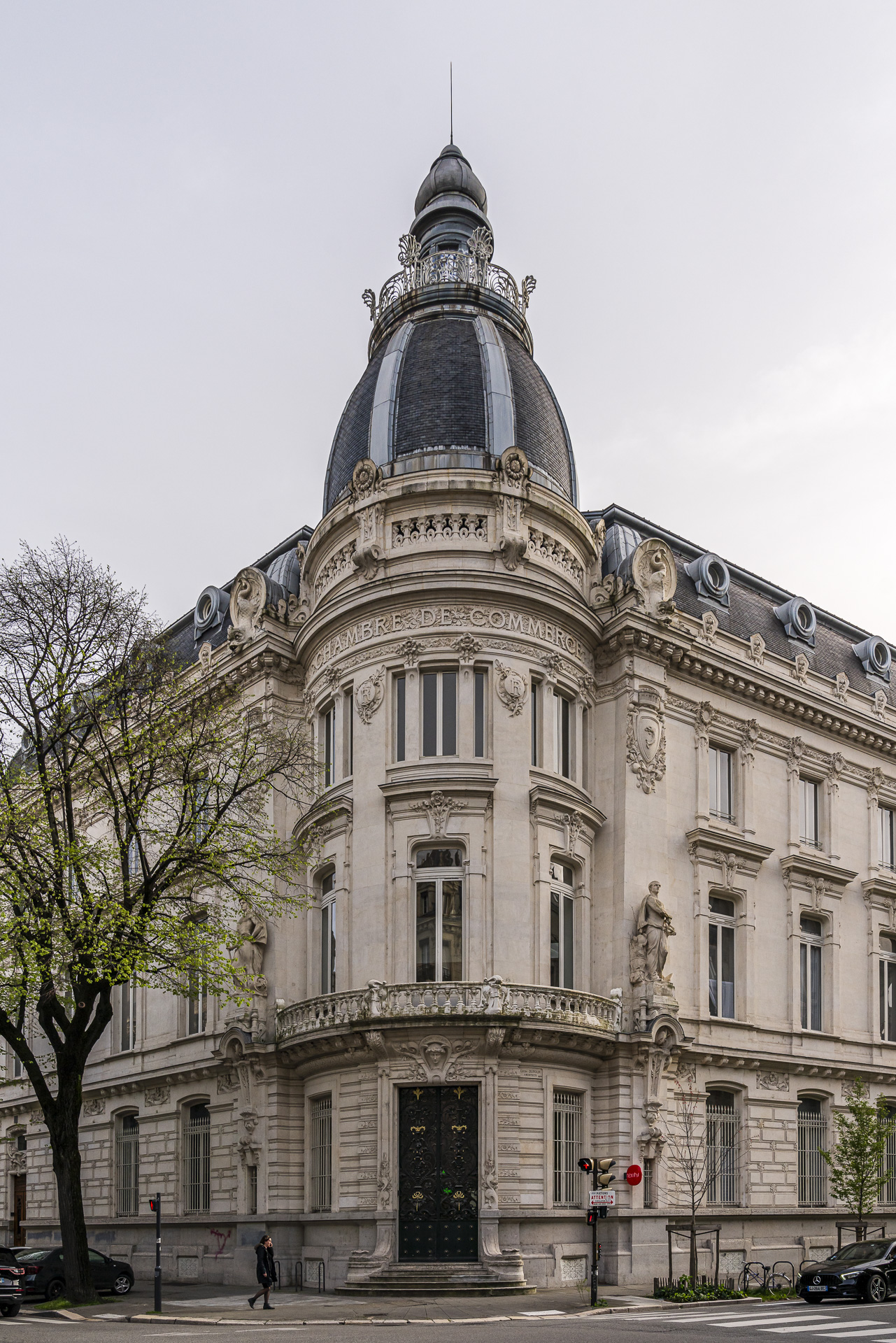
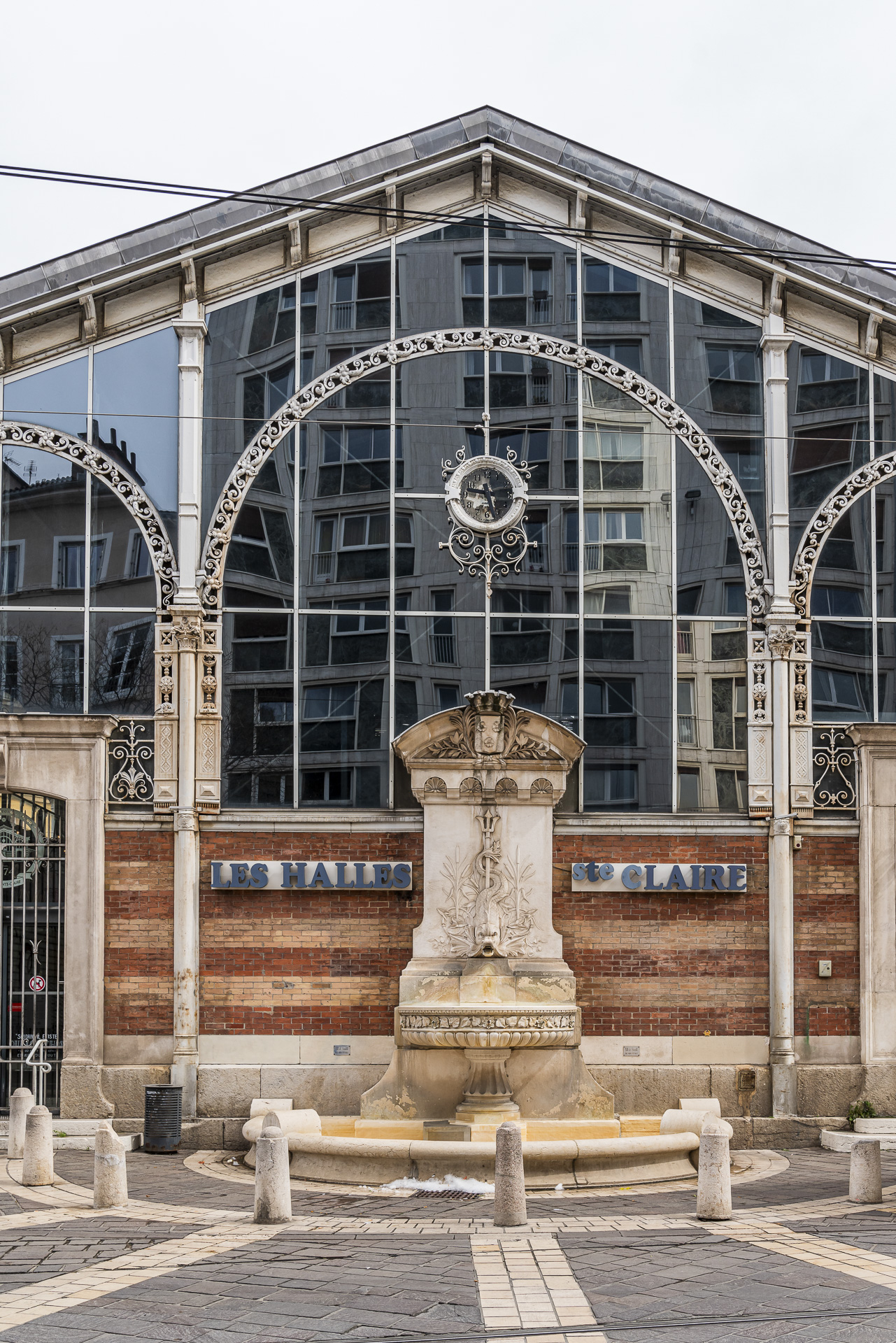
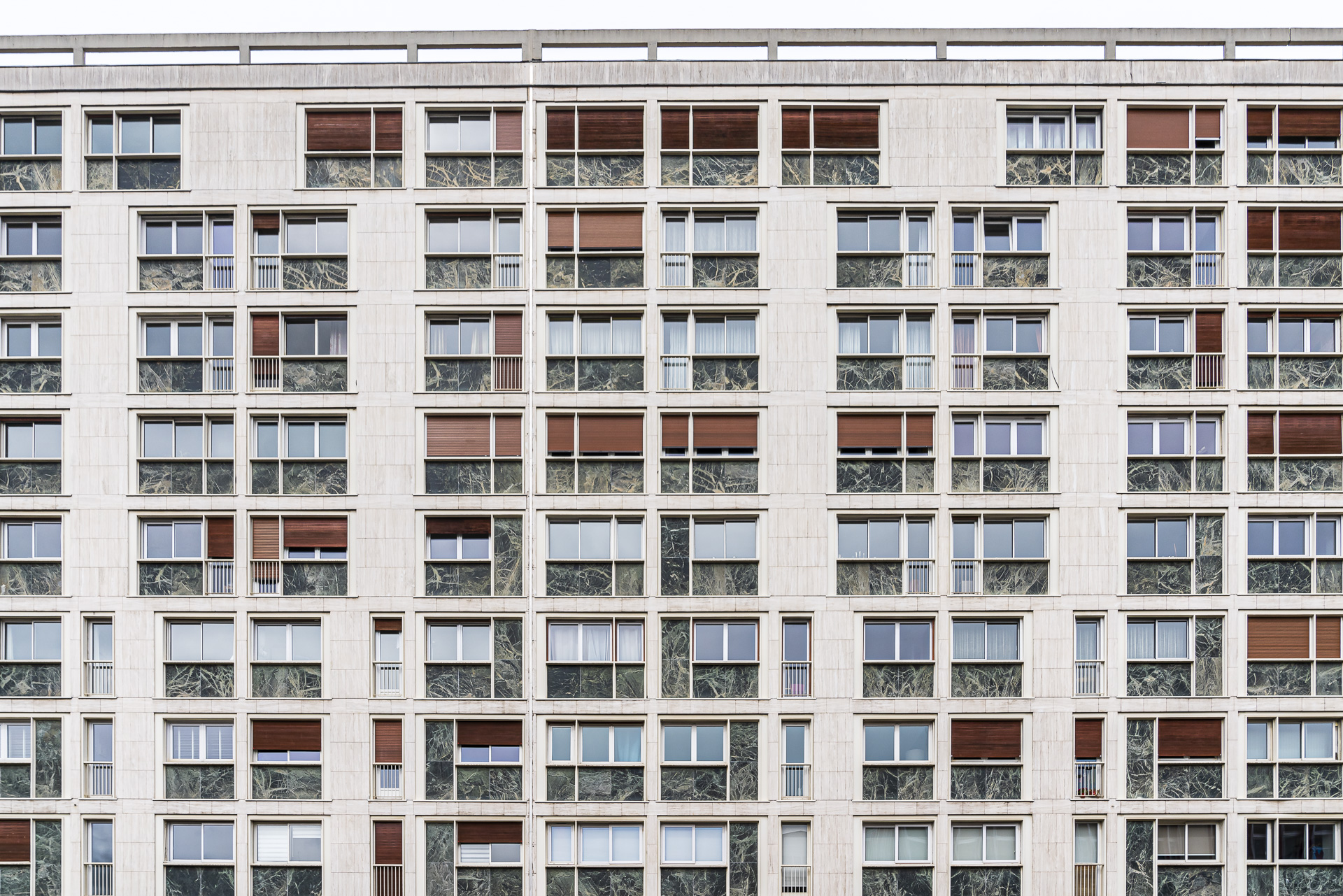
The Old Town with its winding alleys around the Place Grenette and the Place aux Herbes is about a 20-minute walk from the train station. On the way there you already get a first impression of the many facets of this city. In some places abrupt stylistic contrasts give the impression that Grenoble was rebuilt on a large scale. In fact, that’s less due to destruction. The city was largely spared such damage during its almost 2’000-year history. Rather, it was the 1968 Winter Olympics that triggered a comprehensive modernization program, the architectural effects of which still shape the city’s appearance today.
Today Grenoble is considered a pioneer in sustainable mobility. As the first city in France, it already adopted a climate plan in 2005. Thanks to the consistent expansion of the bike network and tram lines as well as traffic calming in the city center, it managed within ten years to reduce greenhouse gas emissions by a quarter. They are to be halved by 2050. In 2022 these efforts were honored with the award of European Green Capital.
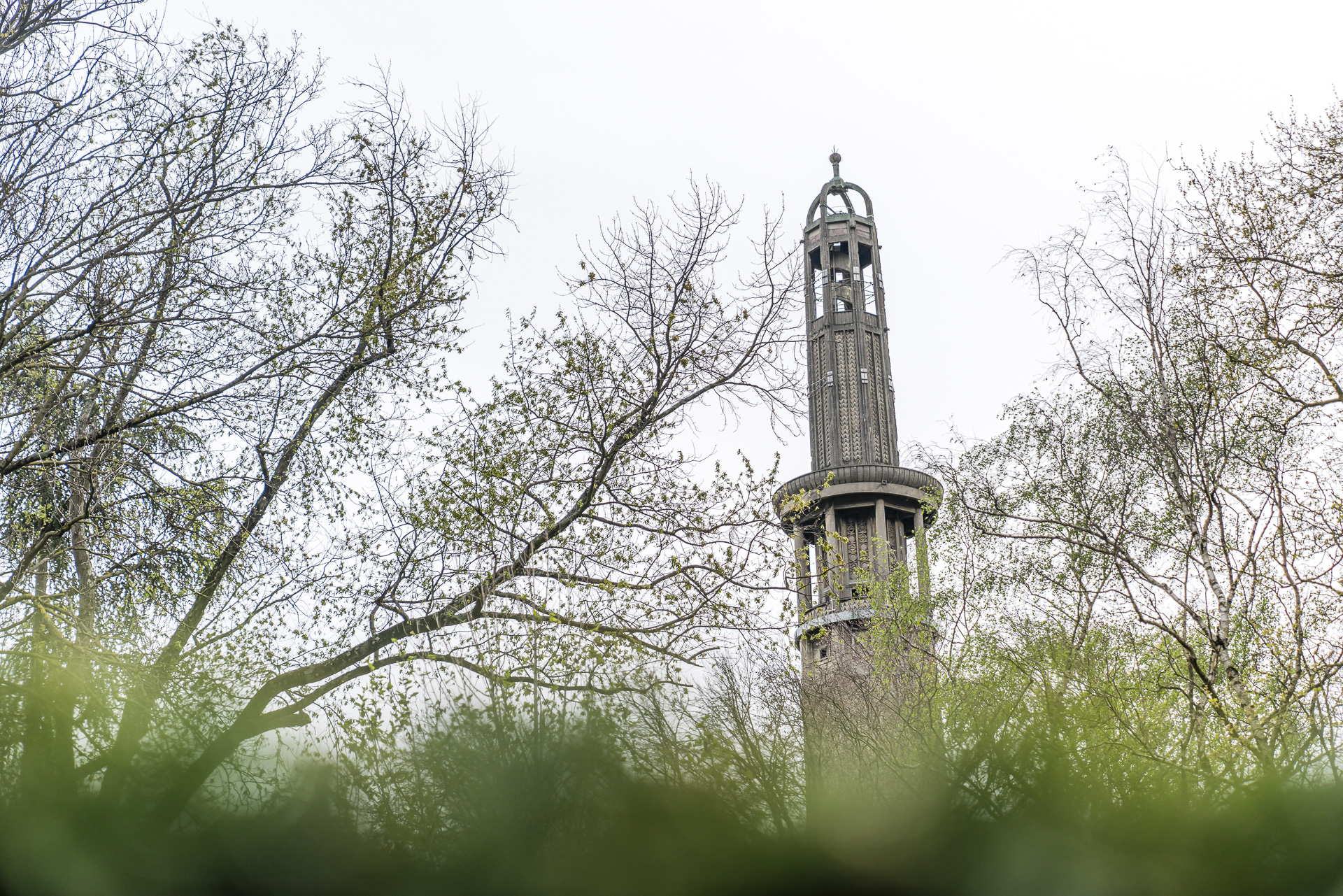
An architectural highlight from the early 20th century is the Tour Perret in Parc Paul Mistral. It was built in 1924 according to plans by the architect Auguste Perret and is considered the first tower in Europe to be constructed entirely of reinforced concrete. If you still remember my Le-Havre blog post you might be able to guess why I didn’t miss this sight.
2. Take a self-guided street art tour
In recent years Grenoble has developed into a real hotspot for street art. Across the city there are now more than 200 large-scale murals and creative interventions in public space. What’s particularly exciting is that many of these works are created as part of an annual street-art festival held between late May and early June.
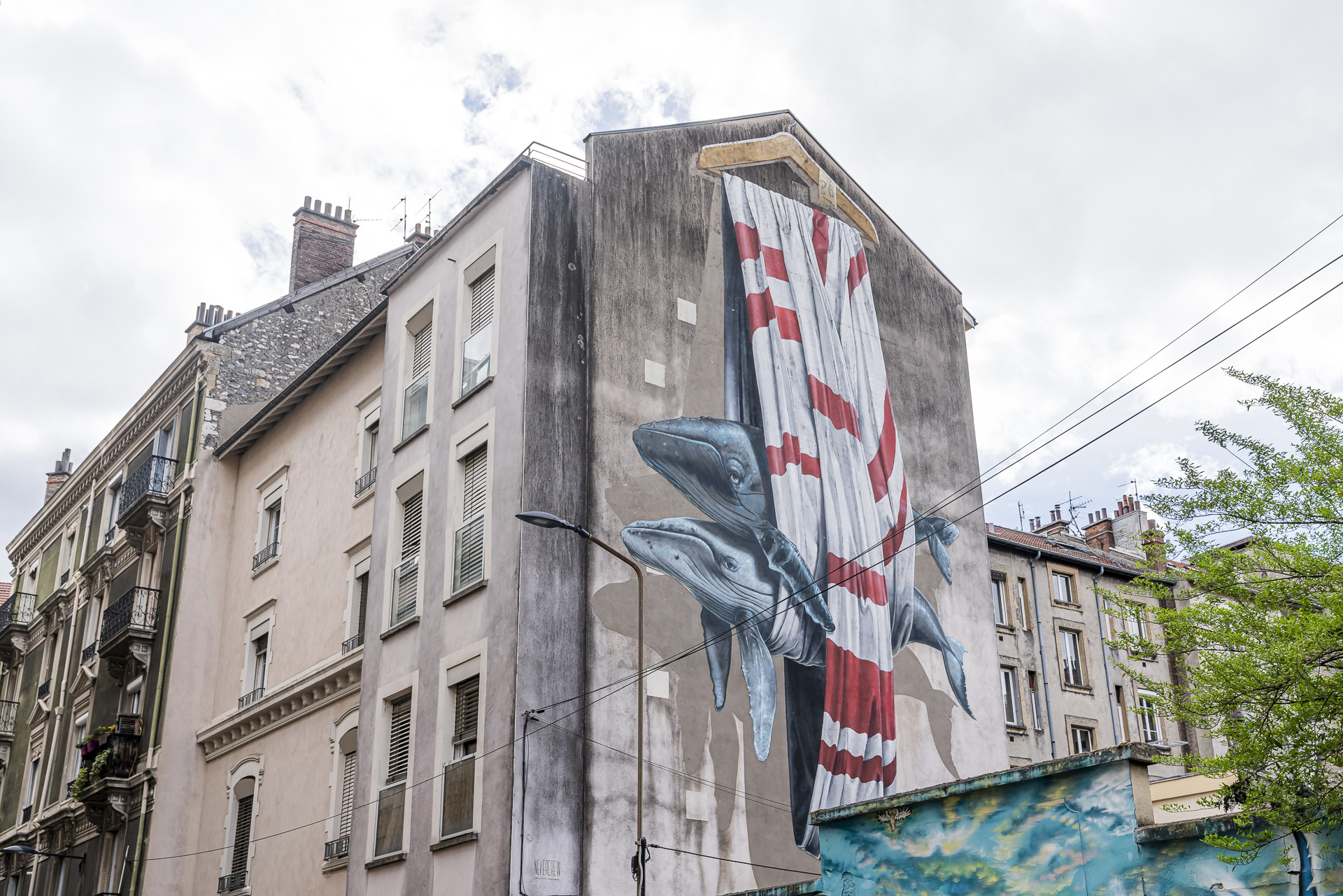
Good to know: On this Google My Maps mapwhere the works are located and provide an ideal basis for an extensive street-art walking tour of the city center. You can find more information about the Street Art Festival here: Street Art Fest
3. Plan for more than just a coffee break
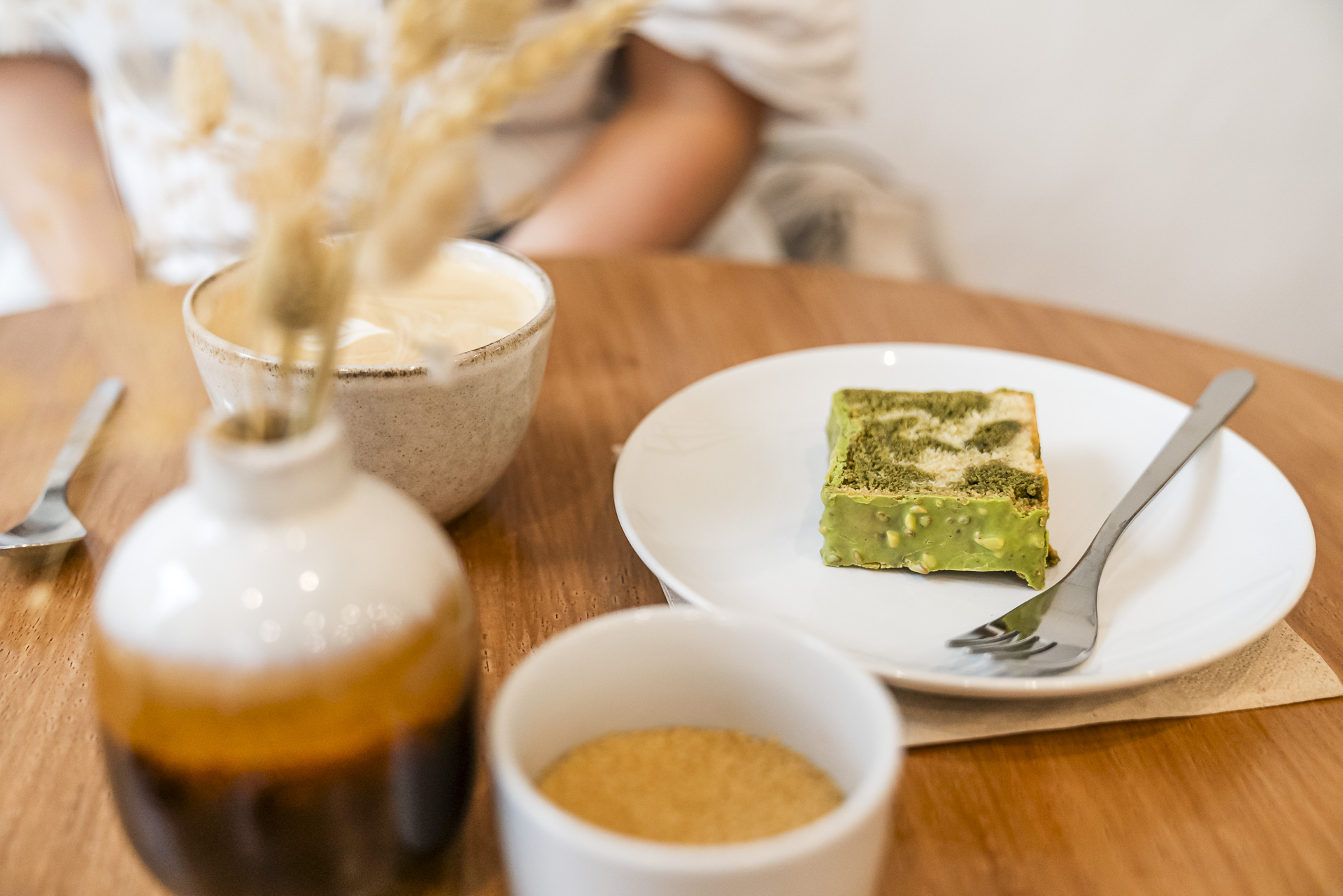
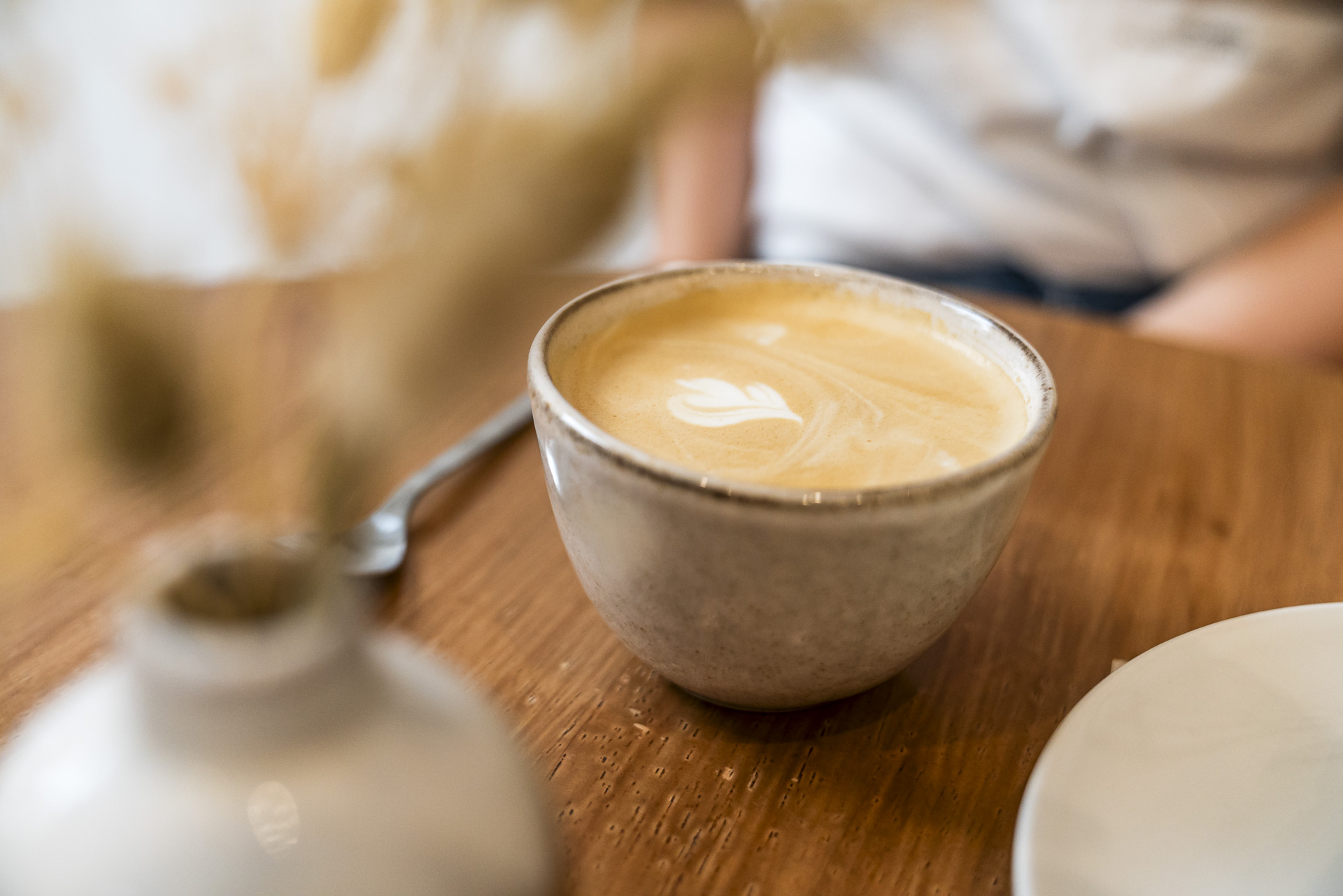
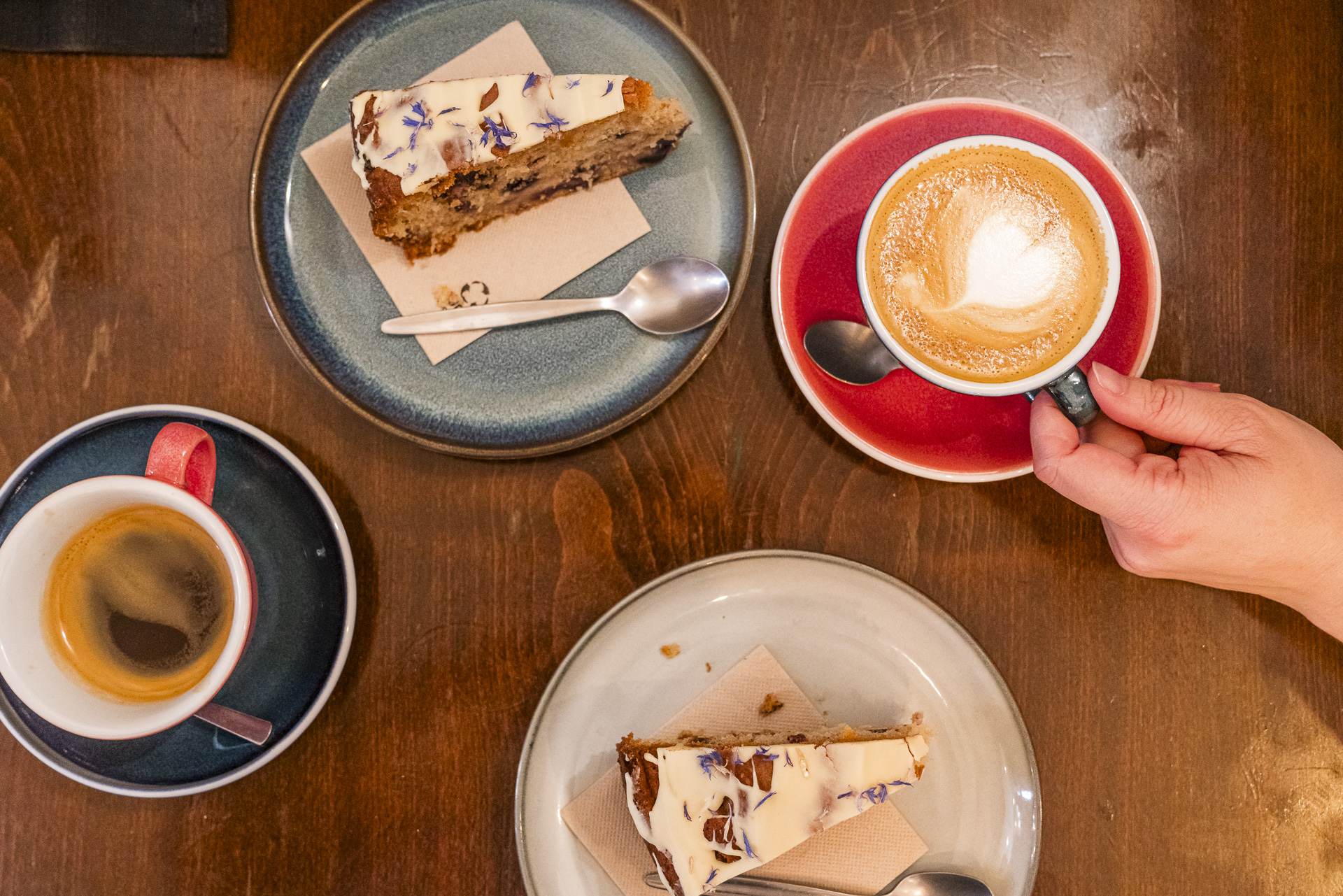
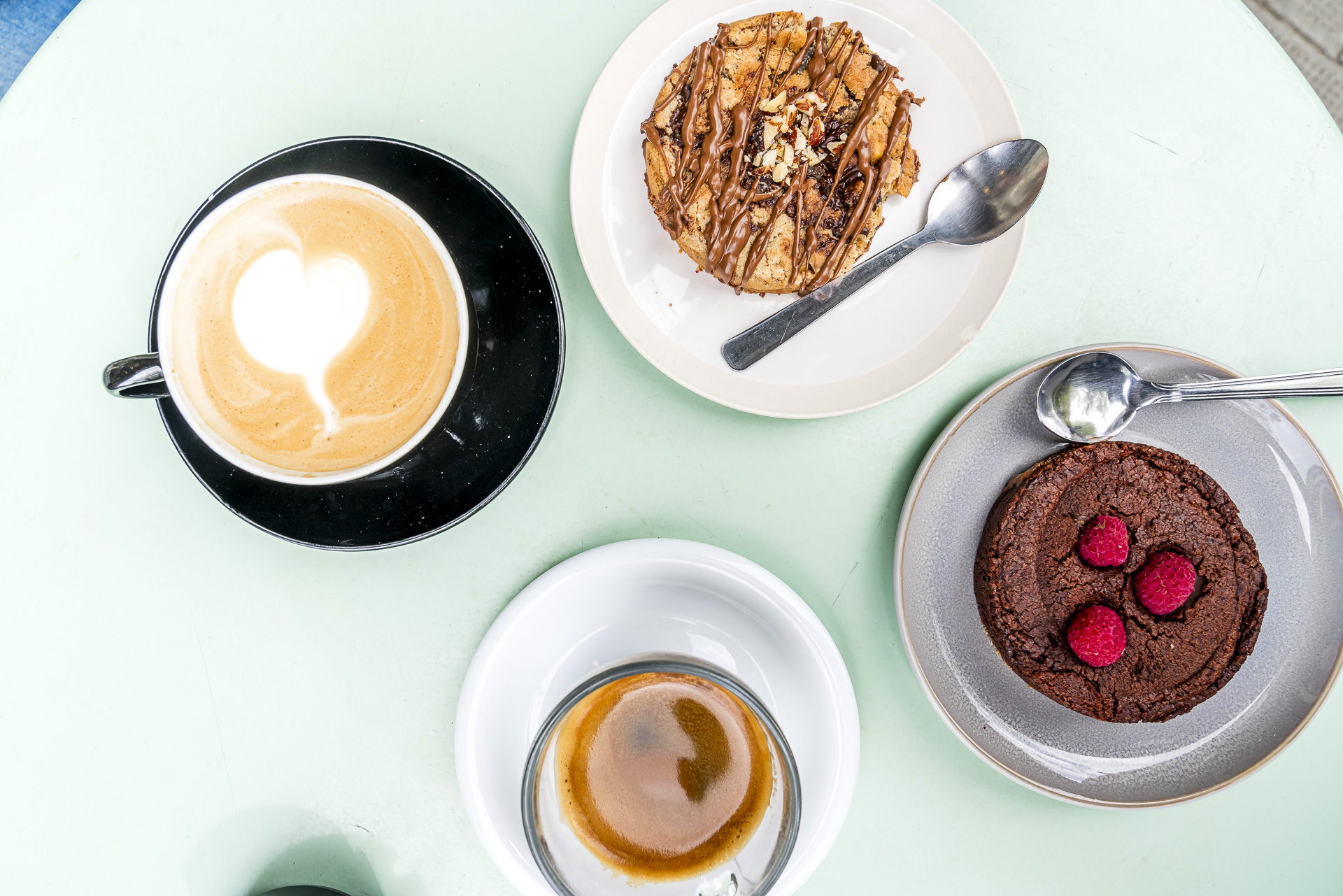
During our visit to Grenoble we unfortunately encountered rather mixed, at times unpleasant weather and therefore spent more time than usual in cafés. Luckily, Grenoble’s coffee scene is excellent. Our favorites include Tower Coffee, Hono Coffee House and the Bom Coffee Shop – all three are centrally located in the city center.
4. Looking down on Grenoble from the Bastille
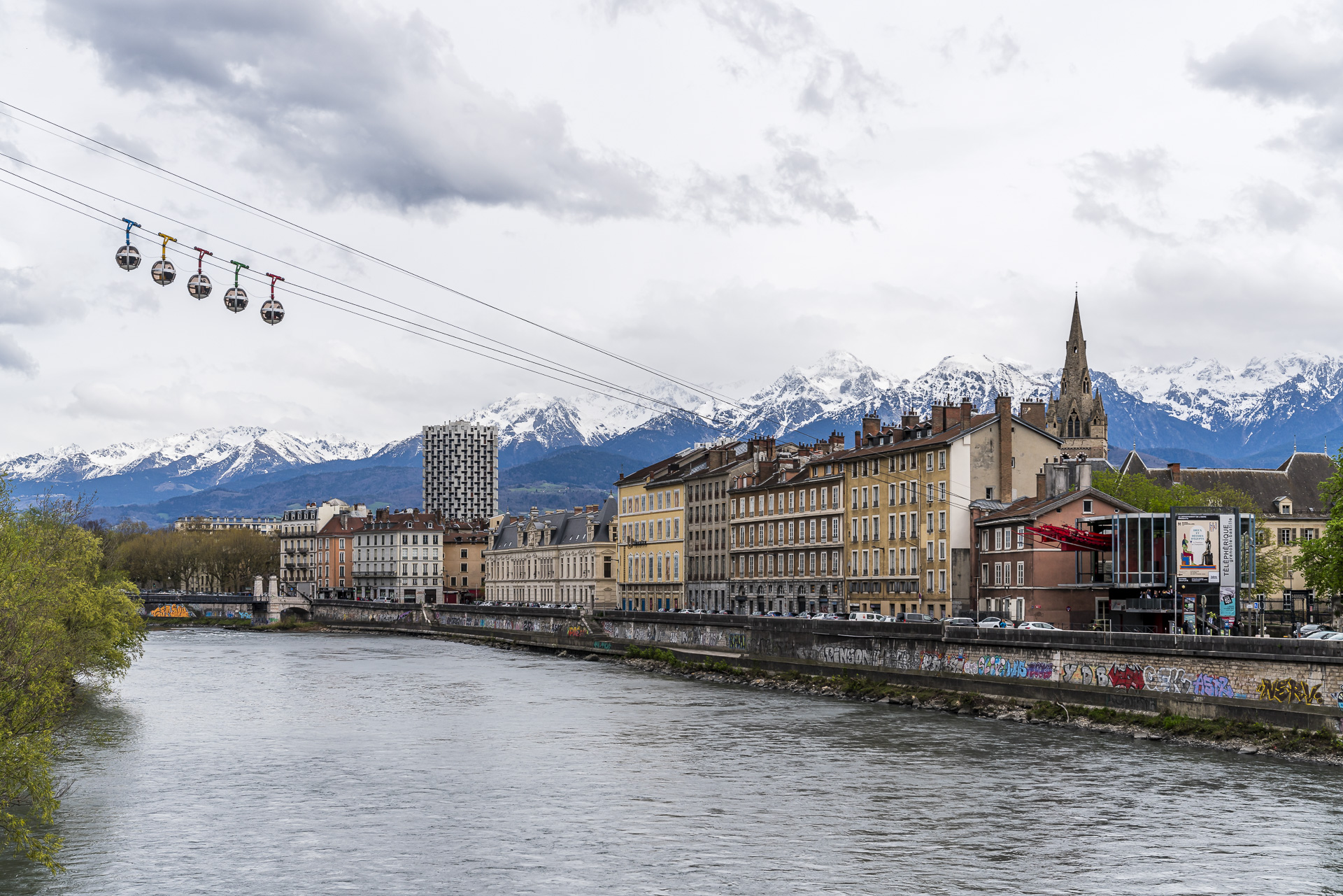
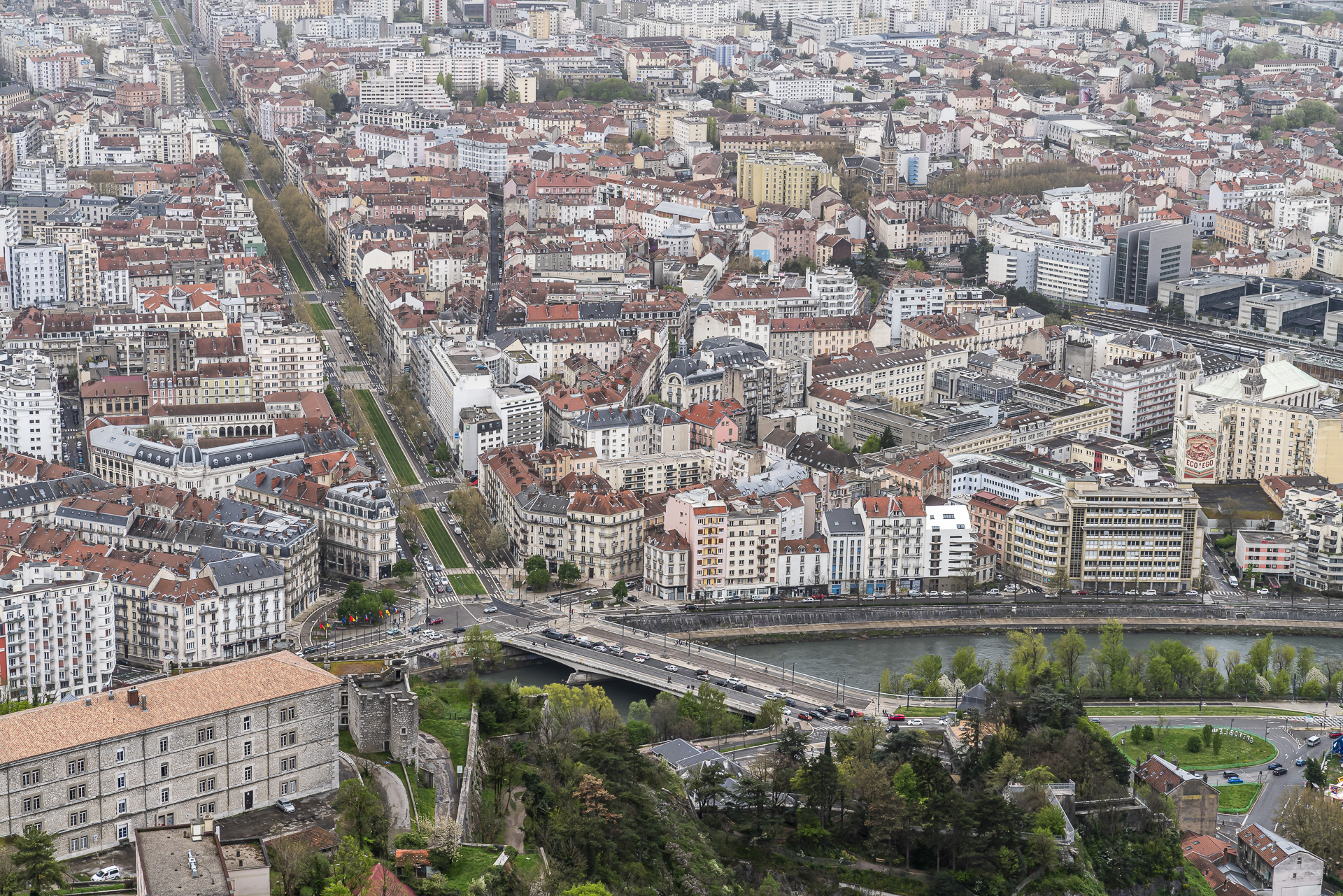
Even on our trip to the Bastille we weren’t lucky with the weather. To reach the fortress that towers almost 500 meters above the city, it’s recommended to take a ride on the iconic «Bulles». Since 1934 the cable car has run from the banks of the Isère up to the Bastille and is thus one of the oldest urban cable cars in the world. Once at the top you’re rewarded with an impressive panorama of the city and the surrounding mountains—even under gray skies.
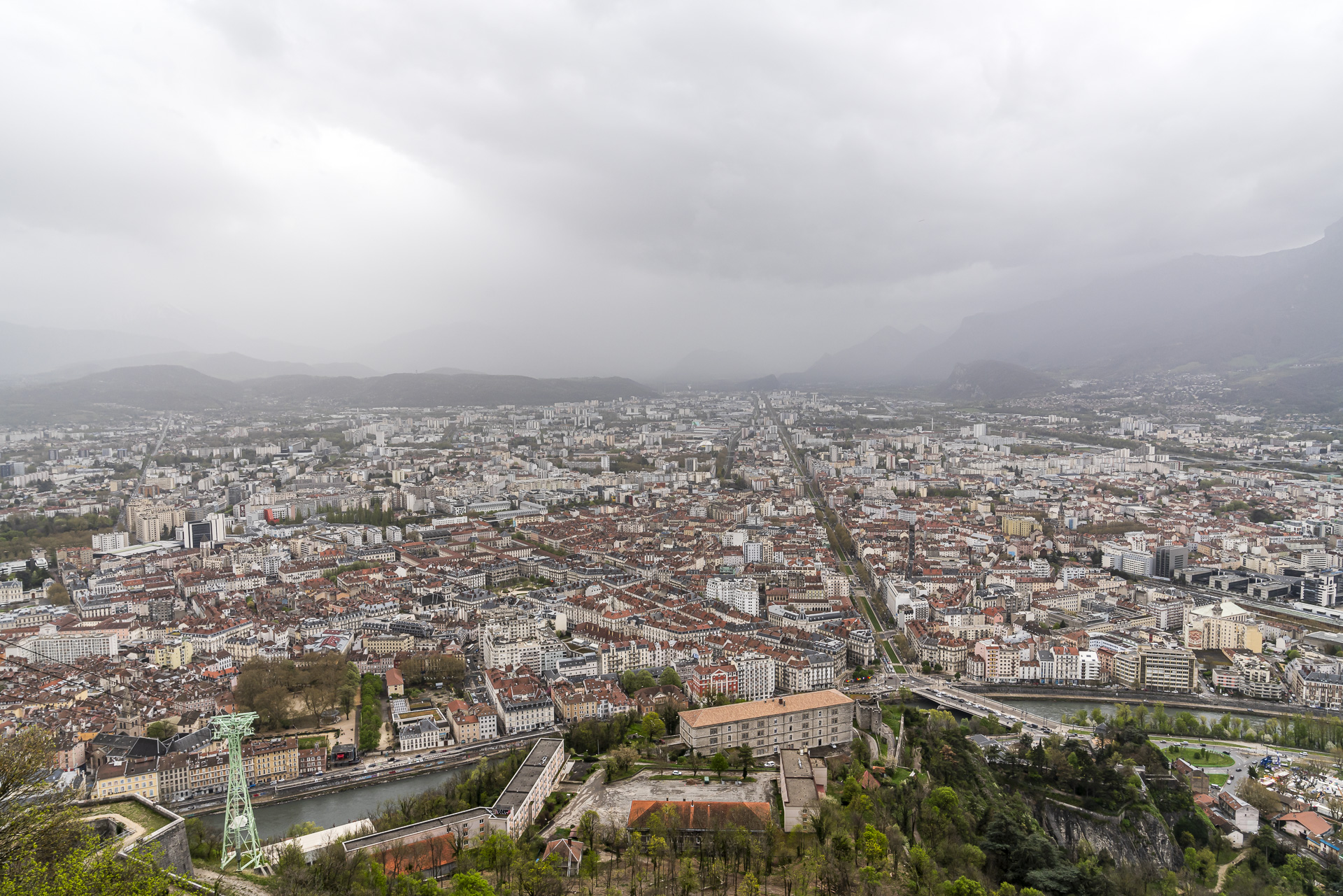
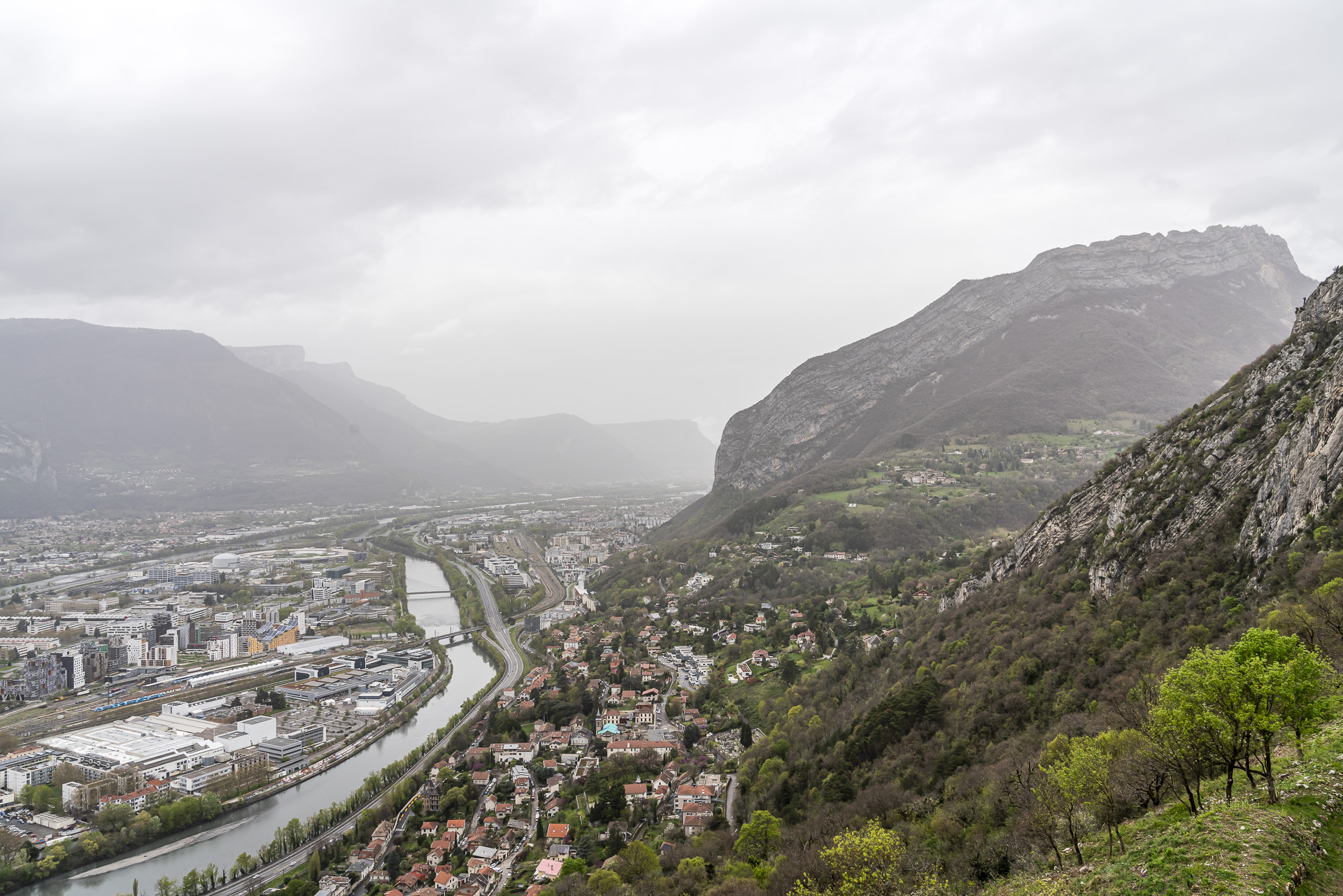
Good to know: The cable car usually operates from Tuesday to Sunday. Operating hours vary depending on the day of the week and the weather. It’s best to check the website of the Bastille Grenoble.
5. Explore the Quartier Saint Laurent
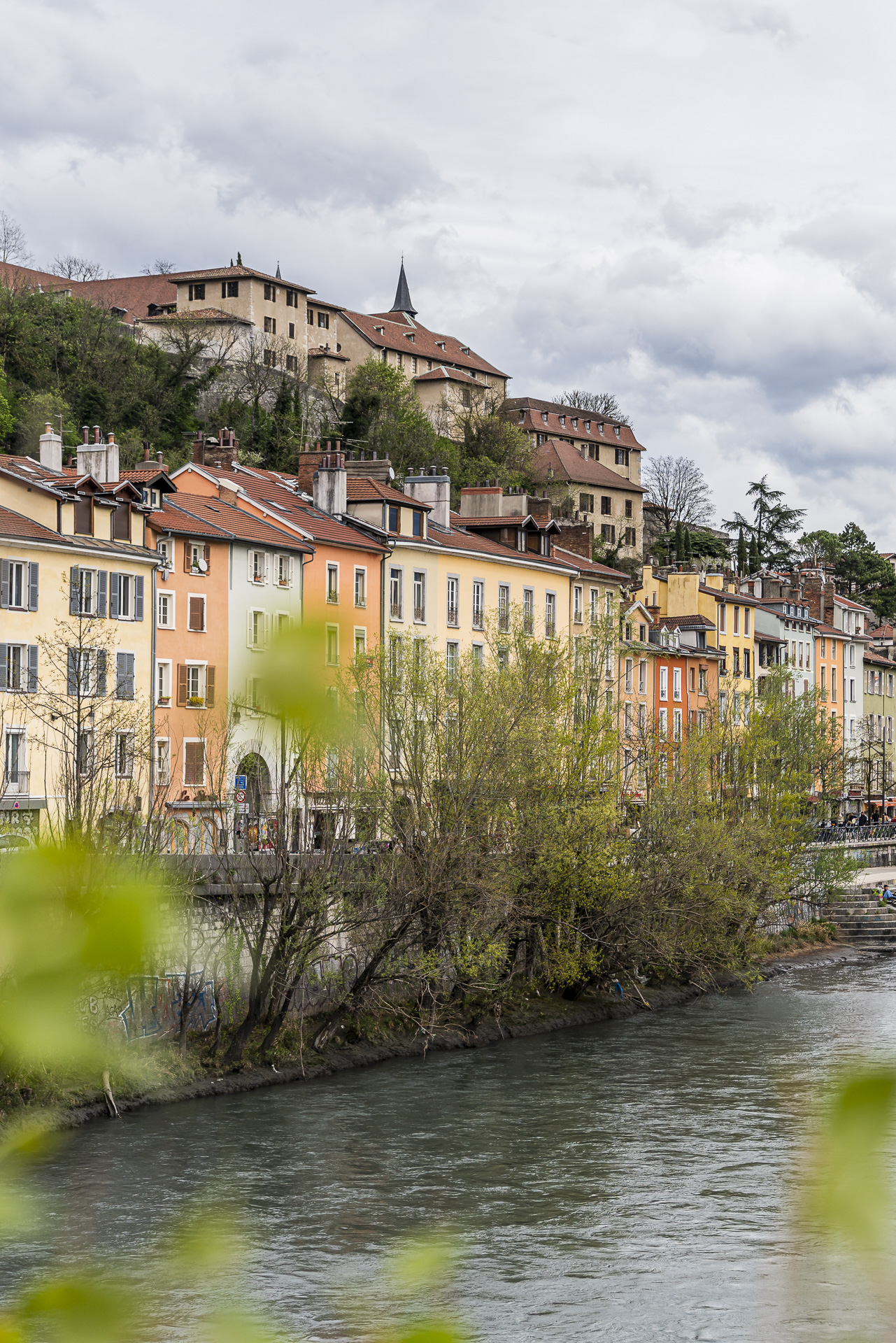
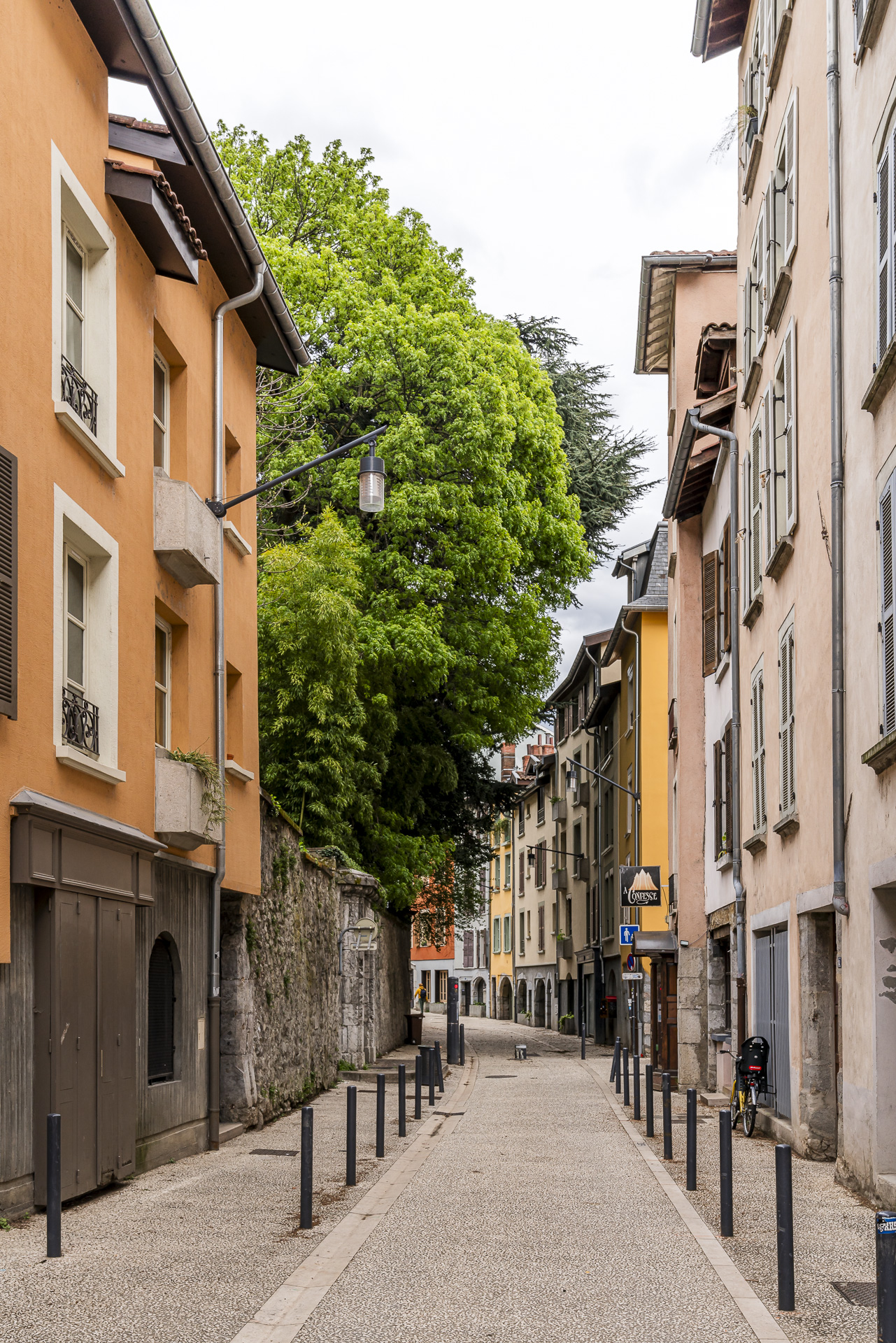
Directly below the Bastille, on the north side of the Isère, lies the Quartier Saint-Laurent, one of the oldest neighborhoods in the city. If you stroll along the Rue Saint-Laurent, you could almost think you’d landed in northern Italy. Here you’ll find historic buildings as well as many small restaurants and cafés (many of them with good reviews, though we didn’t try any).
At the end of Rue Saint-Laurent, by the Pont de Chartreuse, you’ll also find the Musée archéologique Saint-Laurent at one of the oldest sites in the city. The museum is housed in a former church built over a Gallo-Roman necropolis, and shows the development of the site from antiquity to the present day.
6. Visit at least one art museum
With the Musée de Grenoble and the art center Le Magasin, Grenoble offers art lovers a veritable array of interesting exhibitions.
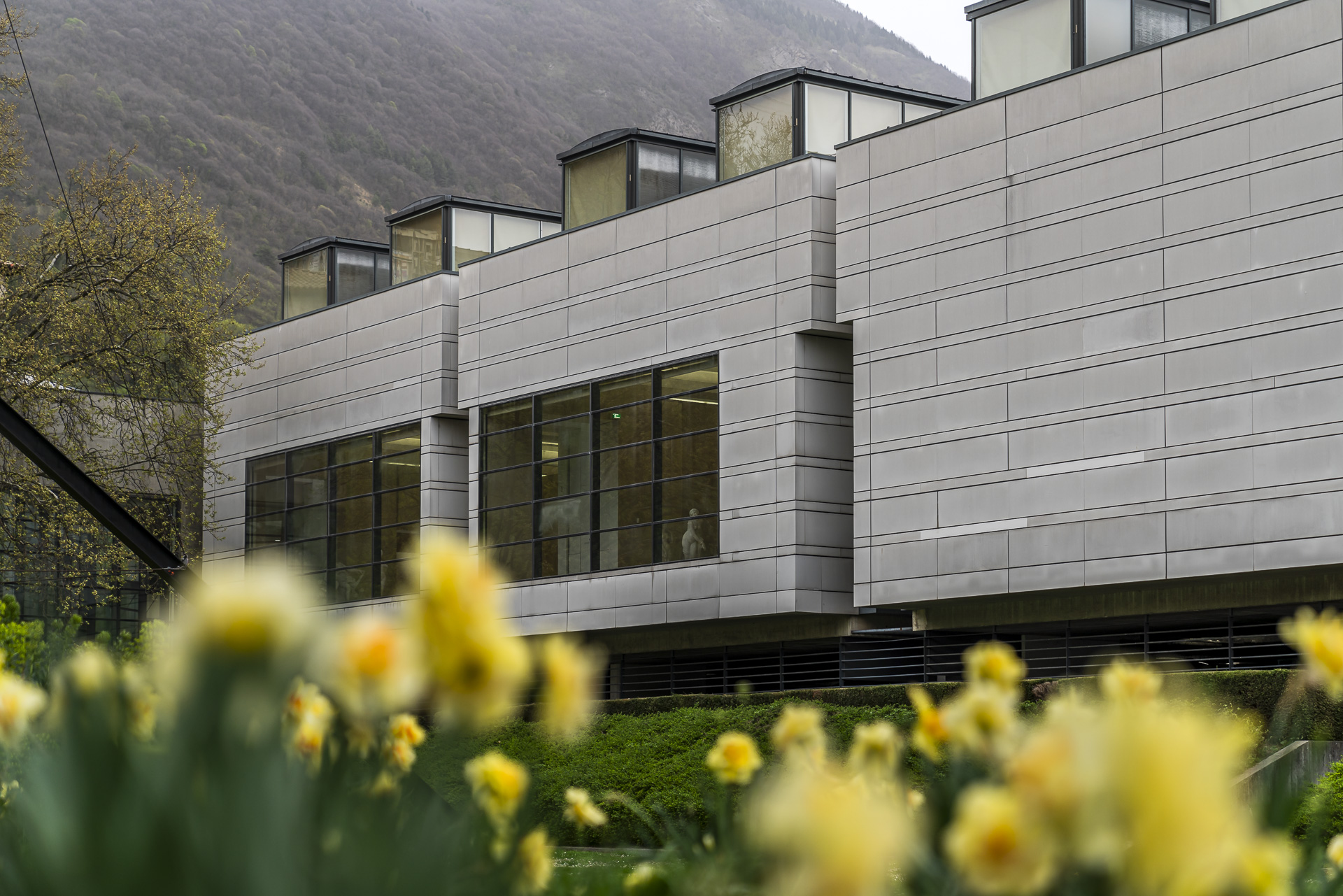
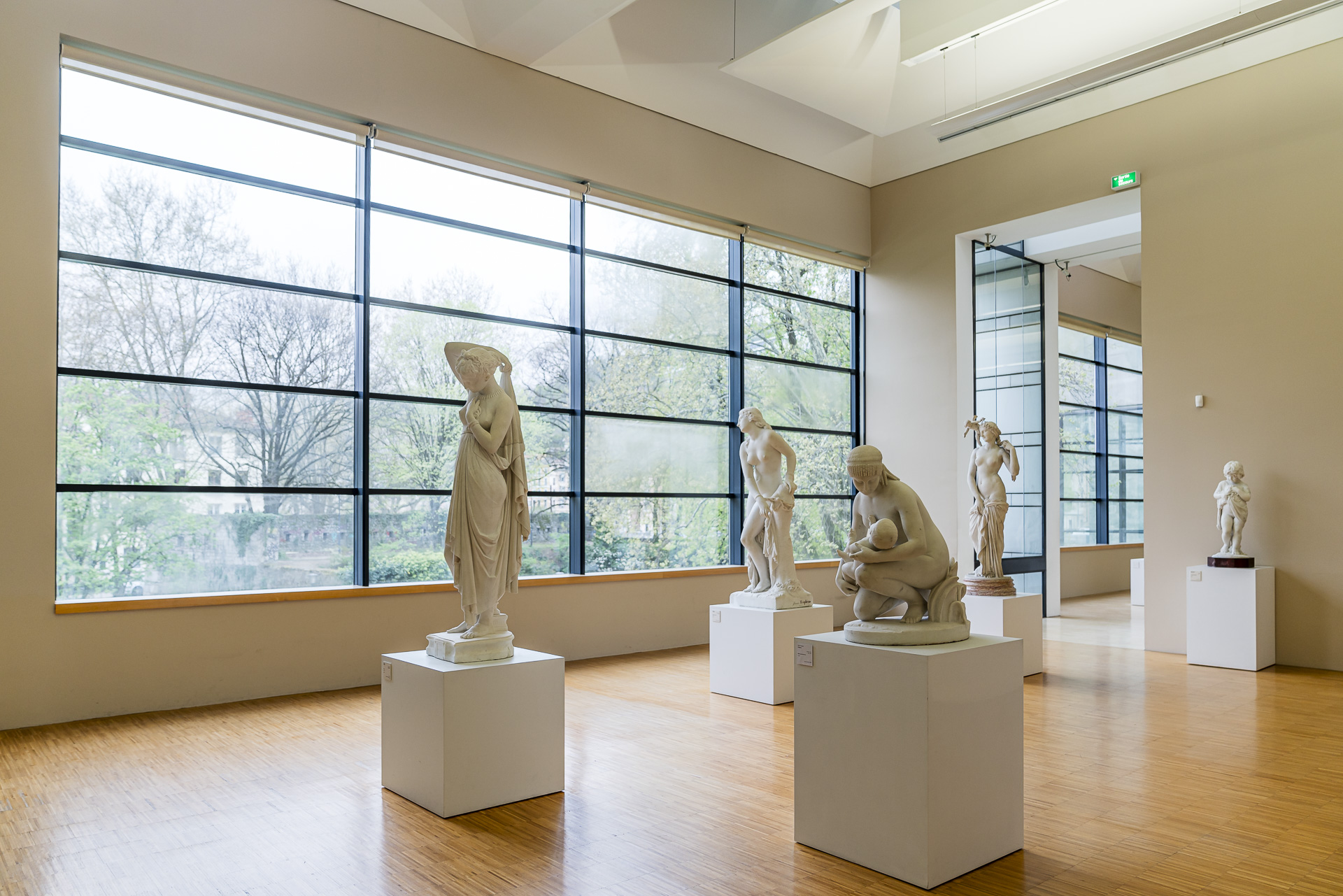
Founded in 1798, the Musée de Grenoble is one of France’s most important art museums and is particularly known for its extensive and prestigious collection of modern and contemporary art. The temporary exhibitions also regularly include highlights with international reach. Since the early 1990s the museum has been housed in a modern building on the Place de Lavalette, directly opposite the Quartier Saint Laurent. A visit here is definitely worthwhile. Around the museum, about 15 modern sculptures can also be seen on the Esplanade François-Mitterrand and in the Parc Albert-Michallon.
Good to know: The Musée de Grenoble is open Wednesday through Monday from 10:00 to 18:30 (Tuesday closed). Further information can be found here: Musée de Grenoble
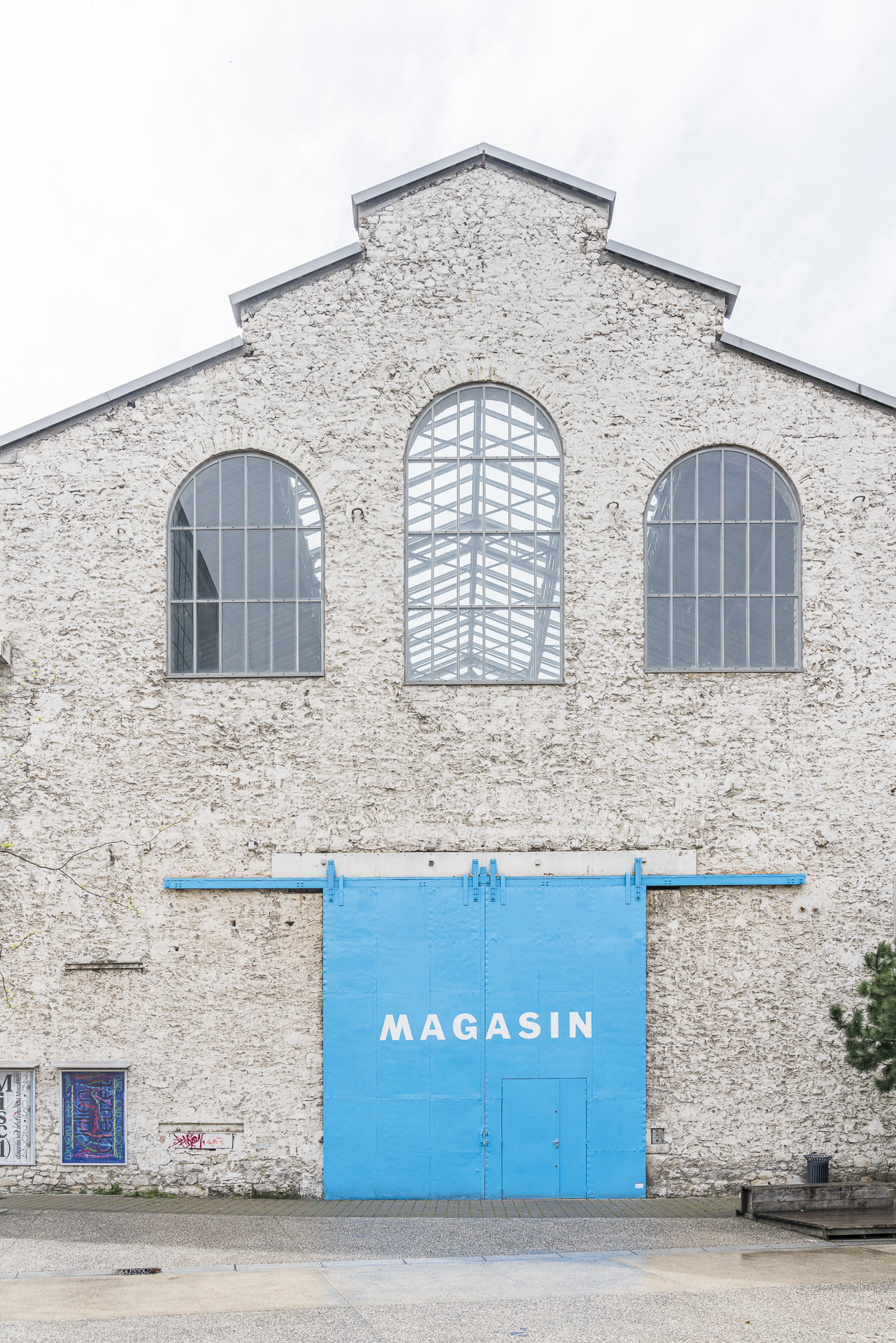
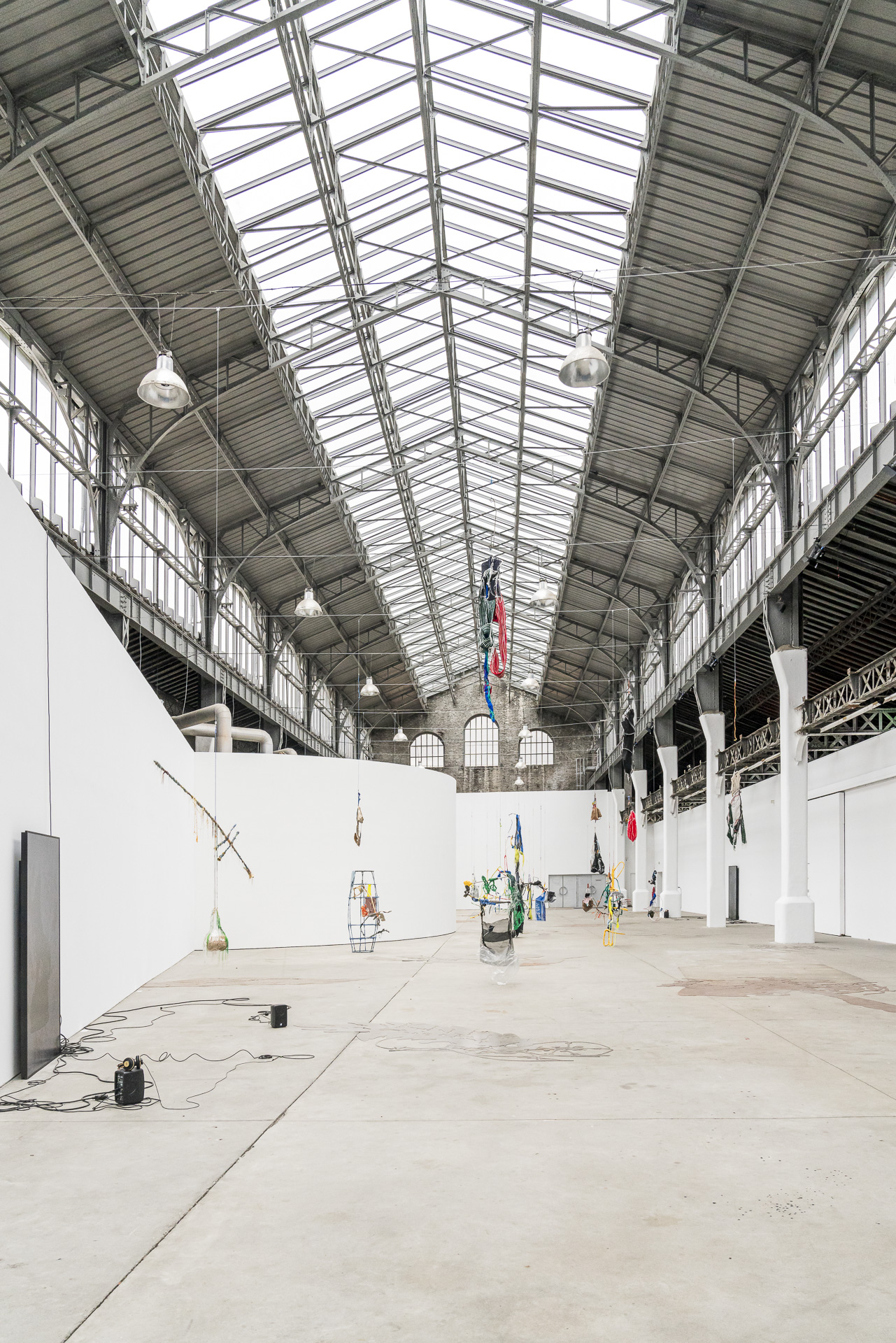
West of the train station, on the banks of the Drac, the second river that flows through Grenoble, is Le Magasin. The center for contemporary art (CNAC) is housed on a former industrial site, and in my opinion a detour there is worthwhile just to see the impressive exhibition spaces.
Good to know: Le Magasin is open Wednesday through Sunday from 11:00 to 19:00 (Monday and Tuesday closed). Further information can be found here: Magasin CNAC
7. Learn more about the city’s eventful history
History enthusiasts should not miss visiting the Musée de la Résistance et de la Déportation on Rue Hébert. The museum is dedicated to the history of the French Resistance, particularly in the region around Grenoble. Through photos, films, contemporary documents and personal items it vividly demonstrates how resistance, repression and liberation were intertwined during World War II. The visit is worthwhile because the museum provides an in-depth insight into Grenoble’s eventful history. In addition, admission to all 11 museums run by the Département Isère is free year-round — this is one of them.
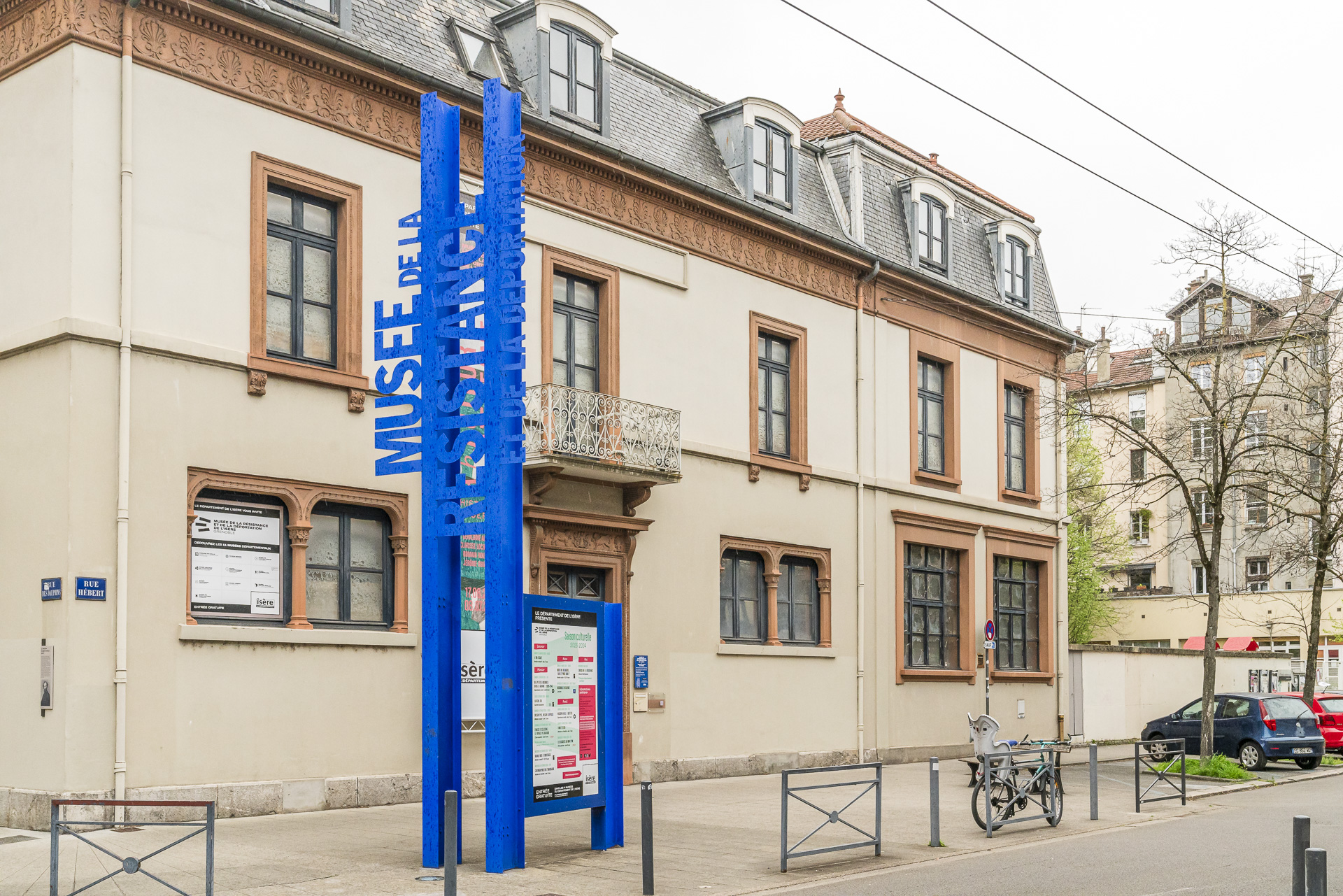
Good to know: The Musée de la Résistance et de la Déportation is open Tuesday through Sunday from 10:00 to 18:00 (Monday closed). Further information can be found here: Musée de la Résistance et de la Déportation
8. Indulge in the savoir-vivre
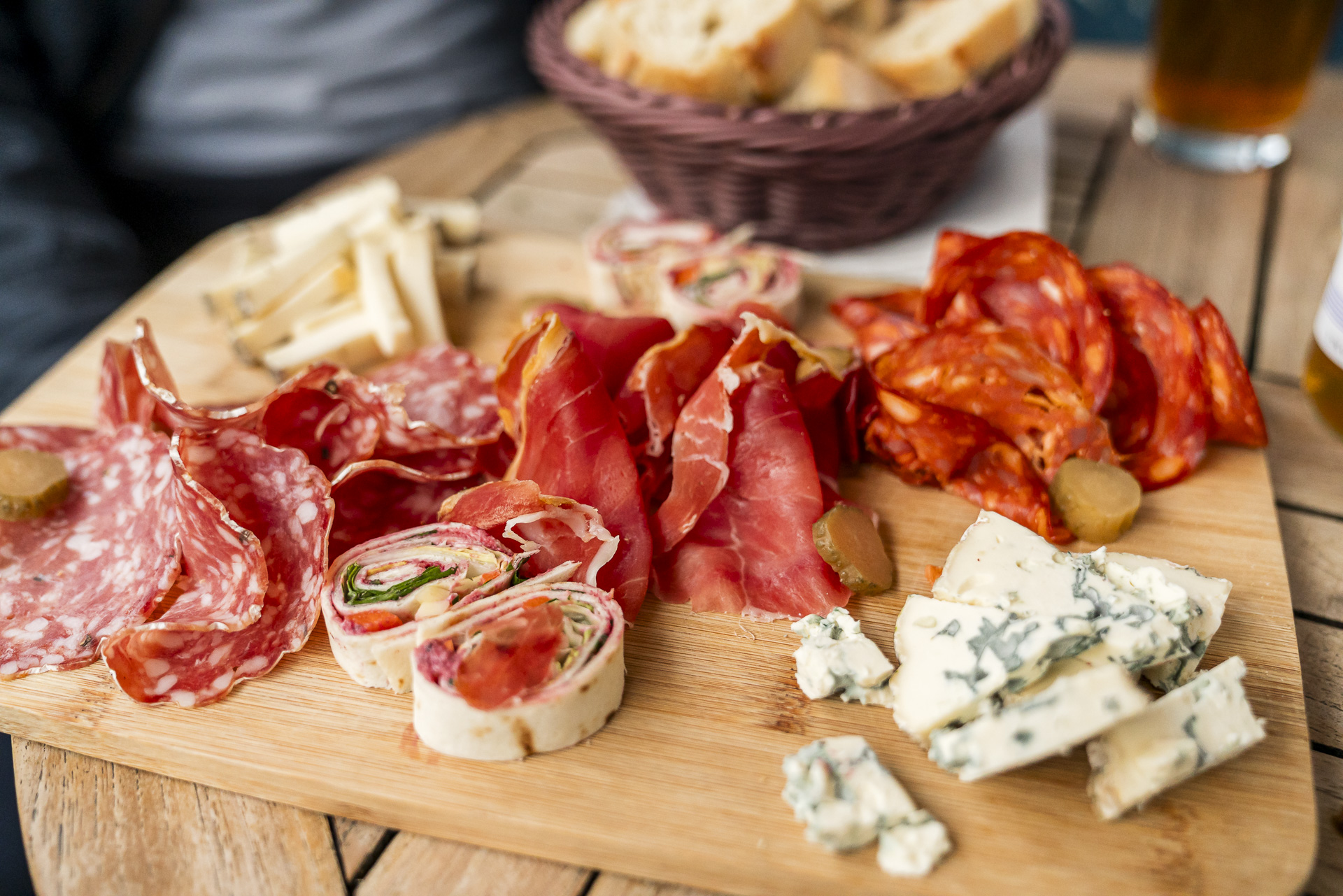
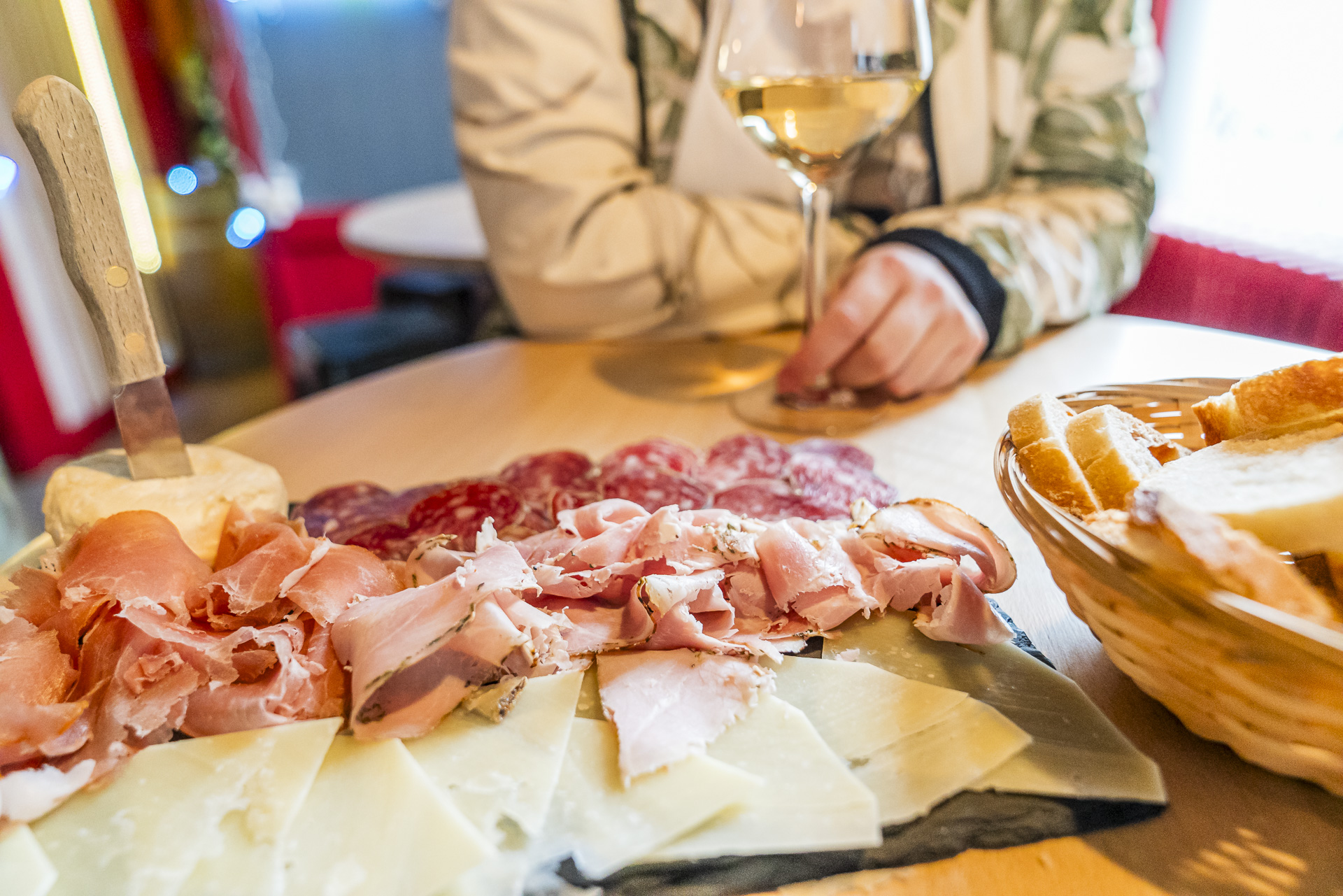
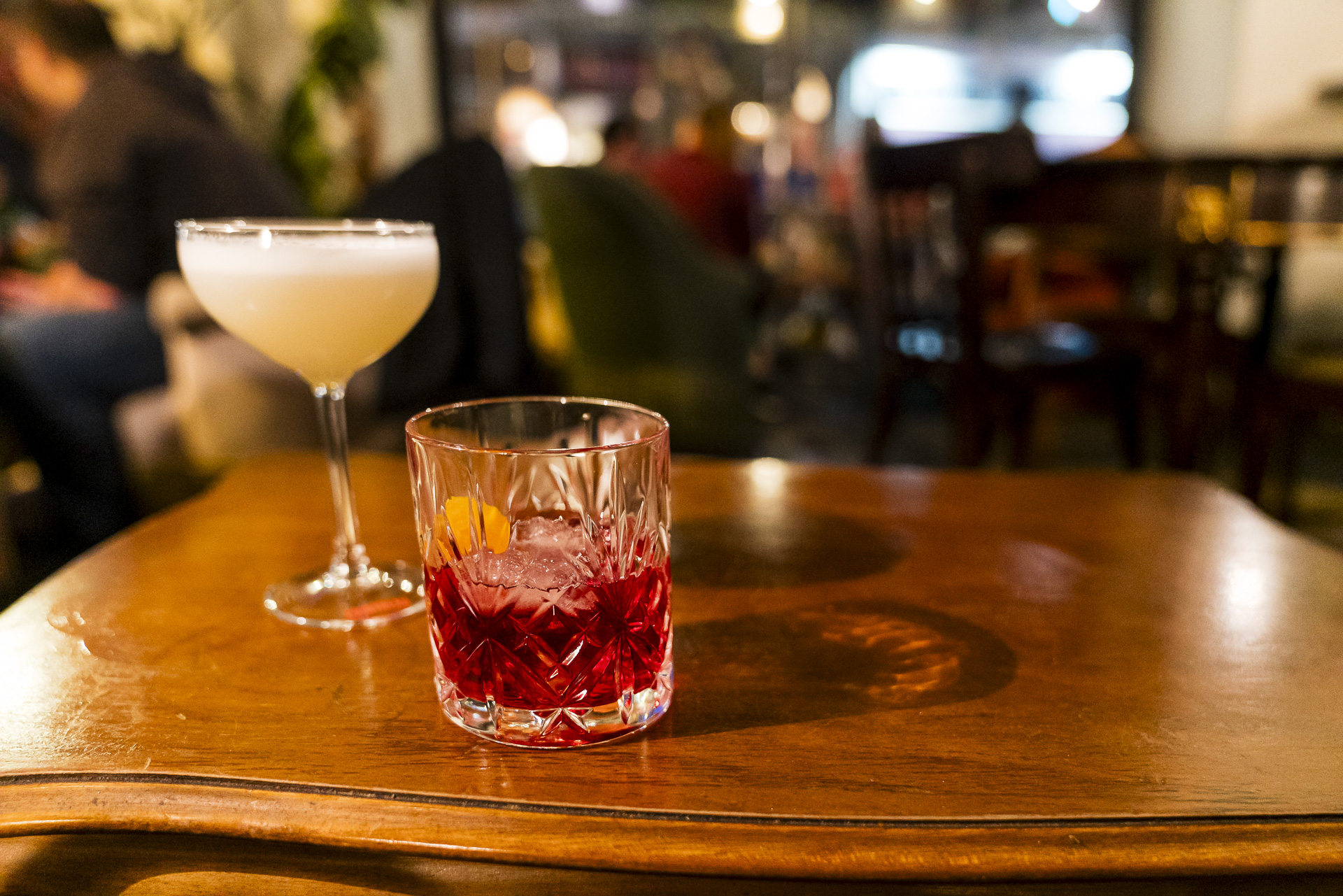
In Grenoble itself the culinary scene is modest and — apart from tip no. 9 — in my view not the decisive reason to visit Grenoble. For example, the town situated a bit closer to Switzerland, Annecy offers more highlights. Nevertheless, Grenoble also has some nice small restaurants and wine bars, such as the Influences Southwest near the train station, which is perfect for an extended apéro. And fans of inventive cocktails should add the cocktail bar Blind Pig to their list.
9. Plan a culinary excursion to Uriage-les-Bains
As I said, for all the foodies among you I still have a hot tip in the Grenoble area; namely the Maison Aribert (affiliate link) in Uriage-les-Bains. Local star chef Christophe Aribert realized a dream here and, in the spa town about 15 kilometers from Grenoble, extensively renovated a once-abandoned 19th-century villa and added a modern, sustainably designed annex.
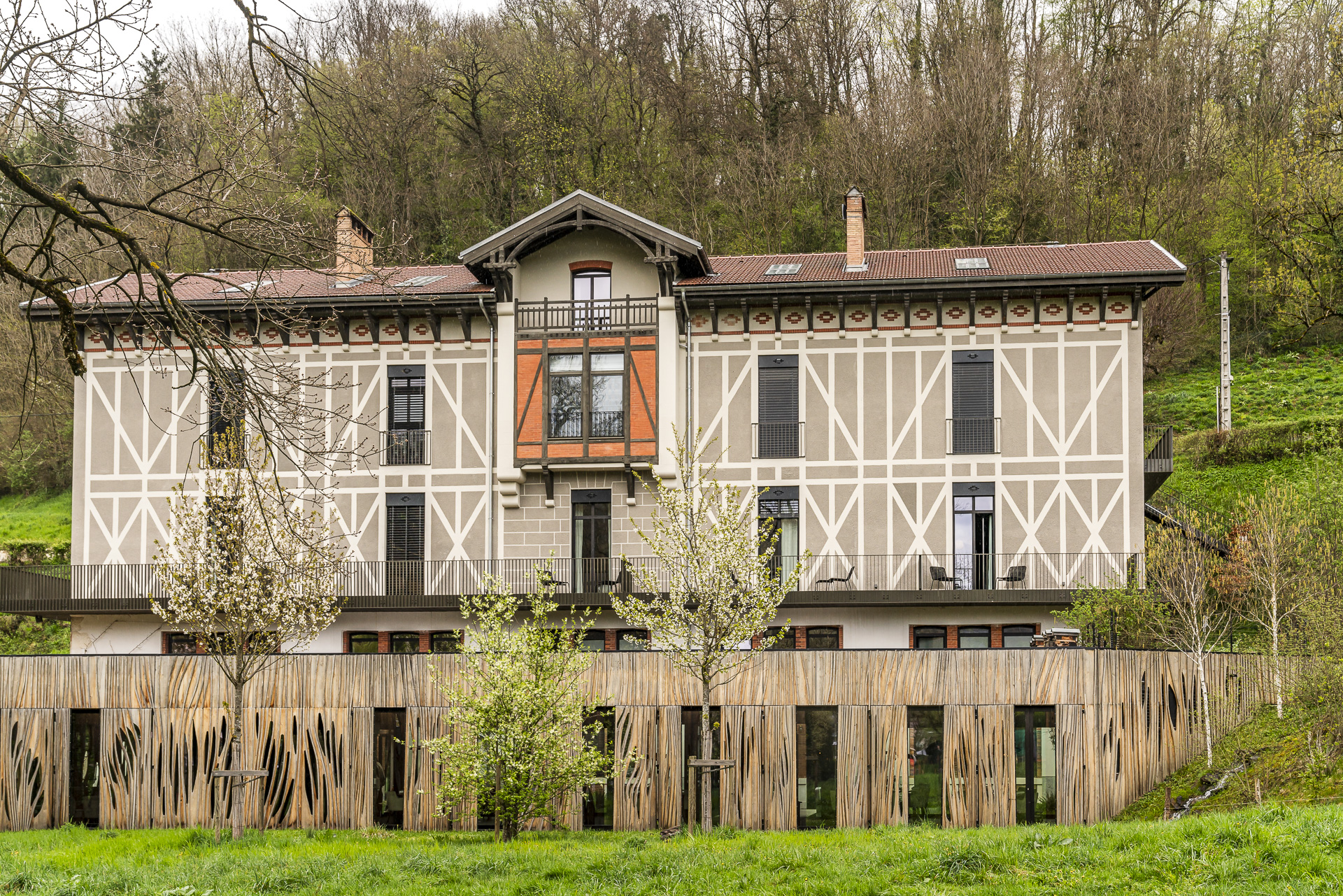
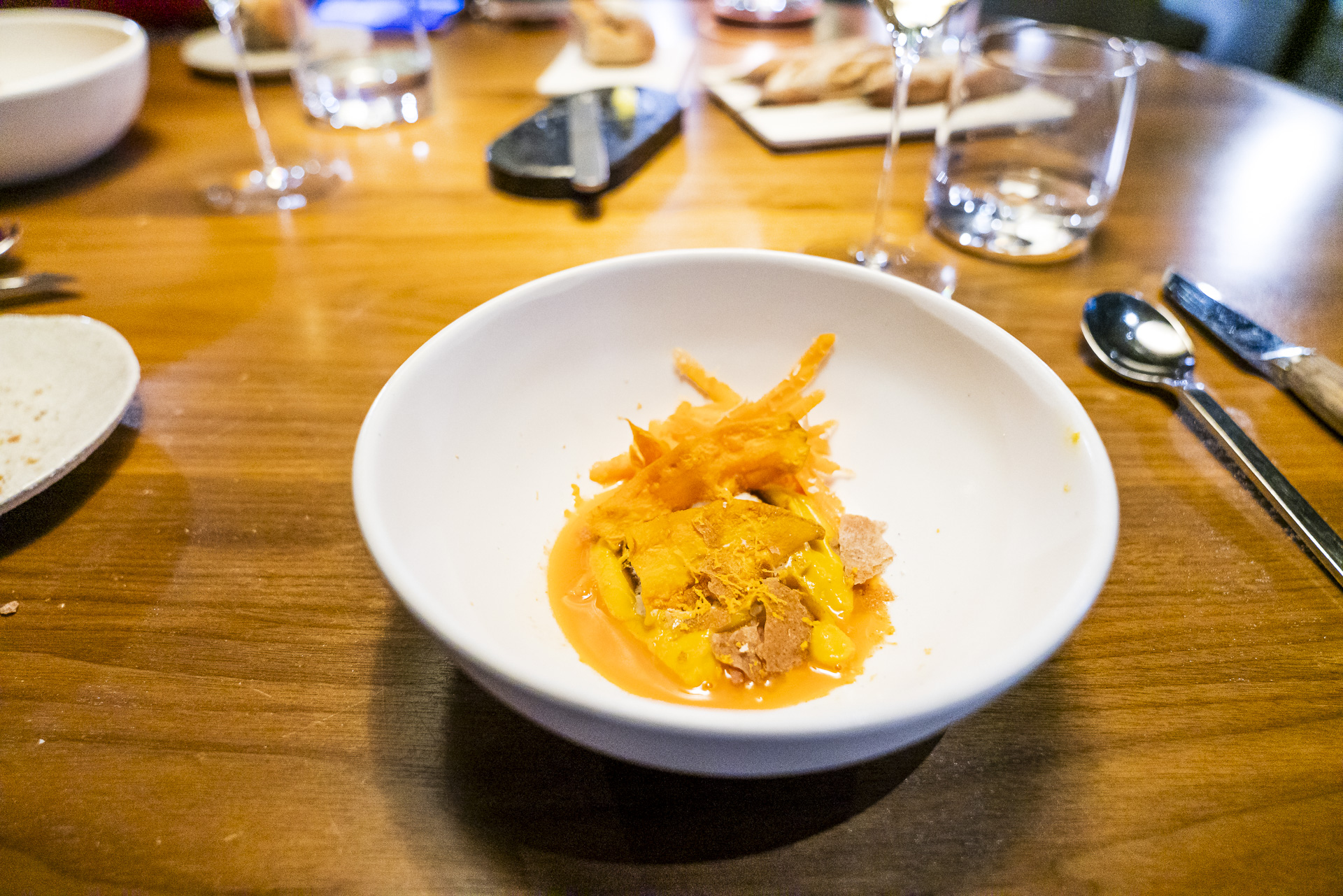
Today, the Maison Aribert combines haute cuisine with a consistently ecological overall concept: dishes are prepared with seasonal, regional ingredients, often from its own garden or from local producers. We checked into one of the five suites for a night and enjoyed an excellent menu that same evening at the restaurant, which has been awarded two Michelin stars. Definitely a place to note for your next culinary getaway.
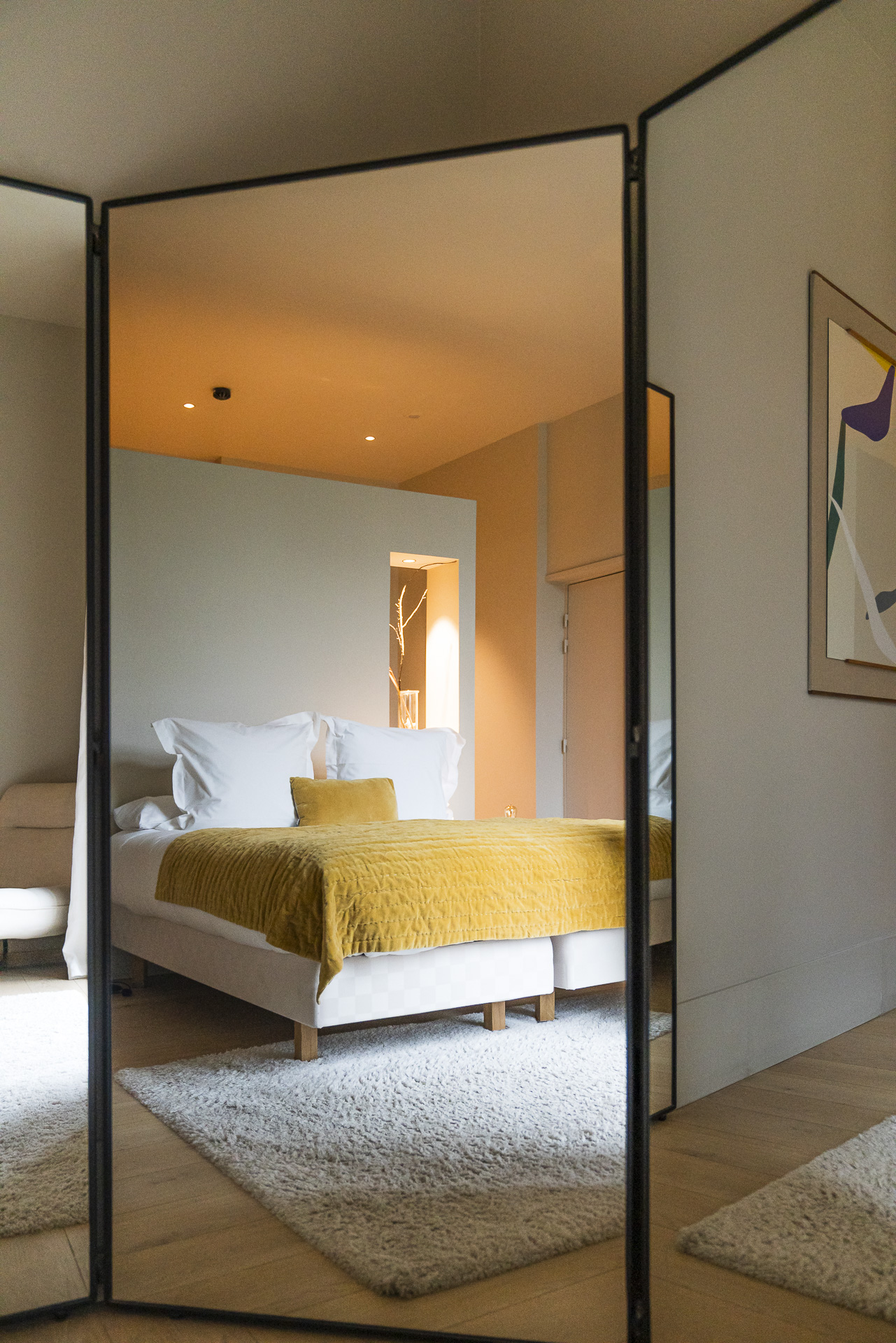
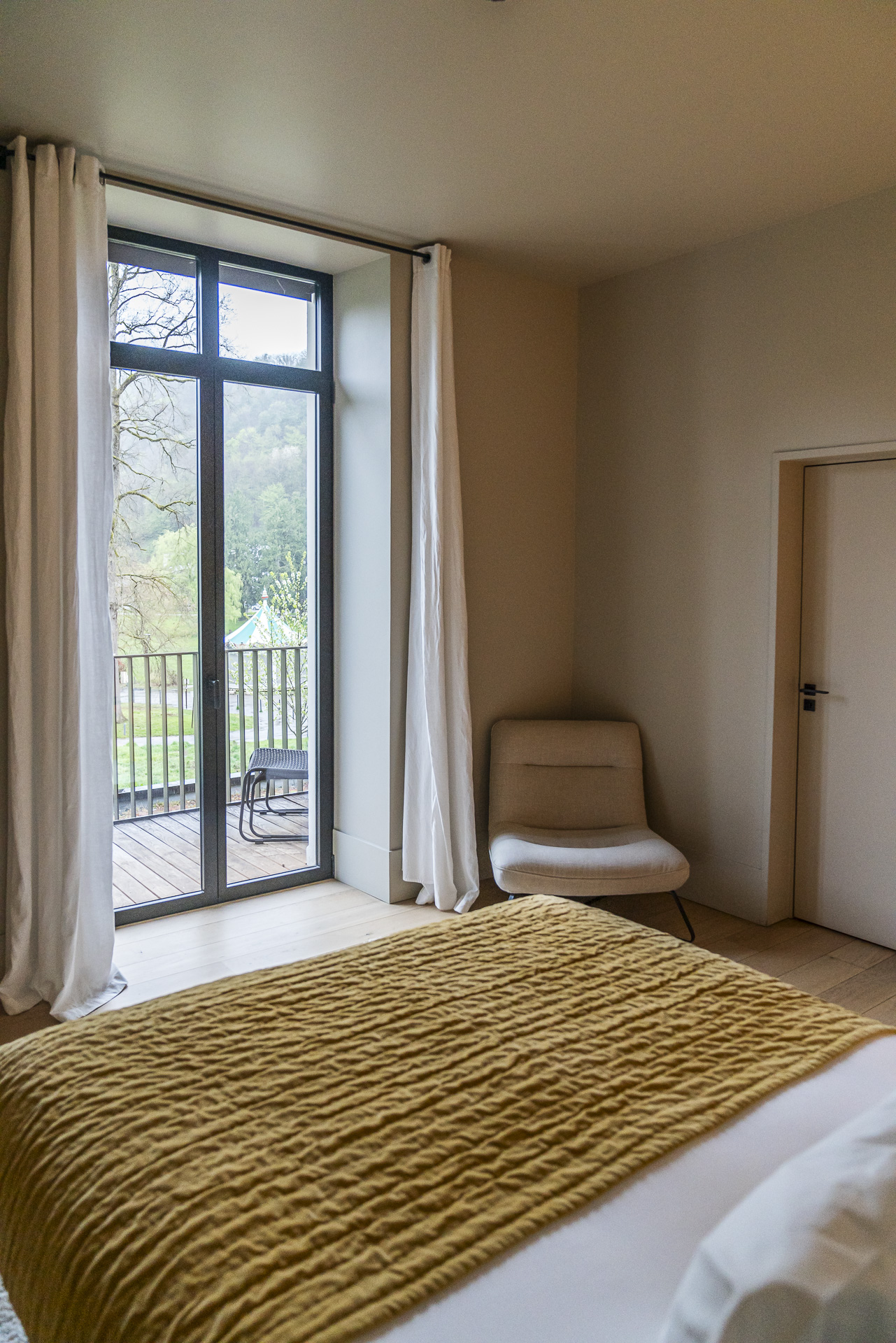
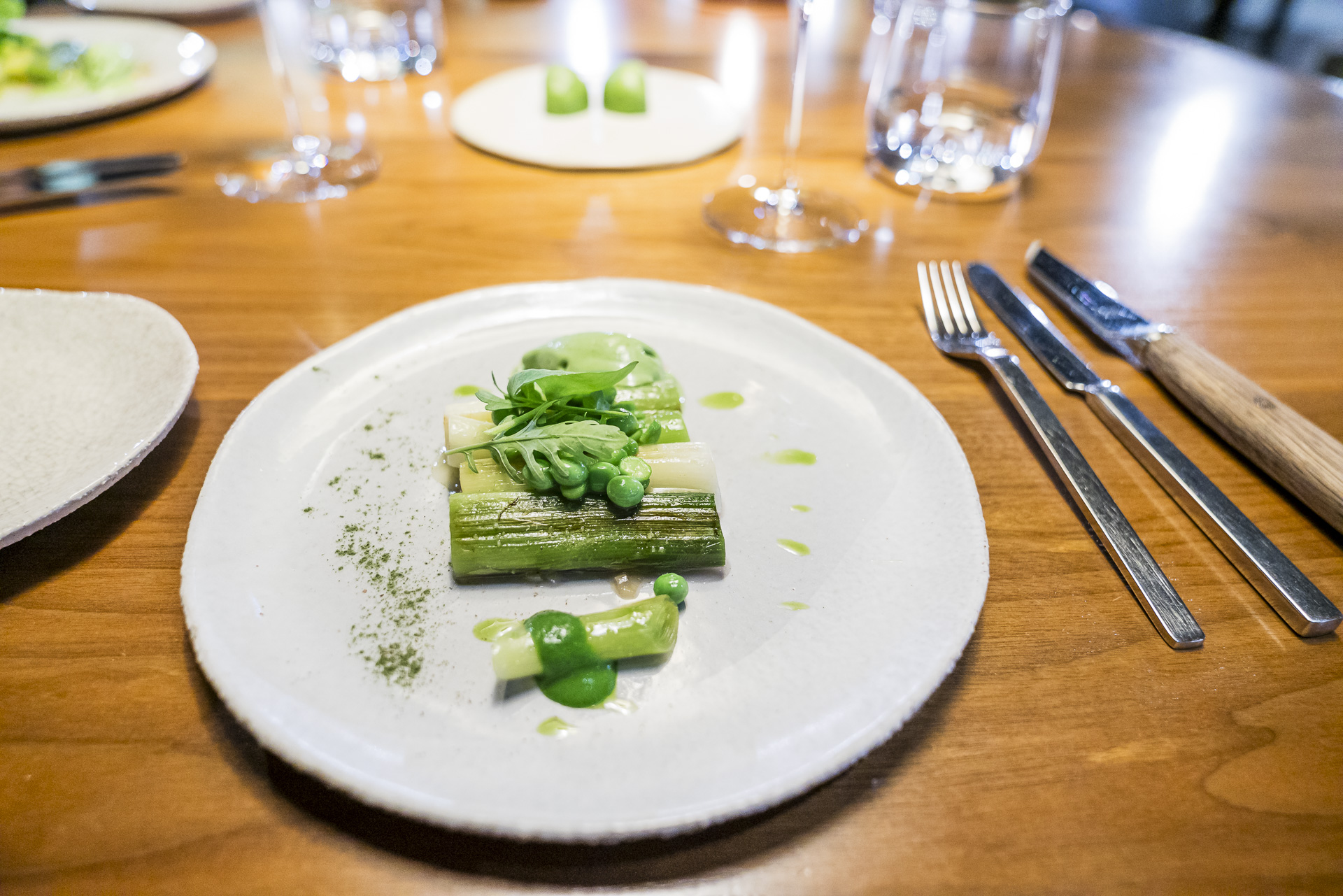
Good to know: From the Bibliothèques Universitaires tram stop you can reach Uriage-Les-Bains in 20 minutes by bus No. 23.
Extra tips for your trip to Grenoble
- What’s the best way to get to Grenoble?
We traveled from Zurich by train via Geneva to Grenoble. With one transfer in Geneva the journey from Zurich takes around 6 hours.
- When is the best time to visit Grenoble?
Grenoble’s special location is particularly apparent in the summer months. I therefore recommend visiting between late March and late October.
- How many days should I plan for Grenoble?
The main sights can easily be explored in one day. If you also want to take time for museum visits, two days are ideal. Thanks to its location in the middle of the Alps, Grenoble is also an excellent base for trips and hikes into the surrounding mountain regions.
- Where to stay in Grenoble?
We found the hotel selection in Grenoble rather modest and therefore tested two accommodations right away: the Maison Barbillon near the train station and the RockyPopin the city center (affiliate links). Both were fine. The RockyPop is a bit more centrally located for exploring Grenoble on foot. In terms of style, however, we liked the Maison Barbillon a little better. Price-wise the two are comparable — in both, overnight prices for a double room without breakfast start at around 85 CHF.
Leave a Reply