



Mecklenburg-Western Pomerania: 9 Special Day Trip Destinations and Nature Experiences
Advertisement: Article in cooperation with the German National Tourist Board (DZT)
Does that sound familiar: The more often you travel to a region, the more ideas pop up about what you could discover and experience next time. That’s exactly how it was for me with my previous trips to Mecklenburg-Vorpommern. In 2021 we spent a week on the road and explored Rostock, Stralsund and Greifswald.Schwerin,to the Fischland-Darß-Zingst peninsula and to the islands of Usedom and Rügen.
During a moonlight hike from the Baltic Sea resort of Binz on Rügen to the Granitz hunting lodge, I first heard about Putbus. After seeing a few pictures of the neoclassical residential town that Prince Wilhelm Malte I had laid out in the 19th century, I knew: I had to see it too! A good reason to travel to Mecklenburg-Vorpommern for the third time this year and to scout out more day-trip destinations and nature experiences.
From my tour this year I’ve brought tips for active nature experiences and special places to stay. Between Warnemünde, Rügen and the Peene valley, you can travel on foot, by bike, under sail or by canoe through the region’s diverse coastal and river landscapes of Mecklenburg-Western Pomerania.
1. Check in at Warnemünde’s 1970s landmark
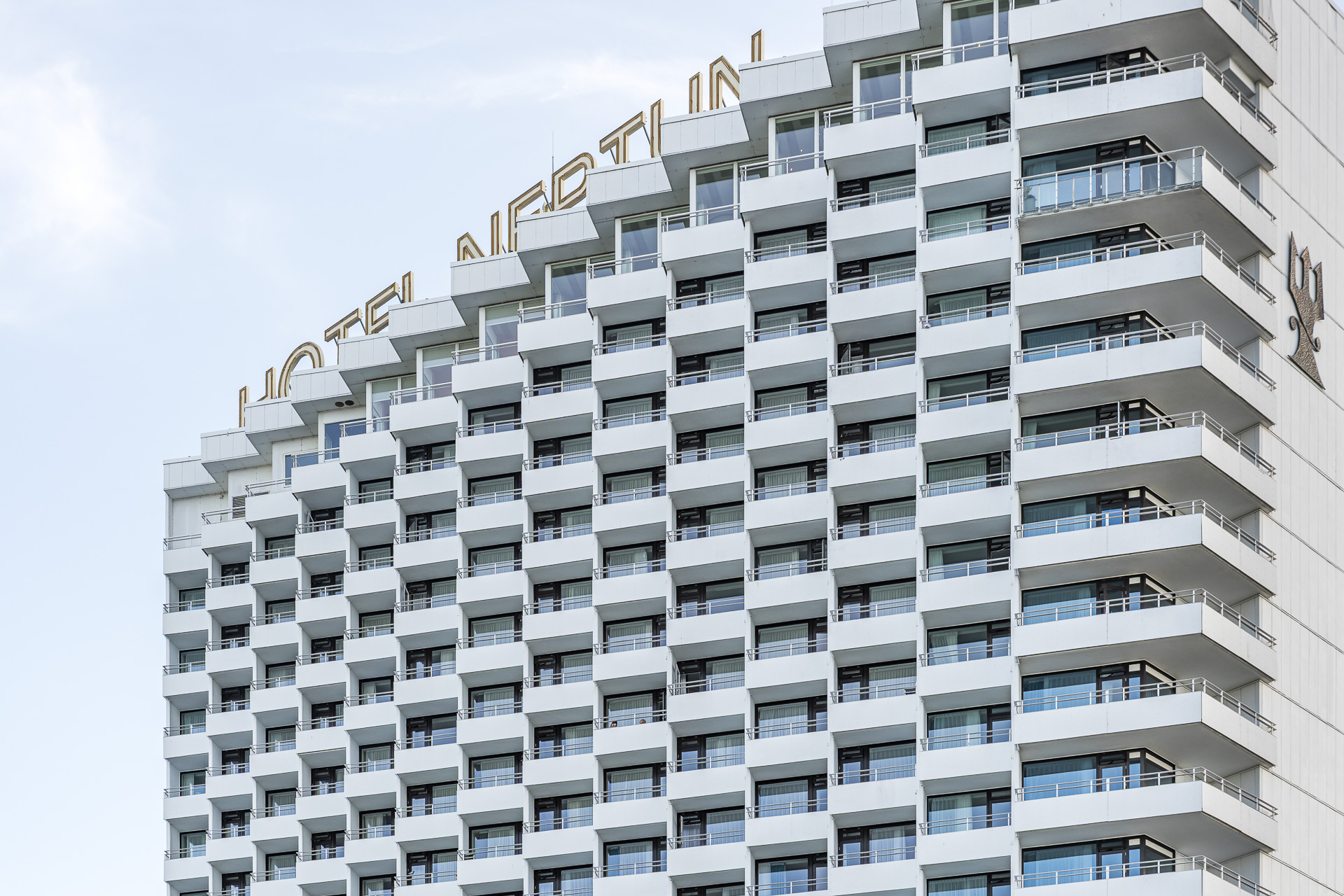
To start, there’s a truly iconic place to stay on the agenda: the Hotel Neptun in Warnemünde. Opened in 1971, the 64-meter-high building shapes the silhouette of the Baltic seaside resort and surprises with its thoughtful architecture. All 338 rooms have their own balcony with sea views.
Already in 2021 we made a stop here and sought refuge from the rough Baltic weather in the Broiler-Bar on the ground floor. This time the weather shows its best side: a magnificent sunrise with sweeping views over the wide sandy beach, the roofs of Warnemünde and the harbor entrance provides a perfect start to the day.
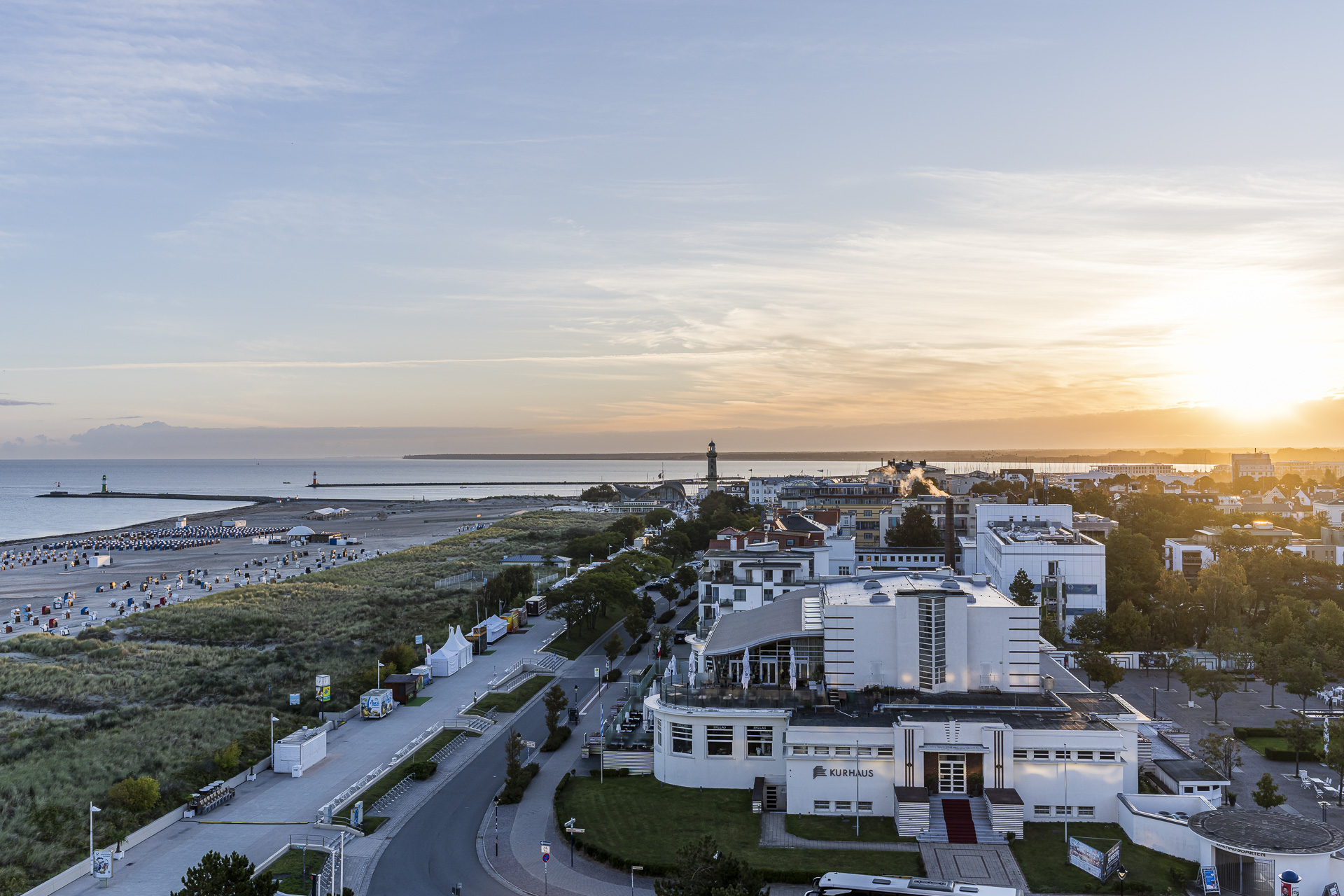
The hotel is located directly on the beach promenade. From here it’s only a short walk to two of Warnemünde’s best-known landmarks: the Teepott with its distinctive shell-shaped roof and the historic lighthouse.

Tip: Another good reason to stay overnight at the Hotel Neptun is the generous spa area with Germany’s first original thalasso center. What’s special about it: already during the hotel’s construction in the early 1970s a sophisticated piping system was installed that brings fresh Baltic Sea water directly into the building. This is still used today for the seawater pool and various thalasso treatments. If you want to treat yourself to some relaxation after an active day on the Baltic Sea, you shouldn’t miss such a treatment – I was able to see for myself!
2. Cycle through the Rostock Heath to Markgrafenheide
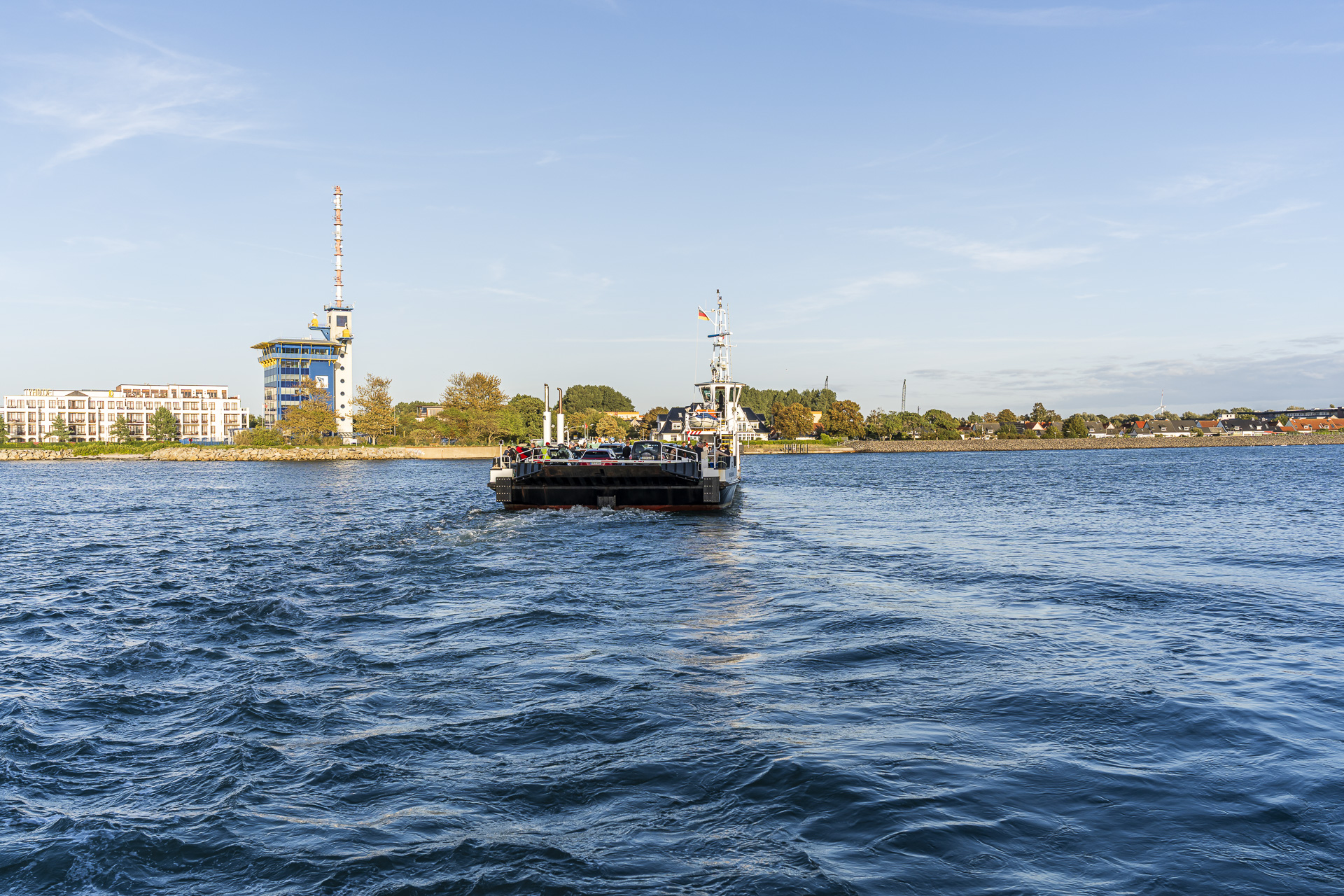
While on our last visit to Warnemünde we cycled westward to the ‘Ghost Forest’ Nienhagen, this time we’re heading in the opposite direction. With a rental bike from the Hotel Neptun I ride to the Warnemünde ferry terminal and board the ferry across the Warnowto Hohe Düne. The crossing takes only a few minutes, and bringing a bicycle is completely uncomplicated.
On the other side of the Warnow I follow the bike path set back from the main road toward Markgrafenheide. Here begins the Rostocker Heide, which stretches along the Baltic Sea coast as far as the area around Graal-Müritz. At around 6,000 hectares it is one of the largest contiguous coastal forest areas in Germany. Its history is also remarkable: as early as 1252 the Hanseatic city of Rostock purchased the forest area from Prince Heinrich Borwin III and remains the owner of large parts of it to this day.
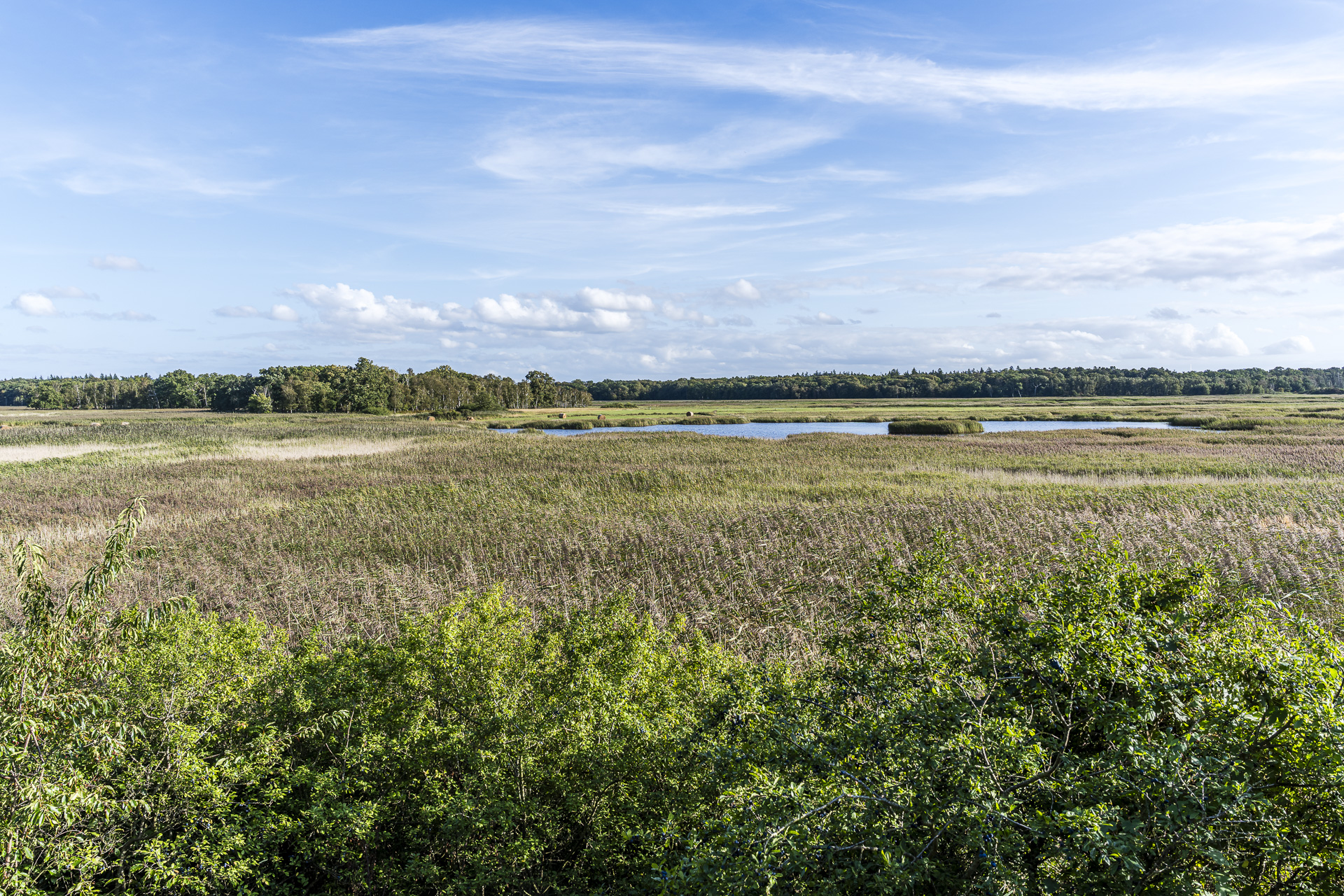
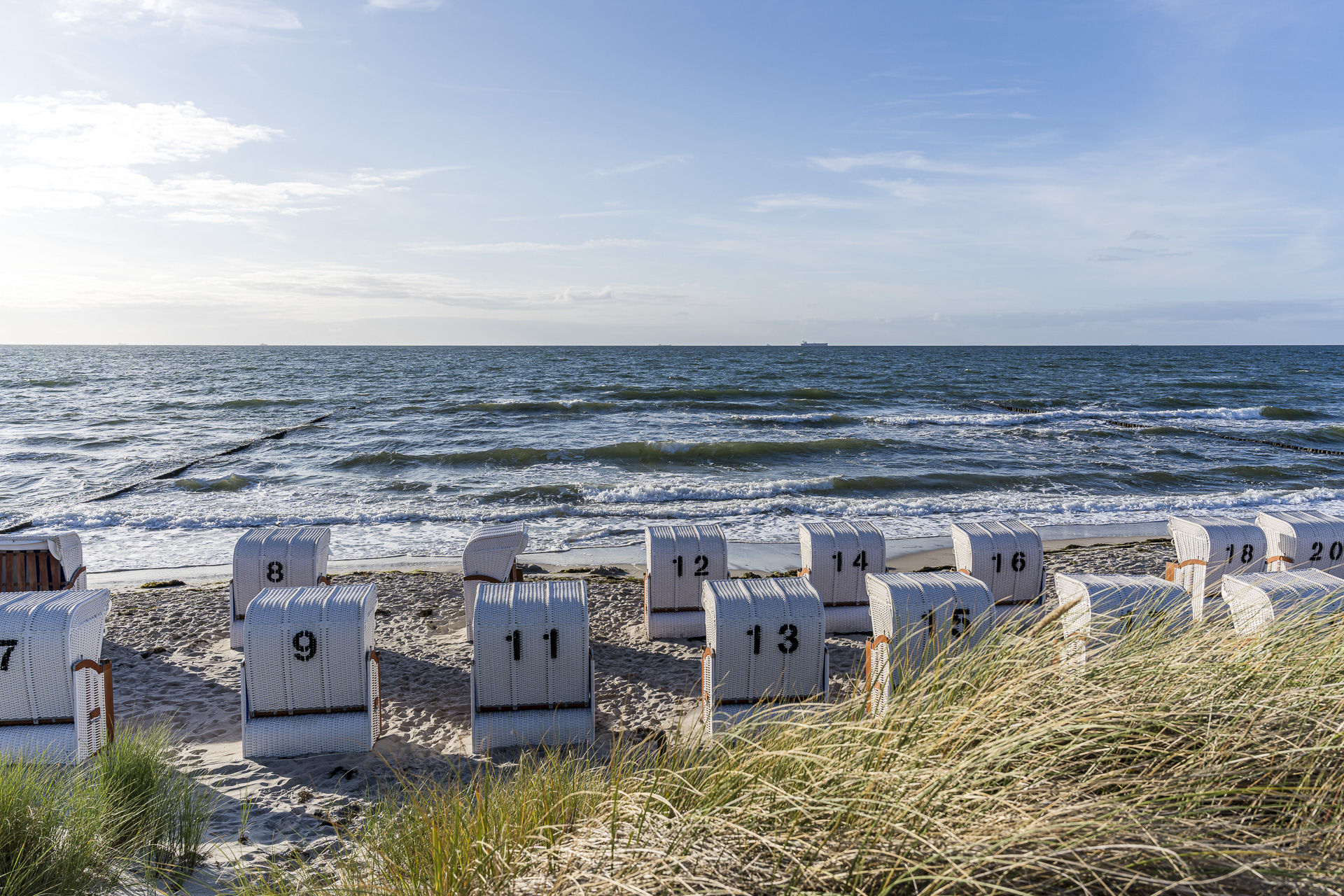
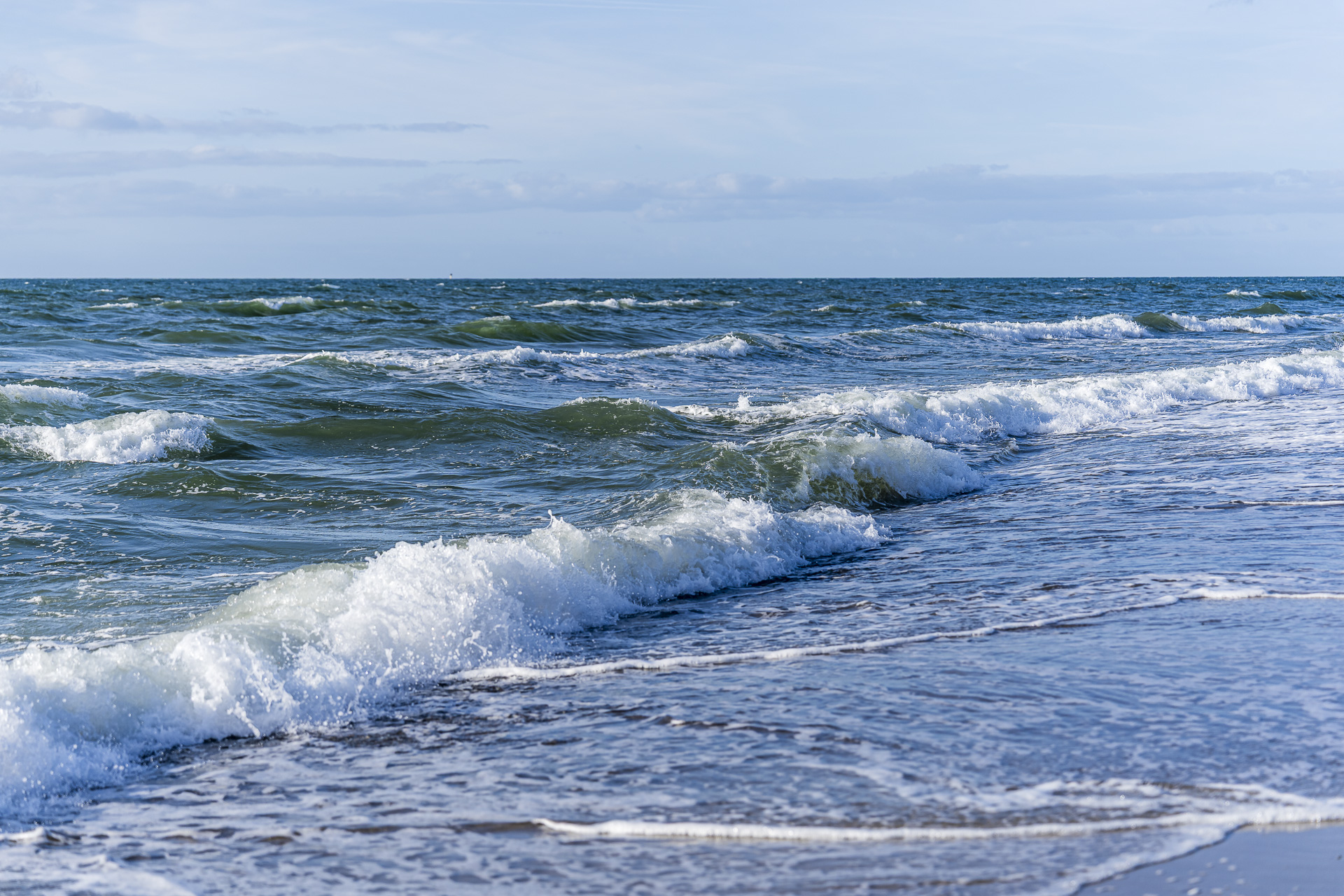
Along the way it’s worth taking a detour to the Aussichtspunkt am Radelsee. From here the view opens over the adjacent wetlands, where with a bit of luck you can also spot cranes. After that I head on to the Baltic Sea beach at Markgrafenheide. While a few beach chairs still sit in the sand at the StrandResort, it becomes increasingly quieter toward the east. Here stretches a wide, seemingly endless sandy beach, lined with dunes and coastal forest.
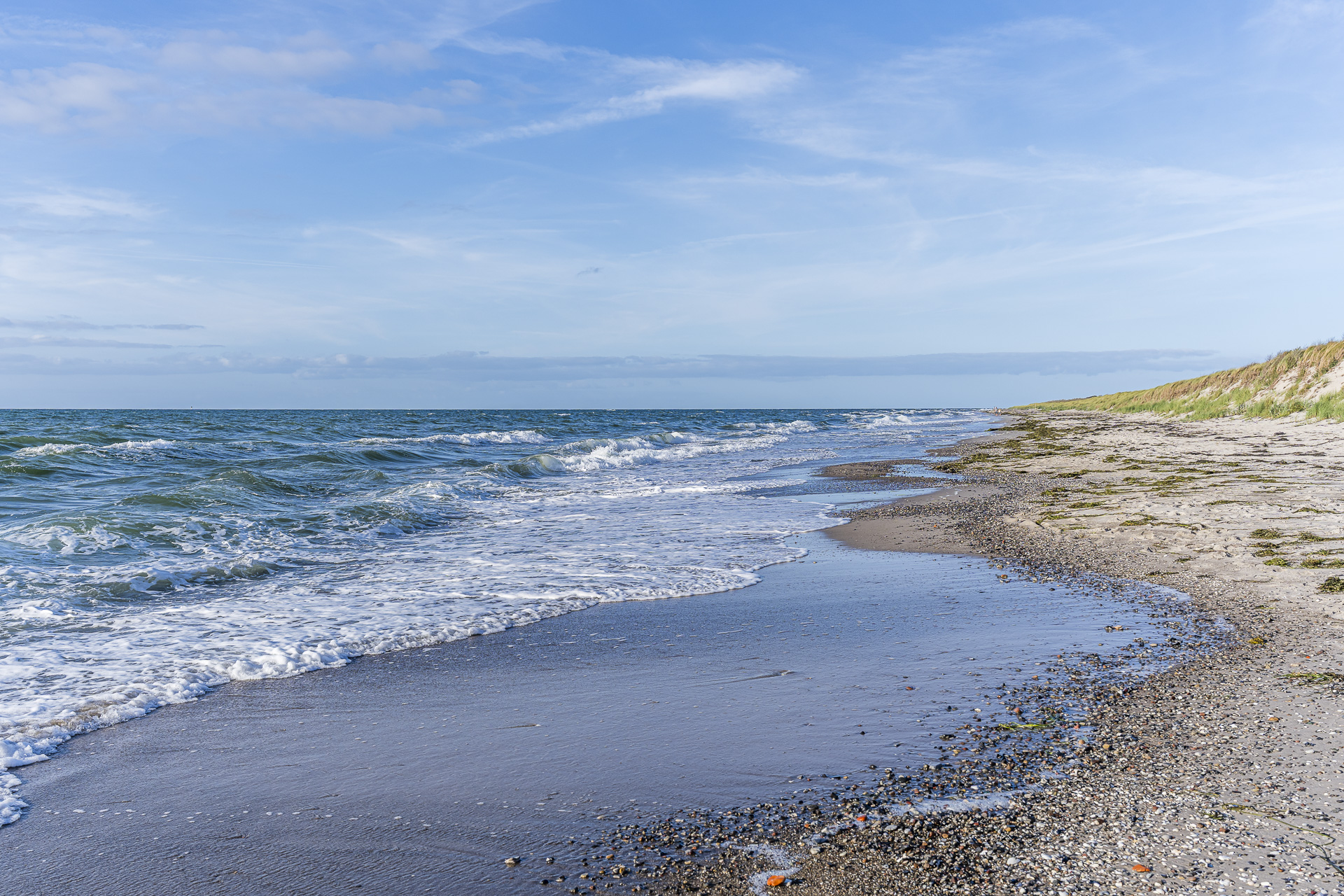
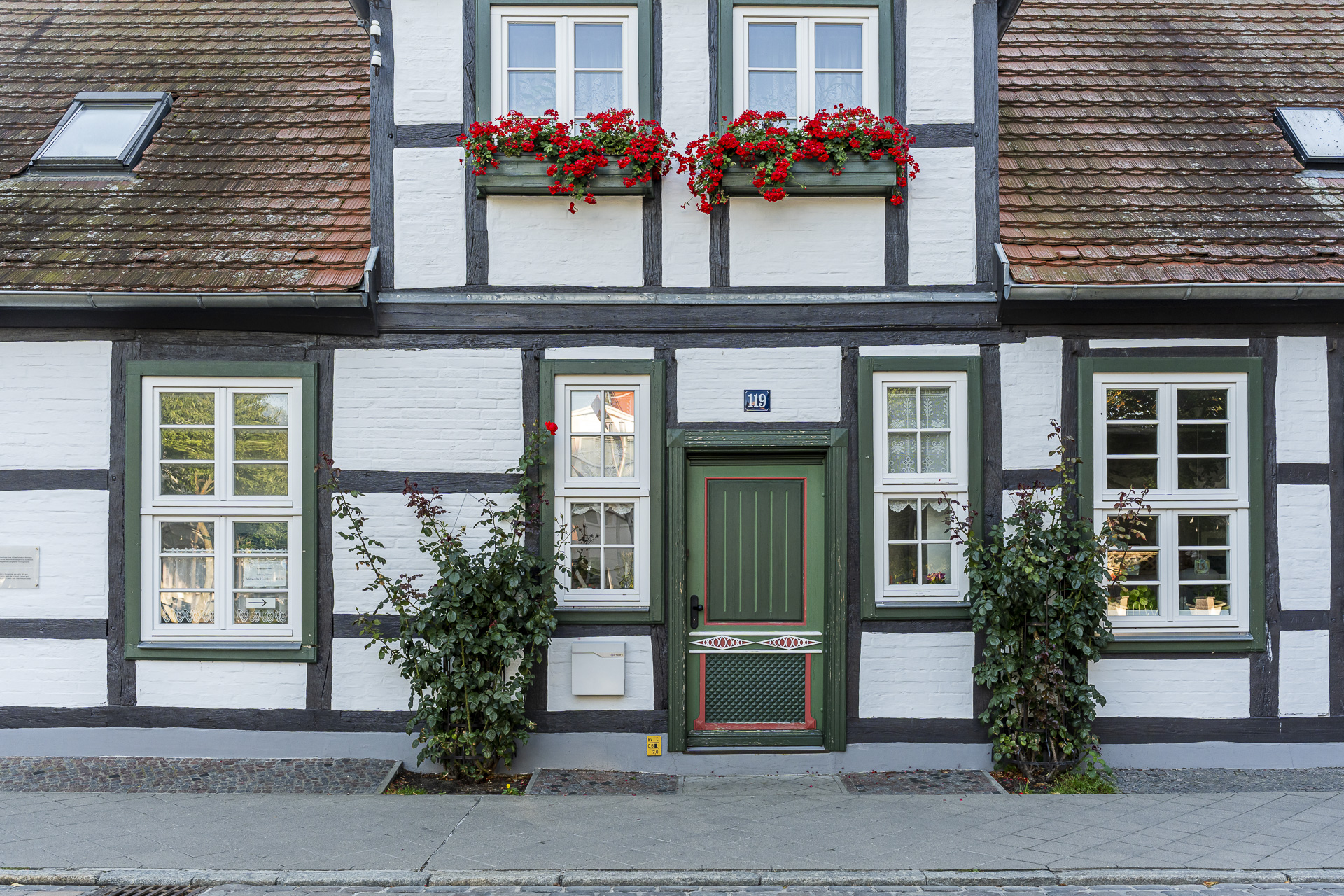
Back in Warnemünde I use the dusk for an extended stroll through the Alexandrinenstrasse, which runs parallel to the bustling promenade «Am Strom» runs. Here a lovingly restored, slightly askew gabled house stands next to another and evokes the time when Warnemünde was still a small fishing and harbor village. Slightly hidden, the lushly planted «Katergang» branches off, probably the narrowest alley in Warnemünde.
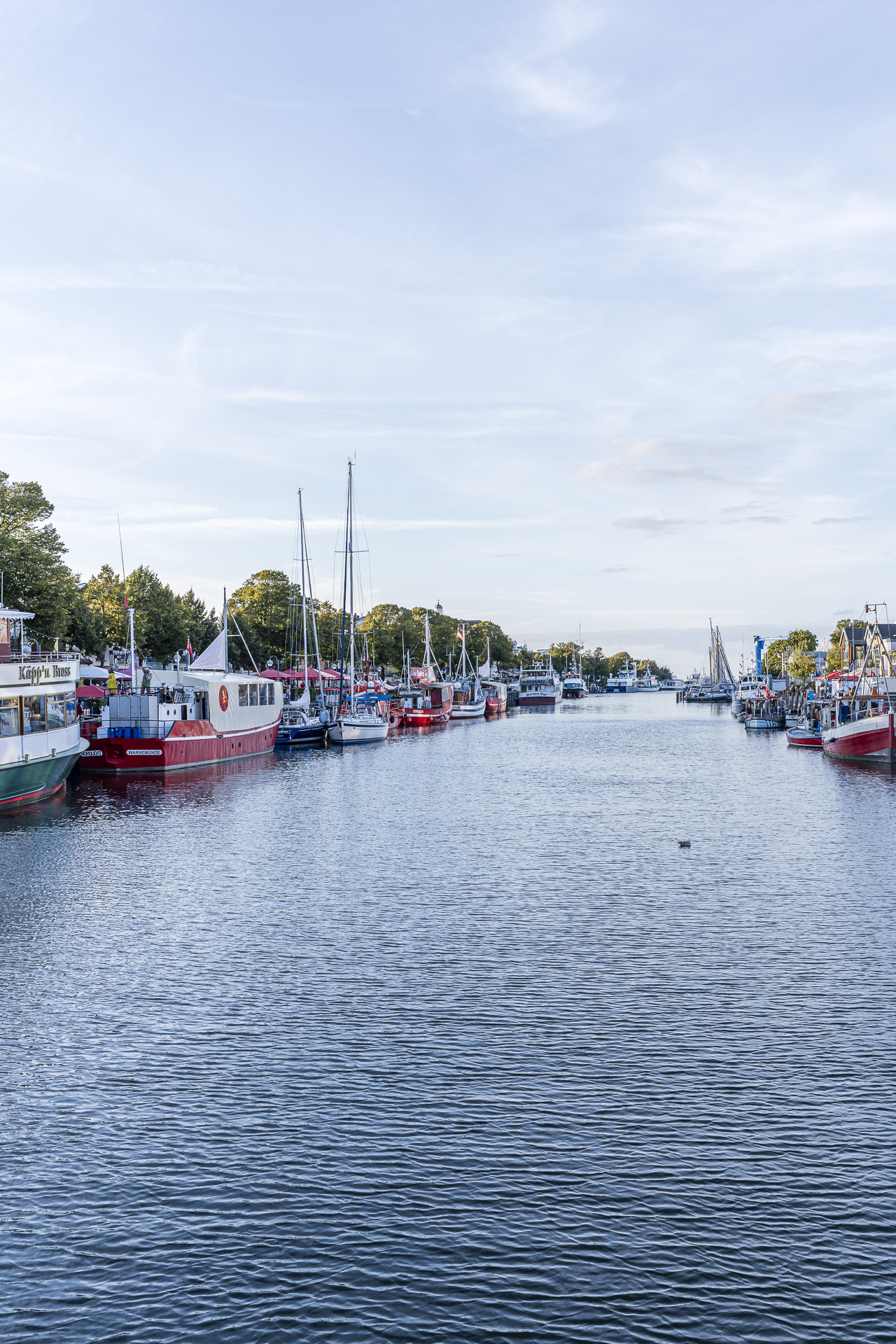


Tip: At the quiet southern end of the «Alten Strom» sits the restaurant «Zum Stromer». In the traditional dining room, whose history dates back to 1842, they serve seasonal cuisine made with regional ingredients. The fish dishes are particularly recommended. A table reservation is worthwhile.
3. Discover street art in Rostock’s trendy KTV district
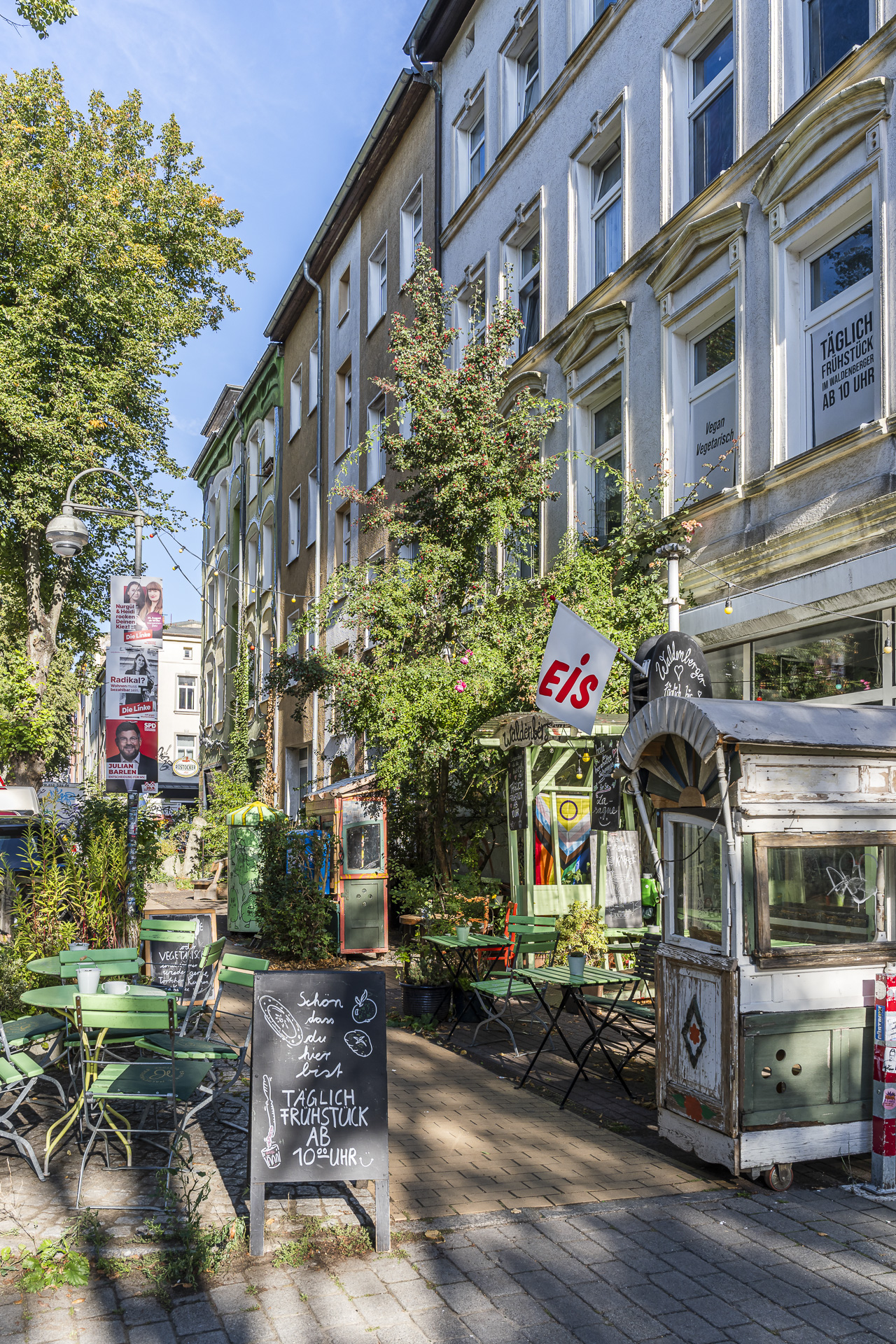
Before I continue on to Rügen the next day, I make a short stop in the Kröpeliner-Tor-Vorstadt, known as the KTV. The former residential and workers’ quarter from the Gründerzeit has developed into a lively Rostock cultural and hip neighborhood with small shops, cafés, pubs and lots of street art.
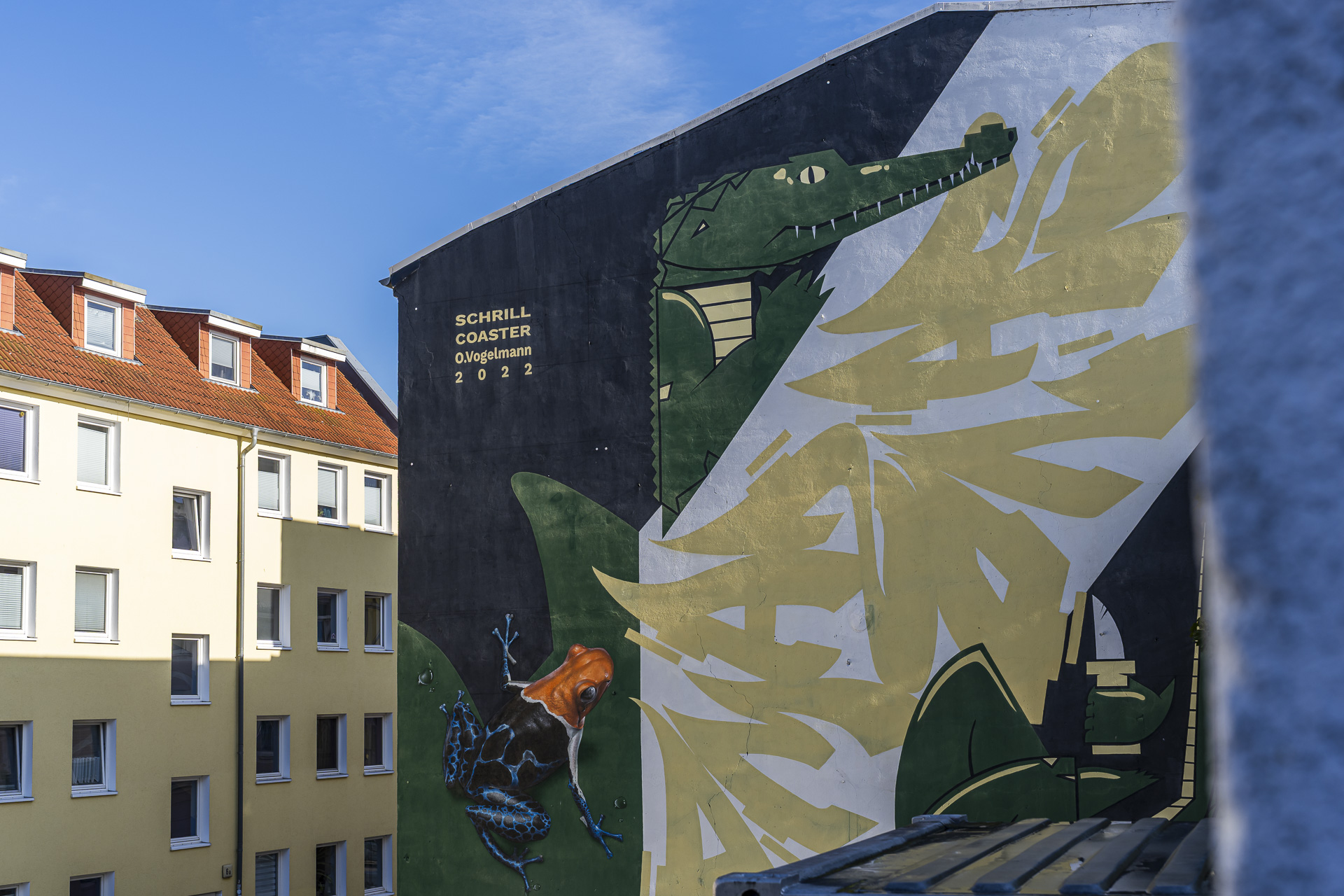
Among the street-art artists who have left their marks here is Sebastian Volgmann, aka “Schrill”. His figures with their distinctive pointed noses are easily recognizable. One of his façade designs can be seen, for example, at Ottostrasse 17.
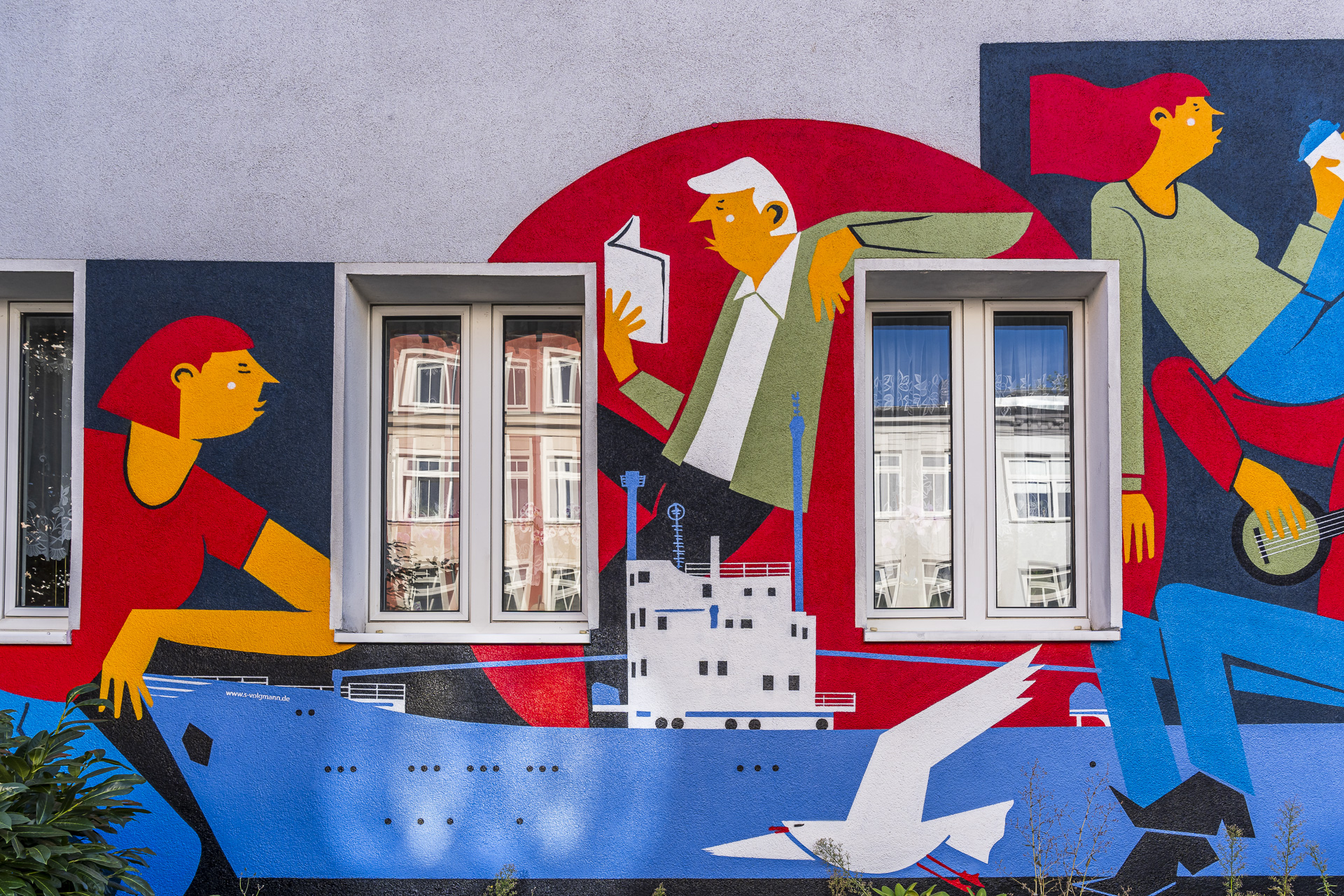
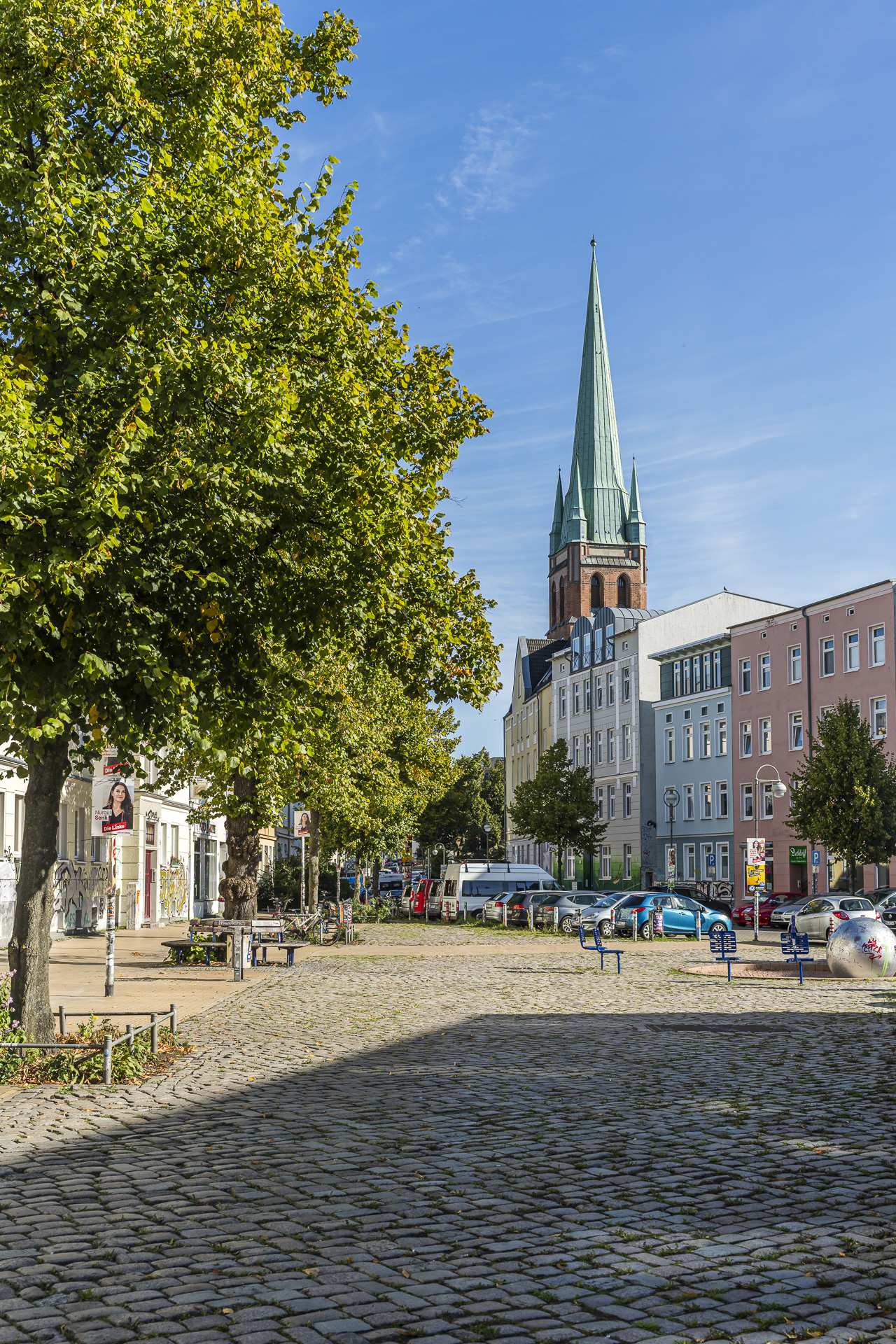
A good starting point for a stroll through the KTV is the Doberaner Platz. A useful guide is the Stadtspaziergang von Rostock Tourismus, which leads through the neighborhood to the city harbor.
Tip: The KTV is also a great spot for an extended coffee or brunch break. Particularly original is the “Original Waldenberger» on Waldemarstrasse with its quirky decor, homemade tarts and vegetarian breakfast creations. In the Café Central Rostock on Leonhardstrasse I ate an exceptionally good sandwich. For Specialty Coffee it’s also worth taking a detour to the «Kaffee Bar am Dobi» at Doberaner Platz.
4. Stroll through the rose town of Putbus and its palace park
As mentioned at the beginning, Putbus has been on my wish list since my last trip to Rügen. Now I finally have the opportunity for a visit: My accommodation for the next two nights is in Lauterbach, about a five-minute drive from the town center.
Prince Wilhelm Malte I of Putbus had the residential town laid out at the beginning of the 19th century. The white neoclassical facades and the roses in front of the houses earned it the nicknames «white town» and «rose town». The town’s planned layout is particularly impressive at the Circus, where the light-colored buildings are arranged around a circular, landscaped square with an obelisk.
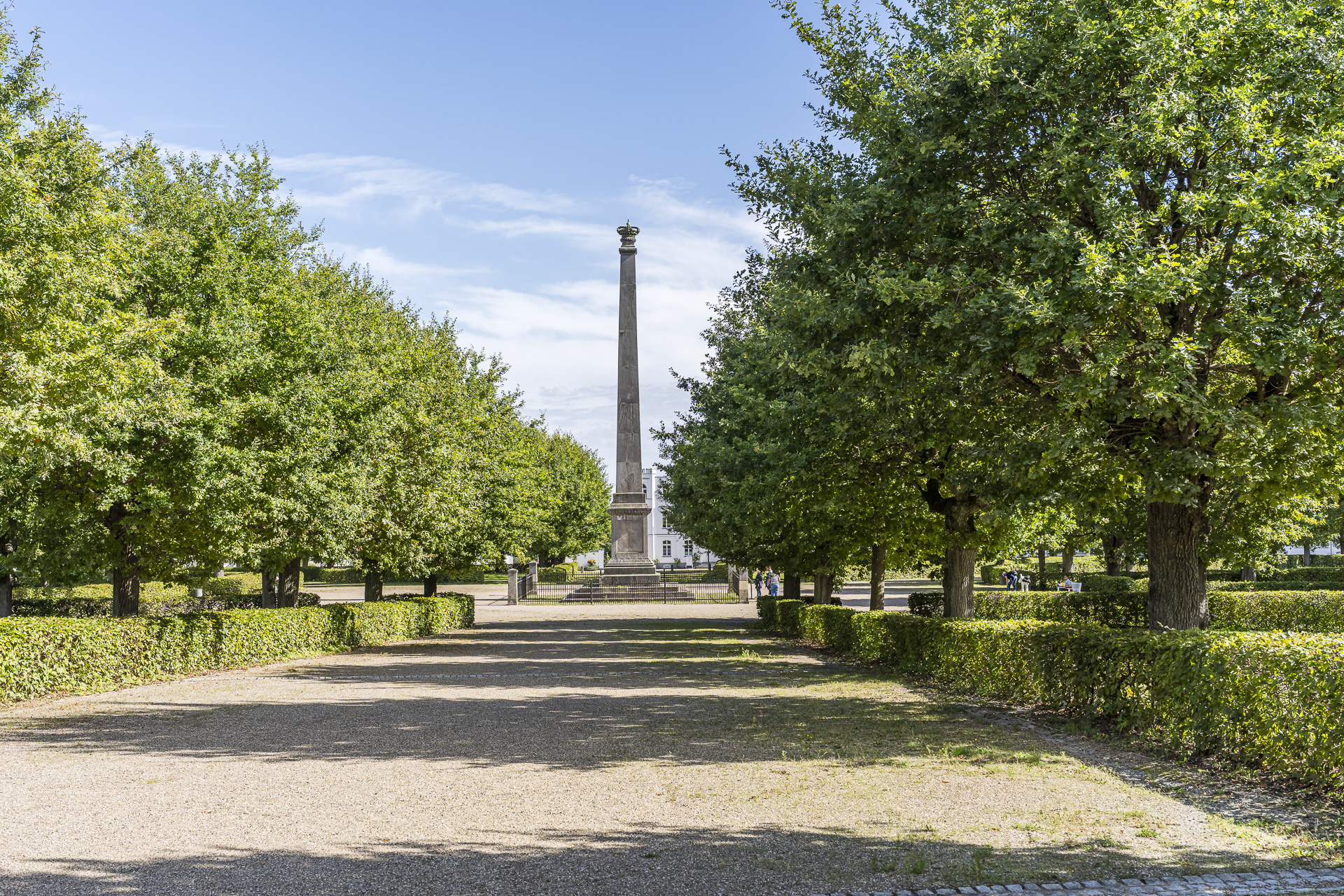
Also the sprawling palace parkis worth a long walk. Between old trees, generous lawns and the swan pond, the paths lead past historic buildings such as the Orangerie, the Marstall and the palace church. However, the actual palace is nowhere to be found today: In the 1960s it was blown up and dismantled at the behest of the GDR authorities.
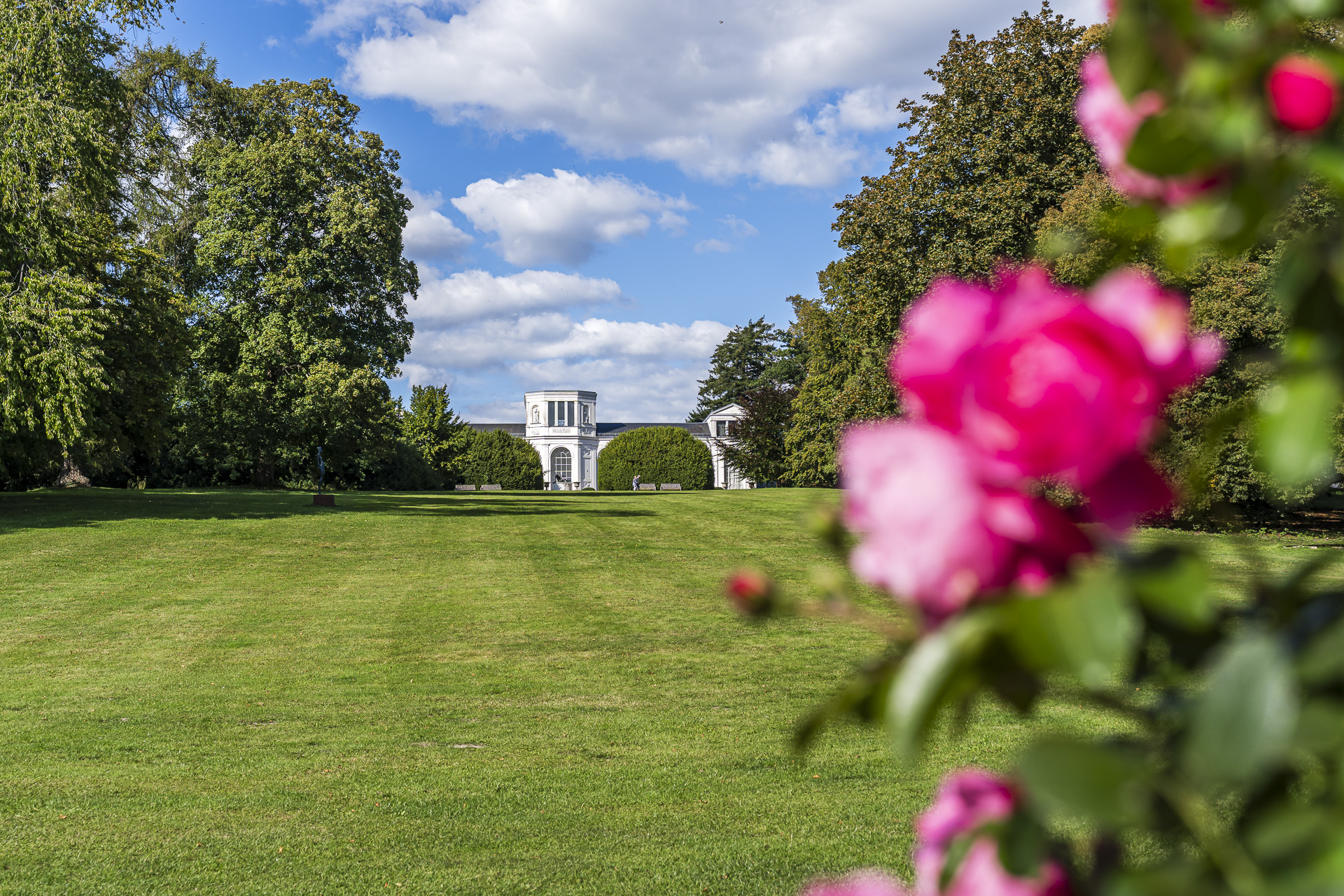

Anyone who also wants to visit the art gallery in the Orangerie and the small shops selling regional products and handicrafts along Alleestrasse should ideally not start the walk in the late afternoon.
Tip: For a light snack in between, the «Milchmädchen» right next to the Orangerie. The café with an attached farm shop focuses on products from Rügen, including various dairy products and sea buckthorn desserts. Also the «Onda Handwerk & Esskultur» I would have liked to visit the one on Alleestrasse. The concept combines regional cuisine with select crafts, but it was closed on the day I visited.
5. Stay overnight on Rügen in a floating holiday home
It’s only a few minutes’ drive from Putbus to Lauterbach. The district, located directly on the Greifswalder Bodden, is considered one of the cradles of seaside tourism on Rügen. As early as 1816 the princely family of Putbus had the first sea-bathing facility established in neighboring Neuendorf. Two years later the Friedrich-Wilhelms-Bad in the Goor was built, a stately bathhouse that is now used as a hotel. The painter Caspar David Friedrich also went ashore here during his travels from Greifswald to Rügen. A bronze sculpture by sculptor Thomas Jastram on the waterfront path toward the Goor commemorates this.
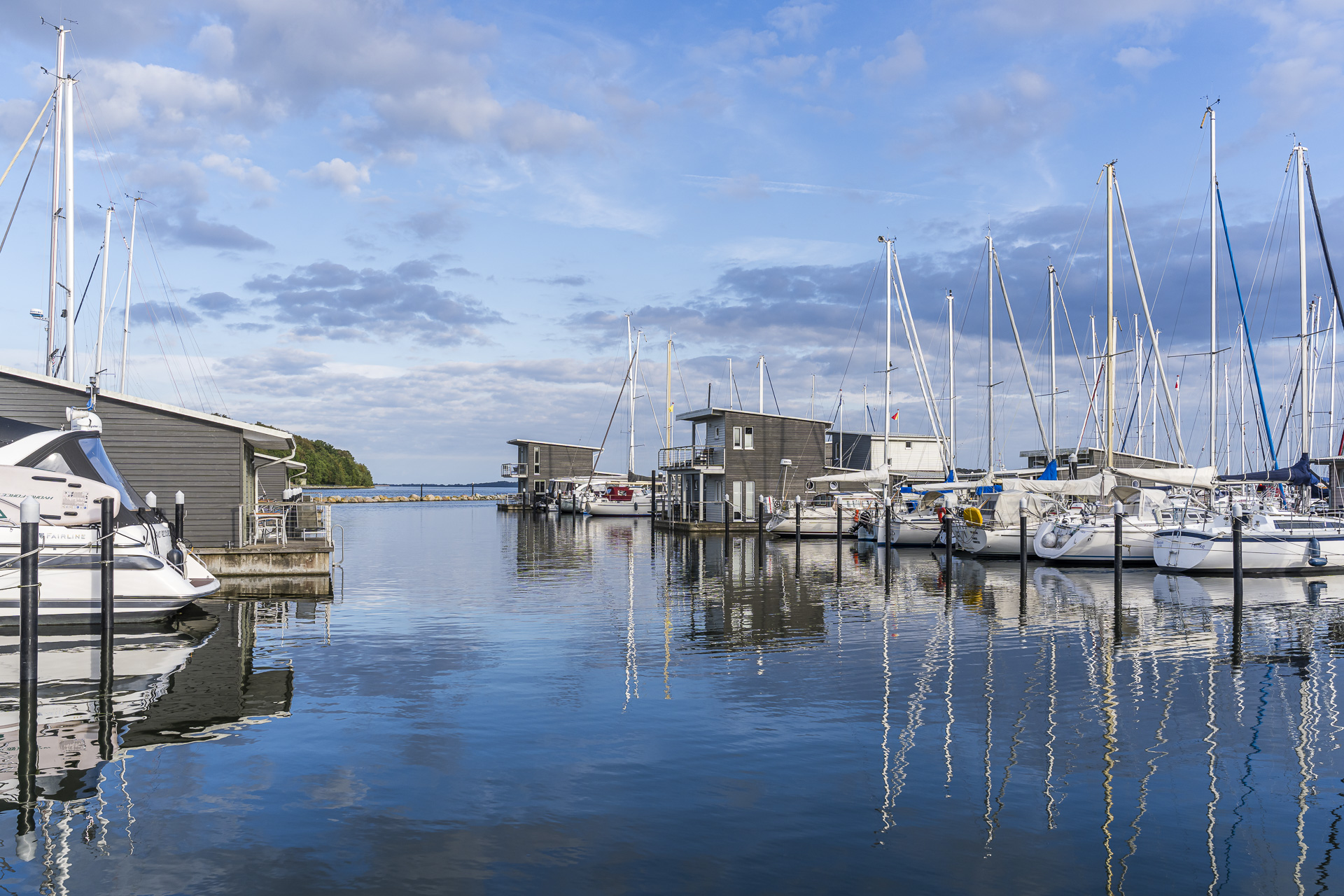
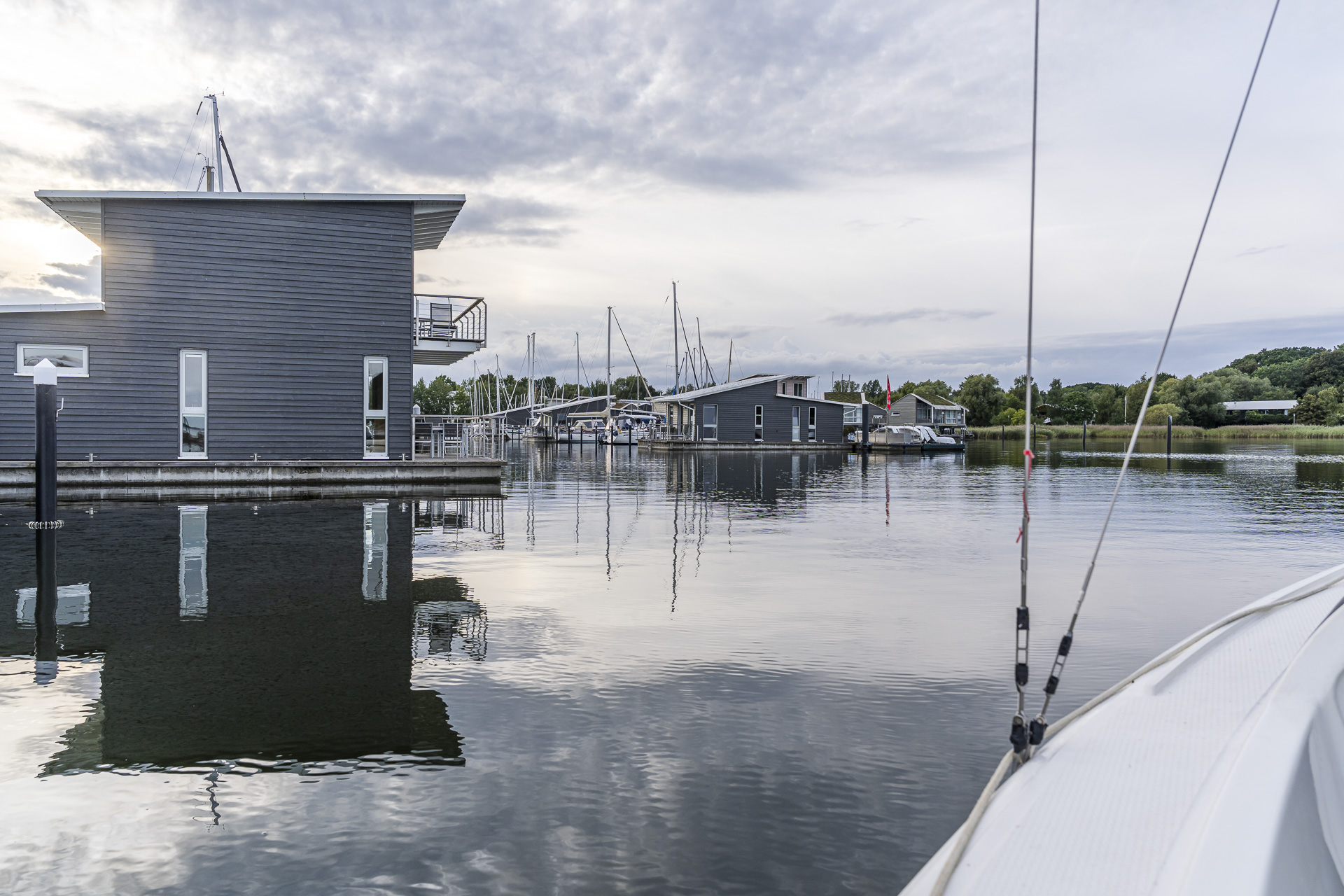
My accommodation for the next two nights is not far from the bronze sculpture, also directly on the water. Or, more precisely: on the water. In the Wasserferienwelt im-Jaich I stay in a small floating holiday home among sailboats. The complex was created on the initiative of the Jaich family, who in the early 1990s had the harbor bay, polluted by fishery waste and sewage, rehabilitated and developed into a marina with floating holiday homes. Today the family business is run by the second generation.
As a partner establishment of the Biosphärenreservats Südost-Rügen setzt sich die Wasserferienwelt im-Jaich für einen naturverträglichen Tourismus ein. Green roofs and native perennial plantings, for example, create habitat for birds and insects. On the grounds, more than 200 pairs of swallows nest. With a bit of luck, grey seals can also be seen in the harbor basin.
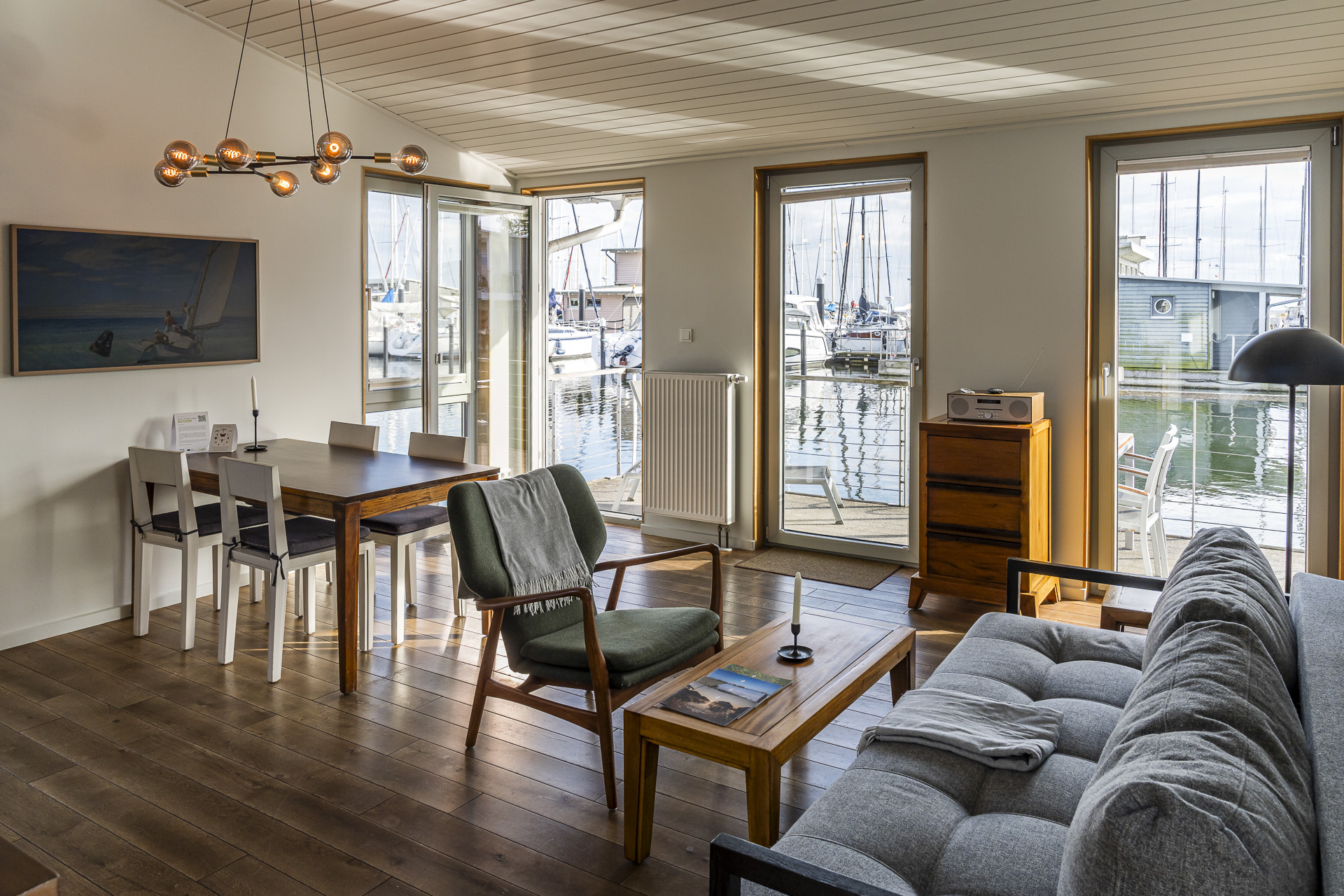
“My” floating vacation home verfügt über einen Wohn- und Essbereich mit voll ausgestatteter Küche, ein separates Schlafzimmer und ein kleines Bad. The highlight is the large windows and the terrace directly over the water, from which I look out at the surrounding sailboats. In addition to the floating vacation homes, the complex also offers stilt-house suites and holiday apartments on land, as well as pitches for campers and RVs.


Tip: Zur Wasserferienwelt im-Jaich gehört auch das Restaurant Kormoran, on whose menu, alongside typical North German dishes, you can also find really delicious vegan and vegetarian pierogi. Other dining options are only a five-minute walk away at the Hafen Lauterbach. Recommended, for example, are the Harbor restaurant «Zum kleinen Leuchtturm» and for a quick snack to go the smokehouse boat Berta.
6. Hike through Jasmund’s beech forests to the Königsstuhl
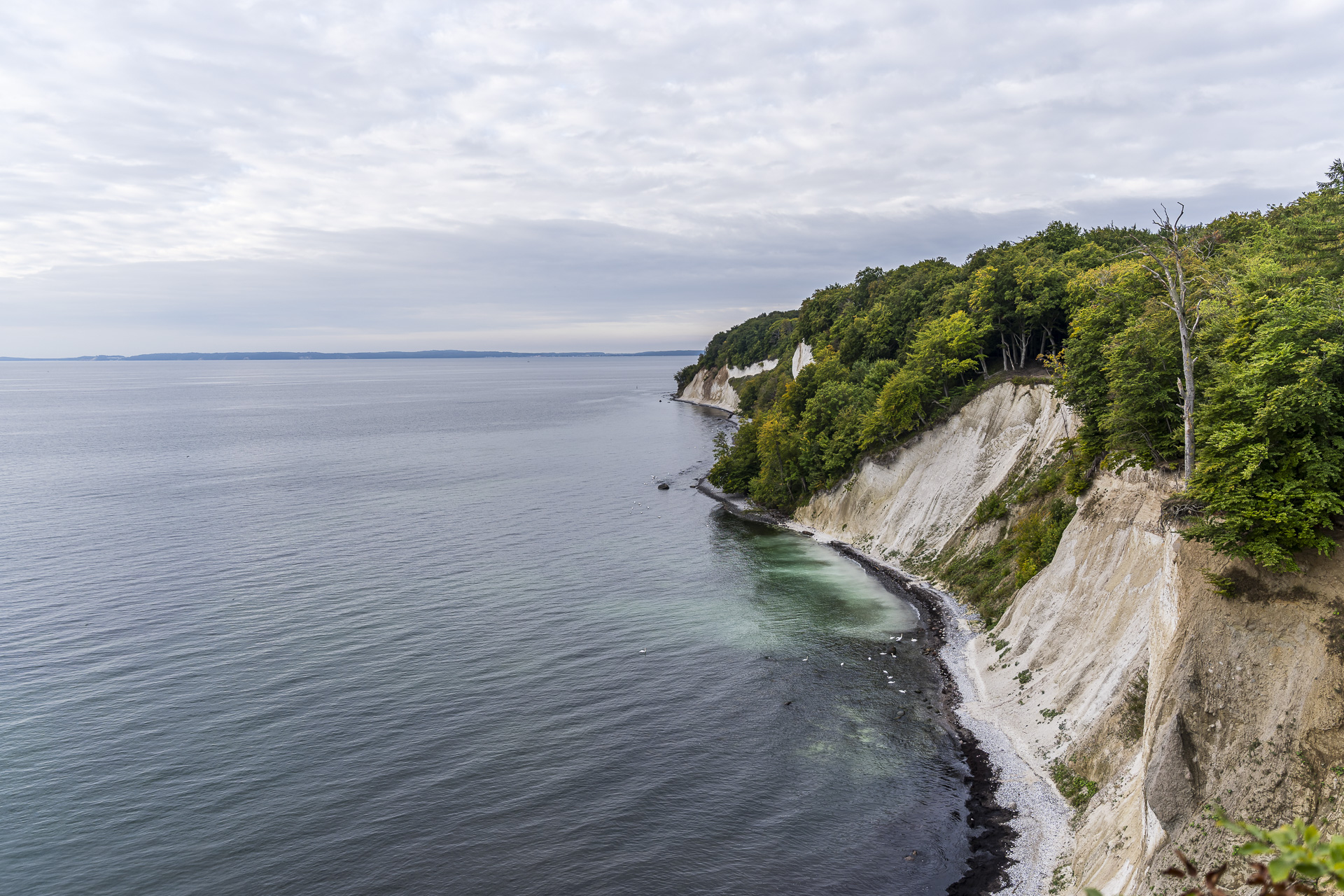
The next morning calls for an early start. Today I want to hike the cliff-top trail through the Jasmund National Park and explore Rügen’s famous chalk coast. The route starts in Sassnitz, about a 30-minute drive from Lauterbach. I park in the parking garage at the town harbor and first follow the waterfront promenade toward Sassnitz Beach. From there I go up to the turning area at the end of Weddingstrasse, where the signposted cliff-top trail begins. What makes this hike so special is the immediate juxtaposition of ancient beech forest and sea. The trees grow right up to the sea cliff, where the white chalk cliffs drop down to the Baltic Sea. Around 500 hectares of the beech forests have been part of the UNESCO World Natural Heritage since 2011.
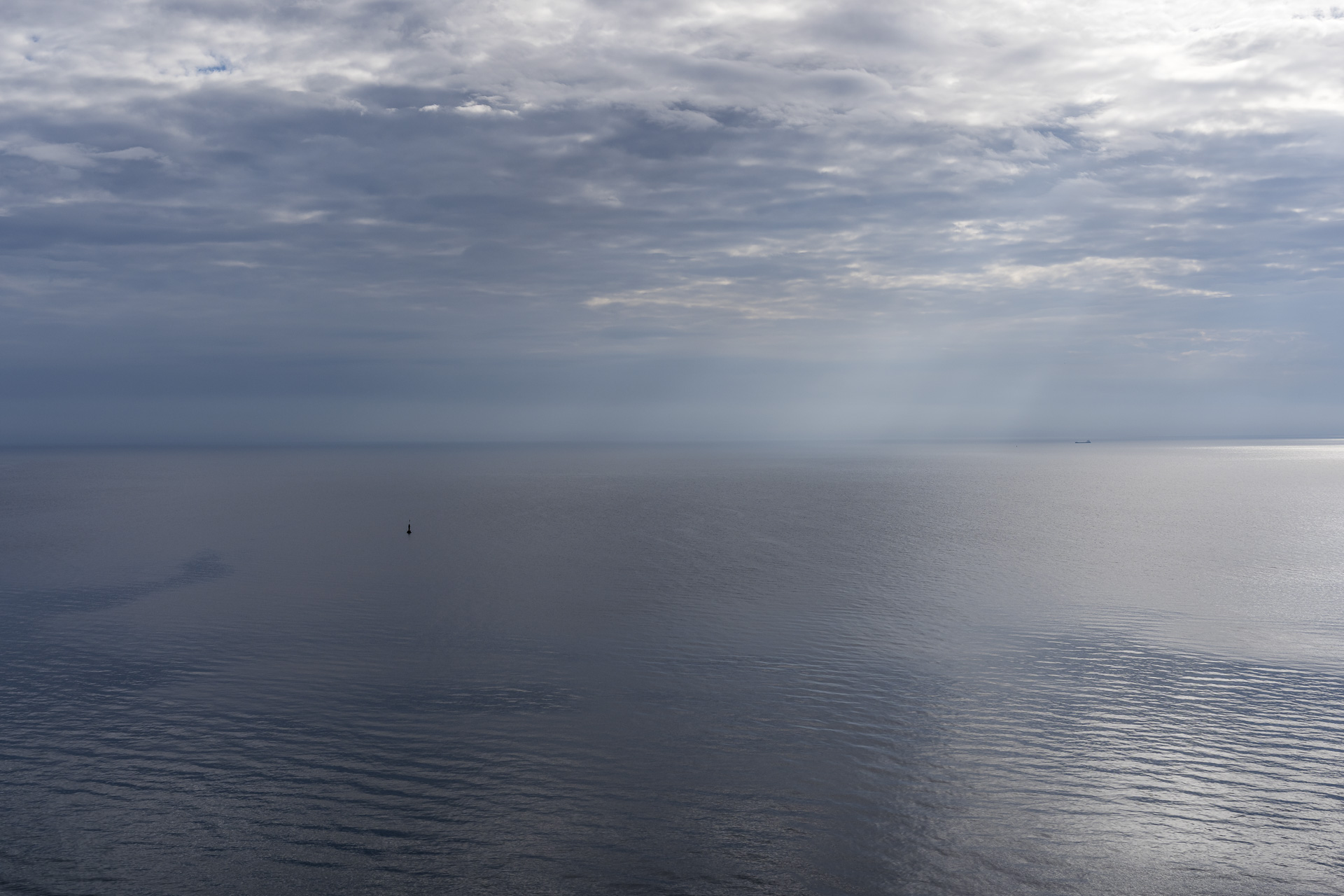
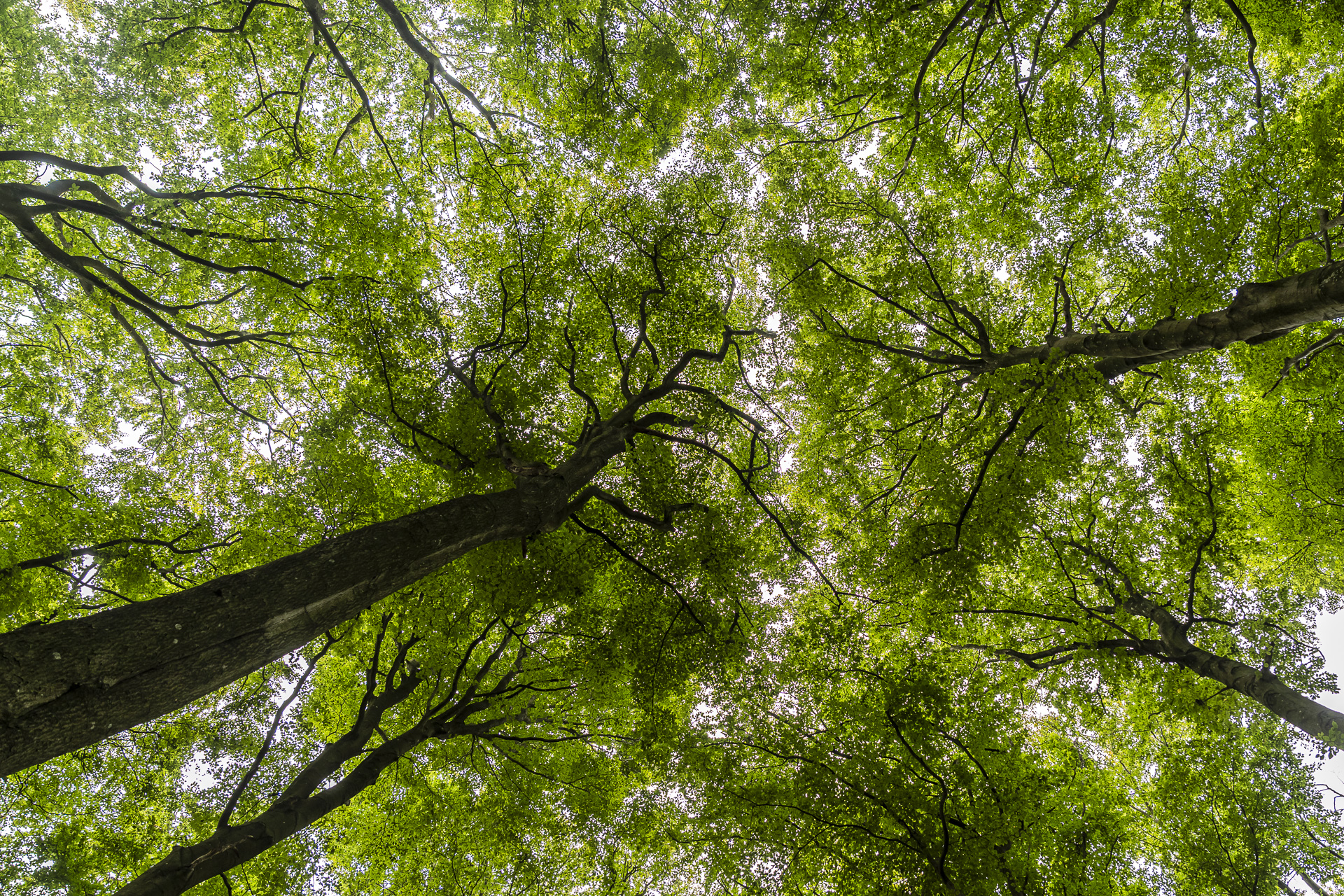
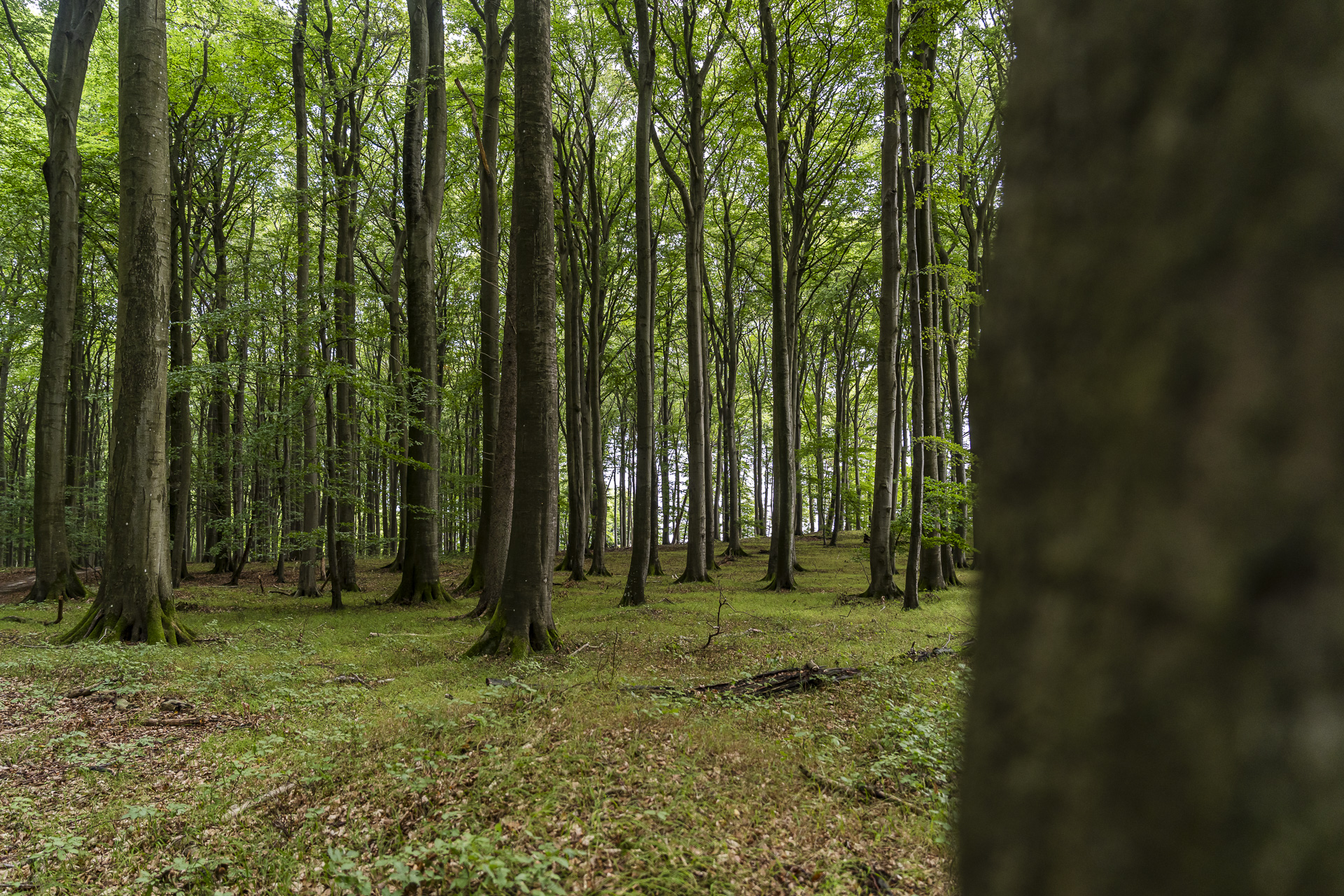
This morning I’m lucky with the weather: the last rain clouds are slowly moving away and the sky is gradually clearing between the trees. Because I’m out early, I encounter hardly any other hikers in the first kilometers and enjoy the peace beneath the dense canopy of the mighty beeches. Time and again the forest opens up views of the Baltic Sea before the path disappears between the trees again, crosses small ravines, and leads up and down numerous steps.
At the Kieler Bach, a detour down to the water is worthwhile. From the narrow beach you can view the steep chalk cliffs up close. Afterwards you return via the same access to the cliff-top path.
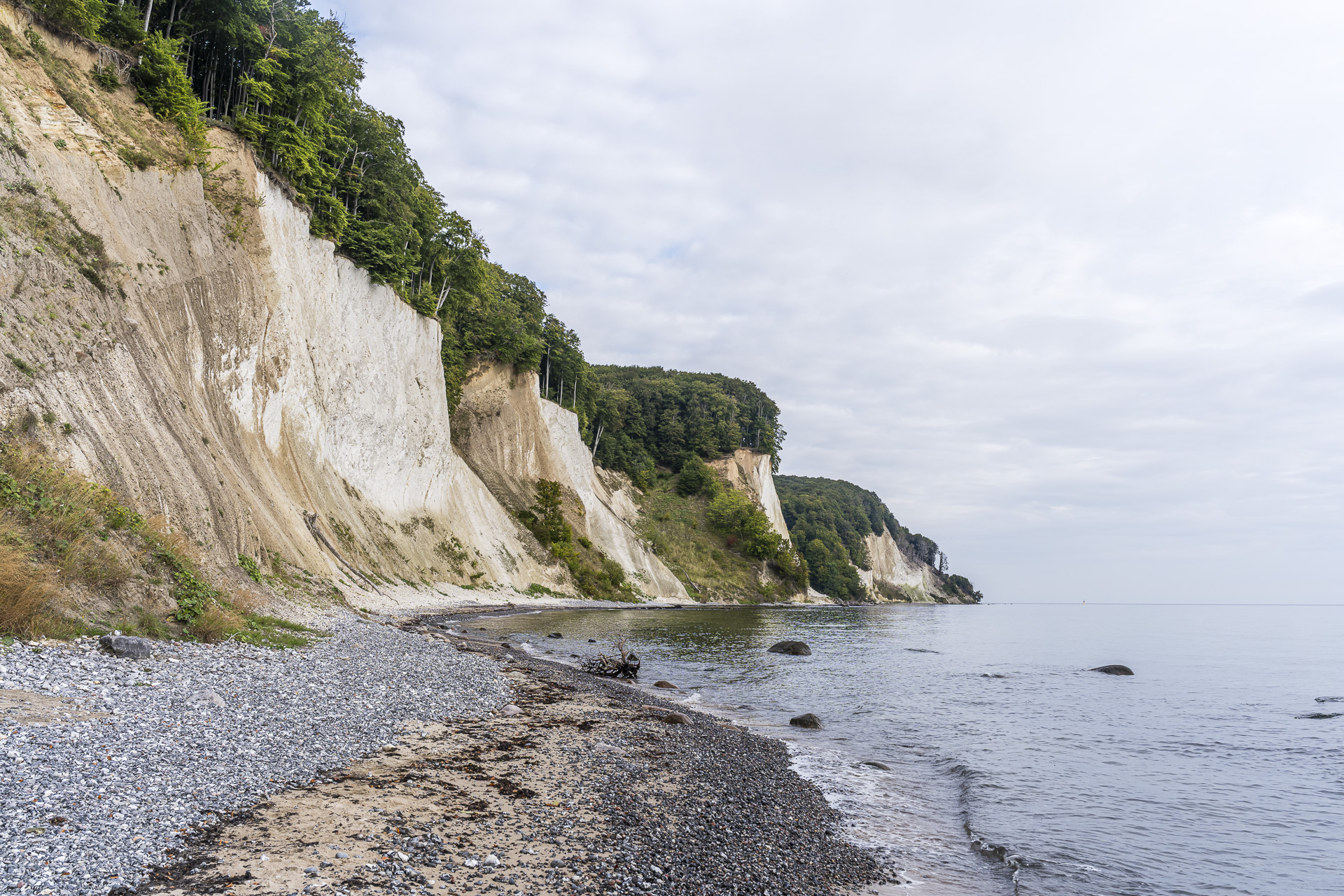
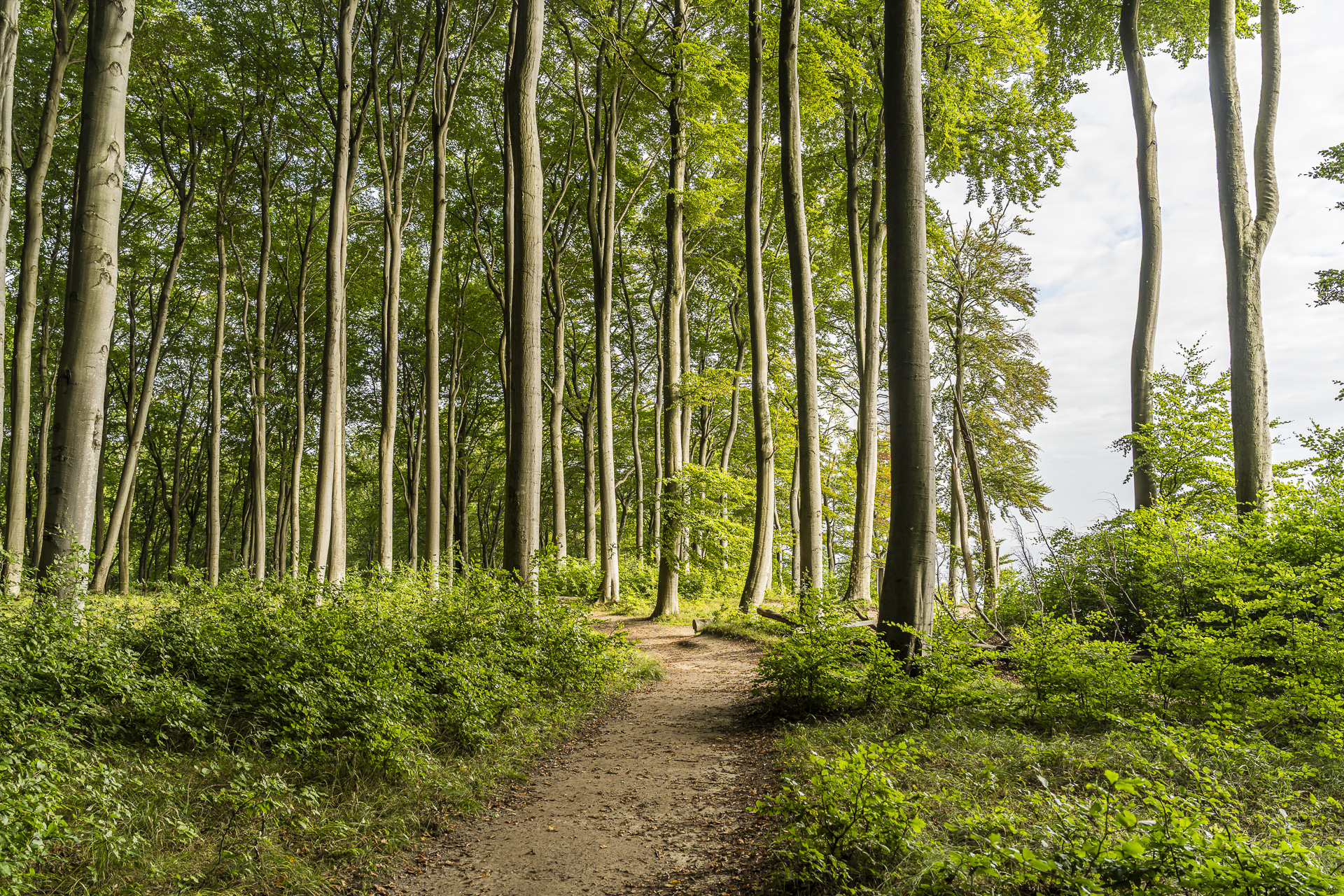
Just before the destination, the Viktoriasicht offers an impressive view of the Königsstuhl, which at 118 meters is Rügen’s highest chalk cliff. Right by the Königsstuhl is the National Park Center with the Skywalk. The 185-meter-long, elliptical loop walkway hovers 122 meters above the Baltic Sea and juts out beyond the cliff. The cantilevered structure is anchored on the more stable high plateau and does without any direct supports on the fragile chalk cliff.
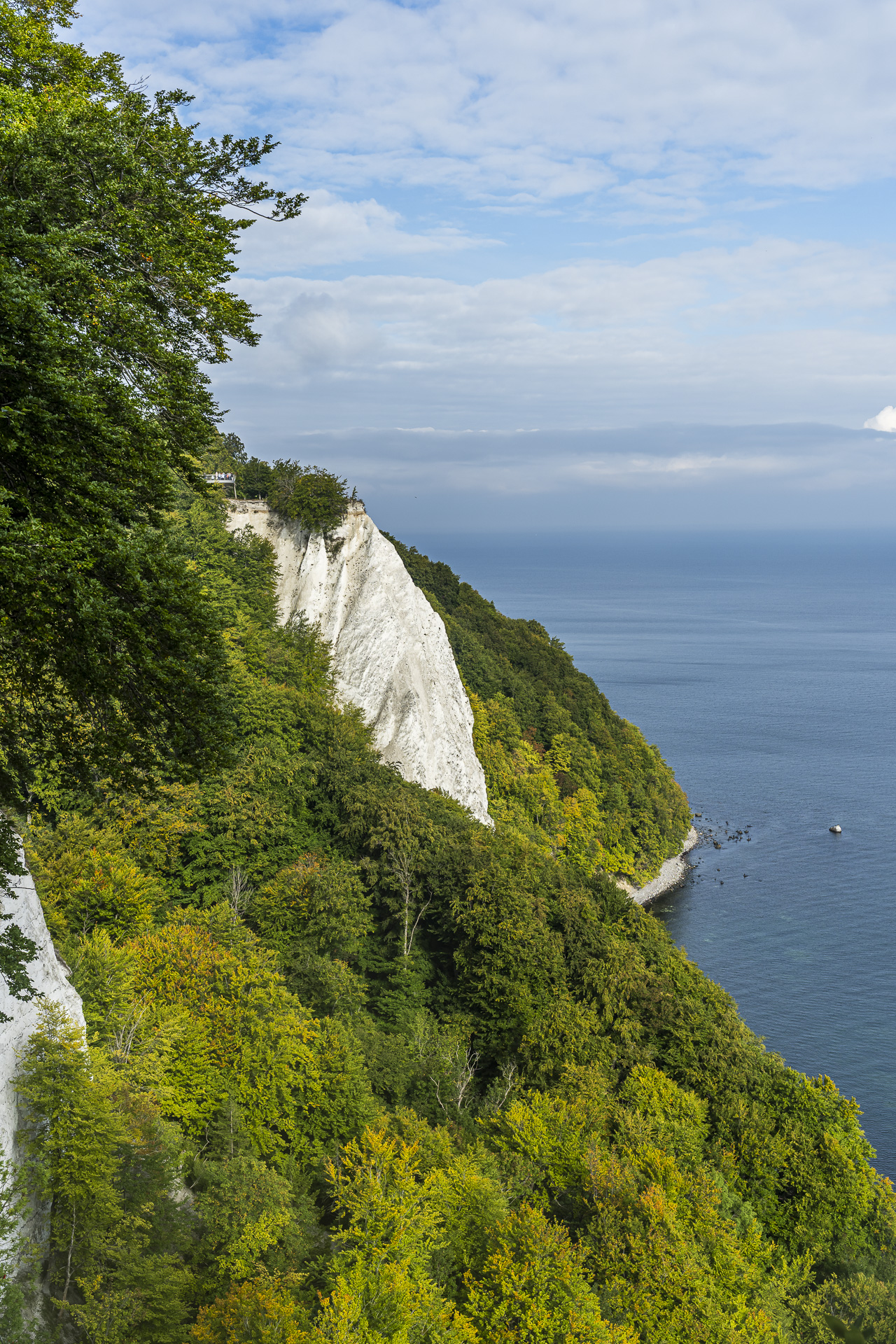
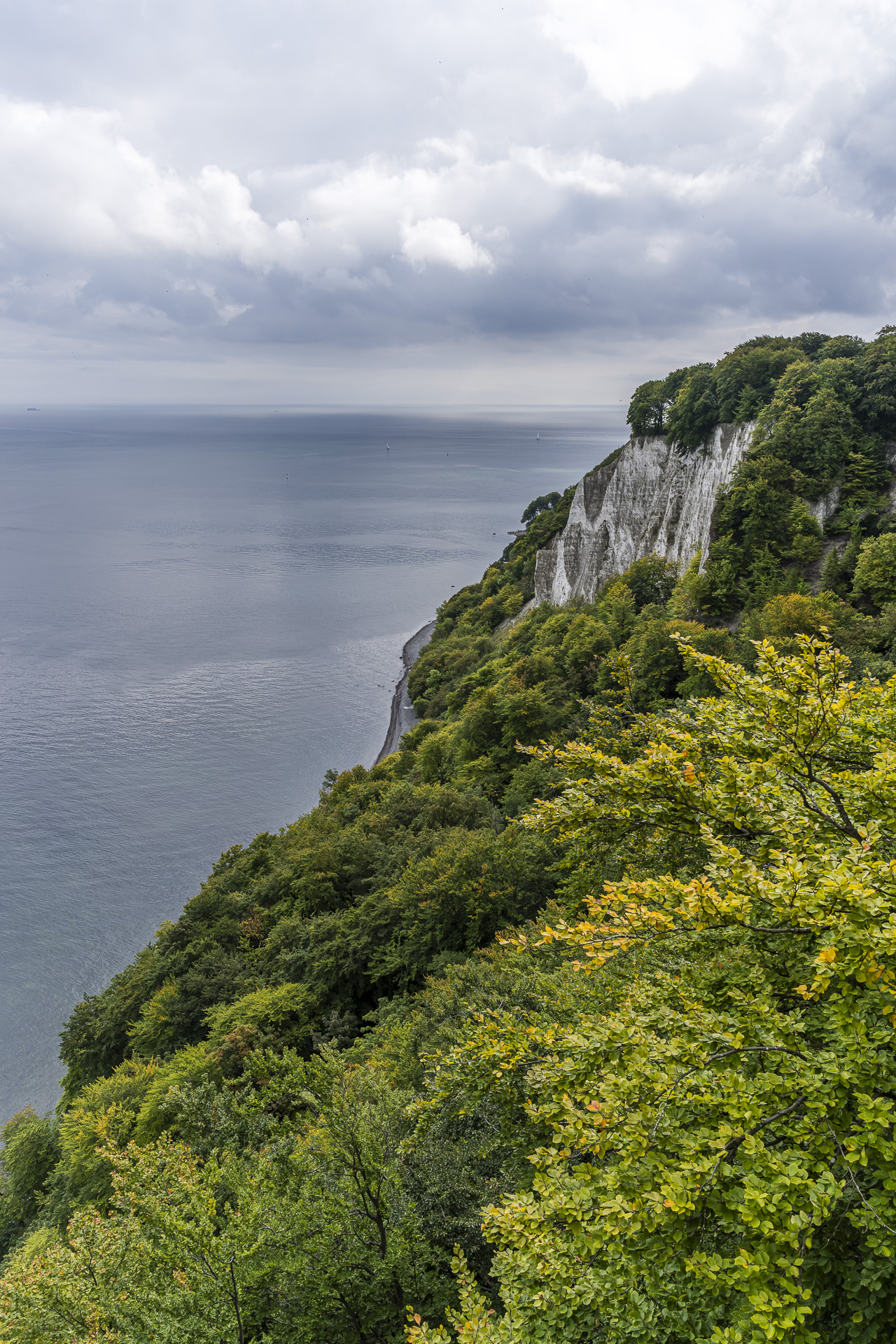
On site, it’s also worth visiting the informative and interactive experience exhibition at the National Park Center. It presents, over three floors, interesting information about the formation of the chalk landscape and the habitats in Jasmund National Park. There is also a lot to explore outdoors, with twelve interactive discovery stations.
Good to know: You can find the route of the hike along the clifftop trail on Komoot. If, like me, you start at the parking garage at the town harbor, you’ll add roughly two extra kilometers, making about ten kilometers in total. You should plan at least three hours for the hike, and more depending on your starting point, beach detours, and photo or food breaks. Important: Be sure to stay on the marked paths and respect any barriers. There is significant danger along the cliff due to chalk collapses and landslides. Beach descents may only be used when they are officially open. For the return trip to Sassnitz you can use bus line 23. Also allow enough time for the Skywalk and the experience exhibition. Current information on opening hours, admission prices, and how to get there can be found on the website of the National Park Center Königsstuhl.
7. Sailing around the ‘Ghost Island’ Ostervilm
Back at the Wasserferienwelt im-Jaich, a change of perspective is planned for late afternoon. Together with Till Jaich, son of the founding couple and now himself part of the management of the family business, I take a sailing trip on the Greifswalder Bodden.
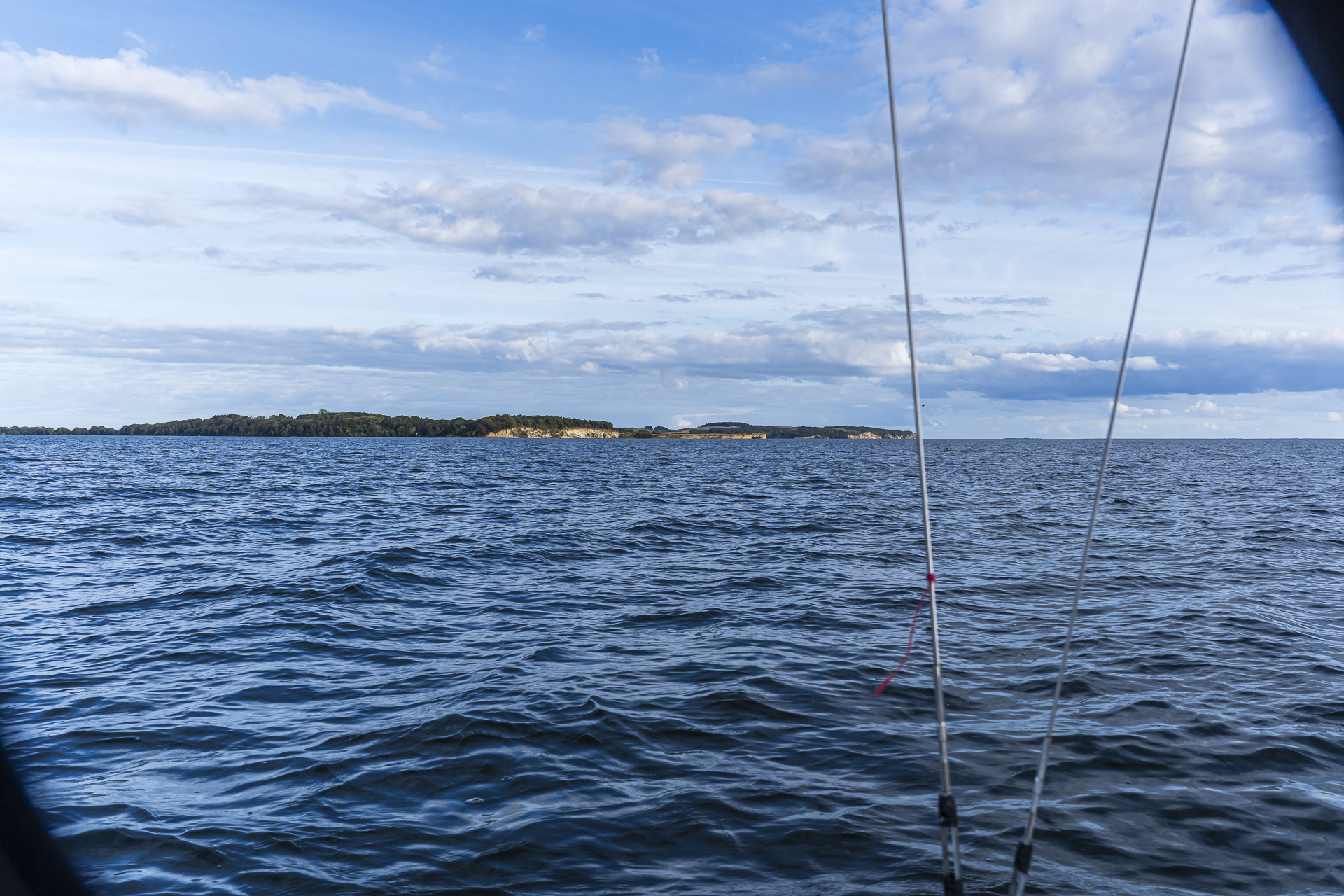
Our destination is the former Entmagnetisierungsstation Ostervilm, a platform built in 1954 on around 600 wooden piles in the middle of the Greifswalder Bodden. The structure is just under three kilometers east of the island of Vilm and served the East German Navy for degaussing its ships. After reunification it lost its function and fell into increasing disrepair. Today, mainly seabirds use the abandoned station as a resting place. As Till Jaich told me during the sail, the structure was only recently auctioned off. Whether and how it will be used in the future remains to be seen.
From the sailing boat you can view the unusual construction up close. But the trip itself is great fun, too. I get to help out with the sailing and the praise after my first successful tack made me briefly consider whether I may have just discovered a new hobby.

Tip: The Sailing School of the Wasserferienwelt im-Jaich offers, in addition to sailing courses, guided sails on the Greifswalder Bodden. No prior experience is required. With an experienced skipper on board you can help out with the sailing yourselves or simply enjoy the trip.
8. Exploring the Peene River landscape from Gutshaus Stolpe
After two nights on Rügen, my journey continues to Stolpe an der Peene.Naturpark Flusslandschaft Peenetal, a region of Mecklenburg-Western Pomerania previously unknown to me. Its namesake is the Peene, which stretches from Lake Kummerow for around 83 kilometers to the Peenestrom east of Anklam. The largely unspoiled river winds through extensive low moors, wet meadows, reed beds and floodplain forests.
My accommodation is the Gutshaus Stolpe in the village of the same name, which feels wonderfully sleepy and a little frozen in time. An avenue lined with old trees leads directly to the historic manor house. Inside, individually furnished rooms and cozy salons with historic furniture and many lovely details provide an exceptionally homely atmosphere.
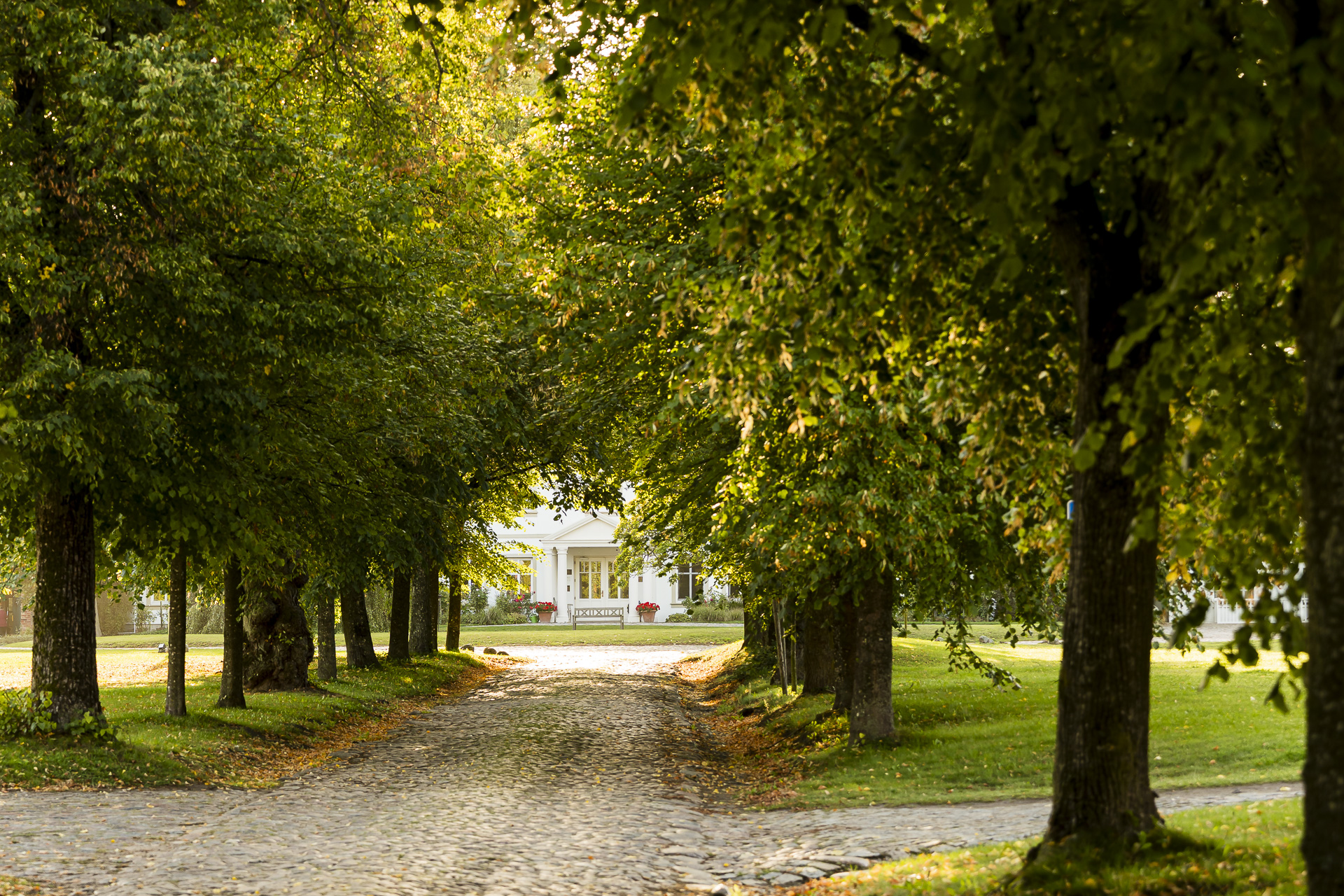
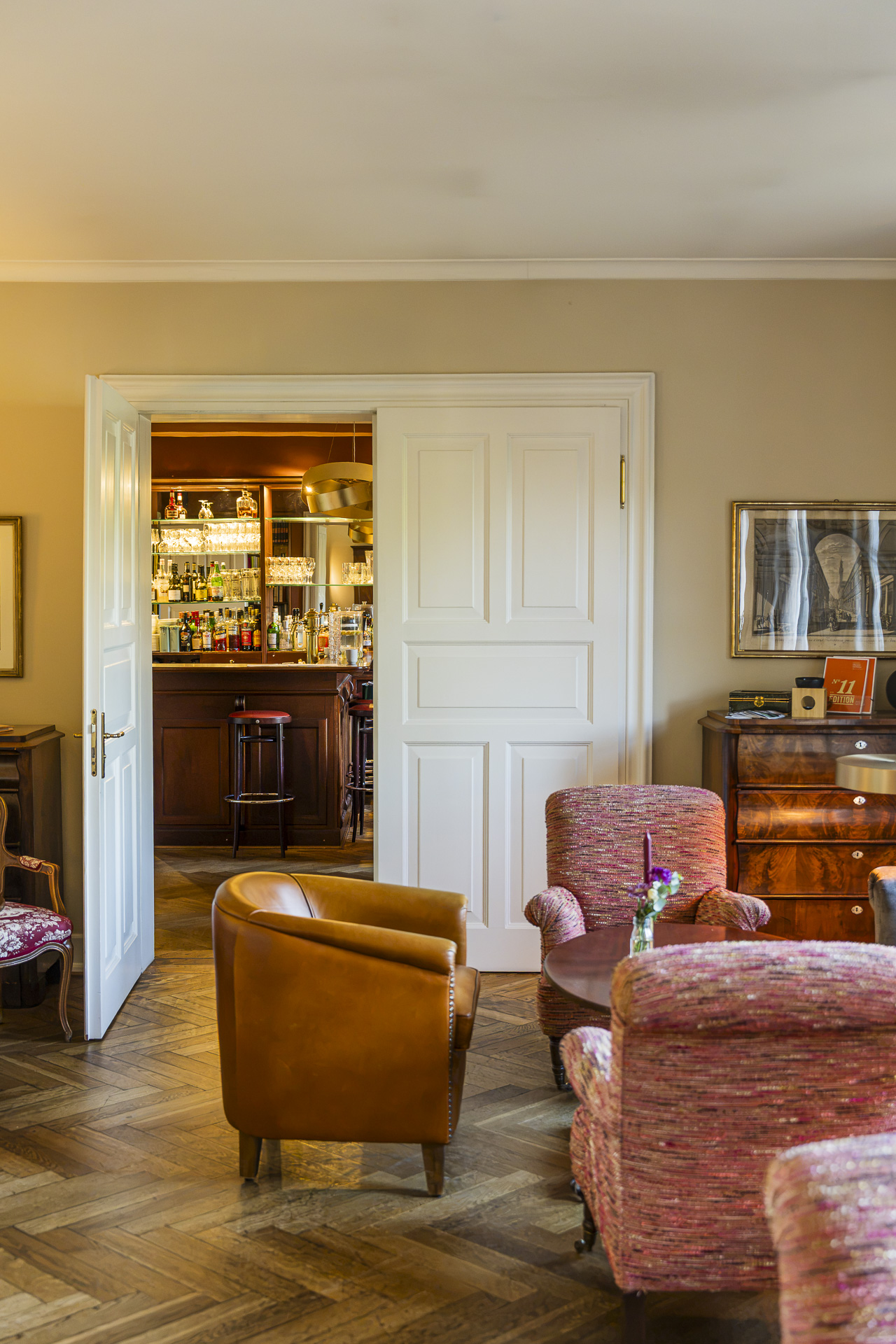


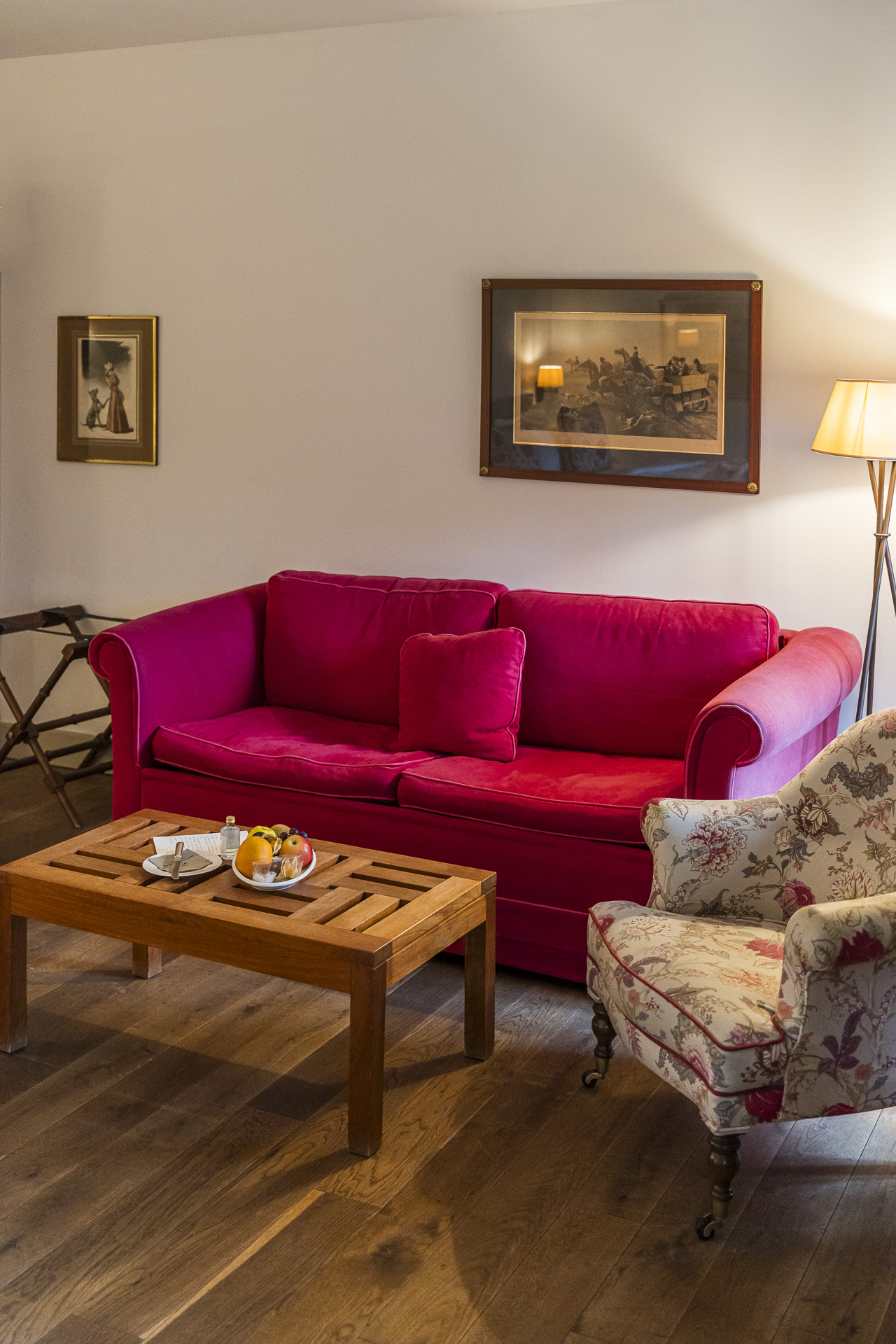
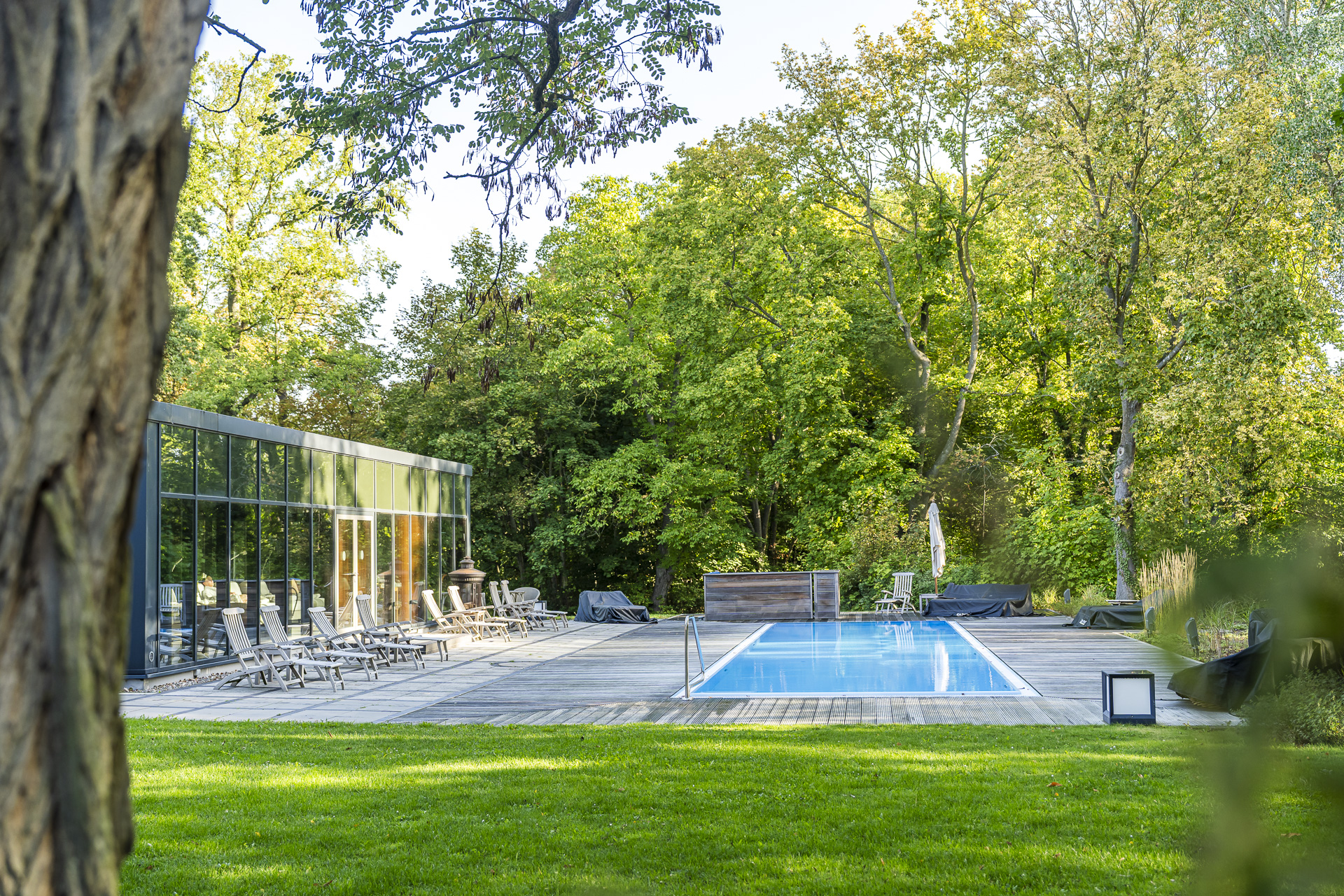
I’m especially taken with the expansive garden grounds and their heated outdoor pool. I could easily spend an entire afternoon here instead of heading off on the next excursion.
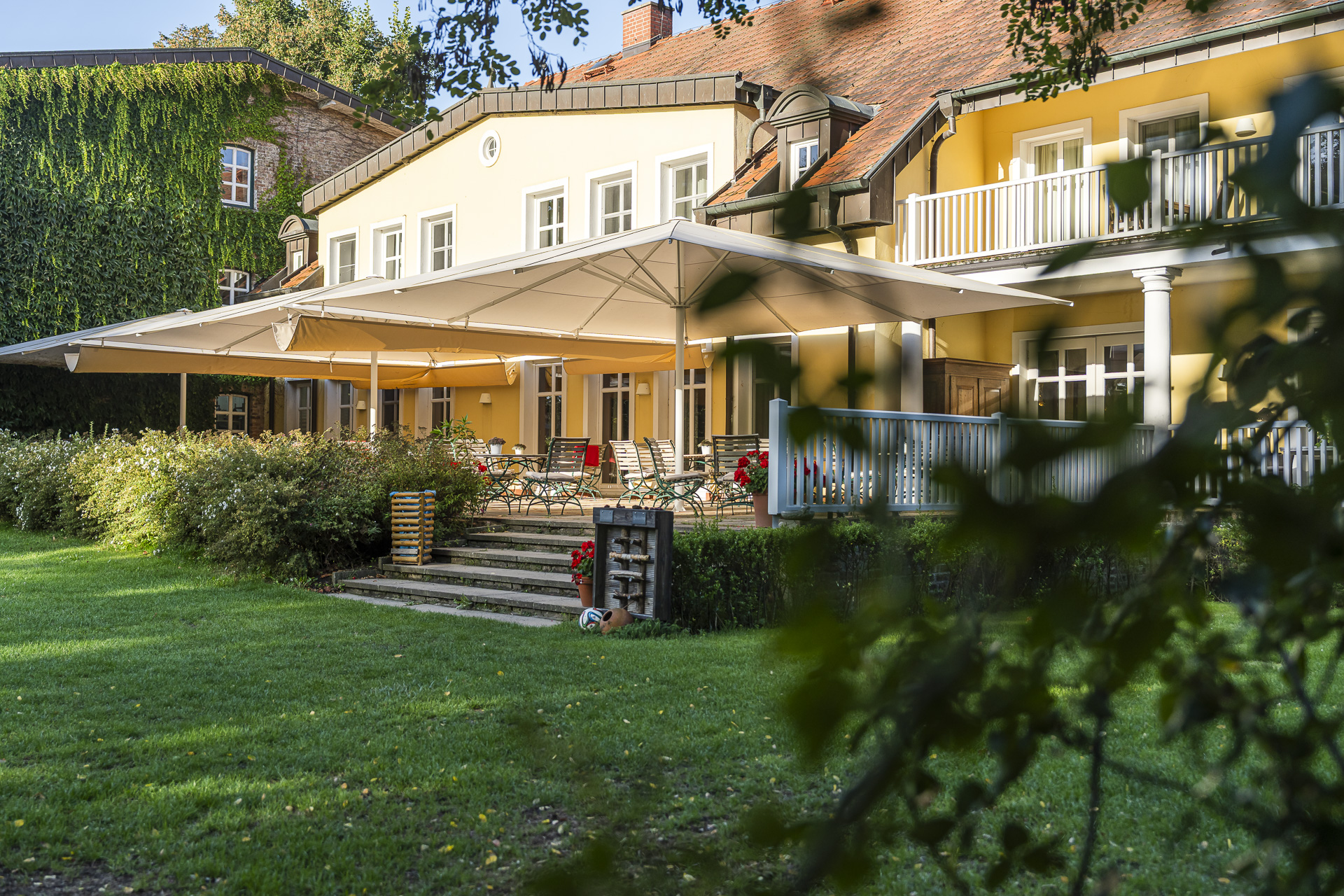
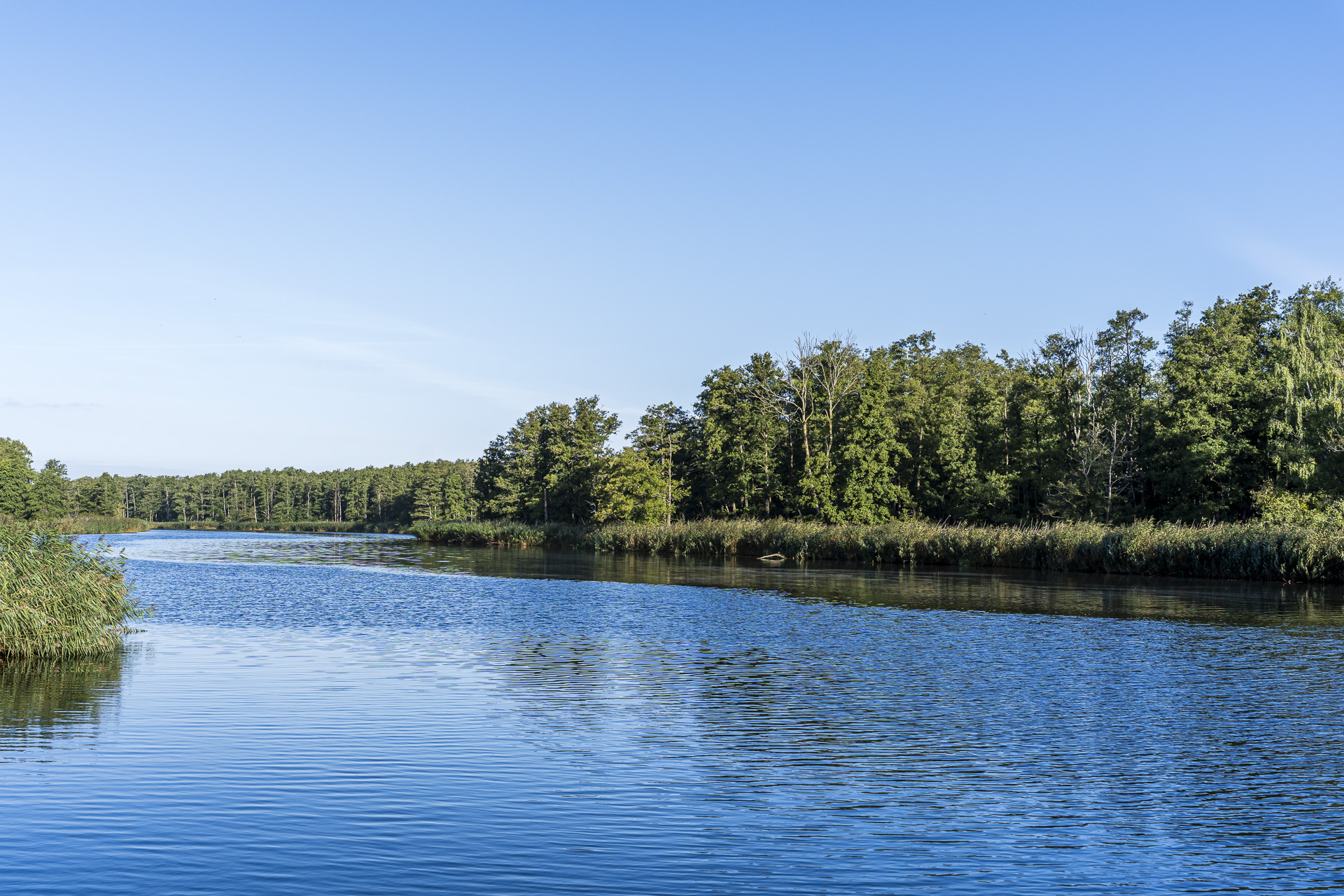
But that’s exactly what I plan to do now. The manor house is located directly on the Peene and has its own private boat dock, from which you can set off with a rented canoe or kayak to set off. Because the Peene drops only about 24 centimeters on its way to the Peenestrom, it has almost no natural current. Paddling is correspondingly slow and relaxing, although the wind can certainly add to the effort. Tip: Start out against the wind if possible so you’ll ideally have a tailwind on the way back.
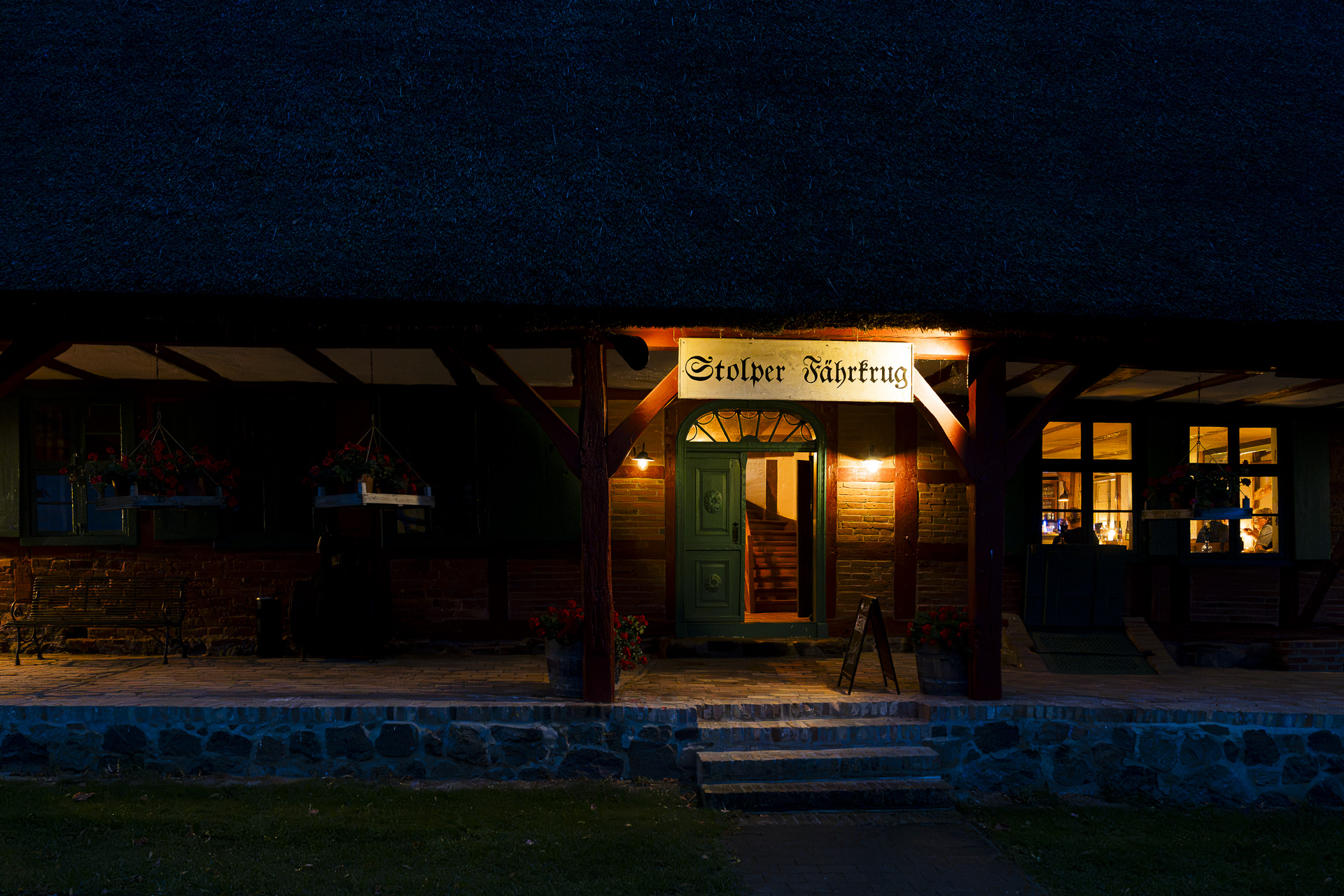
In the evening I’m drawn back to the bank of the Peene, where rising wisps of fog create an almost mystical atmosphere. Right on the bank sits the historic Stolper Fährkrug, which looks back on a history of more than 350 years and is considered the oldest inn in Western Pomerania. Today it belongs to Gutshaus Stolpe and is one of the hotel’s two restaurants. While the gourmet restaurant “Kurt” offers fine dining, the Fährkrug serves hearty, truly delicious tavern-style cuisine.

Tip: A good introduction to the special features of the Peene landscape is provided by the Peeneblick Nature Park Center in Stolpe, just a five-minute walk from the manor house. What stuck with me in particular was the humorously produced short film that entertainingly explains the formation of the river landscape and its diverse habitats. On site you’ll also receive tips for wildlife watching and excursions in the surrounding area. You can find the current opening hours on the website of the Naturpark Flusslandschaft Peenetal.
9. Dive into the architectural history at Wasserschloss Quilow
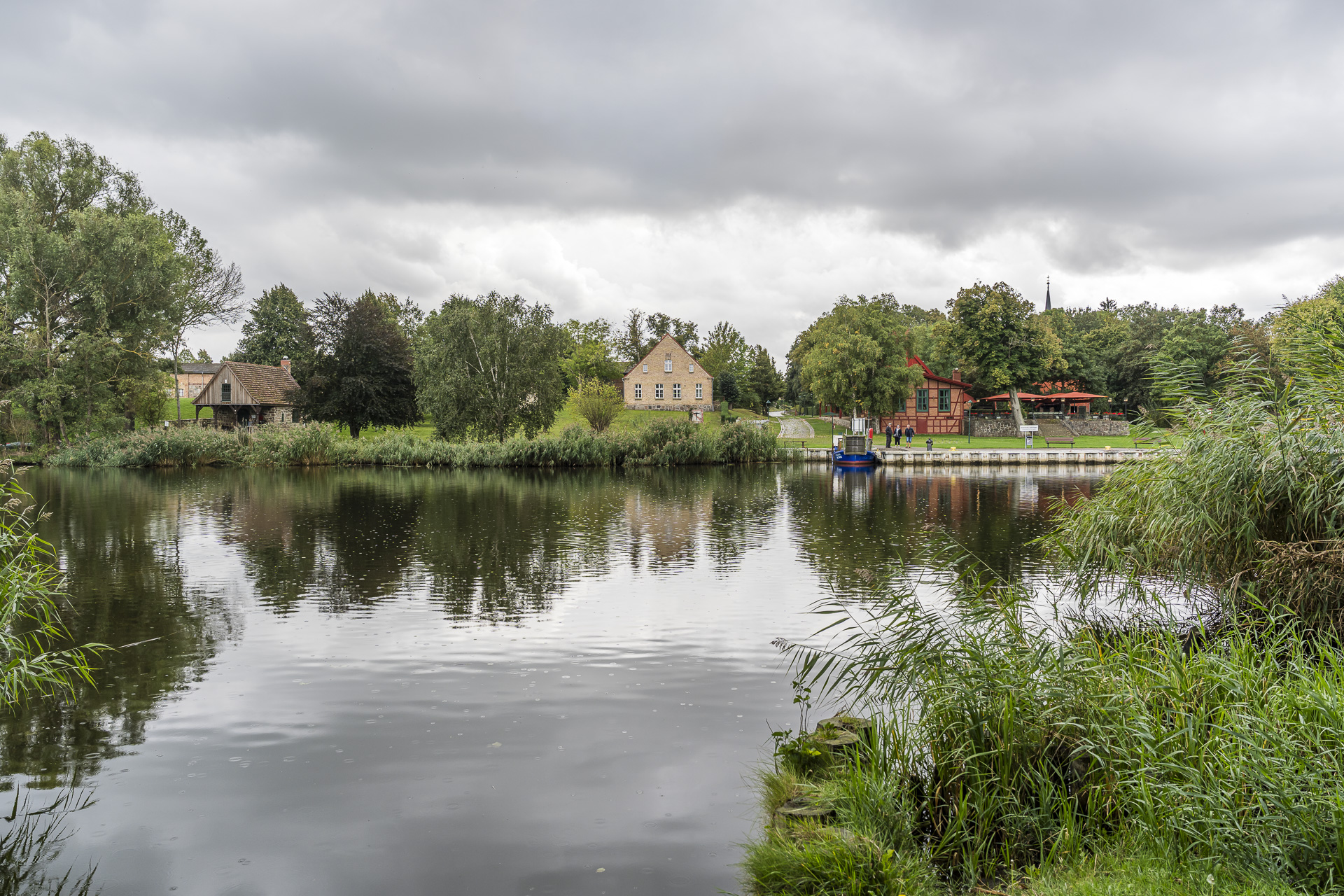
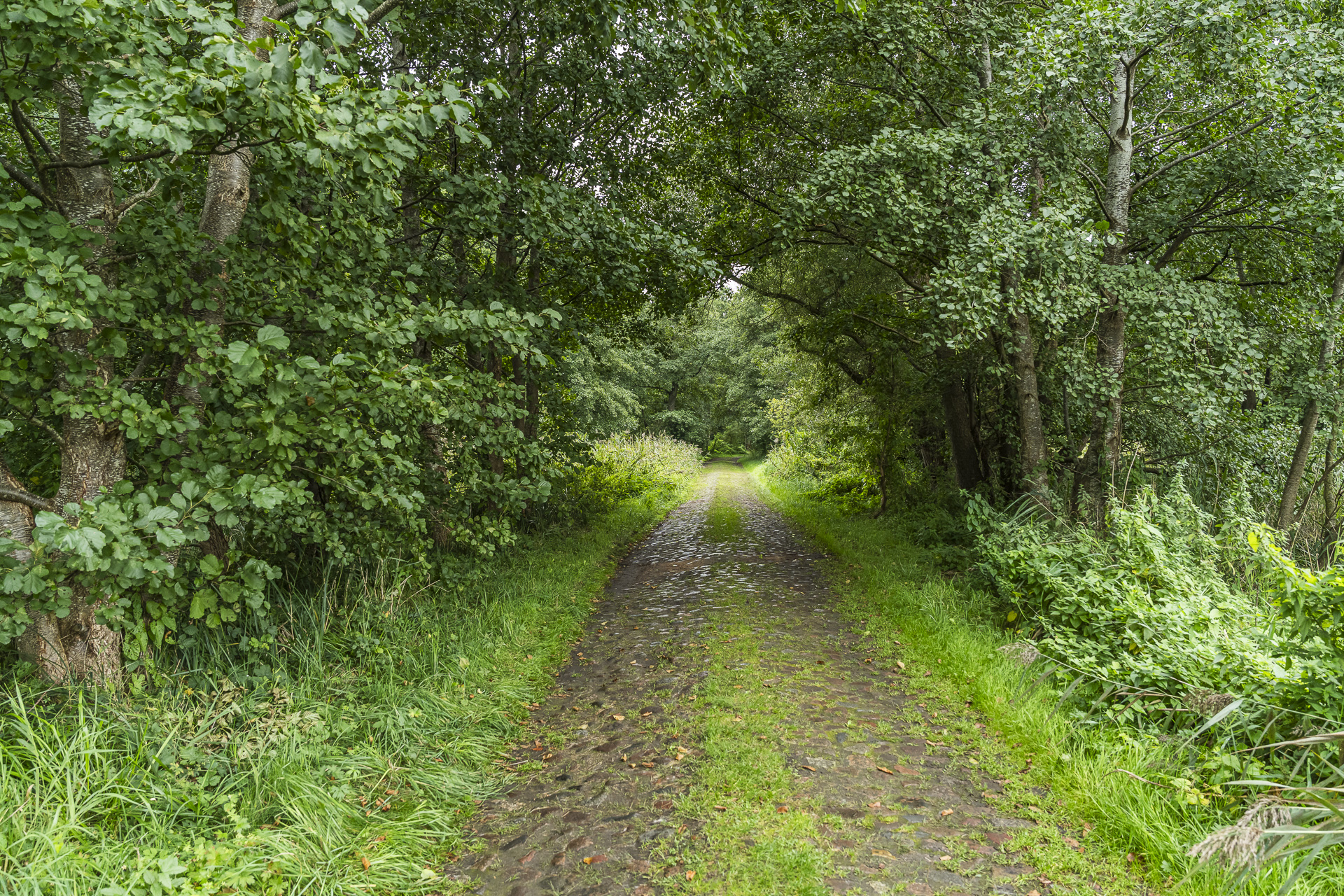
Another excursion takes me to Wasserschloss Quilow on the opposite side of the Peene. Like Gutshaus Stolpe, the Renaissance manor Quilow is also presented on the Baltic Manors platform, which brings together notable manor and estate houses around the southern Baltic Sea and has established a European Cultural Route of Manor HousesWith a rental bike from Gutshaus Stolpe, I first take the small ferry to Stolpmühl. From there I continue on side roads to Quilow, about three kilometers away. The cobblestones make for a rather bumpy ride in places. The route is also well suited for a short hike.

The water castle, built in 1575, is one of the few preserved Renaissance manor houses of Western Pomerania. That it is once again open to the public today was far from a given for a long time. Decades of vacancy, difficult ground conditions and serious structural stability problems had taken a heavy toll on the building. In 2007, the Stiftung Kulturerbe im ländlichen Raum Mecklenburg-Vorpommern took over the property and had it painstakingly restored. In 2020 the water castle was able to reopen.
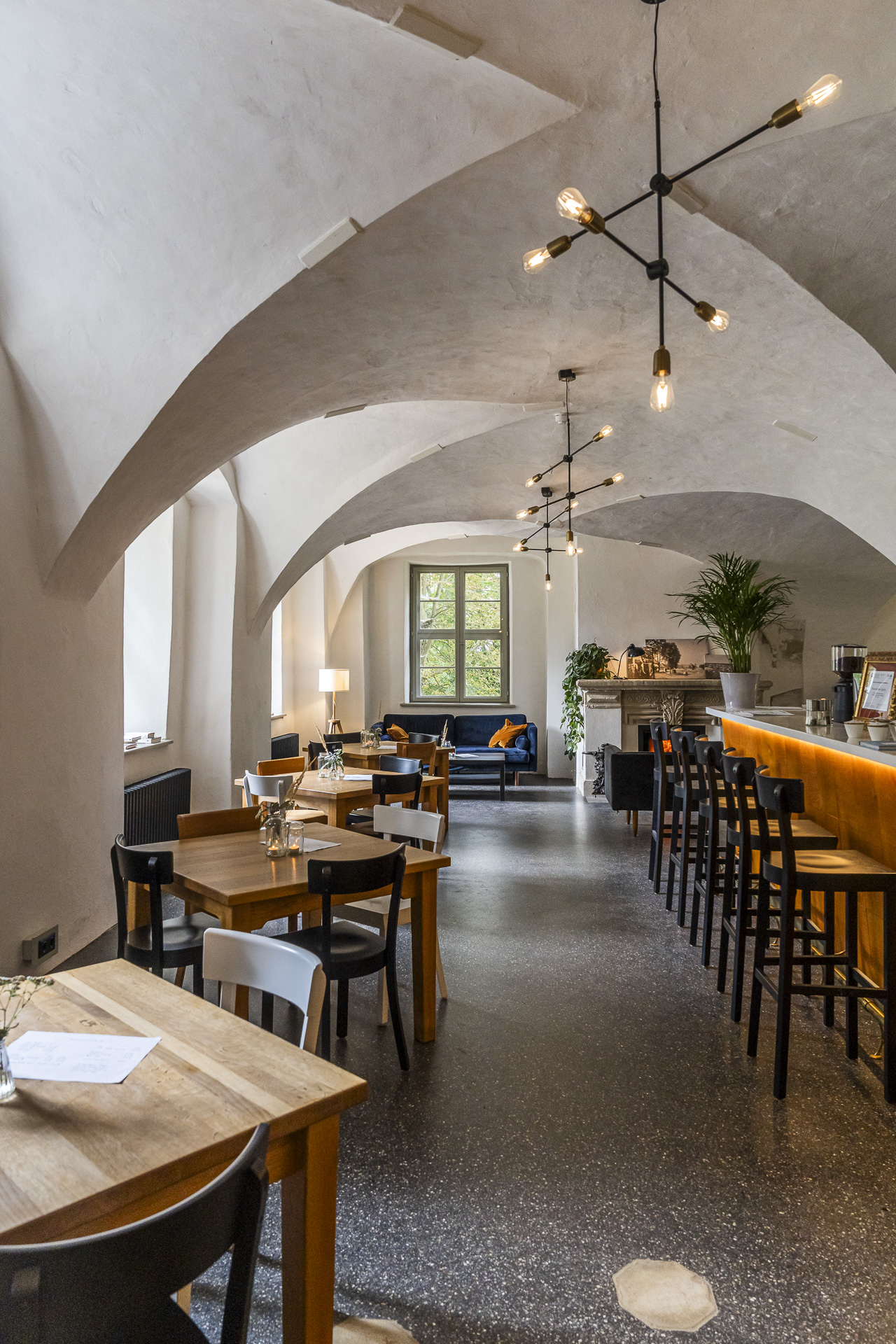
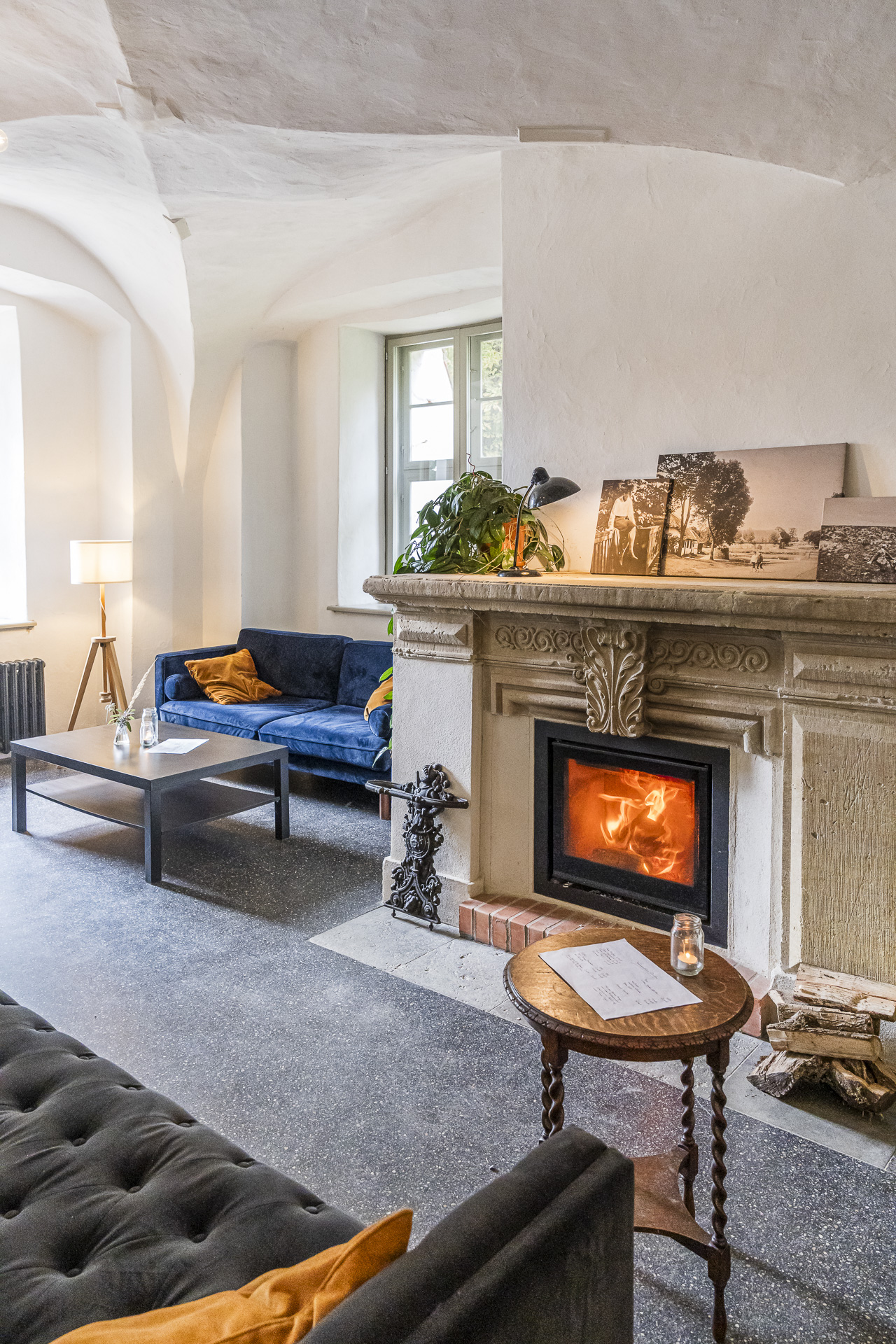
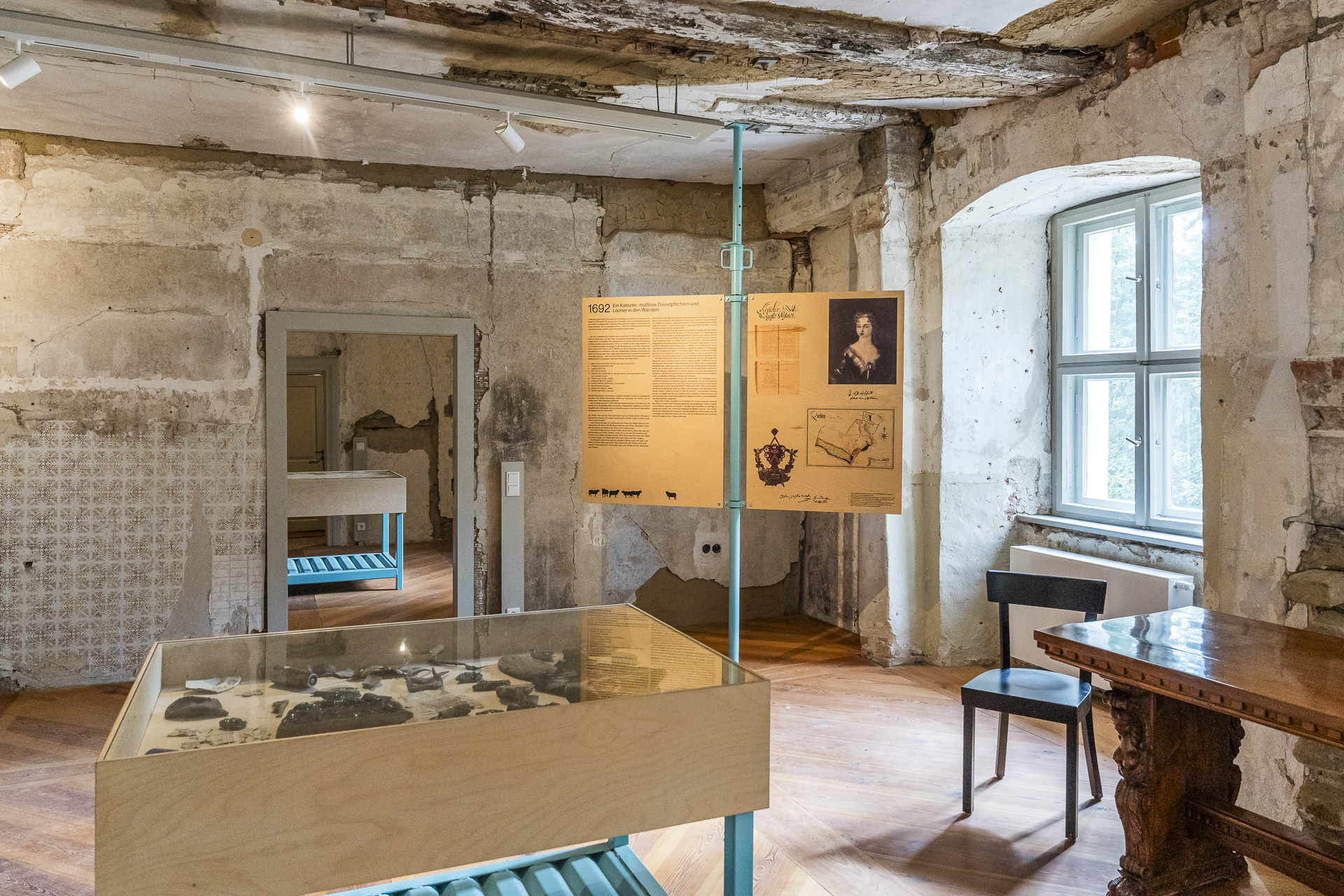
On the ground floor of the water castle a small café with really good coffee and excellent cake invites you to take a break. In the rooms above, an exhibition uses historical finds, documents and personal stories to tell of more than 450 years of estate management and the lives of the people who lived and worked here.
Also noteworthy is the restoration concept of the ‘transparent monument conservation’. Given the enormous structural challenges and limited funds, it was decided not to cover up every trace of the past. Instead, historic surfaces, earlier interventions and different construction phases were left visible. That way, the house’s eventful history can also be read directly from the rooms themselves.
Good to know: The exhibition can be visited free of charge; donations are welcome. Guided tours are also offered for groups by prior arrangement. Current information on opening hours and events can be found on the Website of Quilow Moated Castle.
Practical tips for your trip through Mecklenburg-Western Pomerania
How do I get to Mecklenburg-Western Pomerania and how do I get around locally?
From Switzerland, traveling by train via Hamburg to Rostock is a good option. Between Zurich and Hamburg, the new Nightjet trains with the handy Mini Cabins for solo travelers. For the onward journey to Rügen and Stolpe an der Peene, I picked up in Rostock at Enterprise a rental car. The branch is conveniently located on the Warnow waterfront and I was also pleasantly surprised by the service. While the car is practical for the longer stages in rural Mecklenburg-Western Pomerania, you can leave it parked for many of the excursions presented and explore the surroundings on foot, by bike, or from the water.
How many days should I plan for this itinerary through Mecklenburg-Vorpommern?
For the route presented from Warnemünde via Rügen to Stolpe an der Peene, I would allow six to seven days. With two nights at each of the three locations there is enough time for hikes, bike tours and additional excursions. Anyone who also wants to explore Stralsund, Greifswald or other Baltic Sea resorts should extend the trip by a few days.
When is the best time to take a trip to Mecklenburg-Vorpommern?
I traveled in September and can especially recommend this time of year for active nature experiences. The beaches and hiking trails are noticeably less crowded than during the summer holidays. Some of the accommodations presented are also appealing outside the main travel season. The Wasserferienwelt im-Jaich, for example, is open year-round and is likely to be particularly charming in winter.


Leave a Reply