



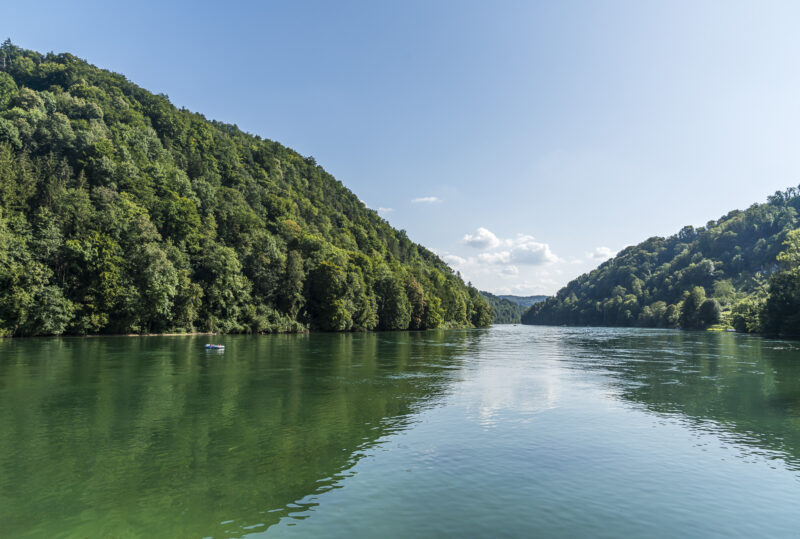
Veloland Rhine Route: 9 attractions and experiences between Schaffhausen and Bad Zurzach
Advertisement: Post in collaboration with IG RheinGenussRoute In this post, I take you on a bike tour along the Rhine from the northeasternmost city of Switzerland to Bad Zurzach.
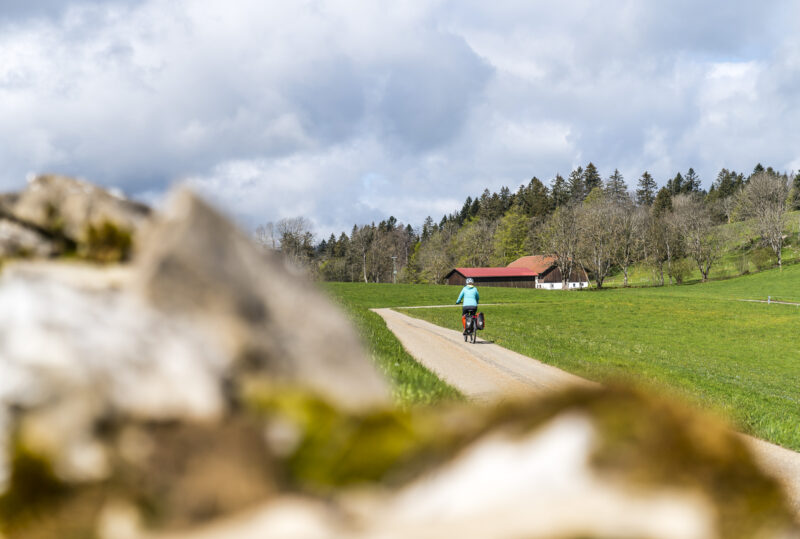
The most beautiful bike tours in Switzerland – these are my top 7
Switzerland is a cycling country – I know that at least since our first multi-day bike tour around Lake Lucerne, which we undertook in spring 2019. At that time, I was able to se
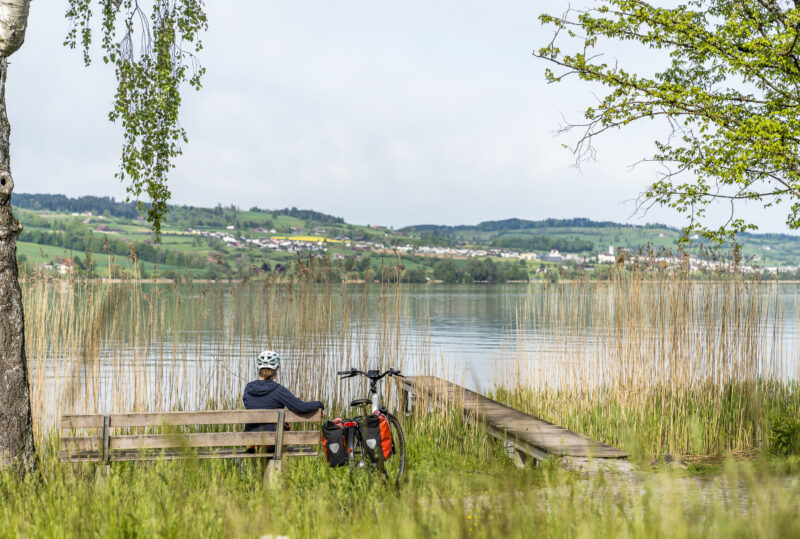
Herzschlaufe Napf & Seetal: the highlights of the “Luzerner KulTour” at a glance
Advertising: Contribution in cooperation with the four Lucerne rural regions Loop by loop, the “399” route winds its way through the branching valleys of the Napf regio
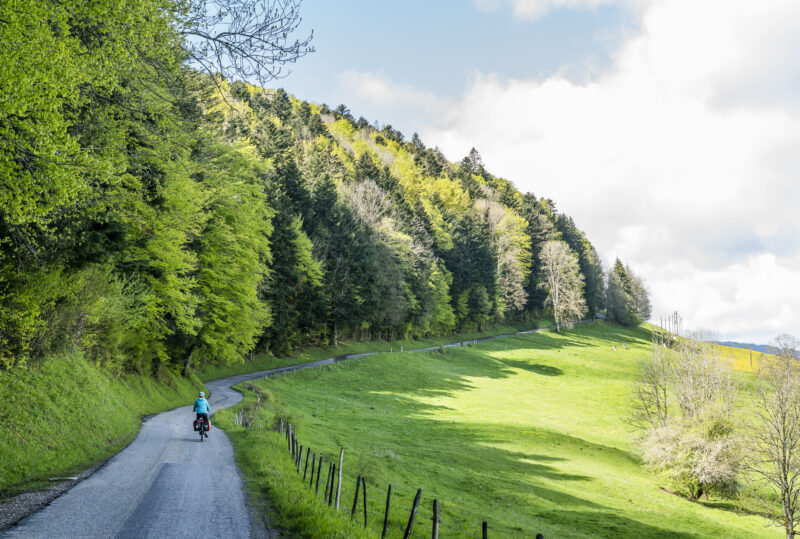
La Route Verte: 3 stages of the new e-bike tour in check
Advertising: Contribution in collaboration with the Jura & Three-Lakes Region All good things come in threes – when planning multi-day bike tours this year, we took the well-
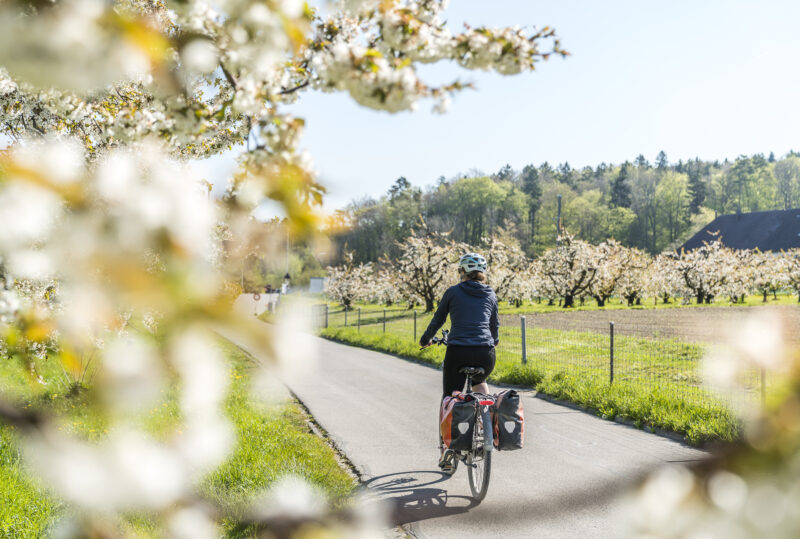
Bicycle tour through Seeland: Herzogenbuchsee – Lake Biel back in 3 days
Advertising: Contribution in cooperation with the Swiss Historic Hotels Two years ago – at the end of March 2019 – we packed our saddlebags for the first time for a multi-day b
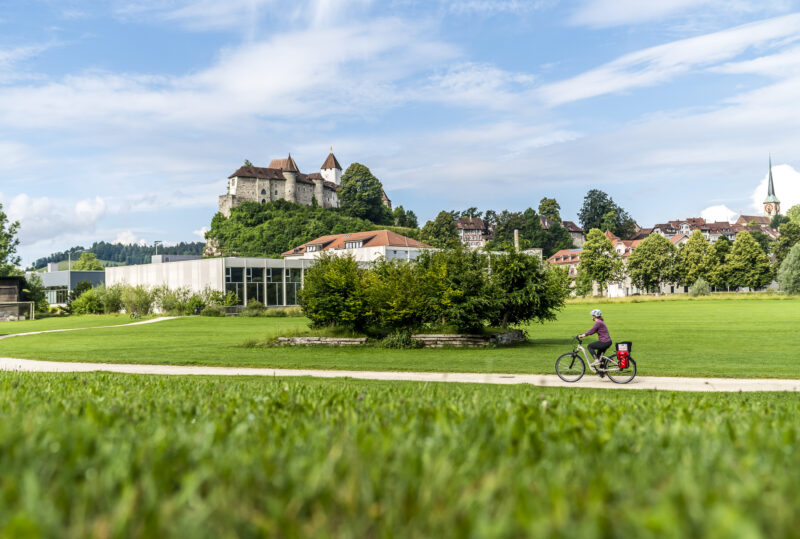
Bicycle tour through the canton of Bern: on the Herzroute from Laupen to Burgdorf
Advertising: in cooperation with the Swiss Youth Hostels Last year we went on a longer bike tour for the first time. At that time, we cycled around Lake Lucerne in the most beautif
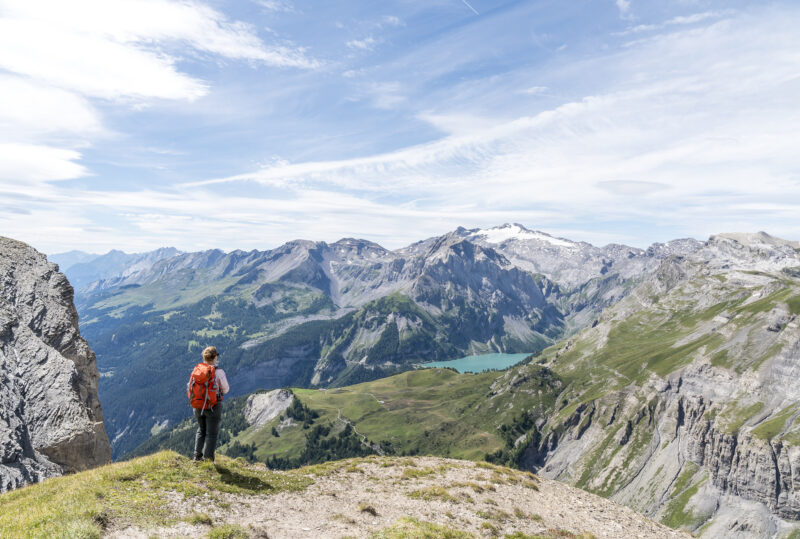
Youth hostel as a base for hiking and biking holidays in Switzerland? We tested it:
Advertising: in cooperation with the Swiss Youth Hostels It’s been four years since we conquered our first four-thousand-metre peak and got to know the latest generation of S
Around Lake Constance in 5 days: our bike tour along the Lake Constance cycle path
Without sweaty climbs, rarely more than a kilometer from a water source and rich in cultural attractions; No wonder the Lake Constance Cycle Path is one of the most popular long-di
Excursion tip Emmental cheese route: beautiful e-bike tour through the Emmental
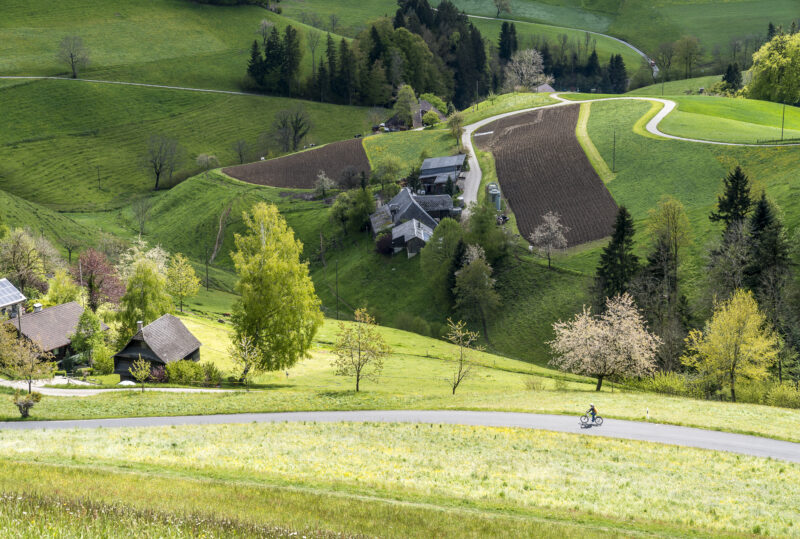
Advertising: this article was produced in cooperation with BLS Pedal at a brisk pace through the picturesque hilly landscape of the Emmental and at the same time learn exciting fac
Our first multi-day bike tour: around Lake Lucerne in 4 days
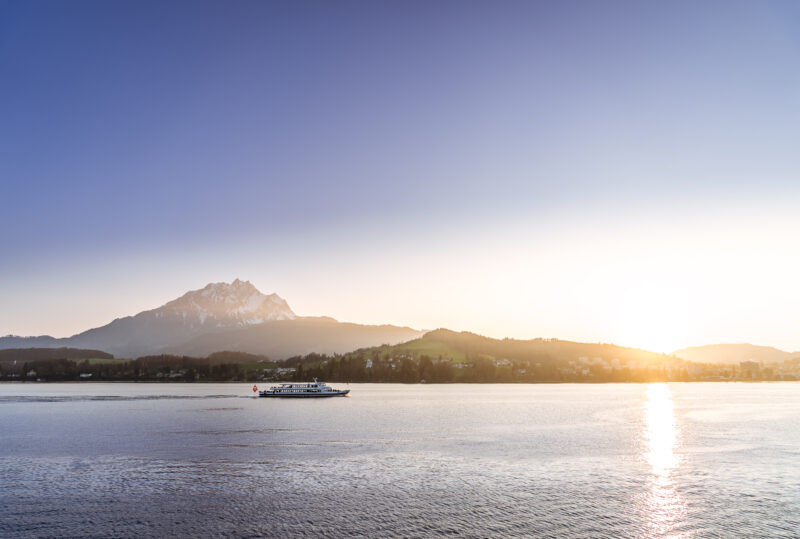
A bike, two waterproof saddlebags and four magnificent spring days awaited me at Lake Lucerne at the end of March. After I preferred hiking to cycling in recent years, this year I