


'/%3E%3Cpath%20fill='%23b2b2b2'%20d='M241%20382q0%2016%2017%2026%2017%2011%2042%2011t42-11q16-11%2017-26V269H241'/%3E%3Cpath%20fill='%239f7e00'%20d='M241%20379q0%2014%208%2023%209%209%2021%209%2014%200%2021-9%209-9%209-23V269h-59'/%3E%3Cpath%20d='M241%20339v-70h59v110q0%2014-9%2023l-6%205v-68h-15v72q-8%200-14-4v-68zm59%2040c0%2022%2015%2032%2029%2032%2021%200%2030-18%2030-32v-40h-59'/%3E%3Cpath%20fill='%239f7e00'%20d='M266%20277v5h2v12h-3v-5h2v-5h-9v5h2v5h-4v9h3v18h-5v10h34v-10h-5v-18h3v-9h-4v-5h2v-5h-9v5h2v5h-3v-12h2v-5zm42%20101q0%2010%206%2017%206%206%2015%207%2010-1%2016-7%206-7%206-17v-29h-43'/%3E%3Ccircle%20fill='%230044ad'%20cx='329.5'%20cy='372'%20r='6'/%3E%3Cellipse%20fill='%230044ad'%20cx='300'%20cy='340'%20rx='16'%20ry='21'/%3E%3C/svg%3E)


Vilnius: Attractions and Tips for Lithuania’s Underrated Capital
After our stops in Tallinn and Riga was Vilnius the third and final stop of our Baltic leg on the Baltic Sea round trip by train, ferry and bus. We spent two nights in the Lithuanian capital and after just a few hours it was clear: of the three cities, Vilnius surprised me the most.
The city feels less touristy than Tallinn or Riga, is manageable in size and at the same time surprisingly varied. Medieval Old Town lanes meet trendy cafés, baroque churches meet lots of green, and the cultural scene impresses with its diversity. It’s precisely this contrast that makes Vilnius an exciting destination for a city trip off the usual European hotspots.
In this post you’ll find the top sights in Vilnius, our personal tips for restaurants and cafés, as well as practical information for your city trip to Vilnius.
Arrival and first impressions
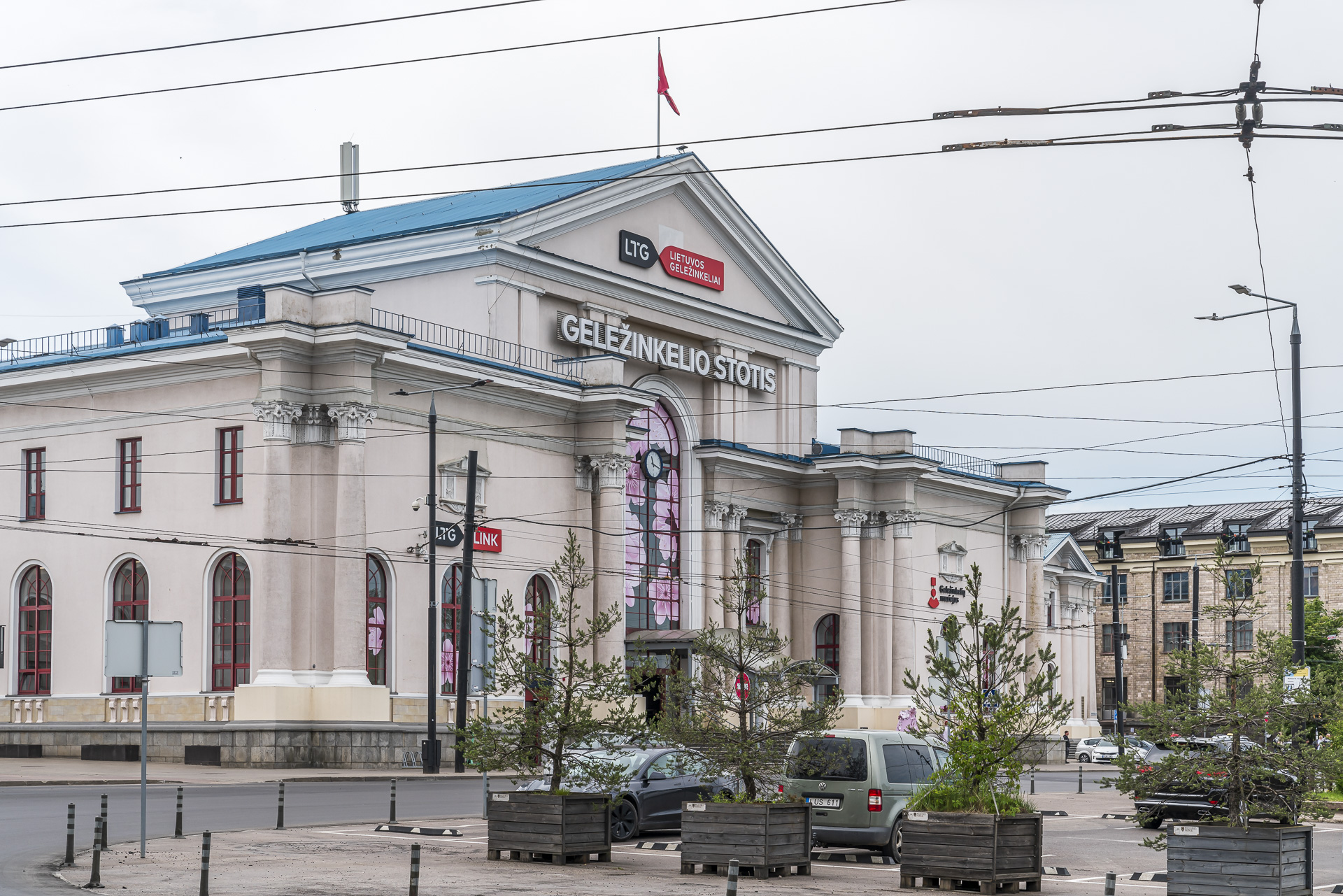
We traveled by train from Riga. With the once-daily direct connection, travel time is now only four hours since the latest timetable change. The main station (Geležinkelio stotis) is on the southern edge of the Old Town. It’s about 1.3 km from the station to the centrally located Town Hall Square, an easy walk.
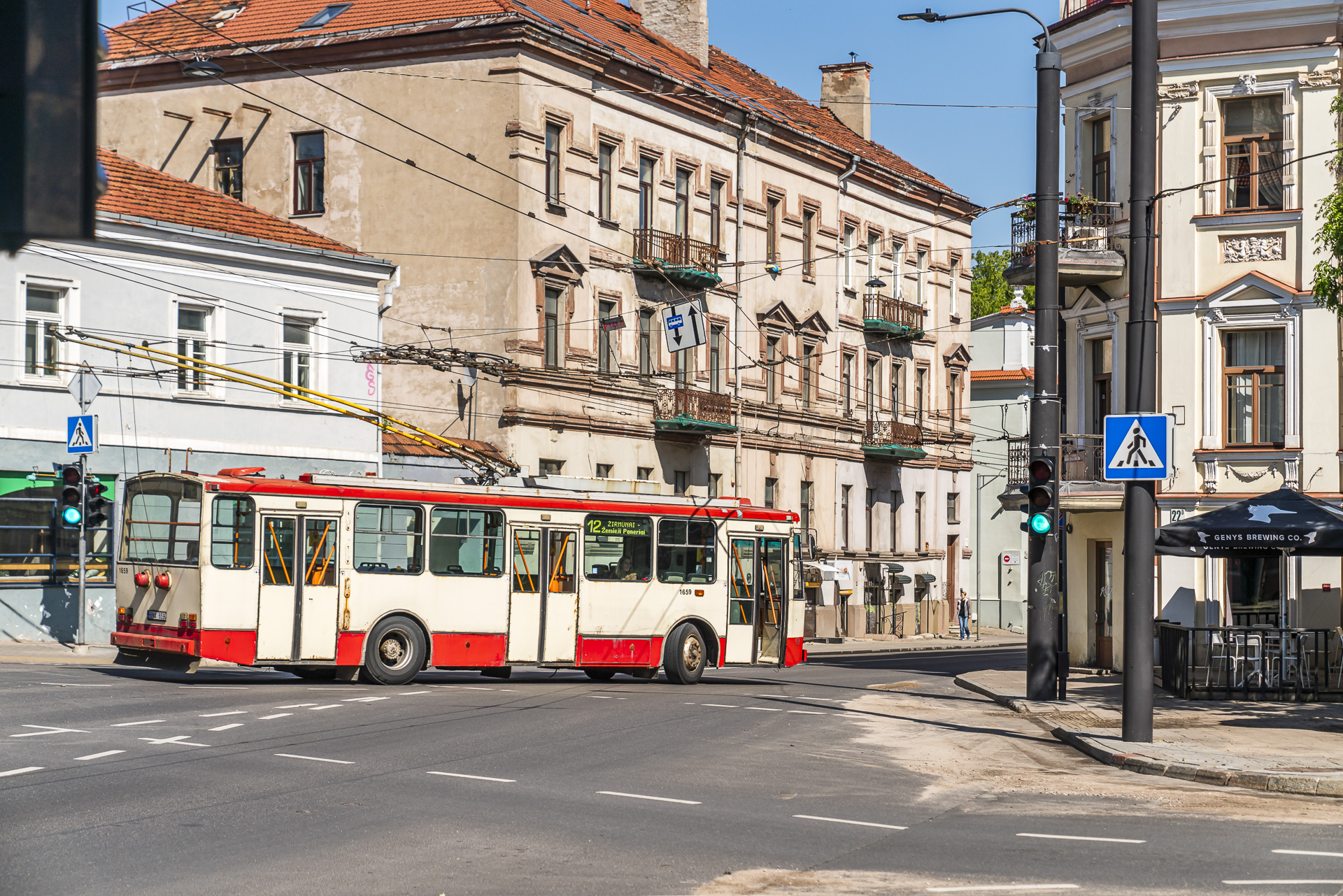
Even on the walk from the station to the center you can see the mix that’s so typical of Vilnius. Renovated old buildings stand next to unobtrusive prefab apartment blocks. In between, trolleybuses, small shops and cafés. A very everyday Eastern European groove (and I mean that in a positive way!) without a contrived tourist façade. Along this route is, among other things, the Gate of Dawn (Aušros Vartai), one of the city’s most important religious landmarks. Also on the way is the market hall «Halės turgus», which is a good spot for a first culinary stop.
Vilnius in 2 days: how we spent our time
Vilnius is the fastest-growing city in the Baltics and, with around 610’000 inhabitants, has overtaken Riga as the largest city in the region. Although it’s also the most extensive of the three Baltic capitals in terms of area, it feels surprisingly compact: most sights are within the Old Town or within walking distance, which makes for a relaxed city trip. We split our just under two days like this:
Day 1 (arrival in the late afternoon): Check-in at Hotel Pacai, first walk through the Old Town and a relaxed dinner at the hotel.
Day 2: A packed day of sightseeing including Gediminas Castle, St. John’s Church, Užupis, the Bernardine Garden (Bernardinų sodas) and visits to museums. Ending the day at the restaurant Džiaugsmas.
Day 3 (Morning): Last impressions, a coffee, and heading off to Warsaw.
One thing up front: our time was rather tight, and I would have liked to spend another full day in Vilnius to dive a bit deeper into the city’s history. If you want to take more time at the individual sights, I recommend planning three full days. That also leaves room for additional museum visits or a half-day trip into the surroundings, for example to Trakai Island Castle or the open-air museum Rumšiškės.
The most beautiful sights in Vilnius
1. Walking tour of Vilnius Old Town
Vilnius’ Old Town is one of the largest and best-preserved medieval old towns in Eastern Europe and has been a UNESCO World Heritage Site since 1994. Across roughly 3.6 square kilometers, splendid Baroque churches, Gothic and Renaissance buildings, and Neoclassical ensembles stand side by side. As the main axis, the Pilies Street runs through the quarter and forms the ideal starting point for a walk through the Old Town.
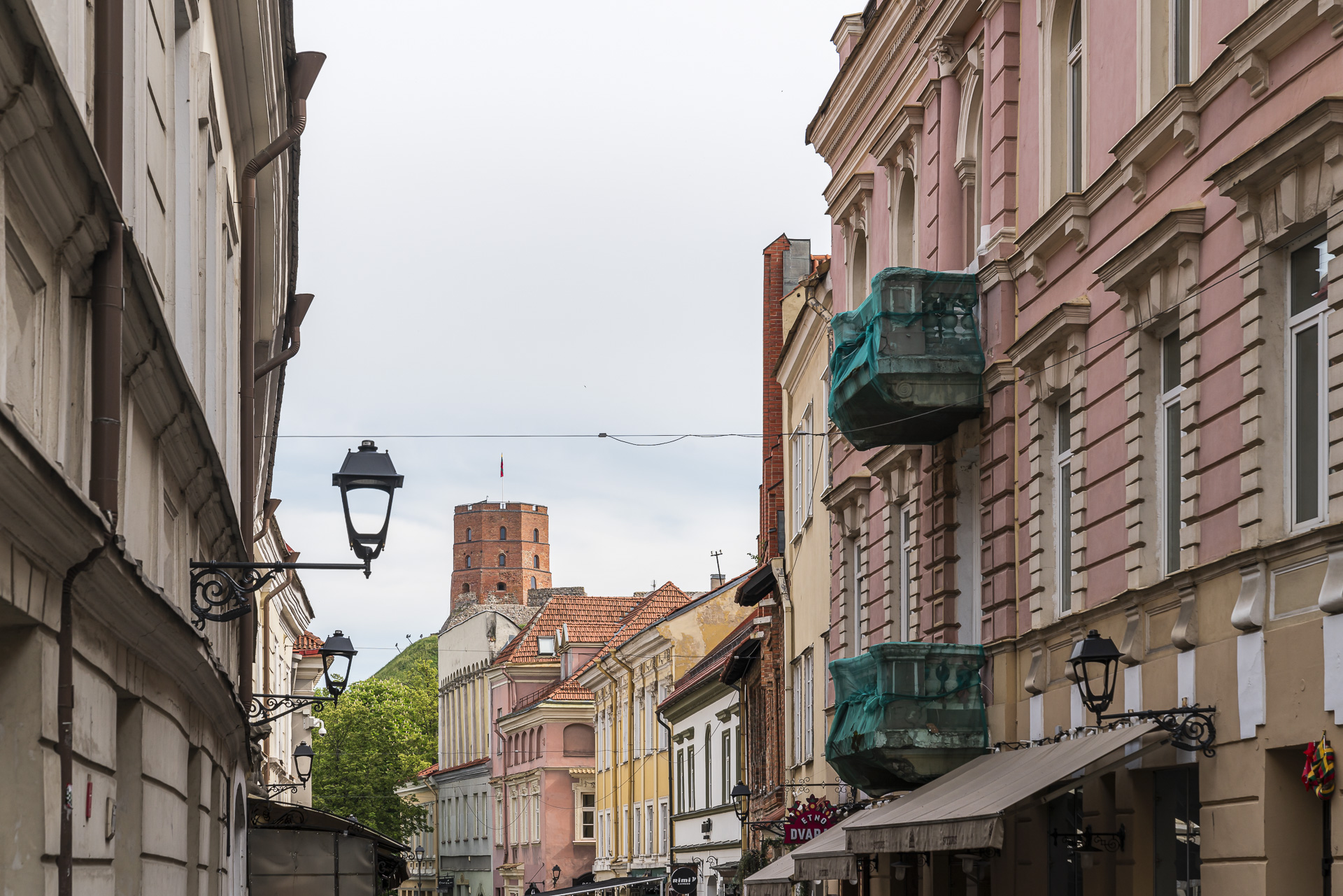
My tip: Don’t hesitate to leave Pilies Street and turn into the smaller side streets – particularly worthwhile are the Stiklo Street and the Literatų Street. There you’ll find cobblestone lanes, hidden courtyards, small churches and charming cafés – and the best part: significantly fewer tourists than, for example, in the also very picturesque Old Town of Tallinn.
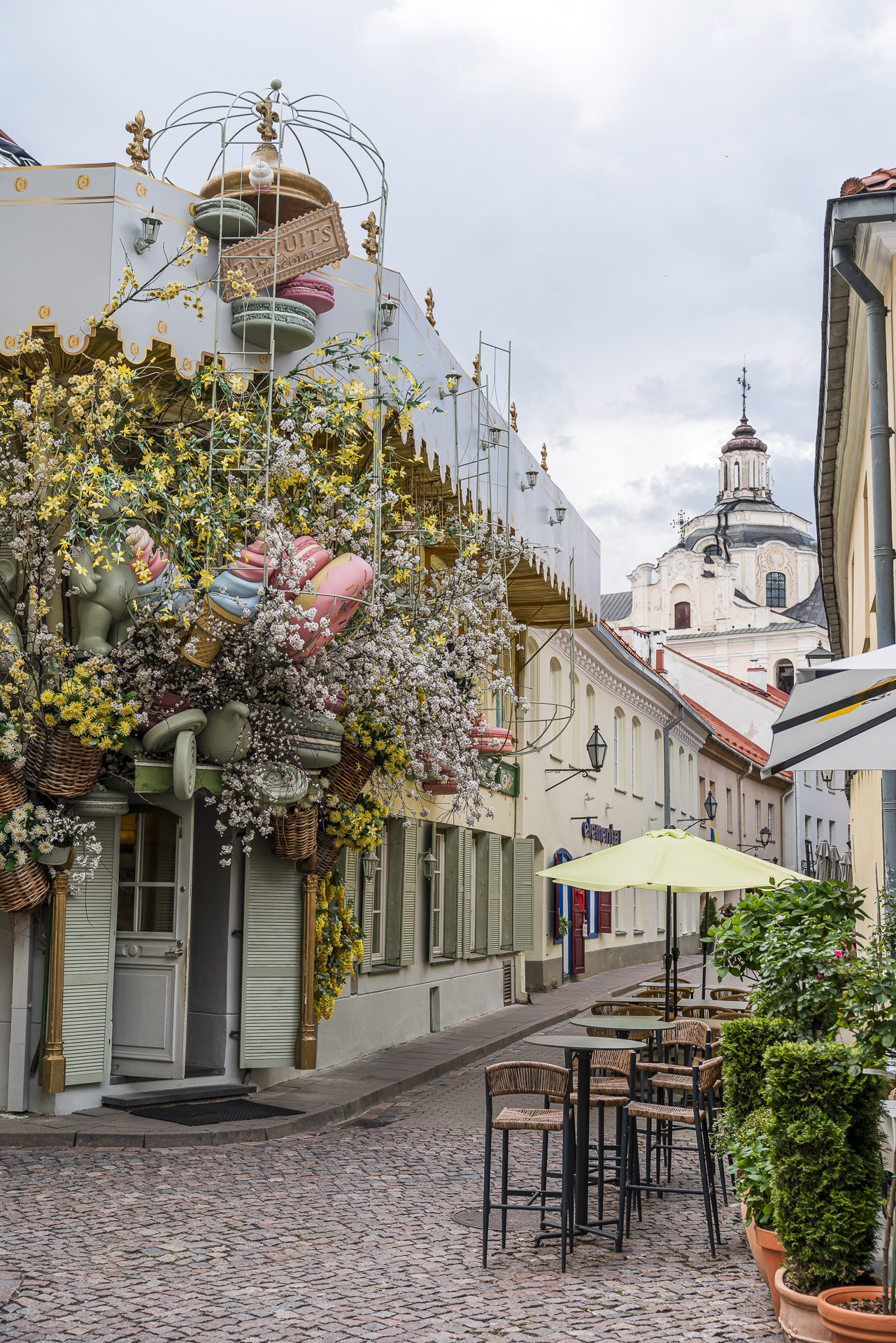
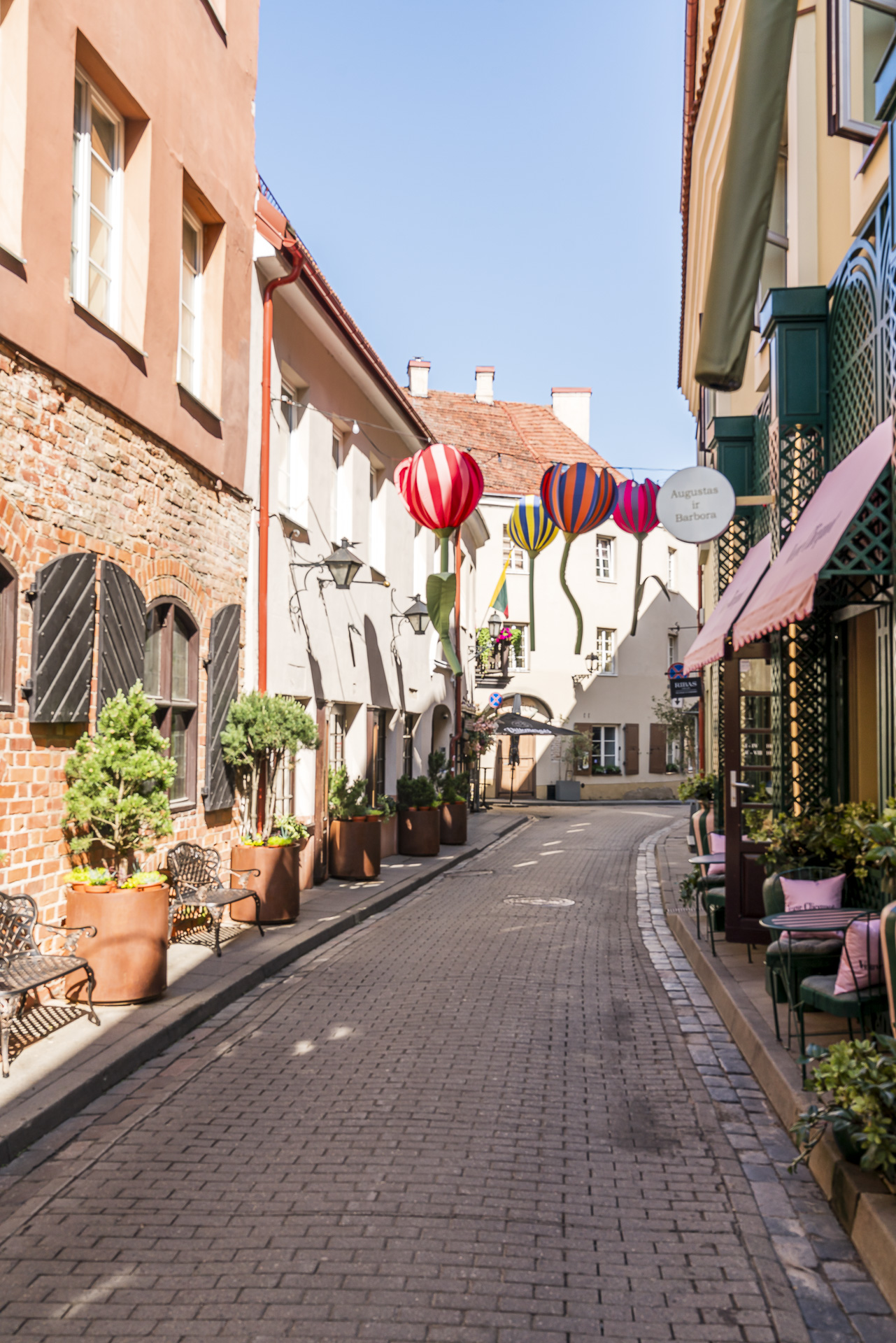
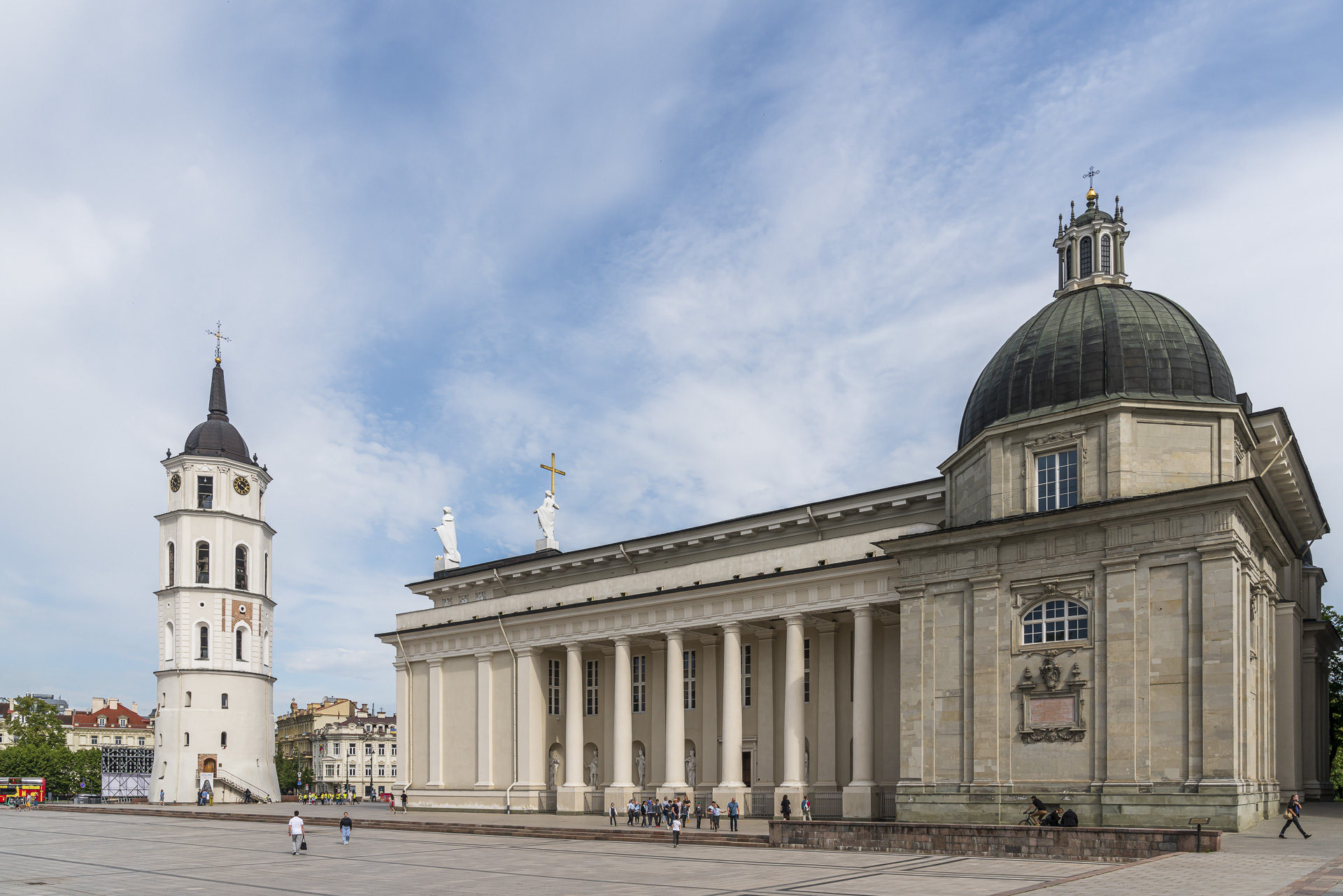
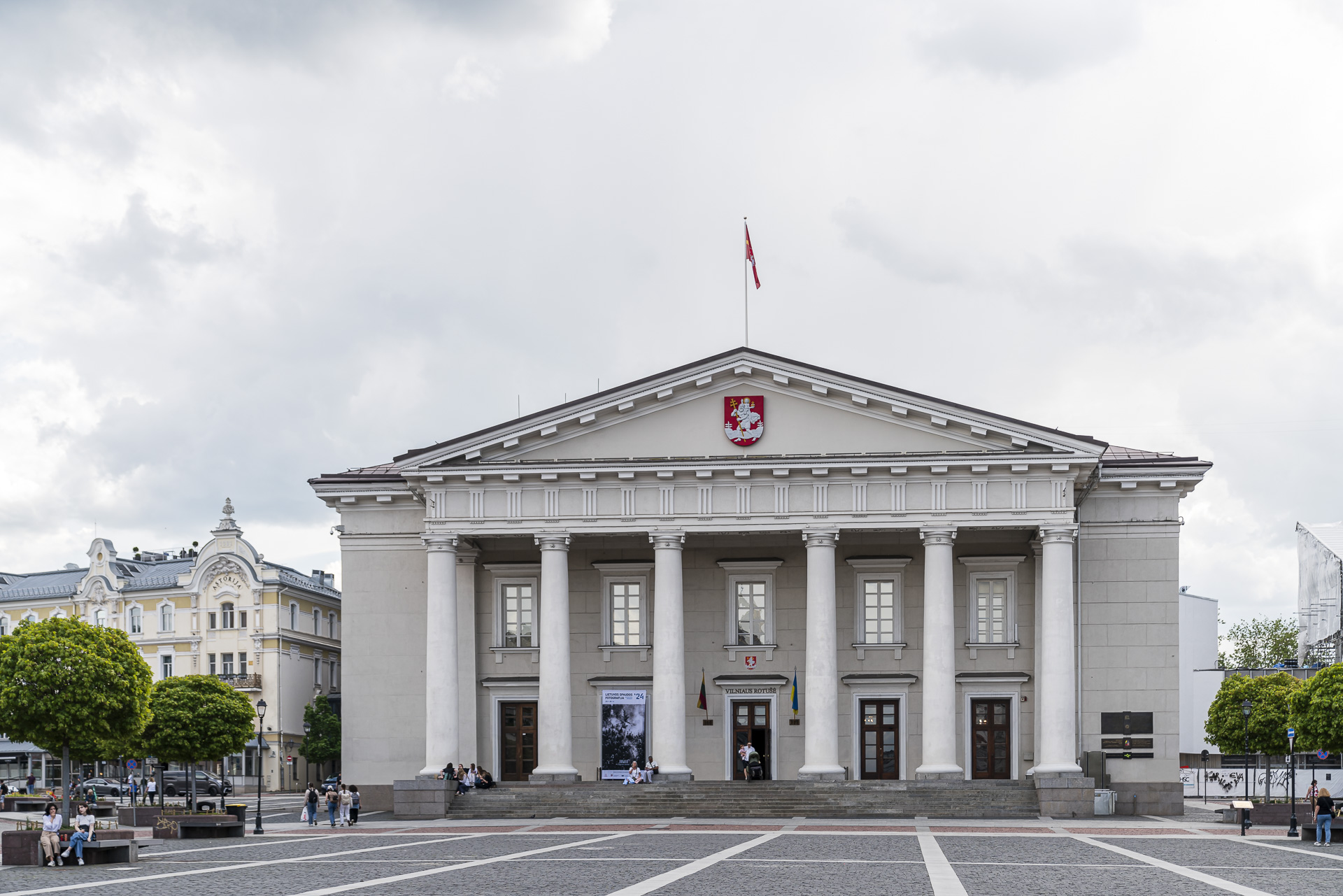
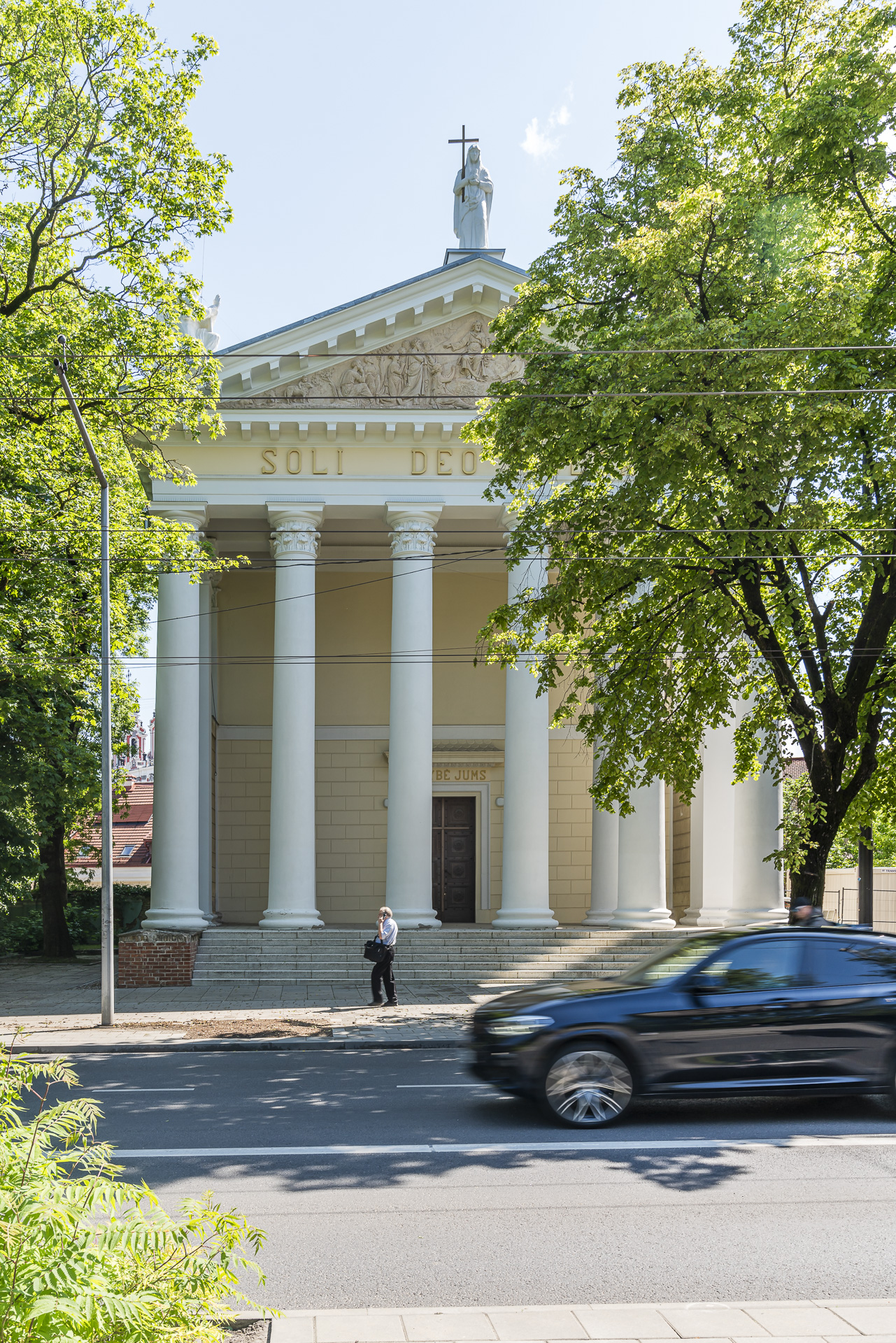
Among the Old Town’s most important sights are Cathedral Square in the north with the cathedral built in the Neoclassical style Cathedral Basilica of St. Stanislaus and St. Ladislaus and its freestanding bell tower, as well as Town Hall Square in the south with the also Neoclassical Town Hall. Both are also ideal landmarks for your walk.
Lithuanian Neoclassicism, characterized by clear symmetry and a formal language inspired by Roman antiquity, found one of its most important expressions in Vilnius. The cathedral was designed in 1801 by the architect Laurynas Gucevičius and is considered one of the country’s most significant Neoclassical buildings – as is the Town Hall, which was completed in 1799.
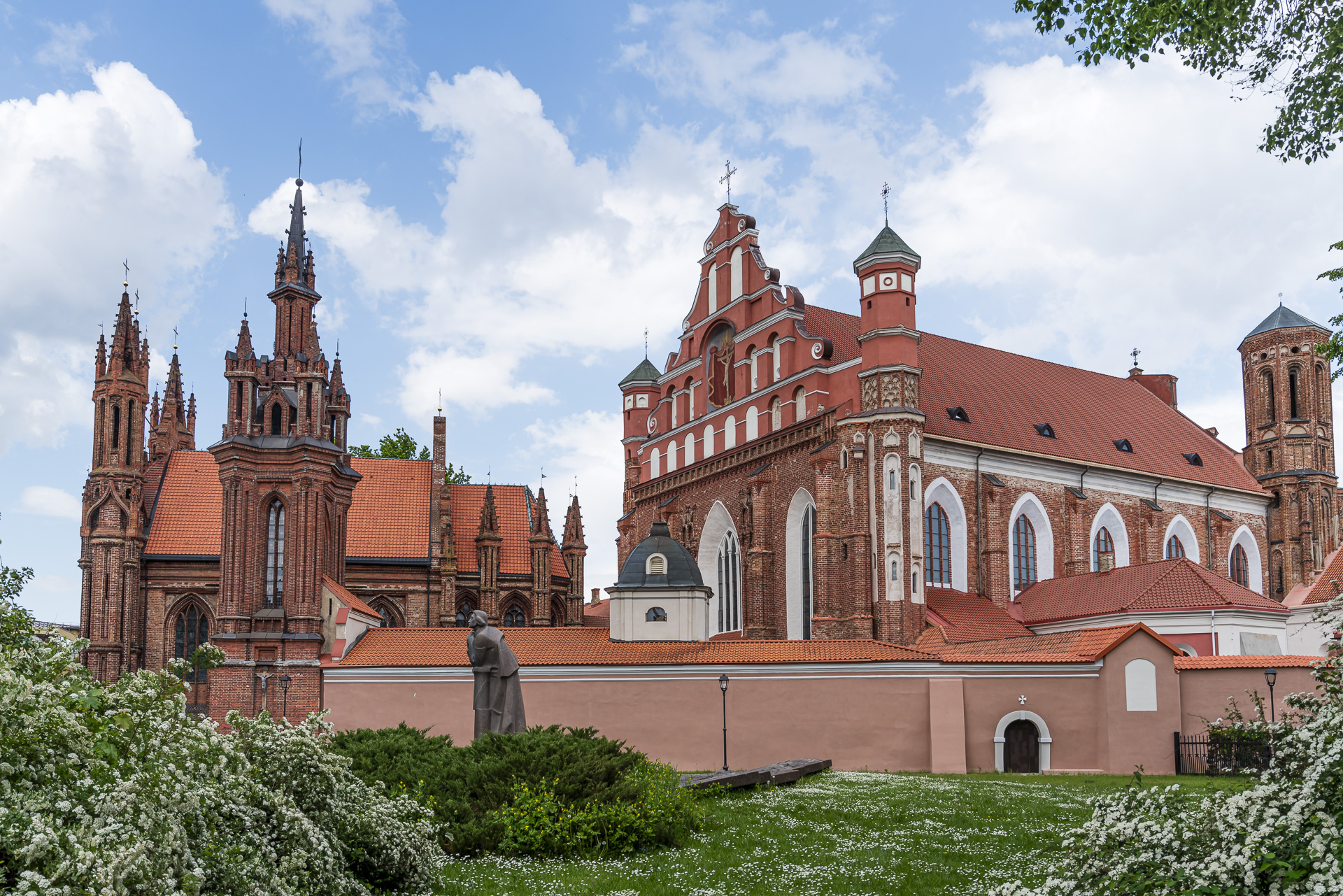
A particular jewel off the main axis is the ensemble of St. Anne’s Church and the Bernardine Church. The delicate brick Gothic of the St. Anne’s Church is said to have even impressed Napoleon so much that he wanted to “carry it to Paris in his hand.” Right next to it stands the more massive, also built of red brick, Bernardine Church – together one of the most photogenic sights in the entire city.
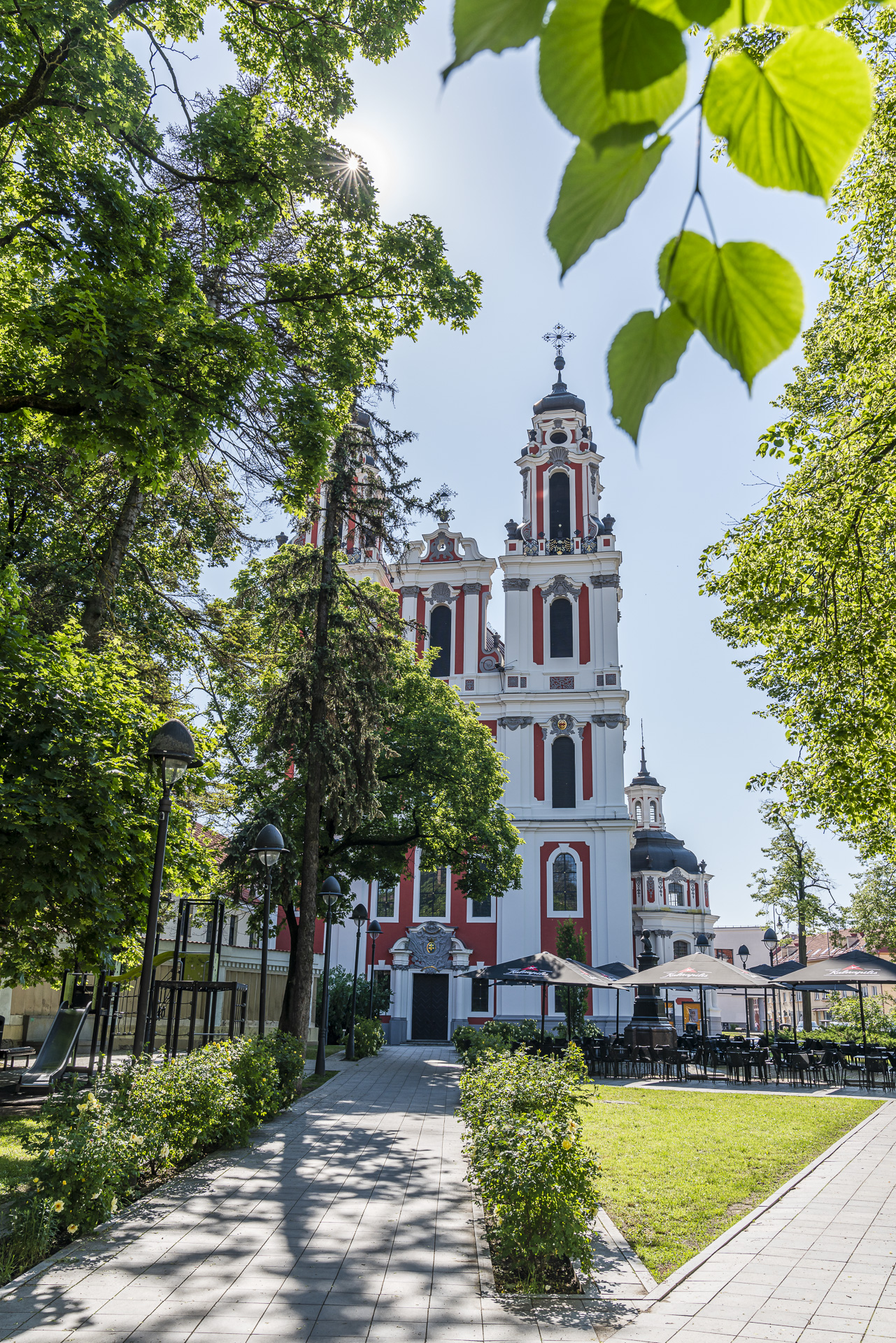
Also worth seeing is the Baroque St. Catherine’s Church with its cream-white and pink twin-tower façade – and almost around every corner you’ll find fascinating façade details and interesting architectural contrasts to discover.
2. St. John’s Church – the first viewpoint in the middle of the Old Town
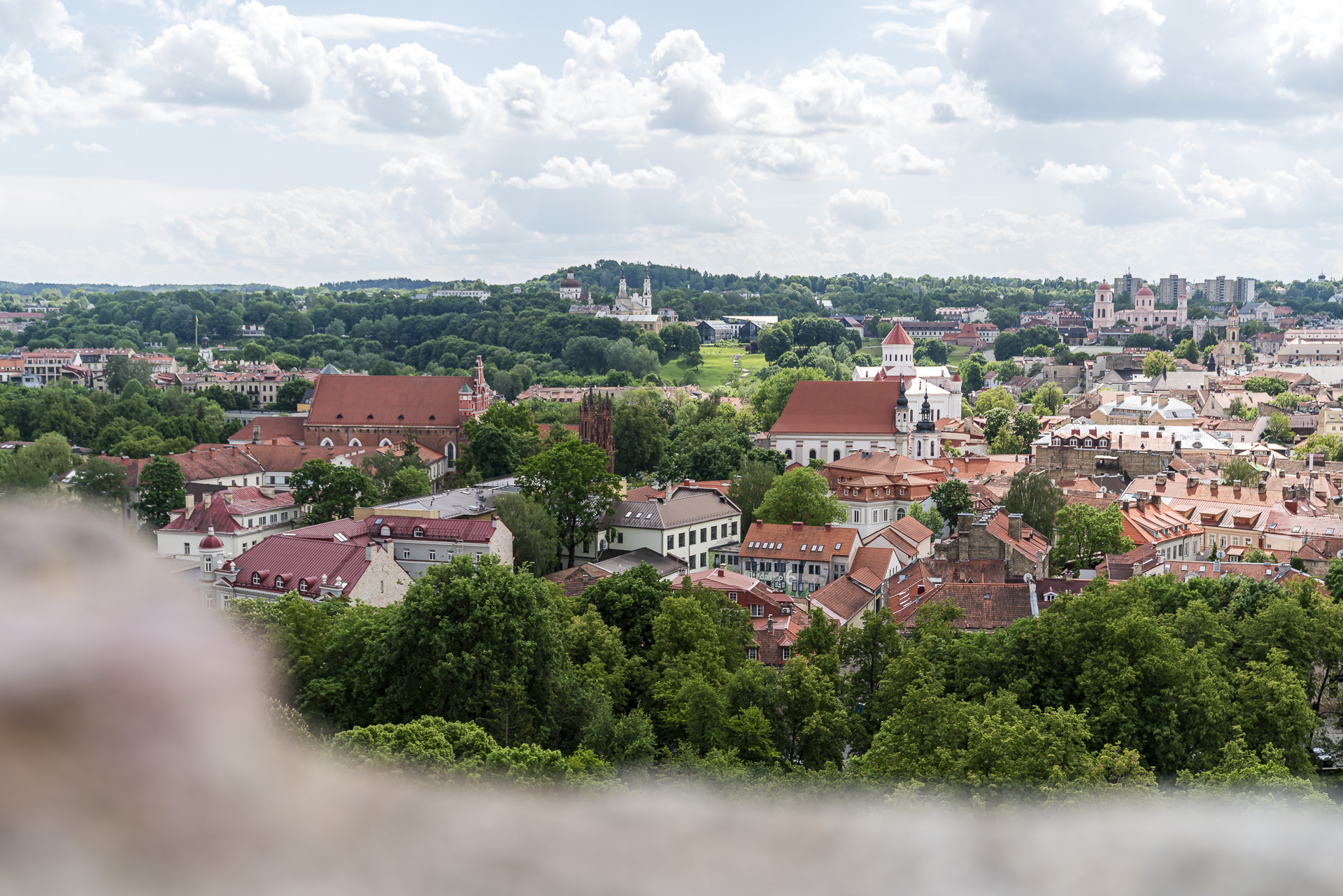
Right in the Old Town you’ll also find the first worthwhile viewpoint: the St. John’s Church (Šv. Jonų bažnyčia). It is part of the Vilnius University ensemble, one of the oldest universities in Eastern Europe, founded in 1579. Its freestanding bell tower, at 68 meters, is the tallest tower in the Old Town. The viewing platform at a height of 45 meters can be reached either via 193 wooden steps or comfortably by elevator.
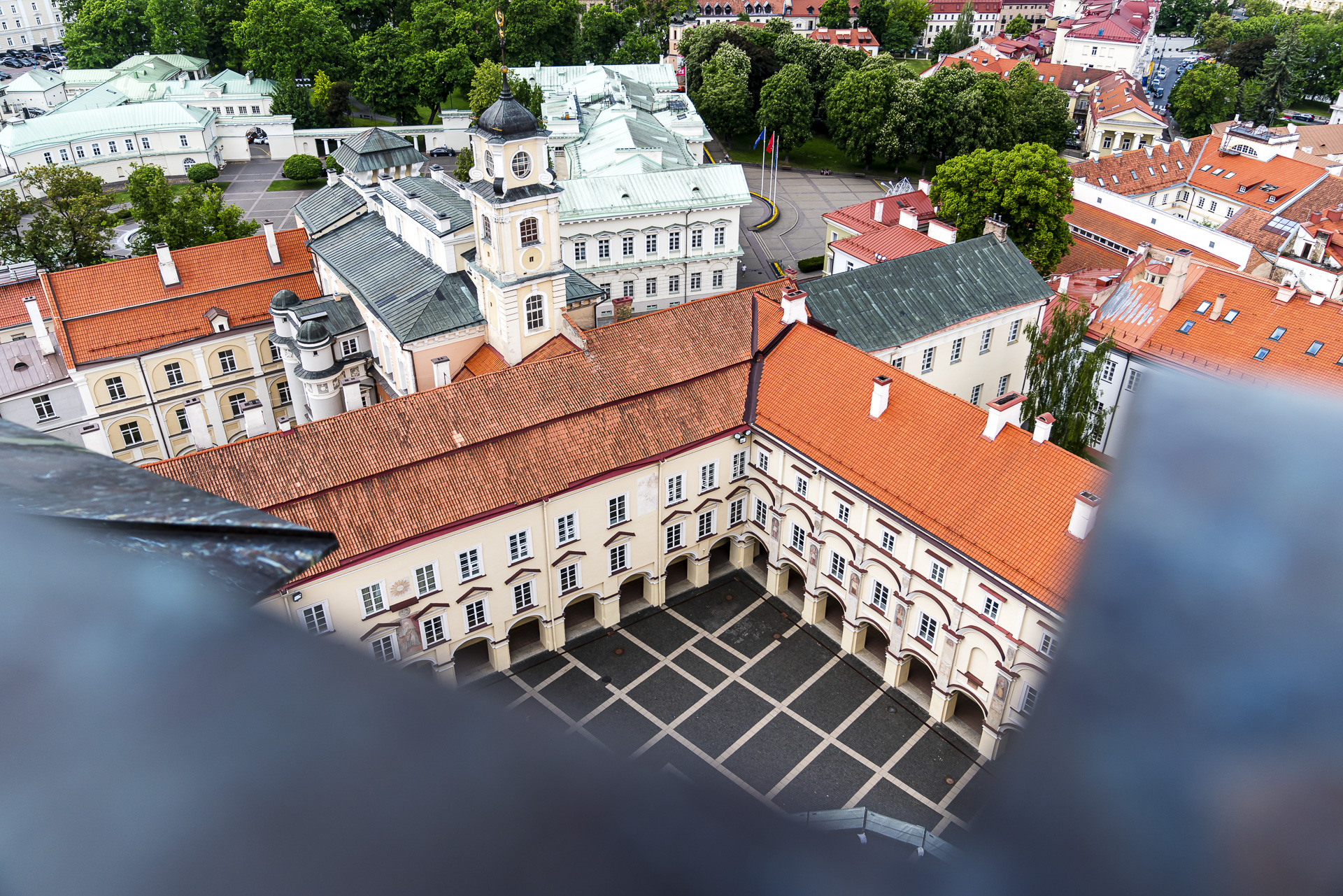
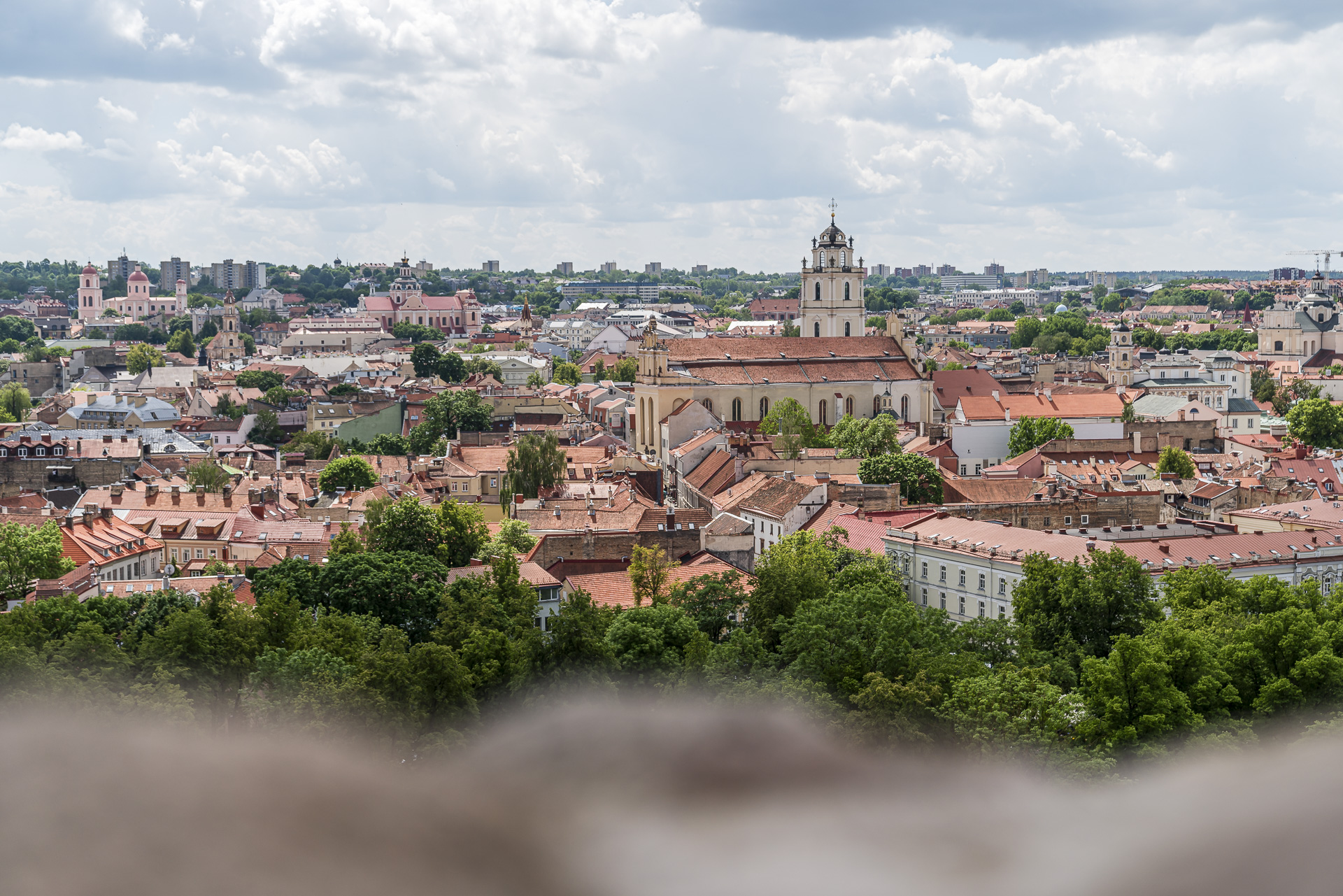
From above you get an impressive 360° view over the greenery-surrounded Old Town: the countless church towers, the red roofs and far into the surrounding countryside. From here I can already see the next attraction we’ll take a closer look at: the only surviving corner tower of Vilnius’ Upper Castle on the prominent Gediminas Hill, which rises 140 meters.
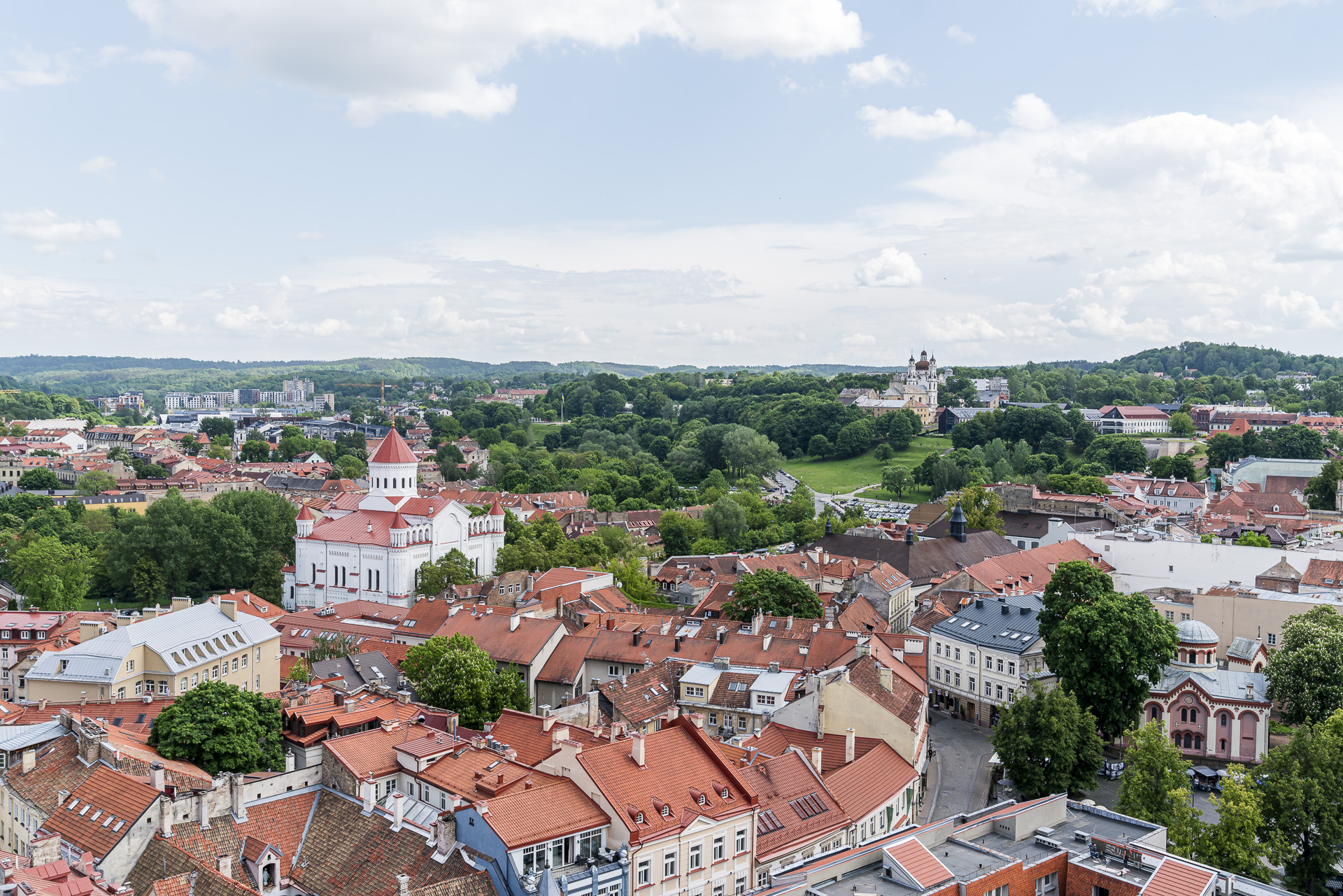
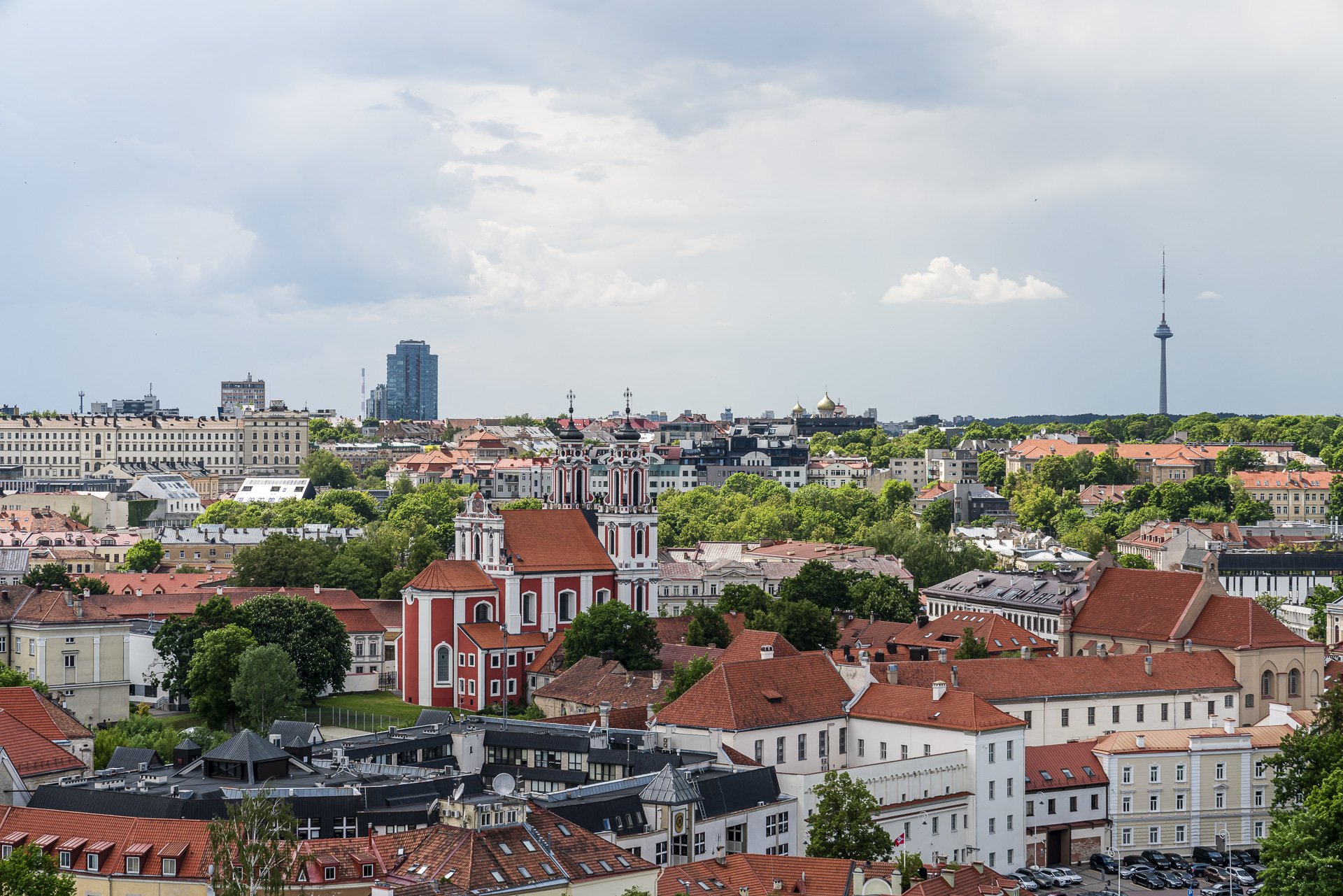
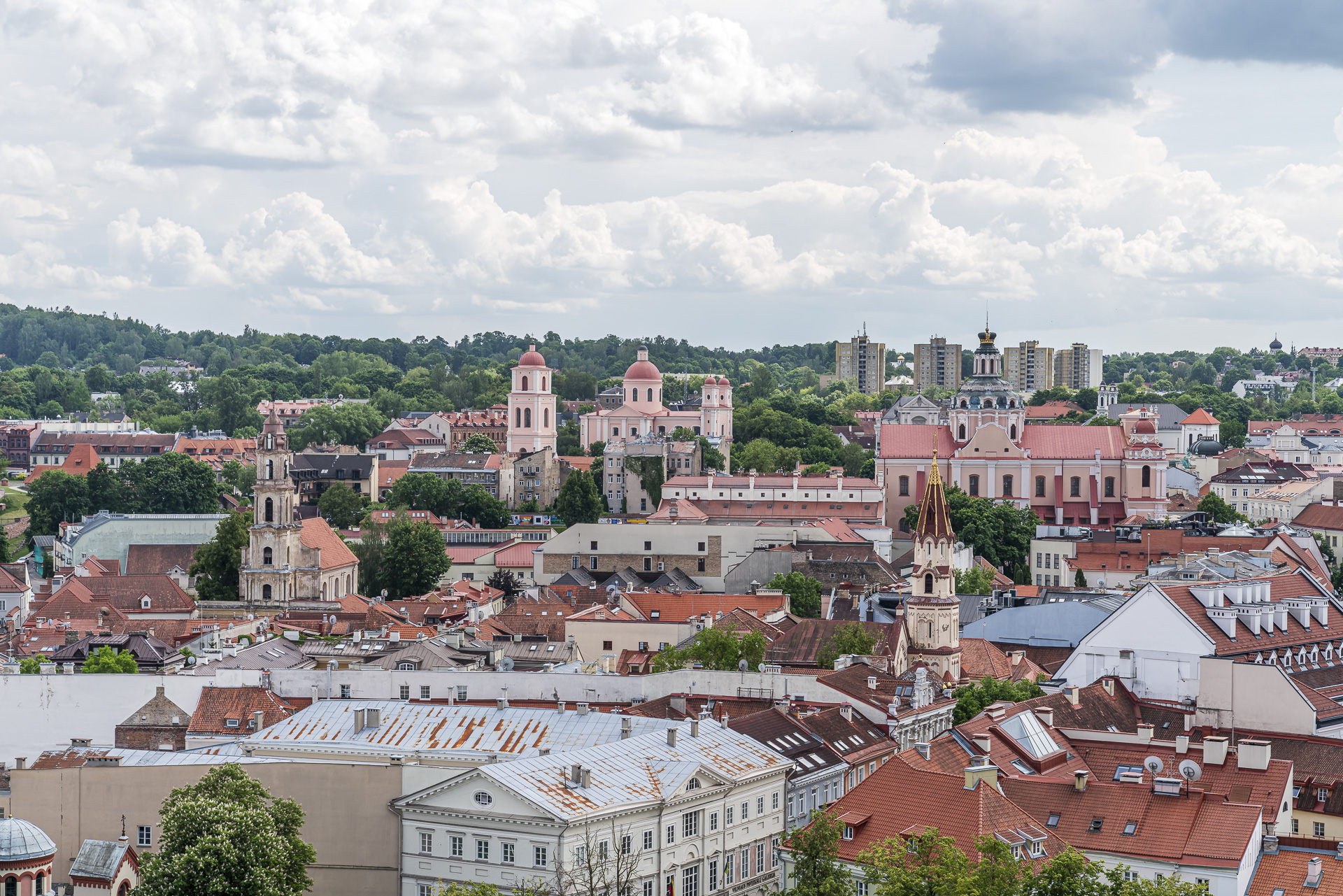
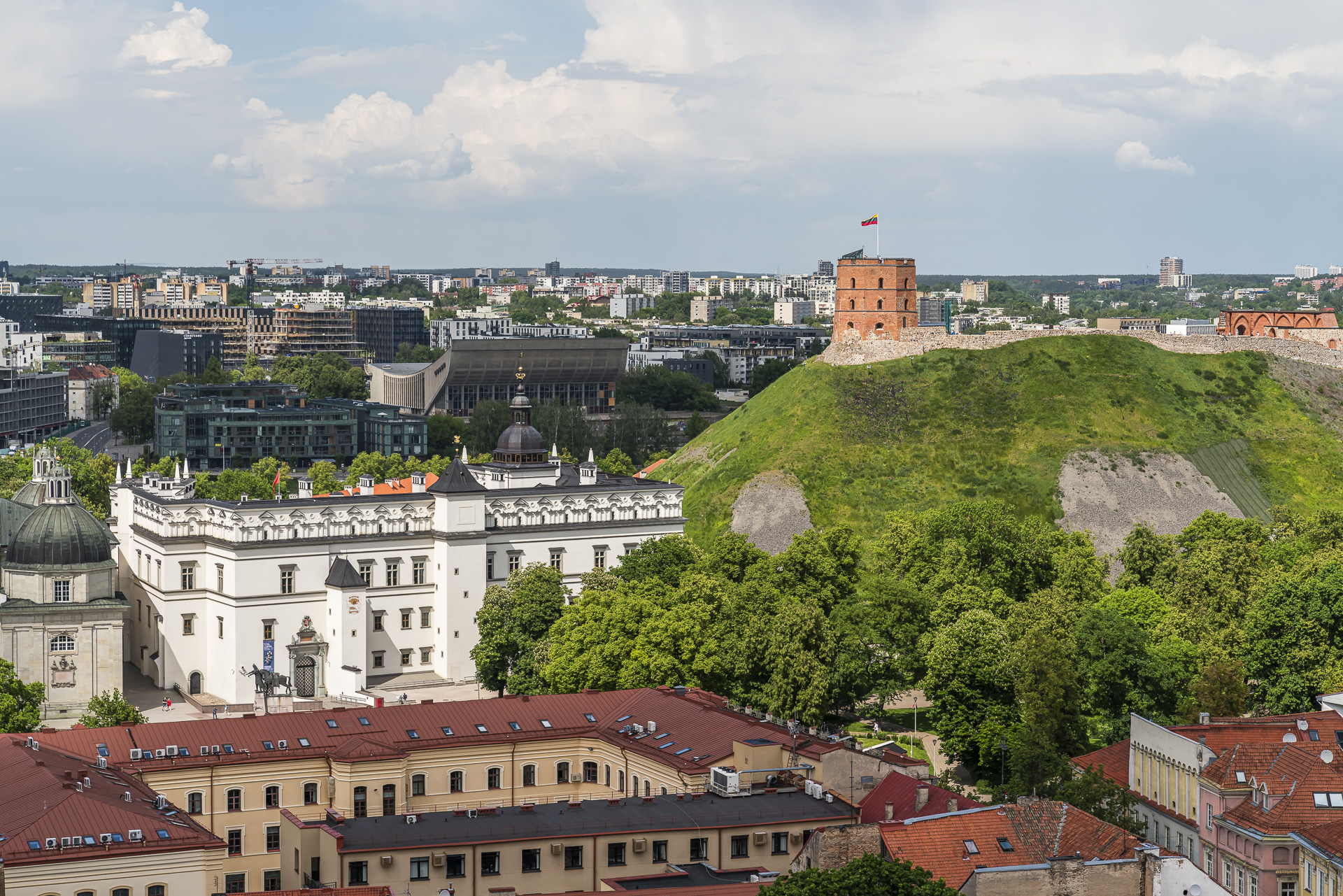
Good to know: the bell tower of St. John’s Church is only accessible in the summer months from May to mid-October. Admission costs 7 euros for adults. Current information on visiting hours and admission prices can be found on the website of the University.
3. Detour to Gediminas Tower and a walk along the Neris
We intentionally combined the detour to Gediminas Tower with a walk along the Neris – a route I highly recommend because it dramatically changes your perspective on Vilnius. On one side are the red Old Town roofs and the castle hill; on the other, the modern skyline with high-rises and shopping centers. Especially from the riverbank the castle hill with Gediminas Tower looks impressive: the city’s landmark and one of the last surviving parts of the medieval castle complex.
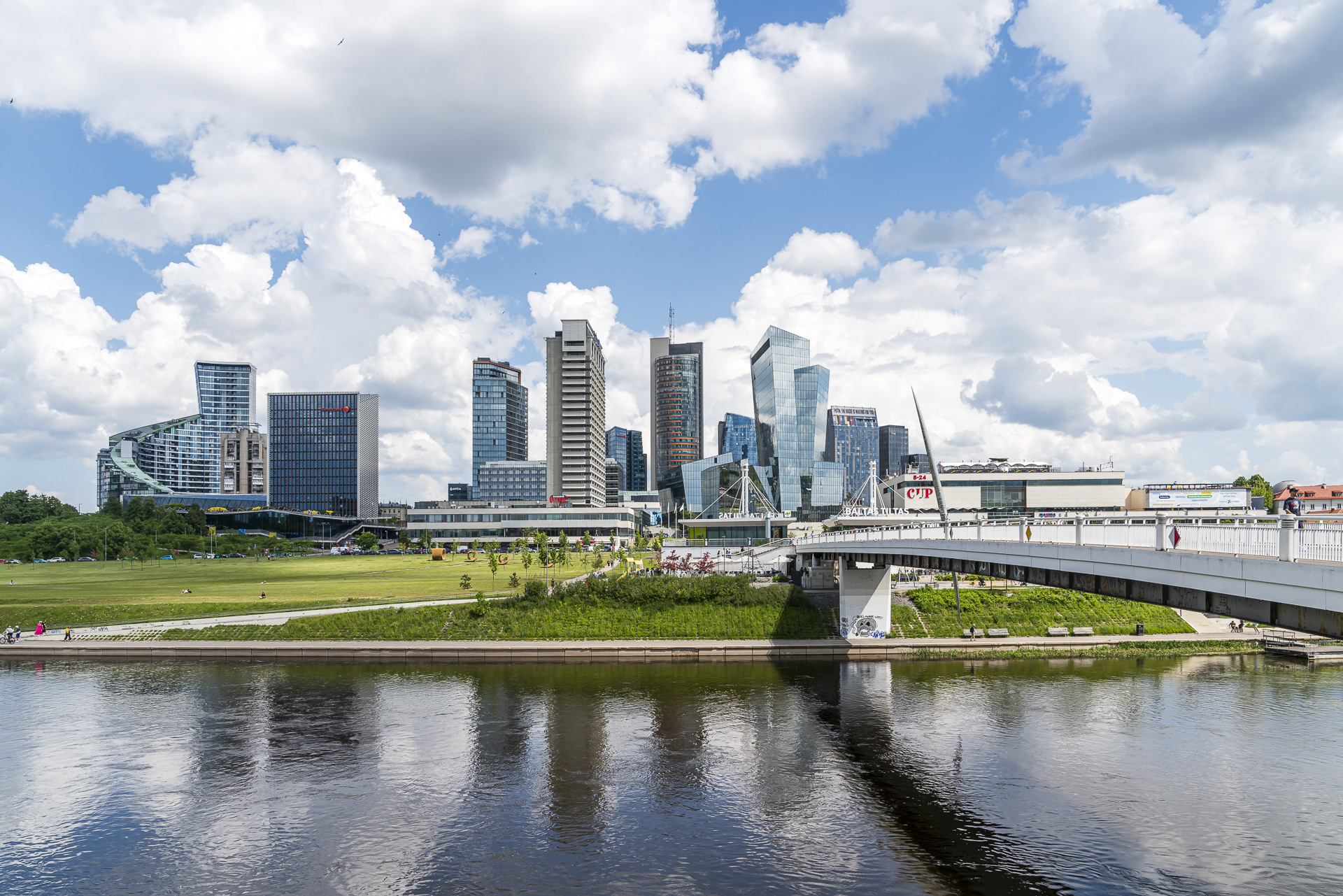
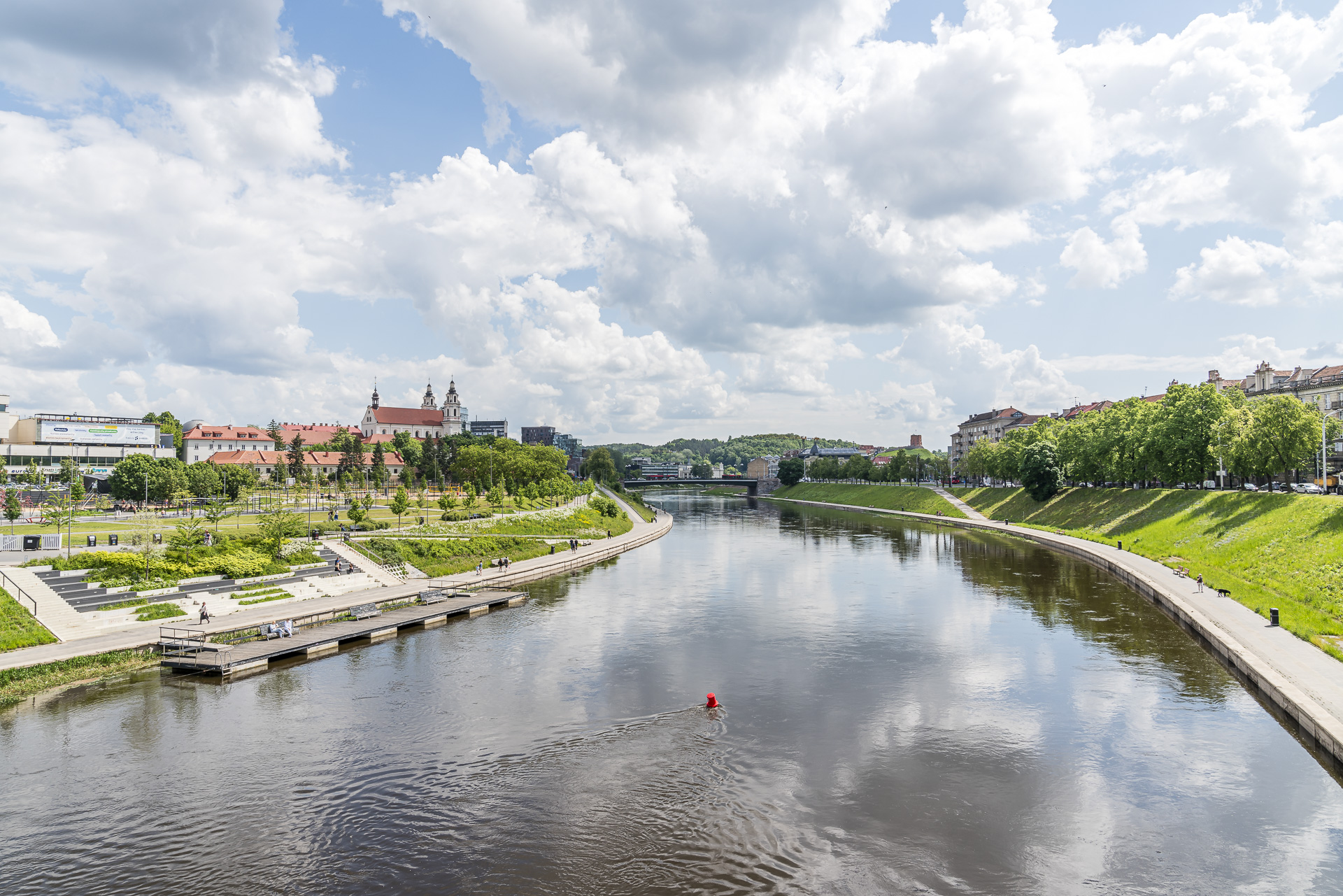
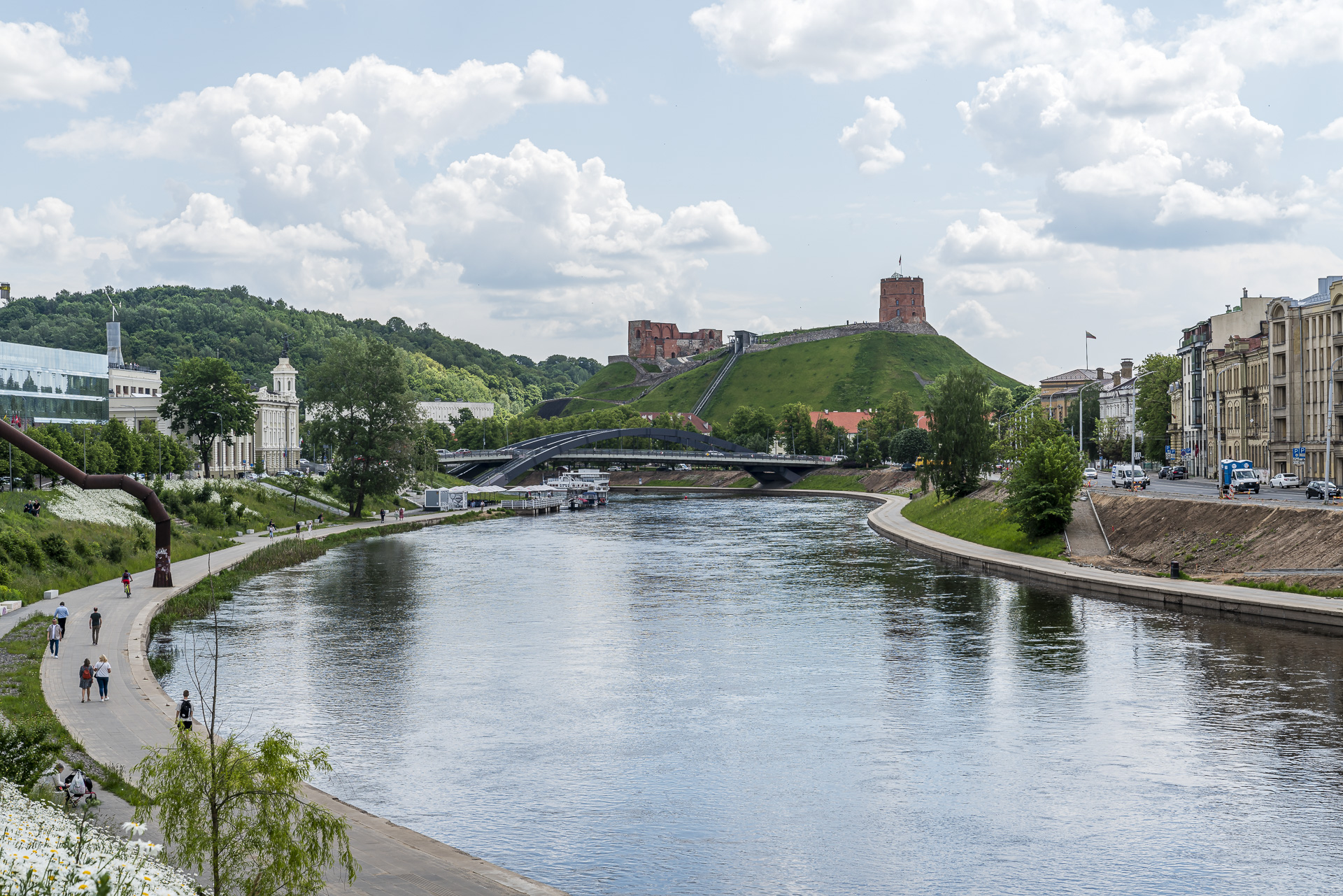
We walked up from the foot of the hill. The path is well signposted, and the ascent is steep but not very long. Alternatively, there is a funicular – handy if you’re not very mobile or want to skip the climb.
Even from the hill you get a beautiful panoramic view of Vilnius’s old and new districts. You don’t necessarily have to climb the tower for that.
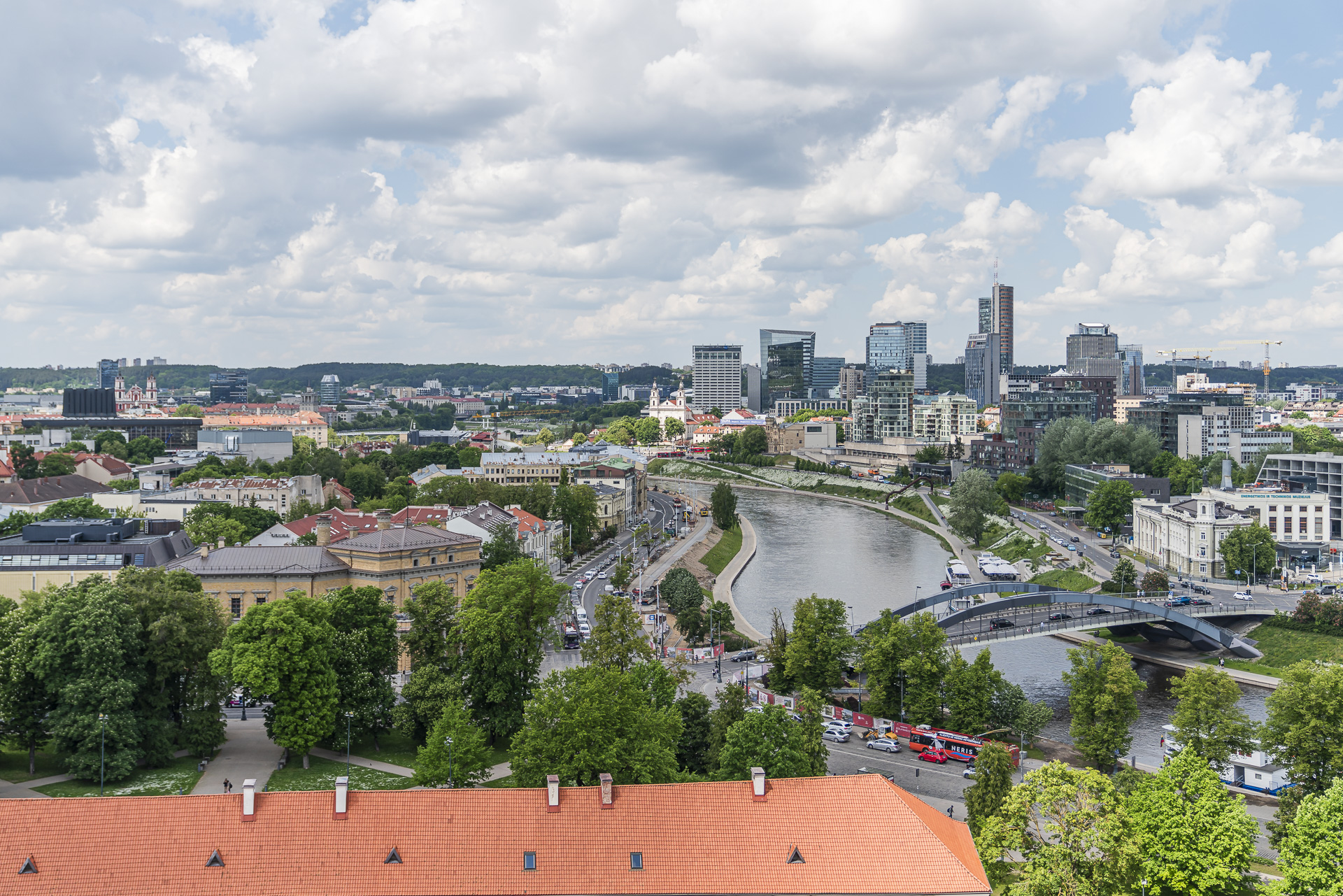
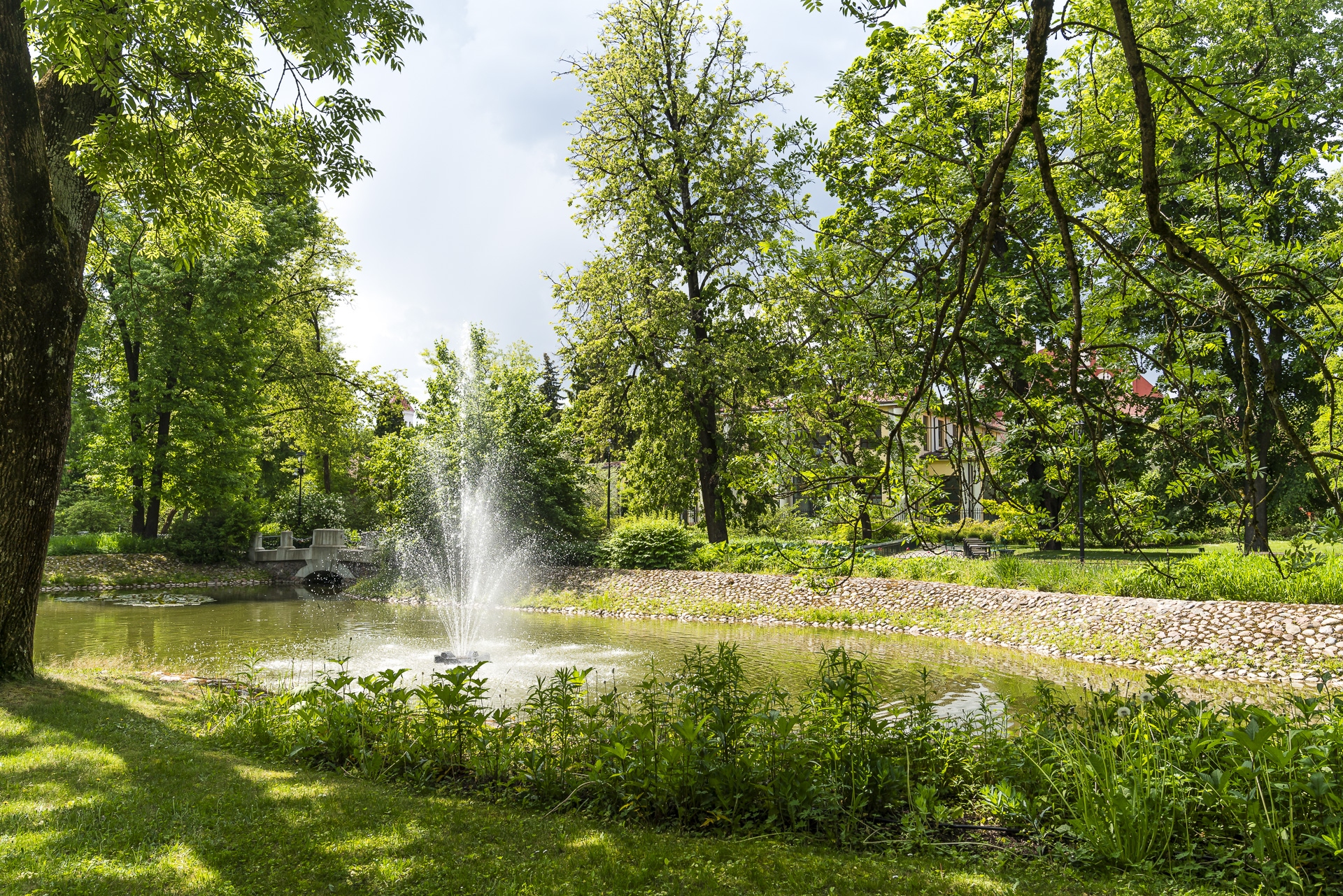
Directly below the castle hill begins Bernardinai Garden, a spacious park with a rose garden, ponds and a music fountain. From here you can comfortably continue the circuit back into the Old Town.
Good to know: The Gediminas Hill is accessible on foot year-round and free of charge; the tower’s opening hours vary by season. Admission to the tower costs around €8 for adults, the funicular to the castle hill €2 (one way) or €3 (return). Current information on opening hours and ticket prices can be found on the official website of the Lithuanian National Museum.
4. Užupis – the Artists’ Republic
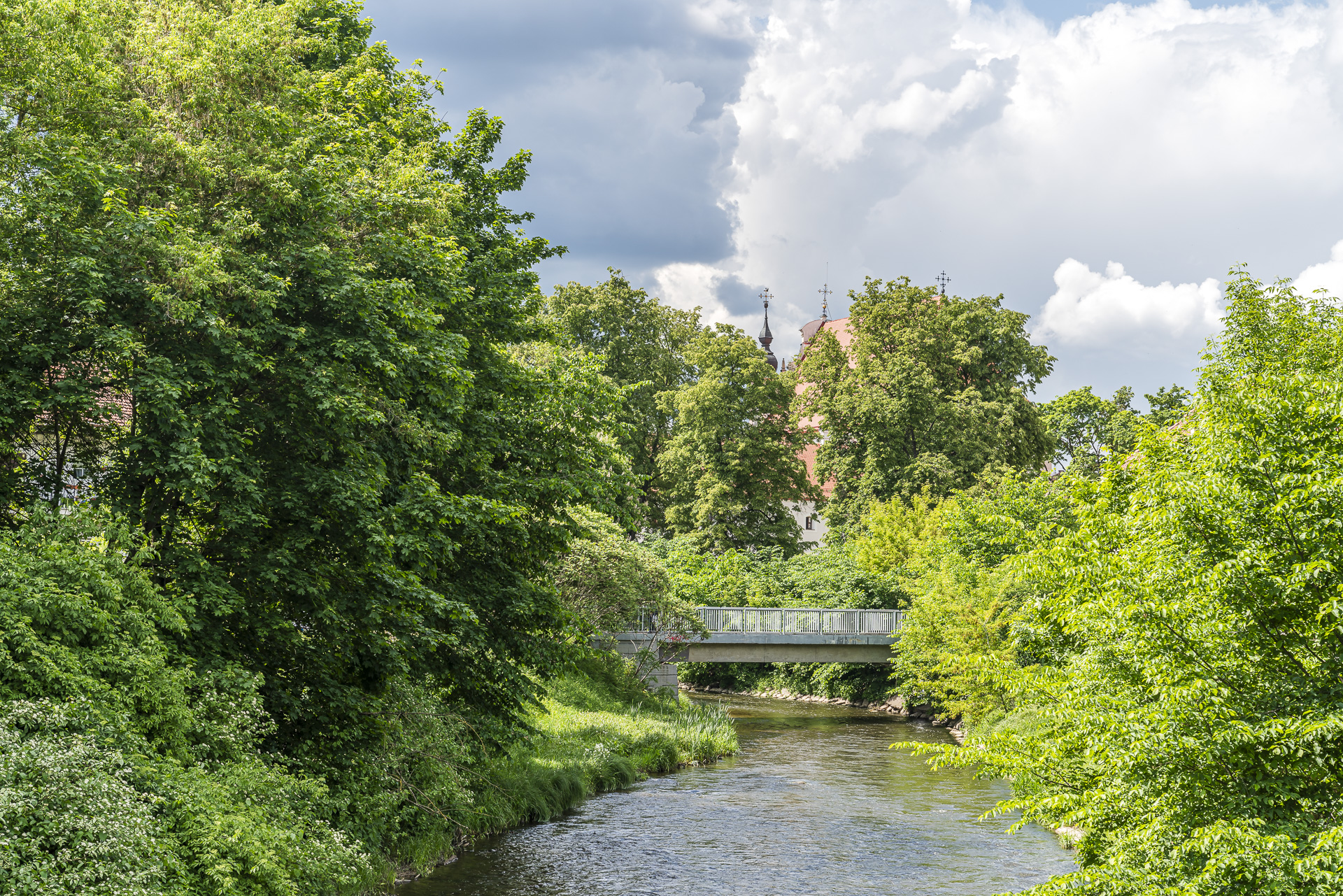
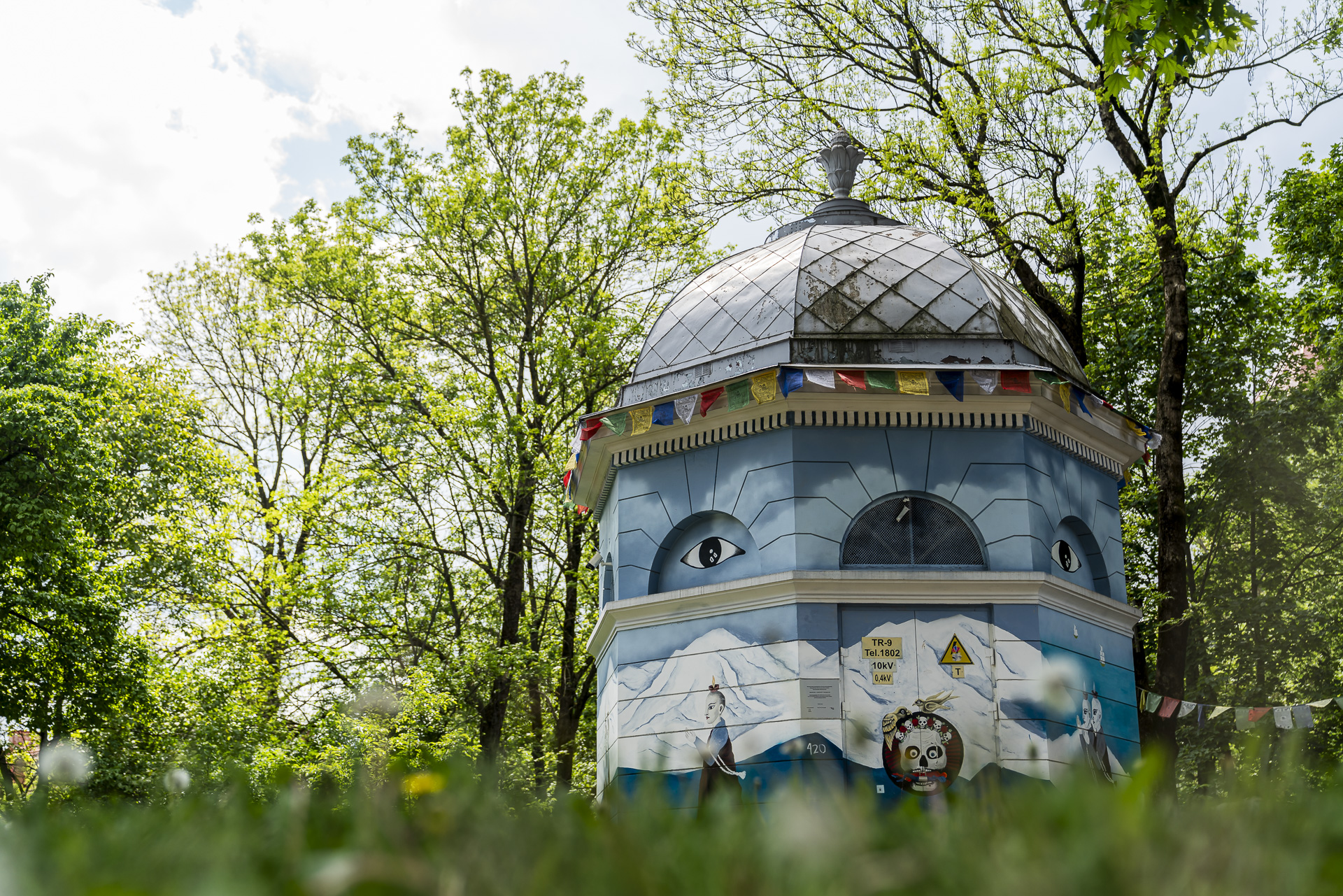
Right behind the Old Town, separated by the small Vilnia River, begins Užupis – a neighborhood with a turbulent history. It was once primarily shaped by Jewish life and later long neglected. Since the 1990s, however, Užupis has developed into a creative hotspot and has been revitalized by artists. In 1997 the quarter playfully declared itself an “independent republic” – with its own constitution, its own flag and its own president.
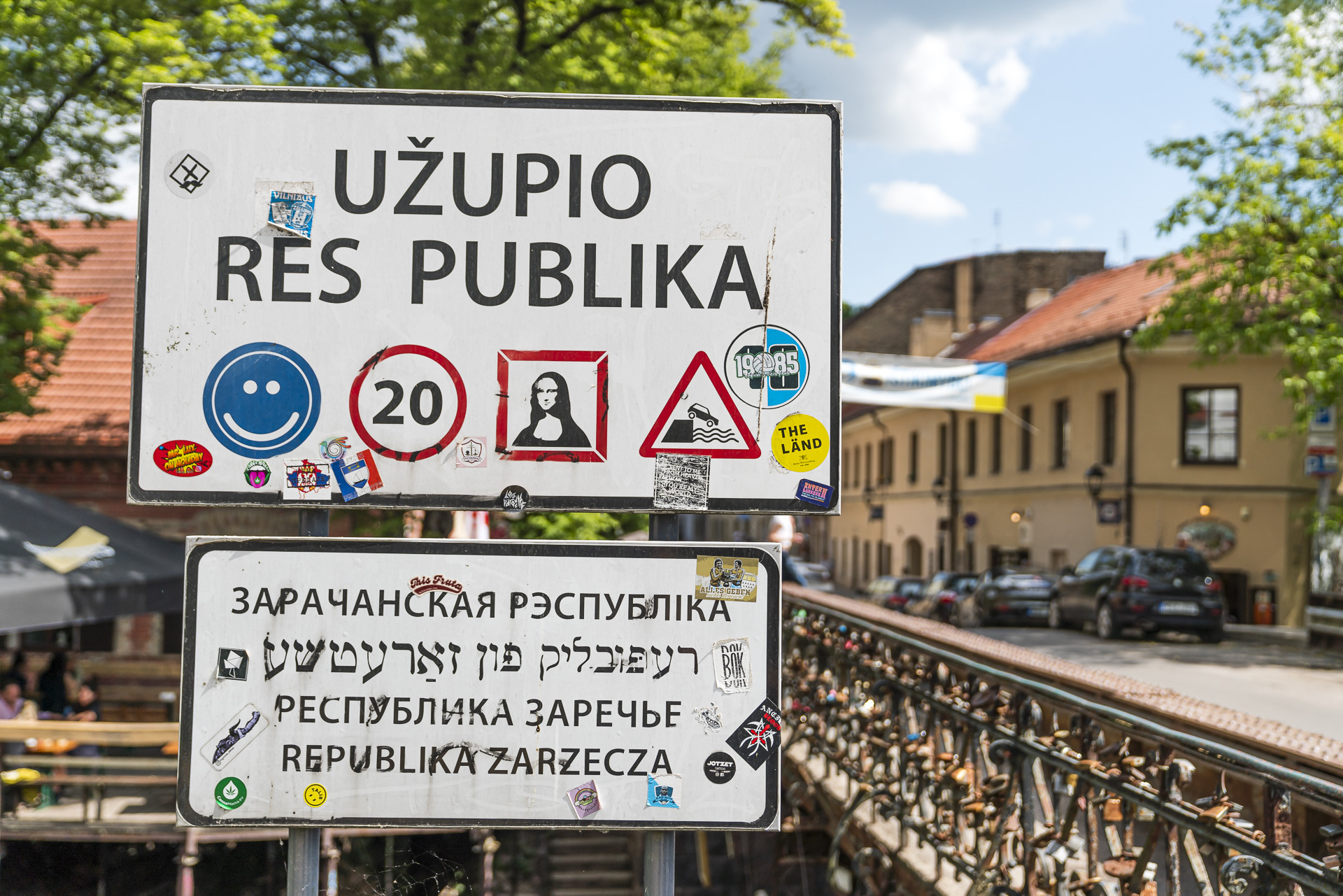
The constitution is displayed in several languages on metal plates on Paupio Street and is worth a stop (Article 1: “Everyone has the right to live by the river Vilnele, and the Vilnele has the right to flow past everyone”). But even beyond the constitution, Užupis is fascinating: small galleries, street art and repeatedly beautiful sightlines to the Old Town.
5. Art and culture – our museum recommendations
For its size, Vilnius surprises with a remarkably diverse museum scene and high-quality exhibitions. Three places in particular stuck in our memory:
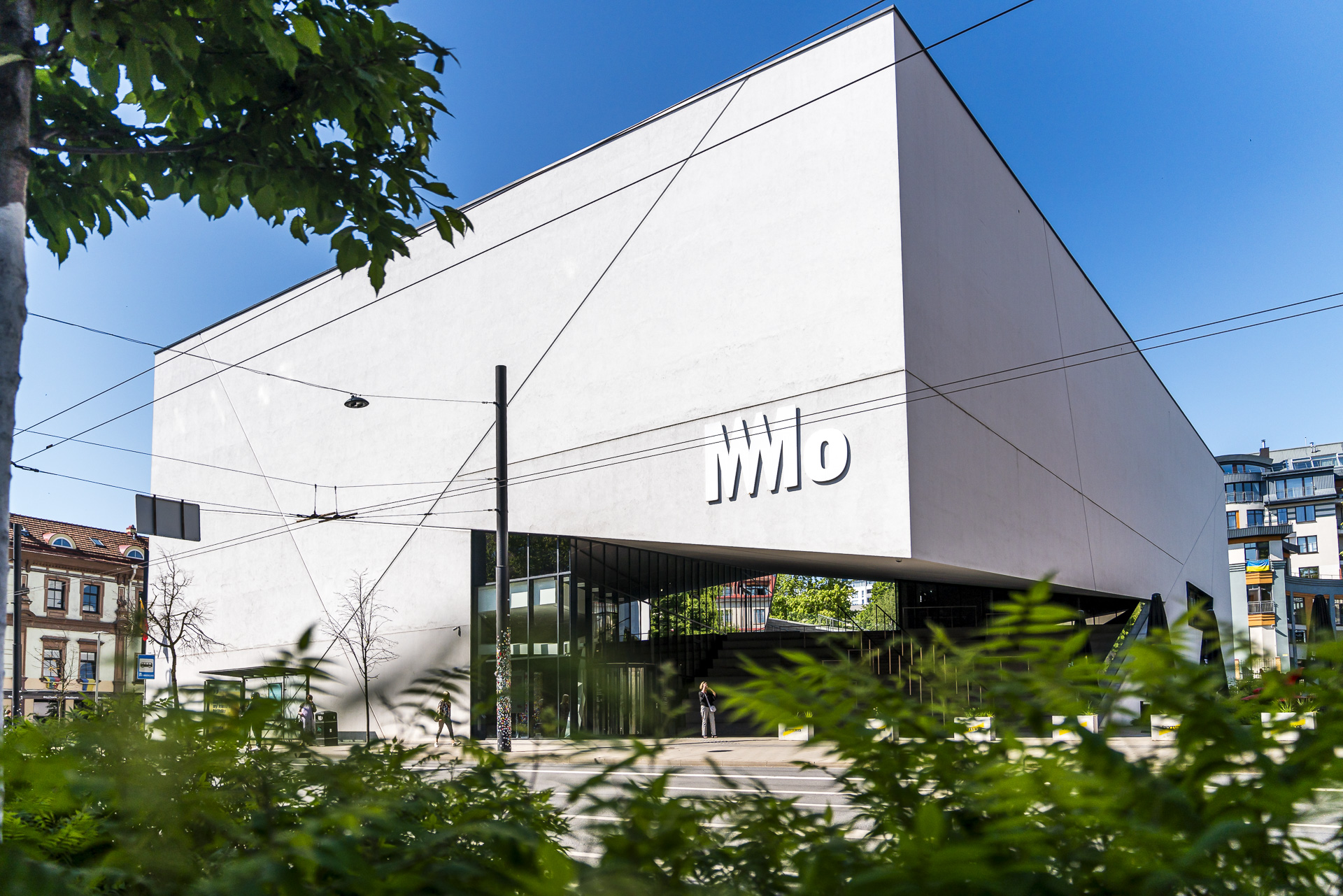
MO Museum: The museum of modern and contemporary Lithuanian art opened in October 2018; the sculptural building was designed by American architect Daniel Libeskind. The collection comprises around 6,000 works and offers a good introduction to Lithuanian art history after 1960.
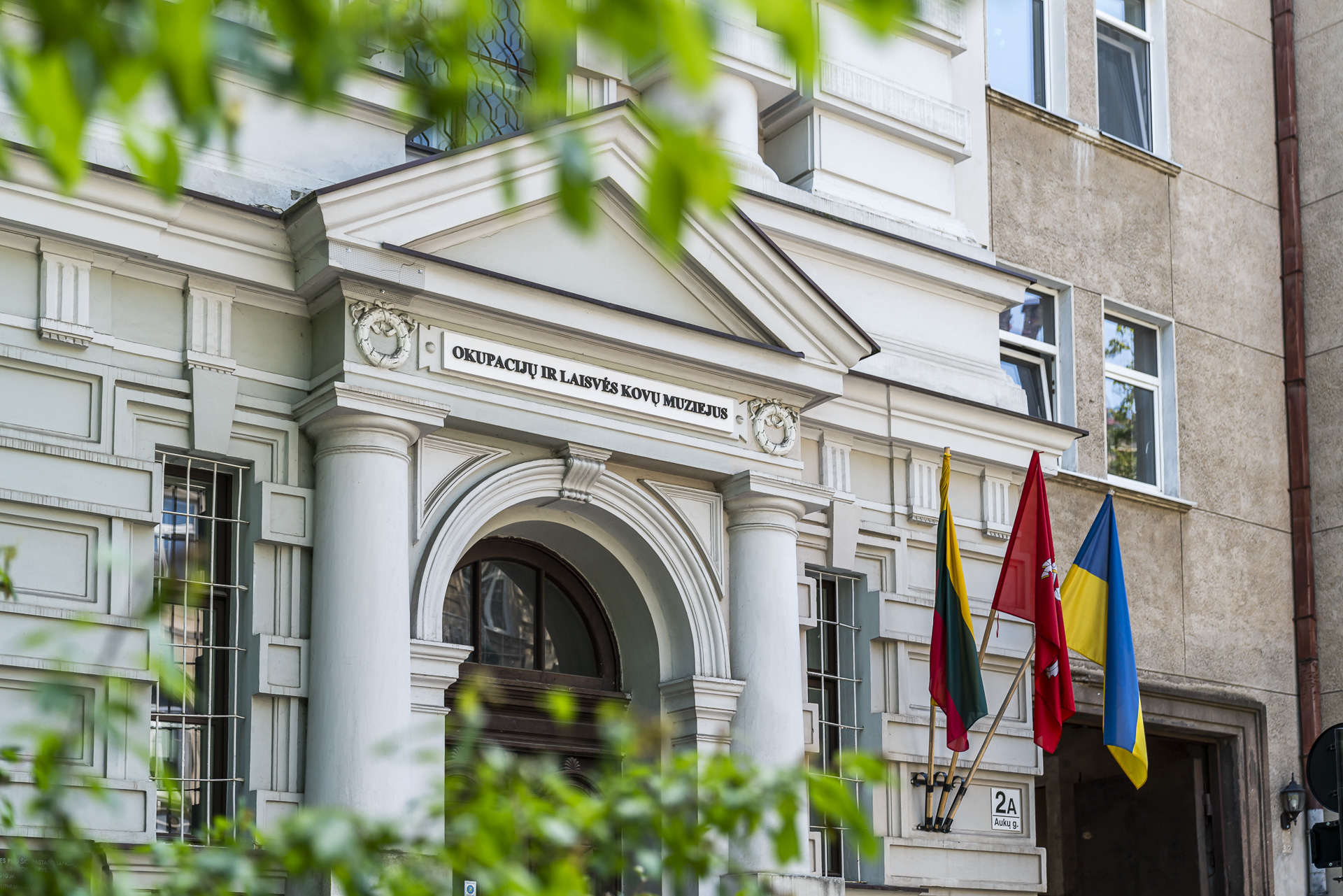
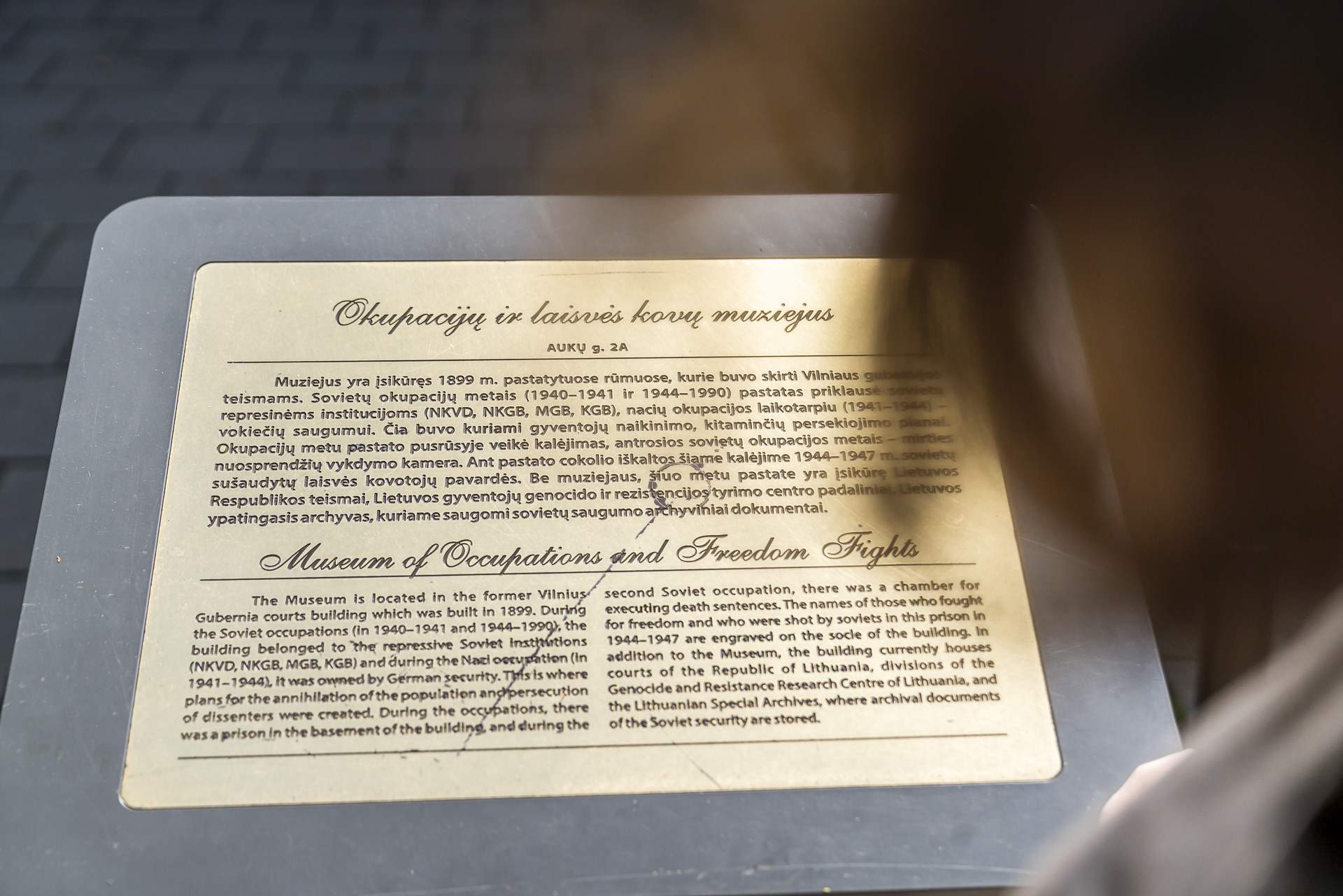
Museum of Occupations and Freedom Fights: The Museum of Occupations and Freedom Fights (formerly known as the Museum of the Victims of Genocide) in the former KGB building was also on our list. We didn’t have time for a visit, but we passed it on the way to Lukiškės Prison. During the Soviet occupation the KGB headquarters were located here, including cells and interrogation rooms in the basement.
Lukiškės Prison 2.0: Lukiškės Prison is one of the most historically significant places in Vilnius. The complex was built at the beginning of the 20th century and was used as a prison during the Soviet occupation. In summer 2019 the prison was officially closed. Today the site is accessible as “Lukiškės Prison 2.0” and is used for cultural purposes – with exhibitions, events and creative projects. We looked at the publicly accessible part. It is also possible to visit parts of the former prison as part of guided tours. That’s definitely on my bucket list for my next visit to Vilnius, as we, unfortunately, didn’t have time for it either.
You can book the tours online through the official website of Lukiškės Prison 2.0 book in advance.
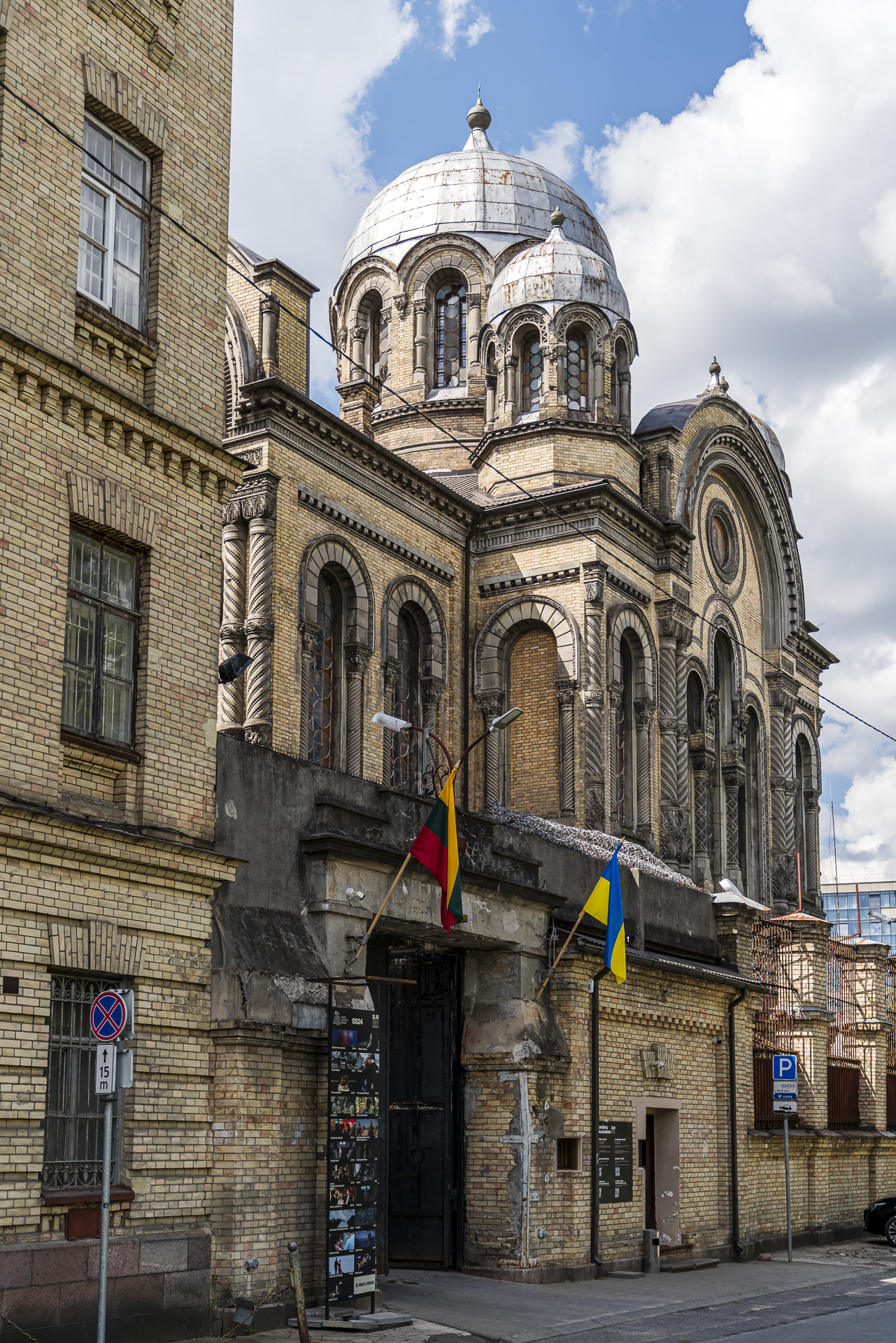
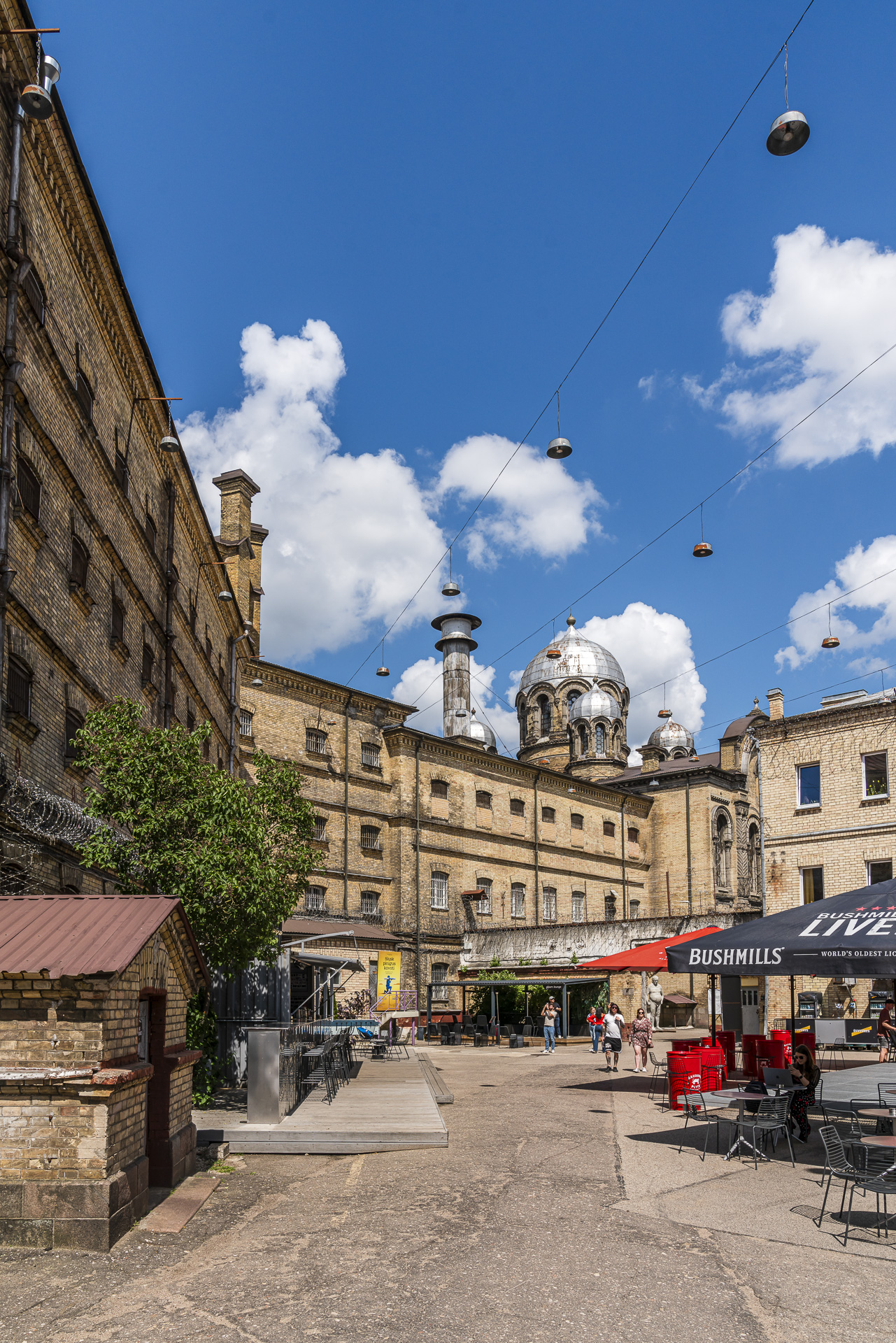
Also the Nationalgalerie Vilnius, one of the most important venues for Lithuanian art of the 20th and 21st centuries, was actually on our list.Brutalist architecture in Vilnius is considered. It was, however, closed for renovations during our visit, which is another reason for me to return to Vilnius.
Our tips for cafés and restaurants in Vilnius
The food scene in Vilnius pleasantly surprised us. The cuisine is internationally inspired but clearly rooted locally, and compared with the other stops on our Baltic Sea trip it is also very attractive price-wise.
The day starts best with a coffee at Kavos Reikalai. The local specialty coffee roastery has several branches in the Old Town and, in my view, serves the best cold brew we had in Vilnius.

Our culinary highlight was the restaurant Džiaugsmas (in Lithuanian «Joy»). They are Lithuanian fine-dining pioneers who, shortly after our visit in mid-2024, were awarded one star in the first Michelin Guide Lithuania. The concept focuses on modern Lithuanian cuisine with seasonal, regional ingredients and a multi-course tasting menu. The ambiance and service are excellent, and the value for money remains exceptionally good by European standards. Currently (2026) the tasting menu costs 120 € per person, the optional wine pairing an additional 75 €. Advance reservation recommended.
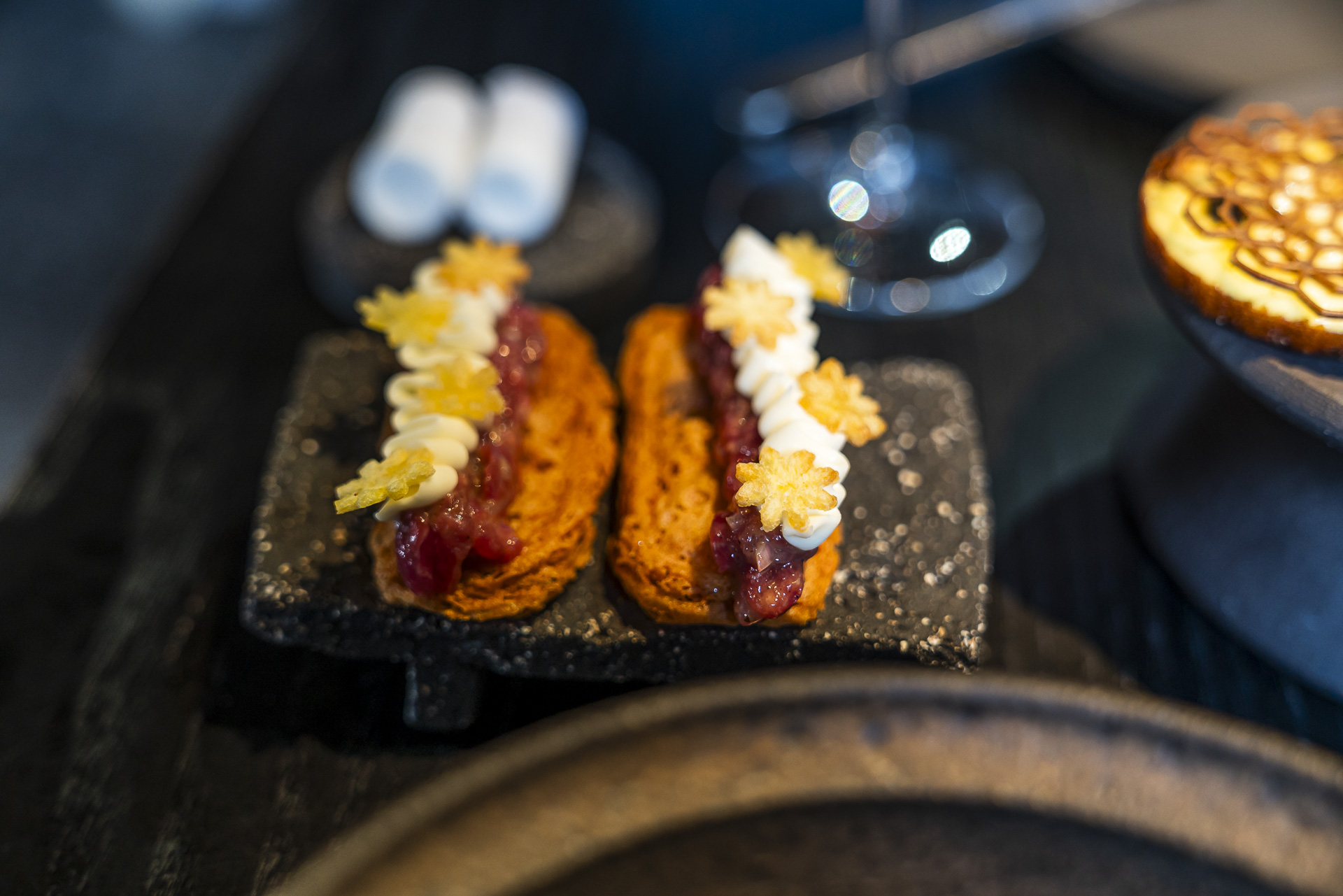
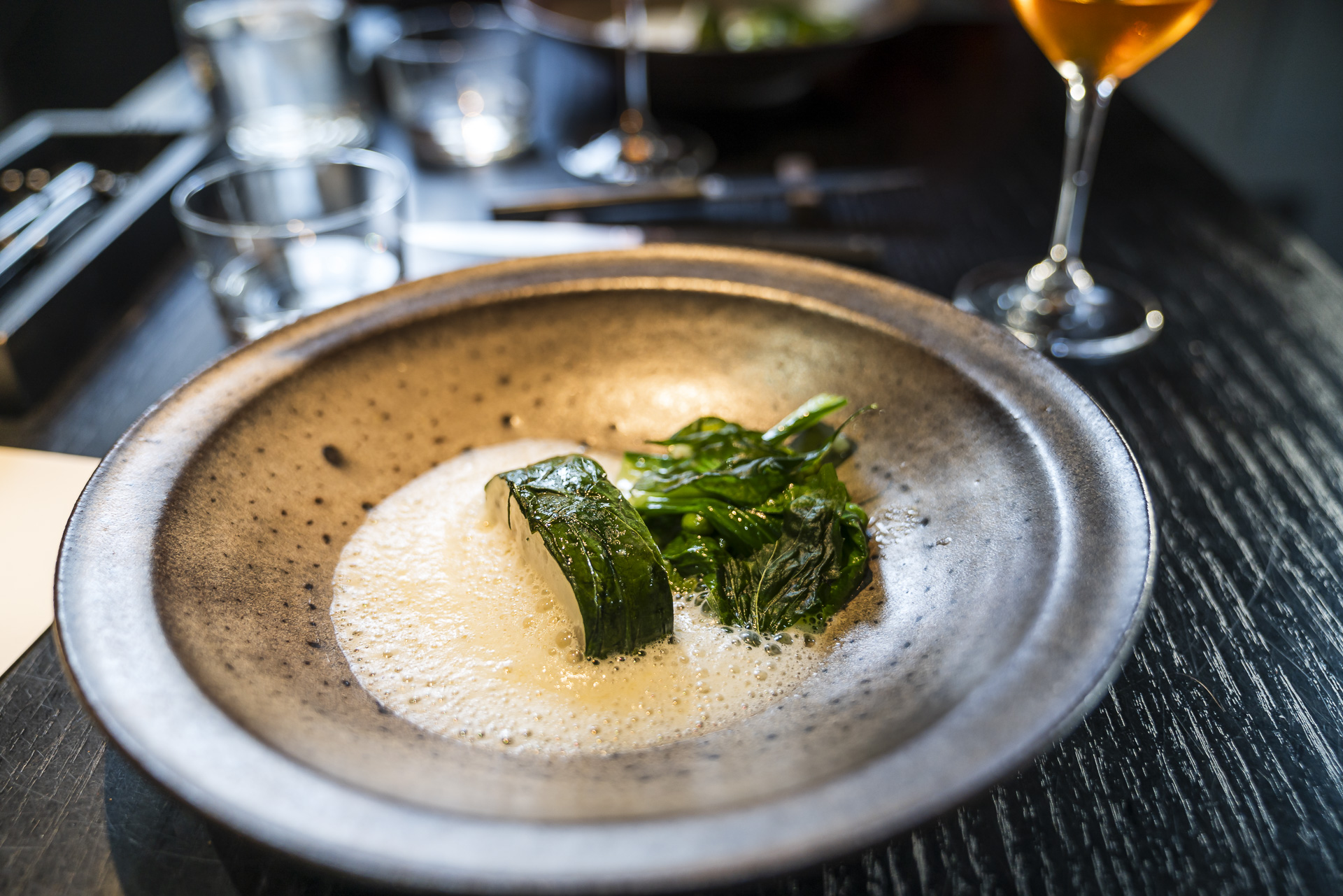
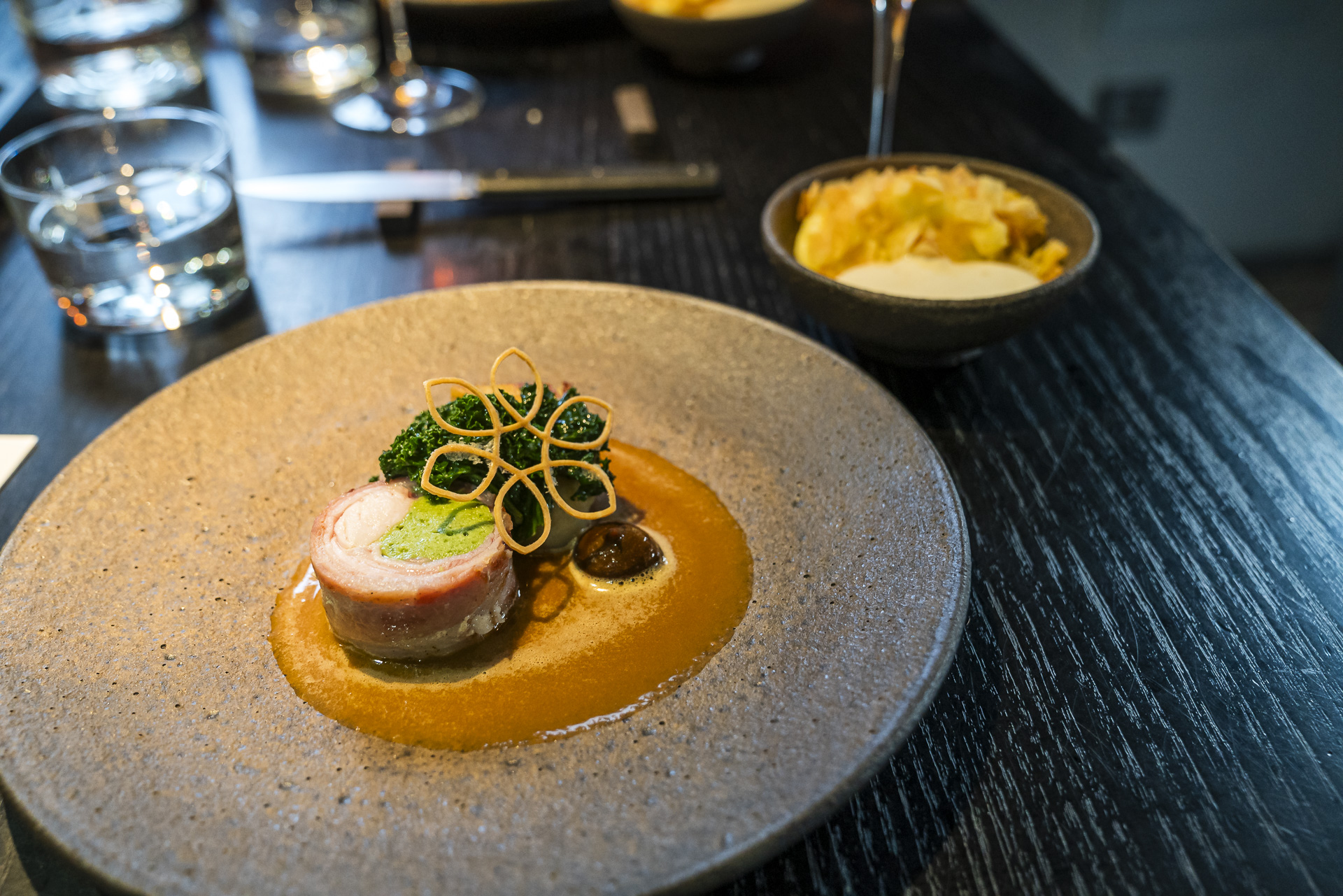
Other recommended spots include the café «Strange Love» in the Bernardine Garden for a late, hearty breakfast or a light lunch with especially fine toasts and homemade lemonades, as well as the bar «Distilerija» for inventive drinks.
Our hotel recommendation in Vilnius
We stayed at Hotel Pacai (affiliate link) — a chic design hotel in a carefully restored Baroque palace dating from 1677. The former Palais Pacas, once the grandest estate of the Grand Duchy of Lithuania, is located in the heart of the Old Town and is part of the Design Hotels collection. The combination of historic fabric (original frescoes, vaulted ceilings), a restrained-modern interior and very attentive service convinced us.
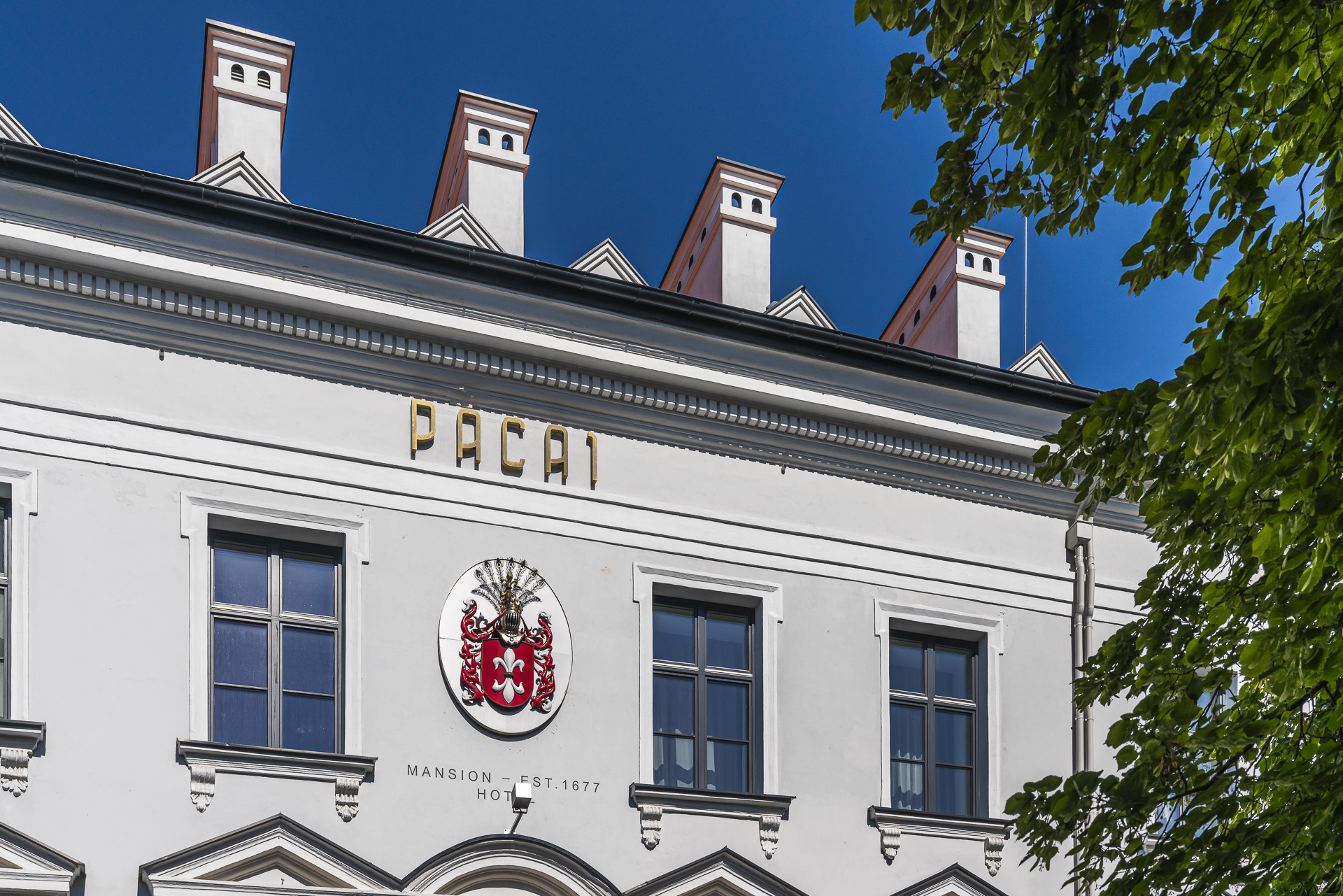
Particularly noteworthy is the central location on Town Hall Square!
Practical tips for your Vilnius city trip
- How do I get to Vilnius?
From Zurich there are direct flights with a flight time of around 2.5 hours. You can also combine plane and train (e.g. via Warsaw) when traveling, or, like us, turn the trip into a larger Baltic trip with stops in Tallinn and Riga. - When is the best time to visit Vilnius?
May to September are ideal: mild temperatures, long days and life on the streets and in the parks. We were there in mid-May and had pleasant spring weather. Winter can get very cold (down to –15 °C), but it offers a moody, quieter atmosphere. - How many days should I plan for Vilnius?
Two full days are enough for the main sights and to get a feel for the city. If you want to visit several museums and/or include a half-day trip to the water castle Trakai (about 30 km southwest, easily reachable by train or bus in roughly 30 minutes) you should plan for 3 days. - What’s the best way to get from A to B in Vilnius?
You can comfortably reach the Old Town and most sights on foot. For longer distances there is a well-functioning bus and trolleybus network. Tickets for bus and trolleybus can be paid easily via an app or contactless on board the vehicle. - Do I need to exchange money?
Lithuania adopted the euro as its official currency in 2015. Card payments are accepted almost everywhere — you hardly need cash. - How does Vilnius differ from Riga and Tallinn?
All three Baltic capitals have notable old towns, but different characters:Tallinn is the most tourist-oriented of the three cities — mainly because of day-trippers from cruise ships — and has an almost theatrical Hanseatic old town.Riga is the most diverse and, for me personally, remains my favorite in the Baltics, known especially for its Art Nouveau architecture.Vilnius is the least touristy and shows the most exciting contrasts between historic and modern city districts. Anyone who visits all three experiences three very different facets of the Baltics. - How expensive is Vilnius?
Compared to Tallinn and Riga, Vilnius is overall a bit cheaper. Restaurants, cafés and taxis are particularly attractively priced, while hotels vary depending on location and standard. Overall, Vilnius offers very good value for money for a city trip.


Leave a Reply