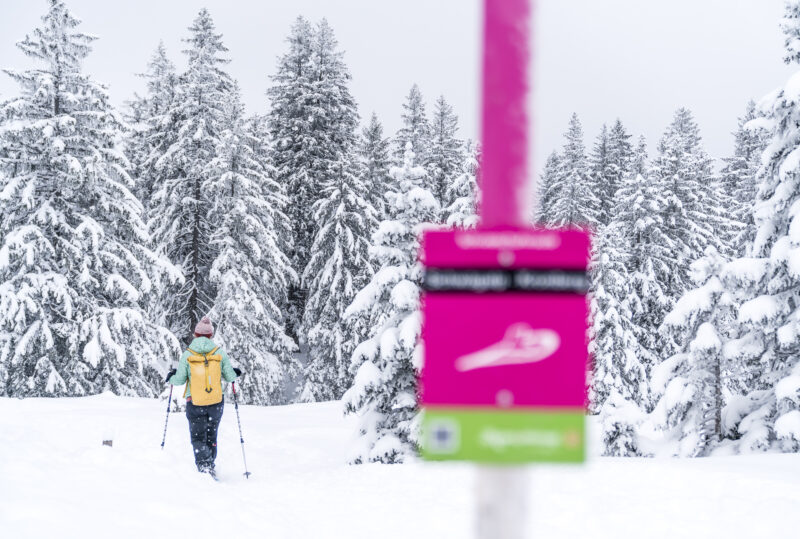



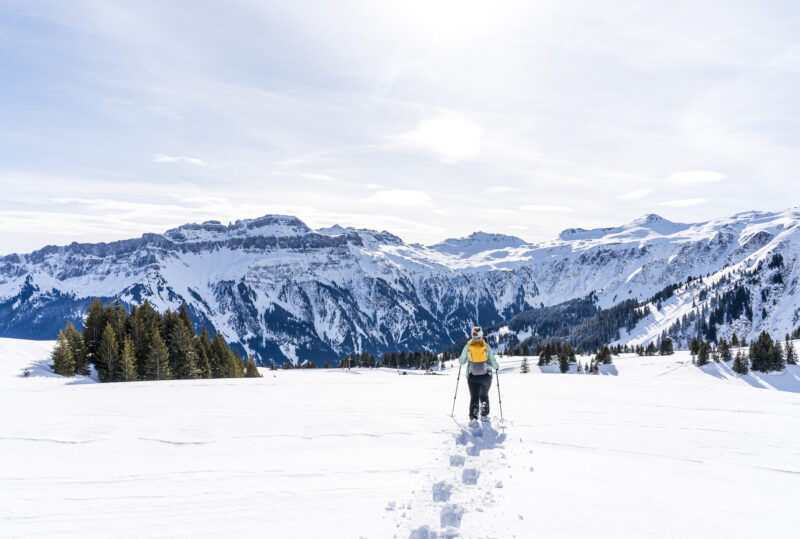
Winter Trip to Flumserberg: Snowshoeing and Winter Hiking with Scenic Views
Sometimes it does not take much for true winter bliss: a glance out the window at the brilliantly blue winter sky, the knowledge that the higher elevations got a proper dose of fre
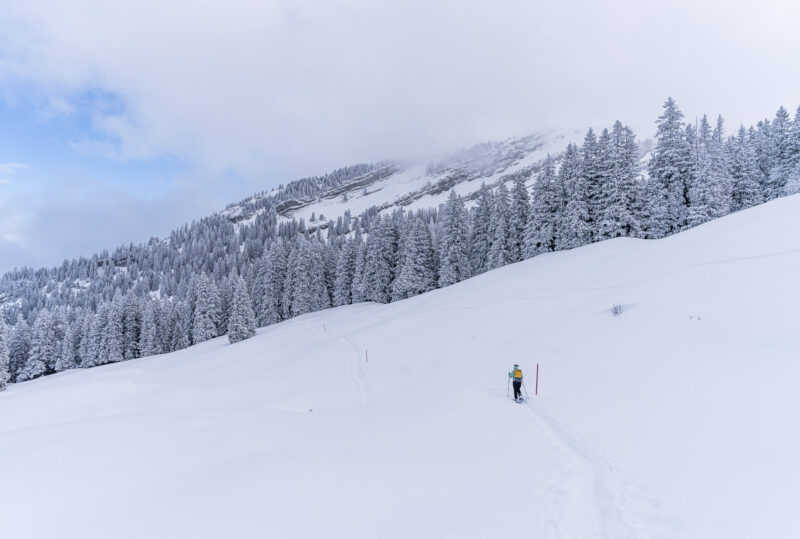
Snowshoe Tour in Toggenburg: A Scenic Loop on the Sellamatt–Zinggen Trail
Winter stillness, the soft crunch of snowshoes in the powder snow, and the wide-open panorama of the Churfirsten shape the scenery on Alp Sellamatt on a perfect winter day. But eve
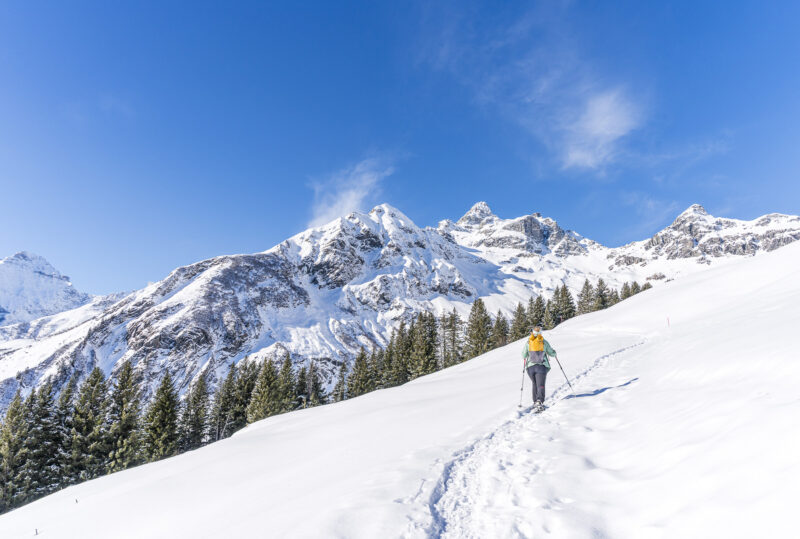
Sunny Snowshoe Hike High Above Elm
Sunny hours are a rare commodity in Zurich in January. According to statistics, the past 30 days added up to just under 60 hours. Unsurprisingly, motivation for winter outings was
With snowshoes to the Furggelenstock
The first snowshoe hike of the season took its sweet time. But now everything was just right: fresh powder reaching down to lower elevations, brilliant sunshine in the forecast, an

Winter tip: Off to Alp Flix
This blog will celebrate its 12th anniversary this year. Actually, you would think that writing blog posts would get easier from year to year. But I find the opposite. The more I b
Snowshoe tour on the Rigi: Chäserenholz snowshoe trail
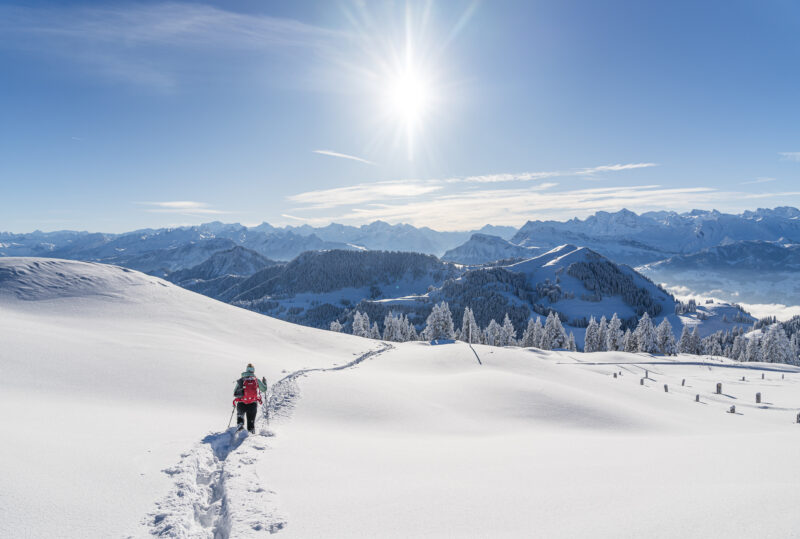
What a perfect start to December! It had been clear for a long time that we would spend the first Advent weekend on the Rigi “due to the event”. And as luck would have it, it w
11 beautiful snowshoe hikes in Switzerland
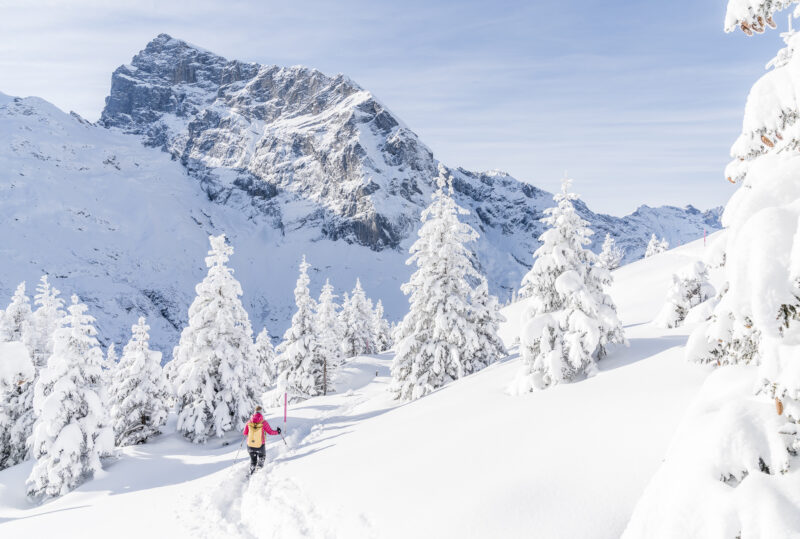
Do you love to be out and about in nature and enjoy the winter landscape? Then a snowshoe hike in Switzerland is just right for you! We have scouted numerous snowshoe trails in rec
Brüsti Trail: wonderful snowshoe tour above the Uri Reuss Valley
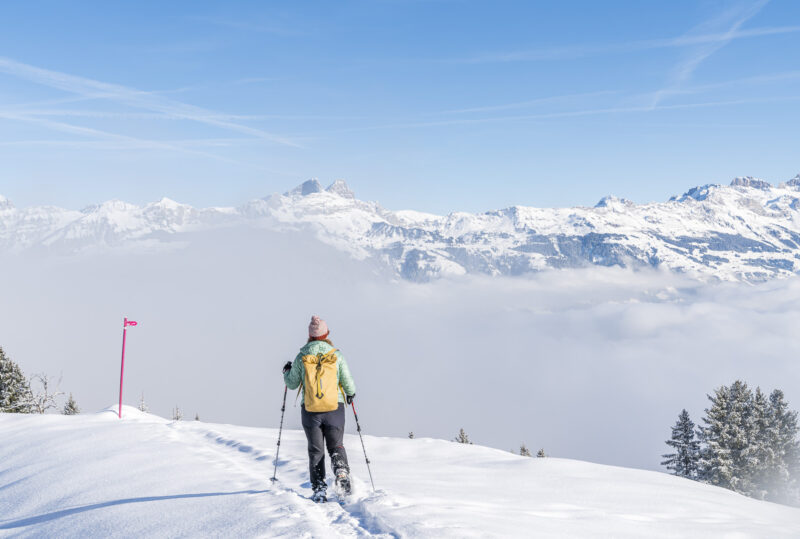
High above the Reuss Valley in Uri, not far from Altdorf train station, the Brüsti recreation area scores with a small, fine ski area and little-frequented marked snowshoe trails.
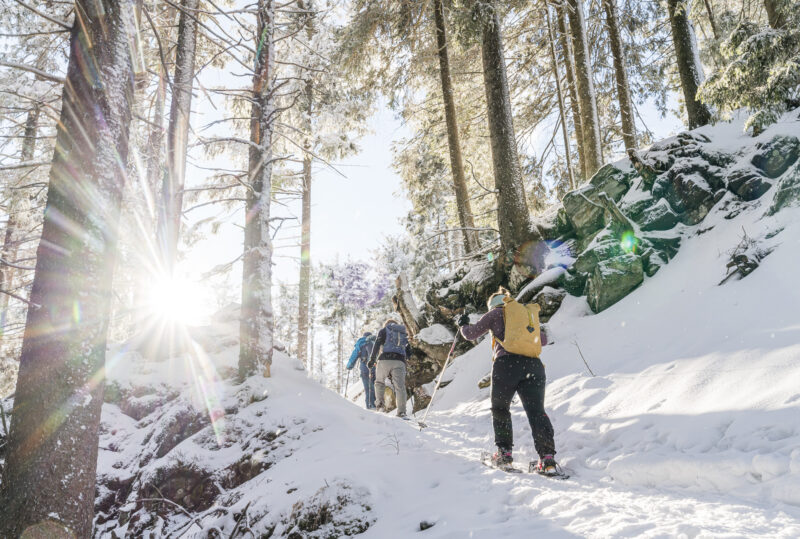
Schwarzenbühl panoramic trail – easy snowshoe tour in the Gurnigel area
We were on a flying visit home and took advantage of the opportunity – fresh snow mornings are rare this winter – for a detour to the Gurnigel area. The Gantrisch Nature Park i
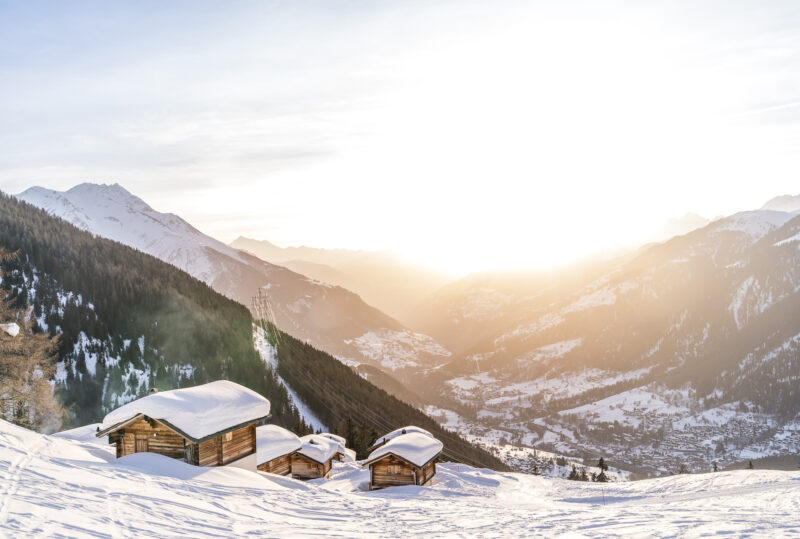
Hideaways in Upper Valais: these 3 places promise relaxation
Crazy, right? It’s been less than two weeks since we trudged through the freezing cold Appenzellerland with our snowshoes, and now the snowdrops and crocuses are already bloo
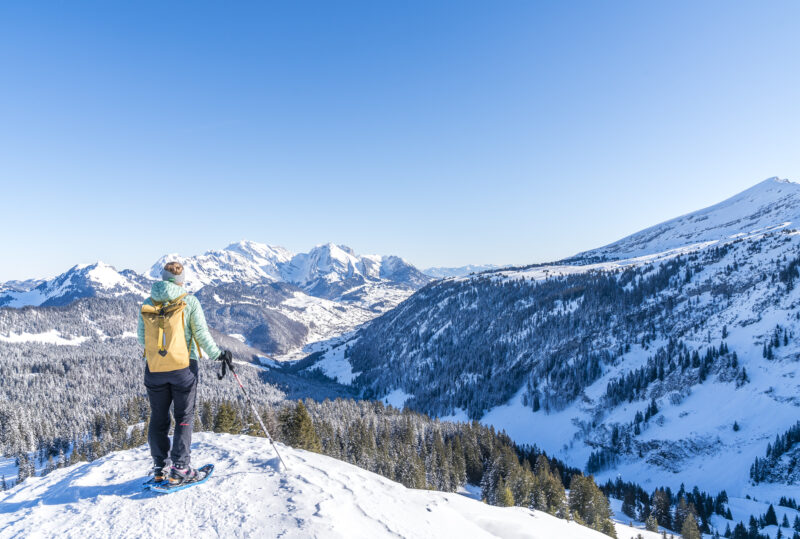
Flugenspitz: promising snowshoe peak near Amden-Arvenbüel
Amden-Arvenbüel, high above Lake Walen, scores not only with a family-friendly ski area, but also with varied marked snowshoe trails and sun-drenched, groomed winter hiking trails