


'/%3E%3Cpath%20fill='%23b2b2b2'%20d='M241%20382q0%2016%2017%2026%2017%2011%2042%2011t42-11q16-11%2017-26V269H241'/%3E%3Cpath%20fill='%239f7e00'%20d='M241%20379q0%2014%208%2023%209%209%2021%209%2014%200%2021-9%209-9%209-23V269h-59'/%3E%3Cpath%20d='M241%20339v-70h59v110q0%2014-9%2023l-6%205v-68h-15v72q-8%200-14-4v-68zm59%2040c0%2022%2015%2032%2029%2032%2021%200%2030-18%2030-32v-40h-59'/%3E%3Cpath%20fill='%239f7e00'%20d='M266%20277v5h2v12h-3v-5h2v-5h-9v5h2v5h-4v9h3v18h-5v10h34v-10h-5v-18h3v-9h-4v-5h2v-5h-9v5h2v5h-3v-12h2v-5zm42%20101q0%2010%206%2017%206%206%2015%207%2010-1%2016-7%206-7%206-17v-29h-43'/%3E%3Ccircle%20fill='%230044ad'%20cx='329.5'%20cy='372'%20r='6'/%3E%3Cellipse%20fill='%230044ad'%20cx='300'%20cy='340'%20rx='16'%20ry='21'/%3E%3C/svg%3E)

7 surprising day trip ideas in the Canton of Fribourg: enjoy food, medieval towns and nature
Advertisement: Article in collaboration with the Freiburg Tourism Association
Our last detour to the Canton of Freiburg was already two years ago. In early summer 2024 we explored the diversehiking and biking trails around Schwarzsee. This time, indulgence, culture and a touch of adventure were at the center. Our outing began with a culinary walking tour through Freiburg’s Old Town, continued to the medieval little town of Rue and ended in the tree bivouac on the banks of the Glâne.
On this discovery tour we got to know a side of the Canton of Freiburg that we hadn’t had on our radar until now. Accordingly, there’s a good chance that among the following trip tips you’ll find one or two new discoveries for yourselves. Some of the ideas are perfect for a spontaneous day trip across the Röstigraben, while others invite you to stay a bit longer and deliberately slow down a gear.
Taste my Fribourg: culinary discovery tour of Freiburg
When you think of the Canton of Freiburg, the Fondue Moitié-Moitié quickly comes to mind. The cheese fondue made from equal parts spicy Le Gruyère AOP and creamy Vacherin Fribourgeois AOP is regarded as the classic par excellence among cheese fondues. Both of these cheeses are part of the canton’s culinary heritage and have protected designations of origin. In total there are six such products in the Canton of Freiburg, making Freiburg one of the Swiss cantons with the most protected appellations of origin and provenance.
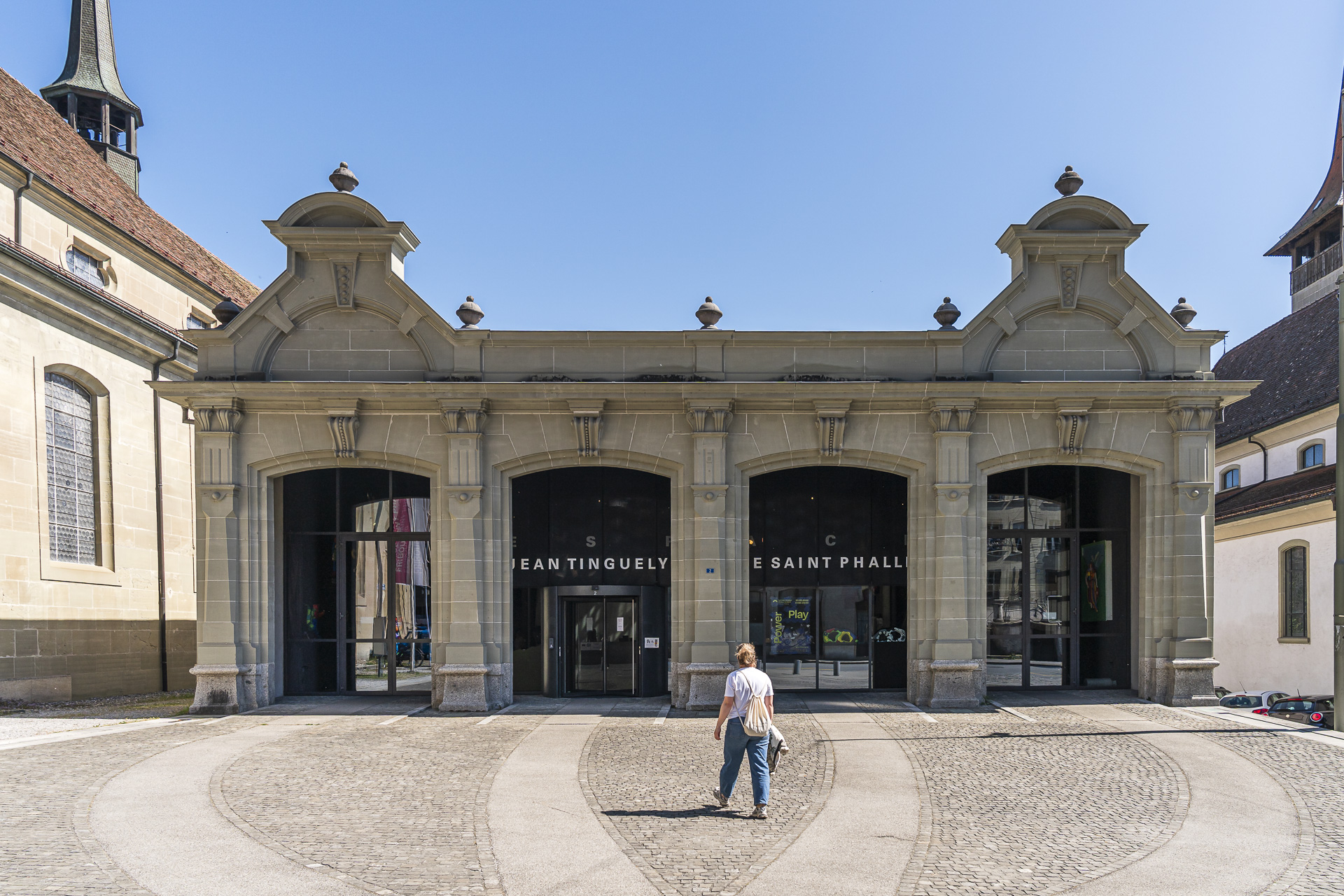
The Food Tour “Taste my Fribourg” makes the perfect link between this culinary heritage and the history of the Zähringer city of Freiburg. On the culinary walk with a total of four stops you can, in just over half a day, casually explore the winding and extremely picturesque Old Town lanes of Freiburg.
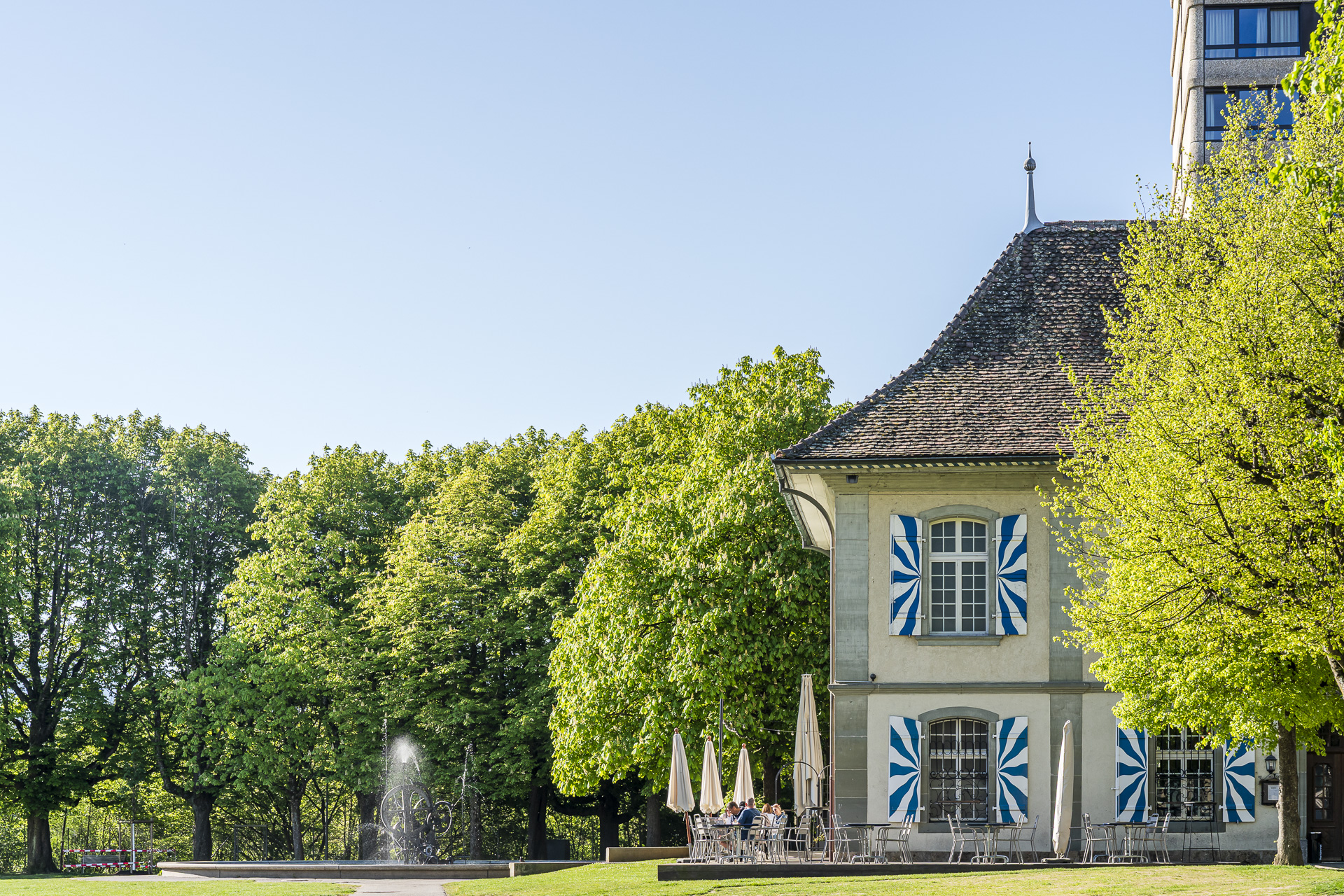
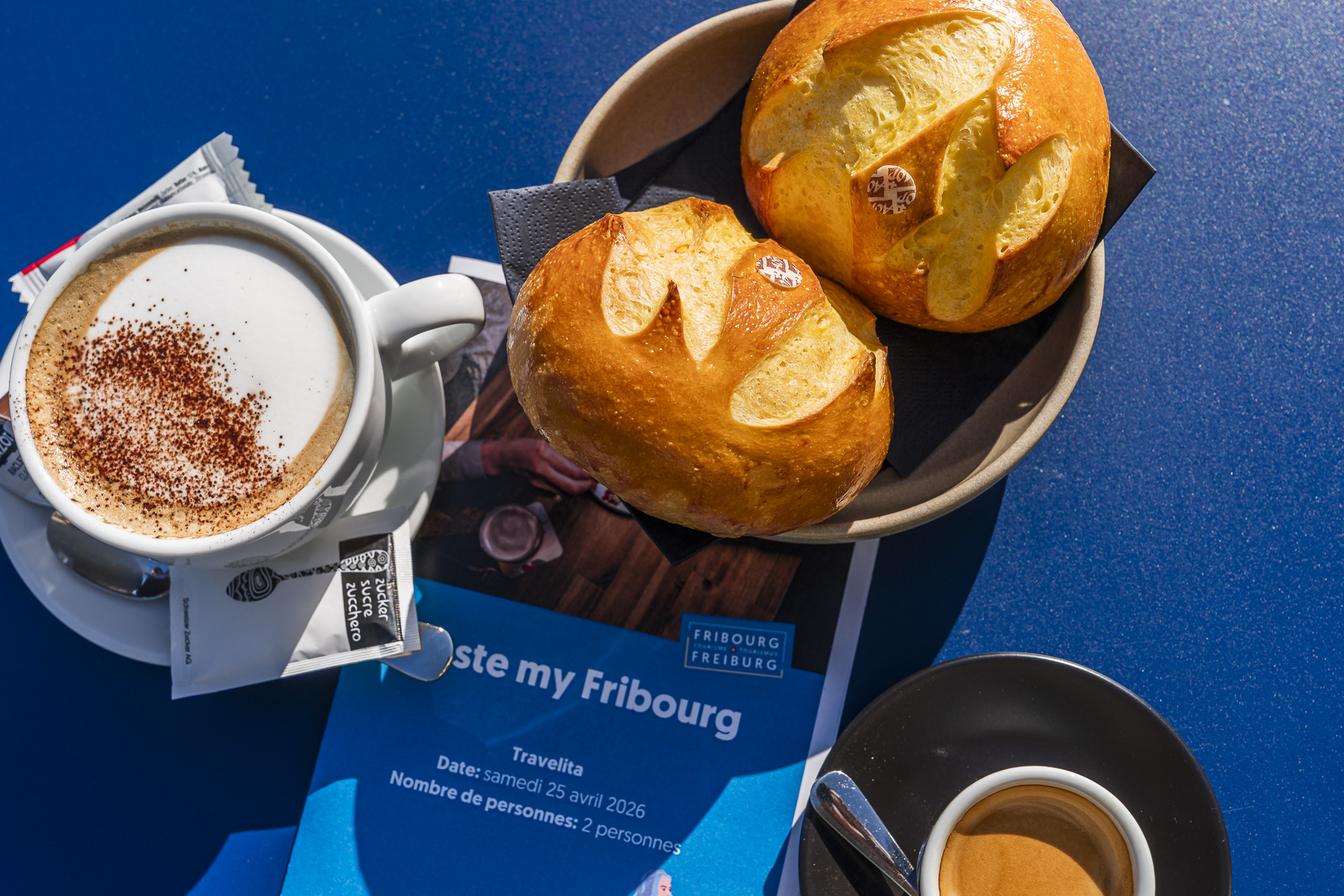
The starting point of the culinary city walk is at the tourist information desk in the foyer of the striking Théâtre Équilibre on Place Jean-Tinguely. There we receive all the information we need for the walk, as well as the Fribourg City Card. This grants free admission to museums along the way and includes other activities such as city golf. The first culinary stop is just a stone’s throw away at the Café des Grand-Places on the Schützenmatte. With the quietly splashing Tinguely fountain in the background, we enjoy a cappuccino and a Cuchaule AOP on the sun terrace. The yeast pastry, which is reminiscent of a brioche, gets its characteristic yellow color from a pinch of saffron and is also one of Freiburg’s specialties.
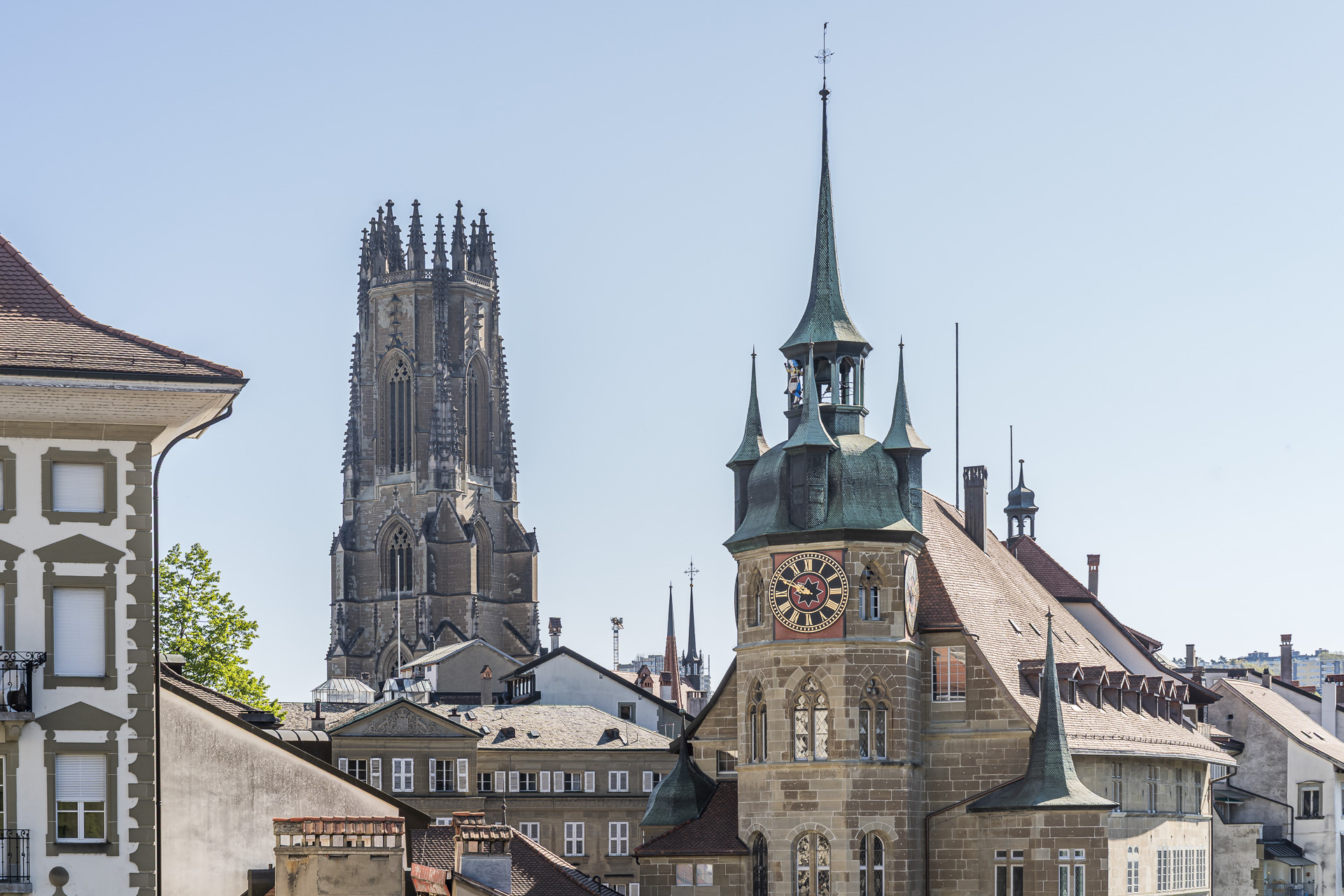
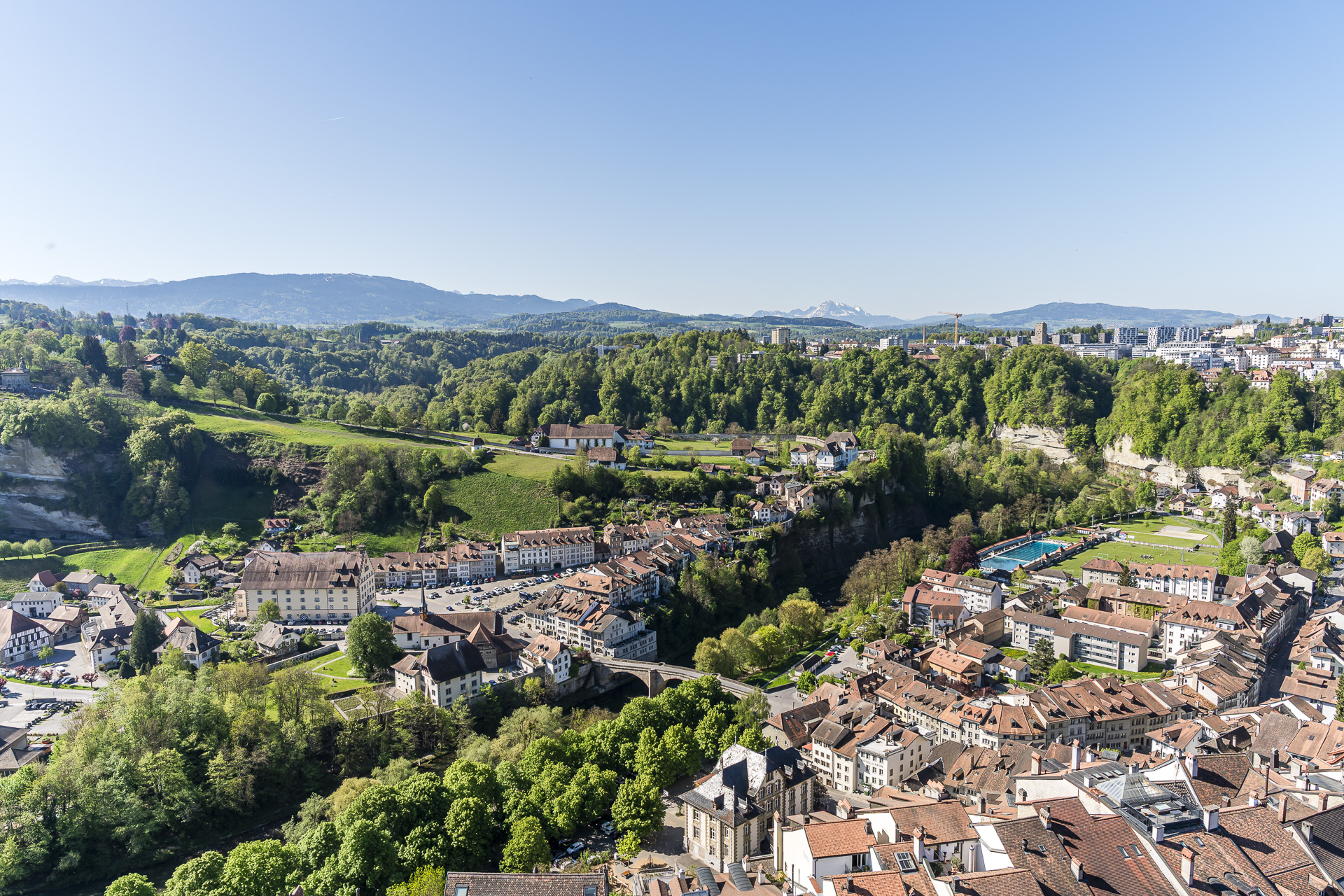
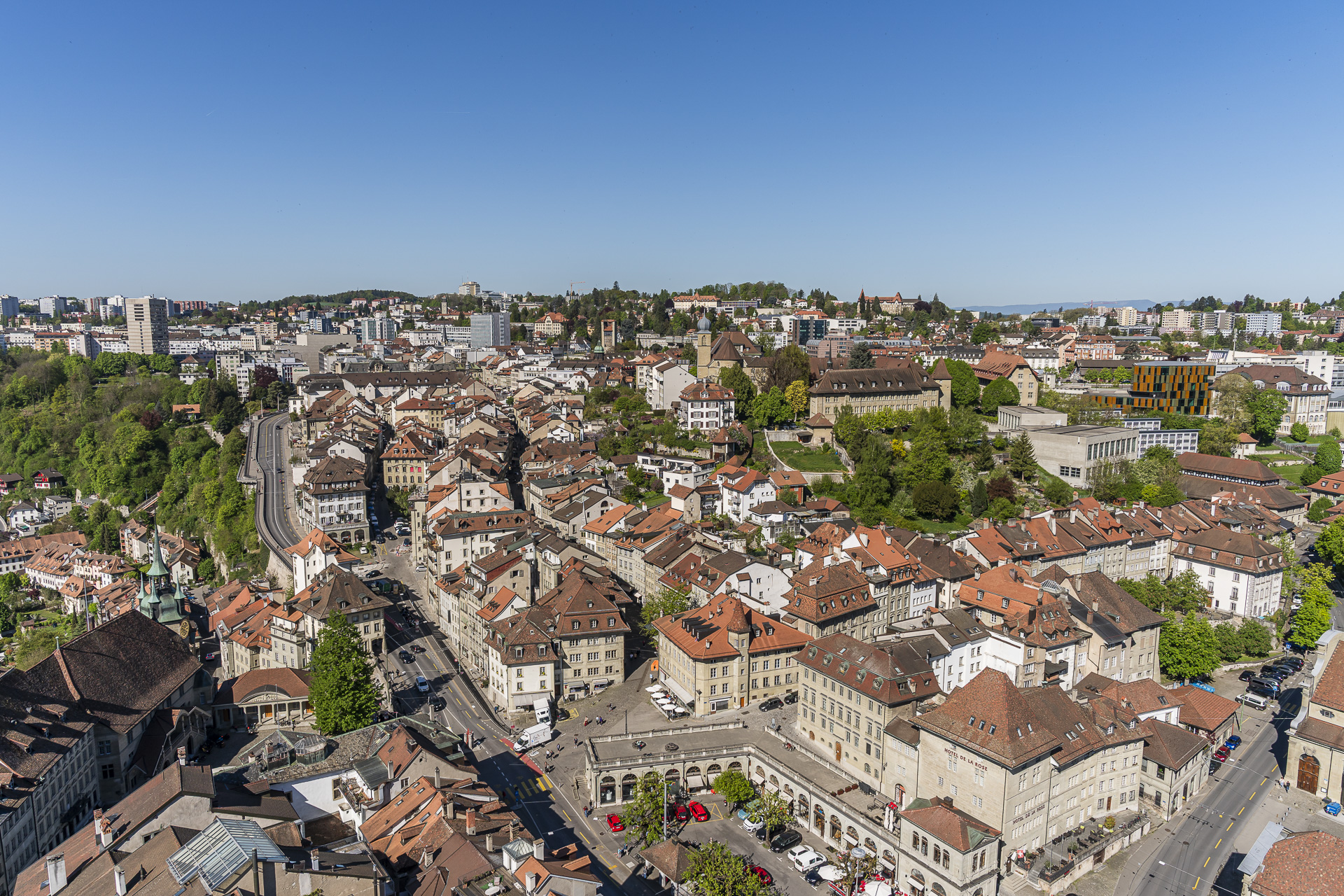
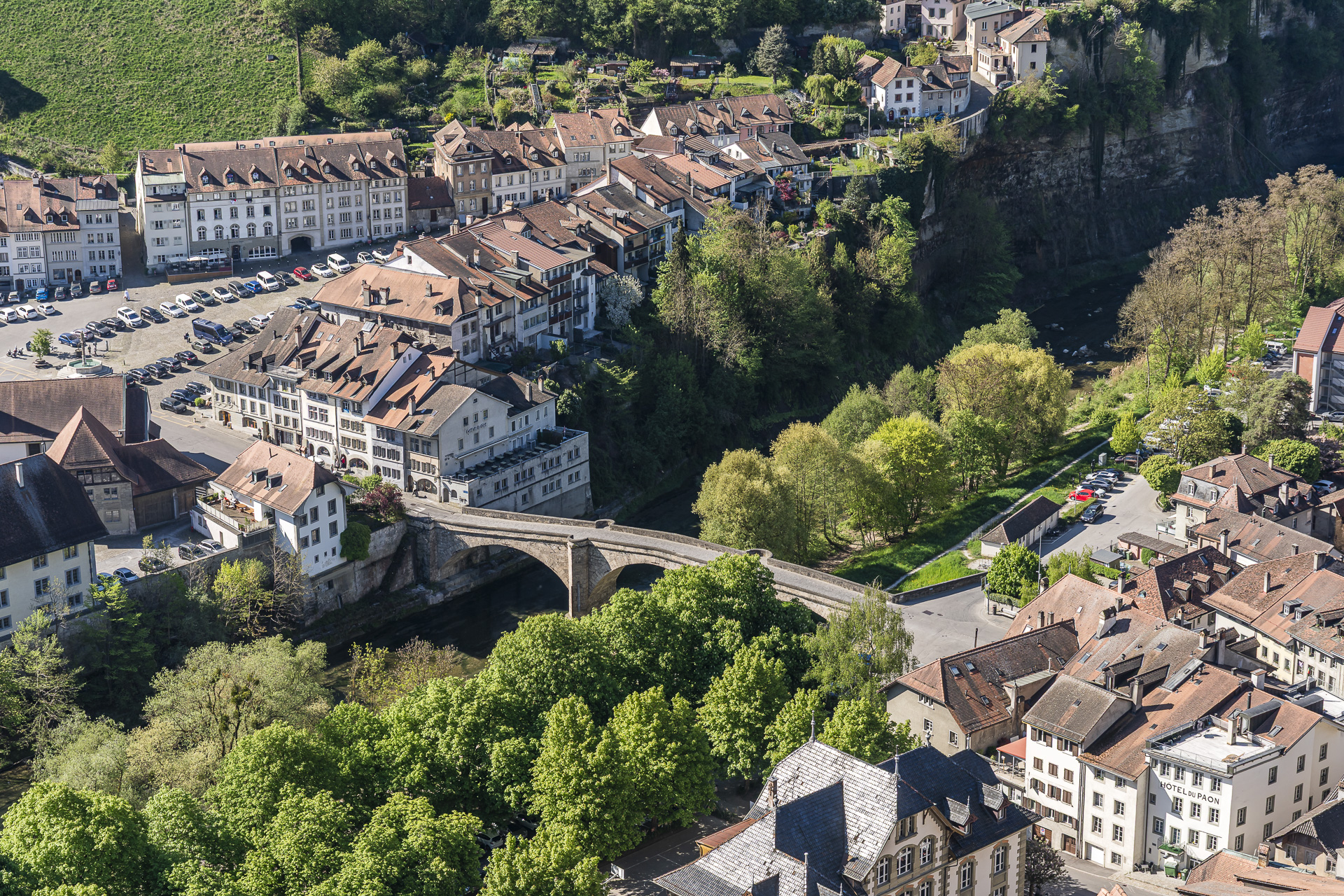
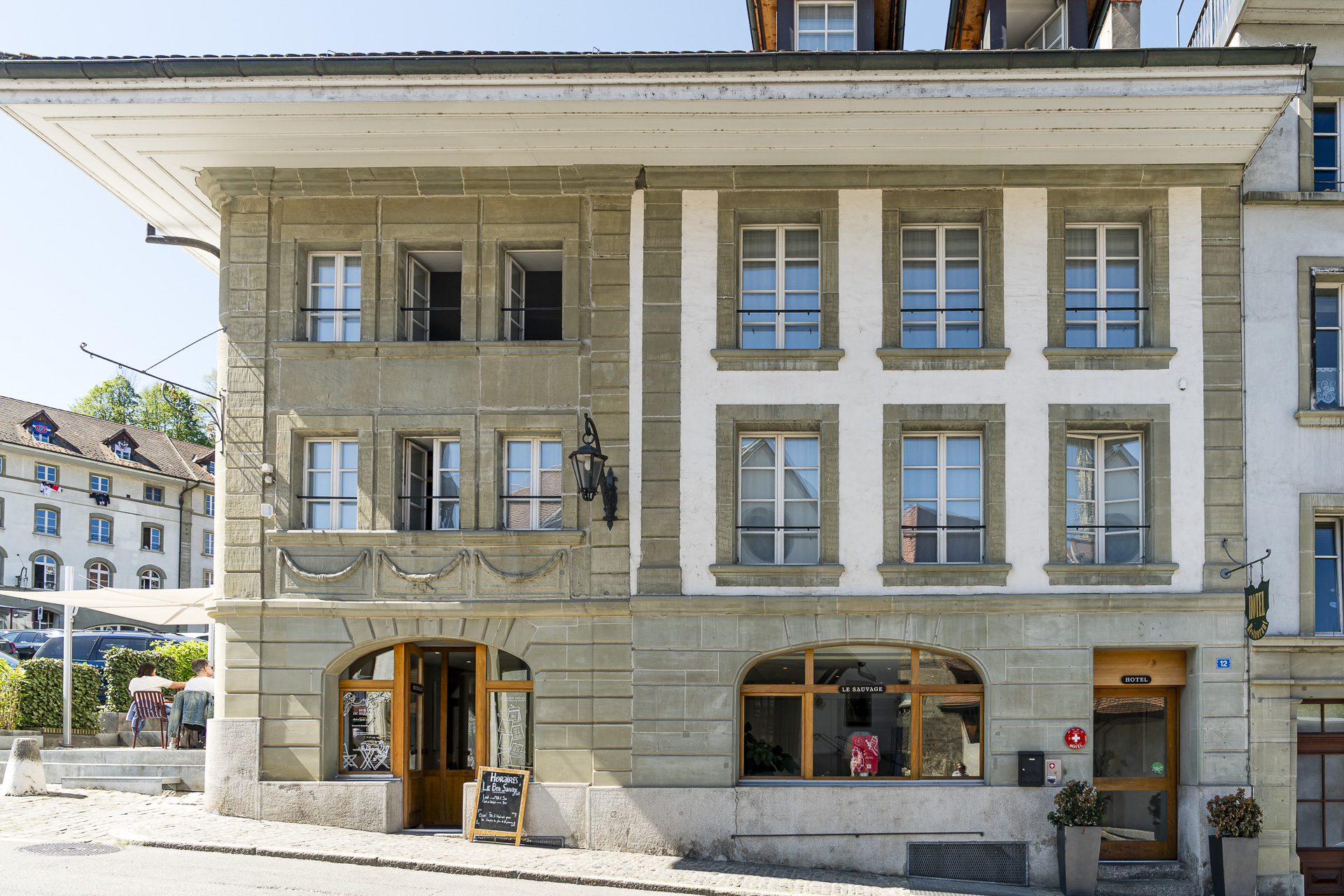
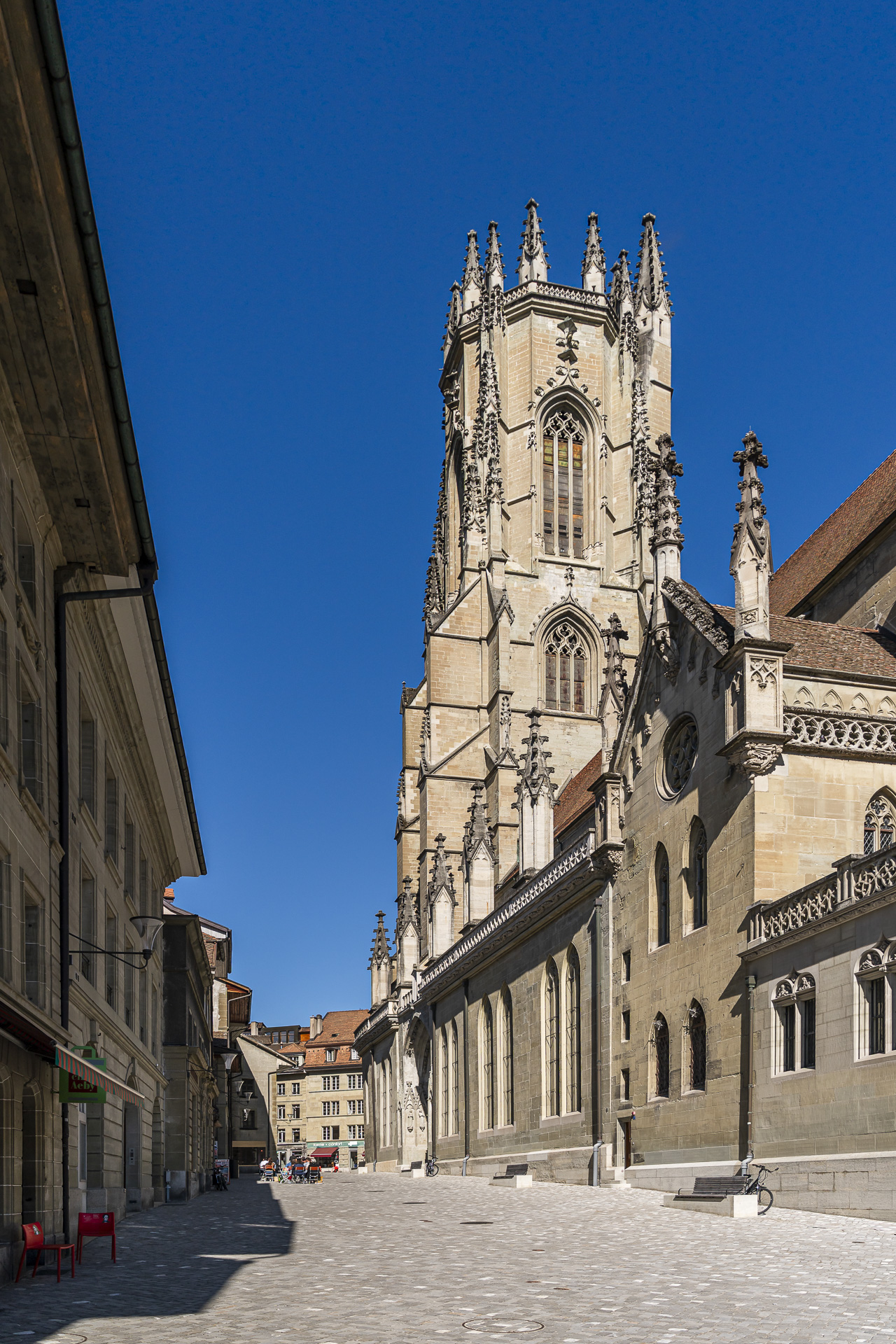
On the way to the second stop in the lower town we don’t miss a short detour to the 74-meter-high bell tower of St. Nicholas Cathedral. With the City Pass we get the admission ticket at the info point in the side street Rue des Épouses and then set off to climb the 368 steps to the viewing platform. Even though it’s a workout, the effort is definitely worth it. The panoramic view stretches over the roofs of the upper and lower towns from the Jura to the pre-Alps. From this altitude we can also spot the Restaurant Sauvage in the lower town, where next a fine apéro platter awaits us, accompanied by a local beer or a homemade iced tea.
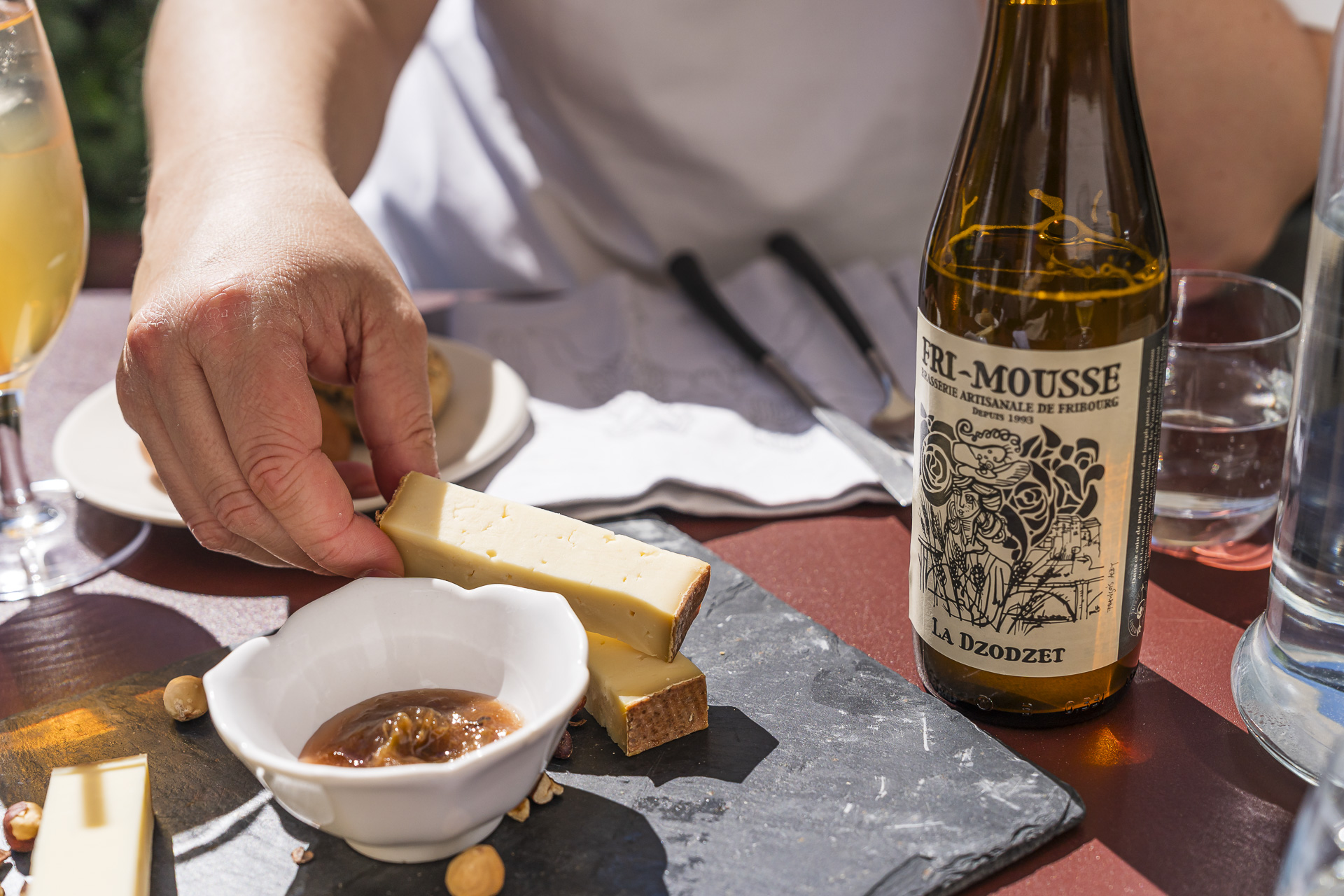
From the lower town you can either return to the upper town via numerous steps or take the funicular, which has connected the two districts since 1899 and is now listed as a national cultural property of Switzerland. We use the remaining time before lunch for a tour of the Espace Jean Tinguely – Niki de Saint Phalle. The museum in the former tram depot in the city center is dedicated to Freiburg’s most famous artist couple. Inside you can admire several of Jean Tinguely’s rattling and clattering artworks.
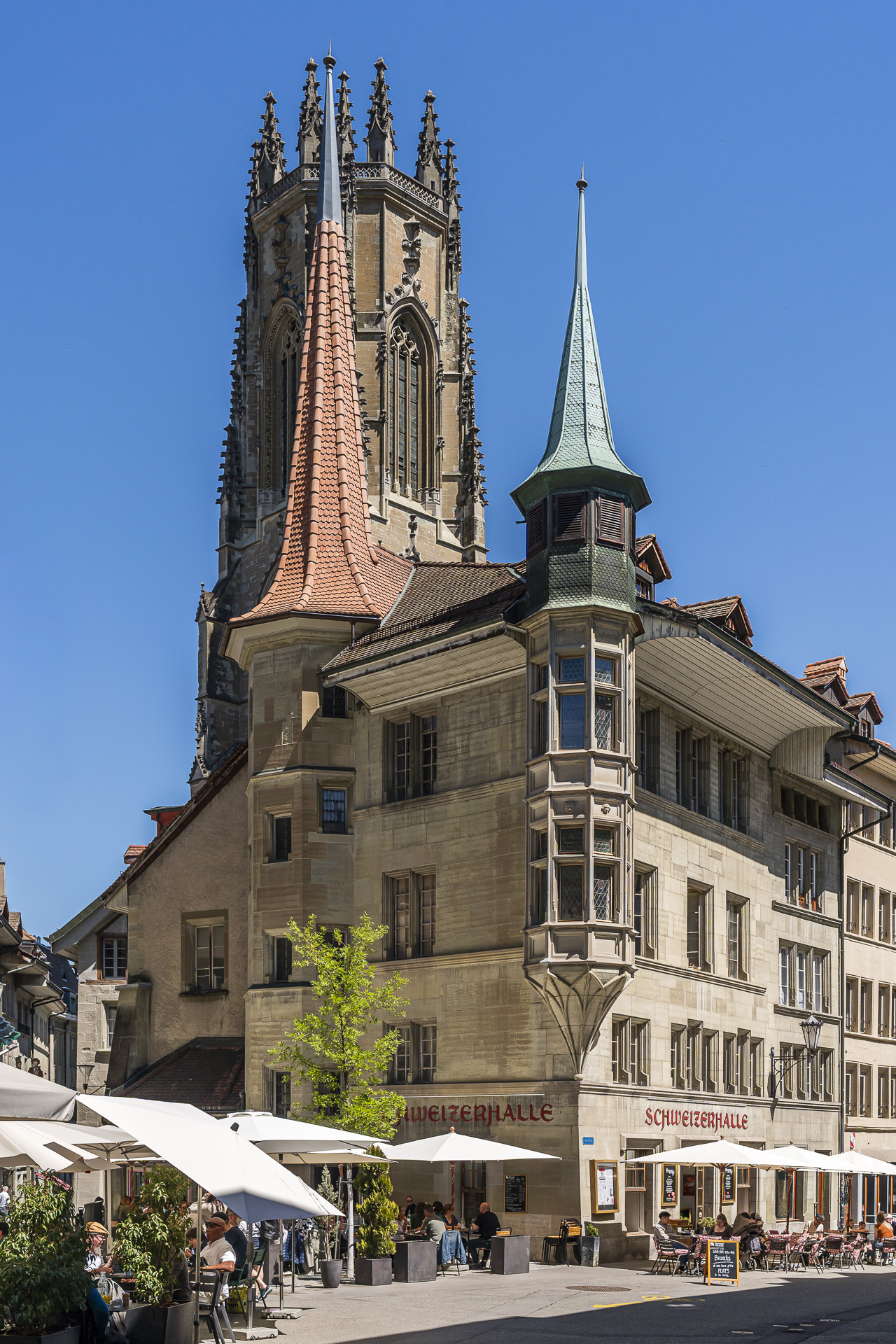
Less than a five-minute walk from the Espace the next program item of the food tour is already waiting. The Restaurant Schweizerhalle sits practically at the foot of the cathedral on the lively Grand-Rue, where the well-attended weekly market also takes place on Saturdays. Here we enjoy the daily special as the third culinary stop, followed by a dessert.
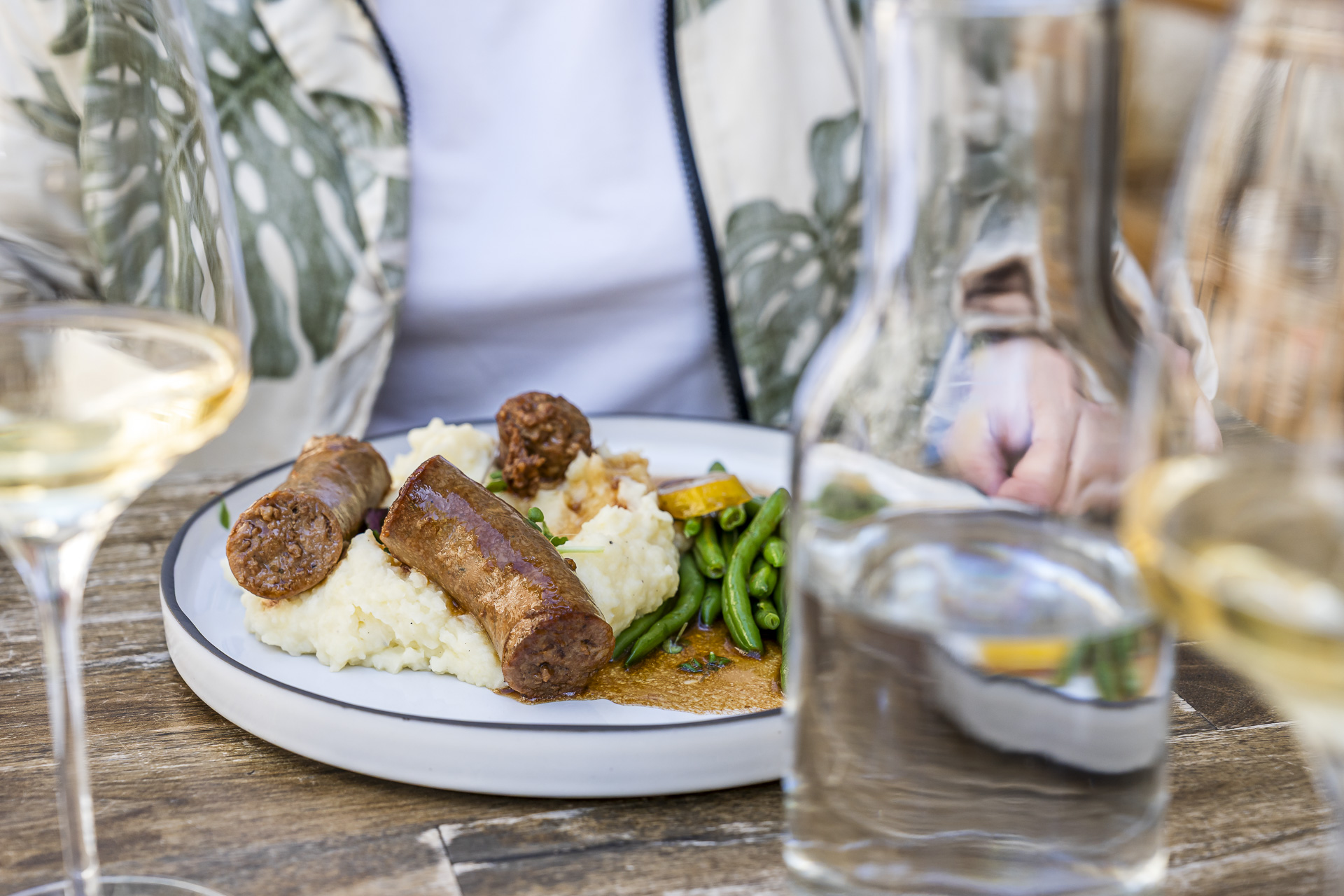
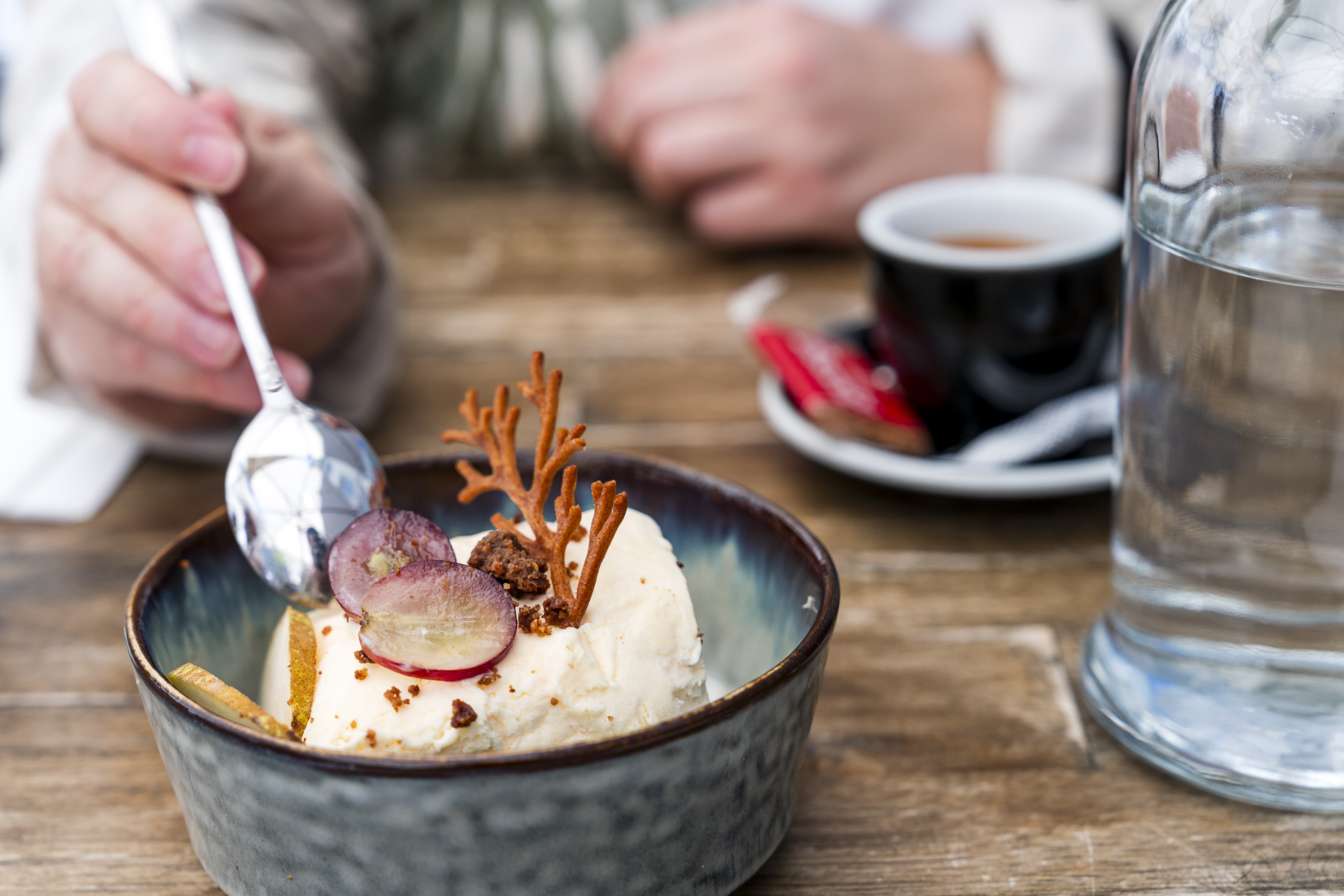
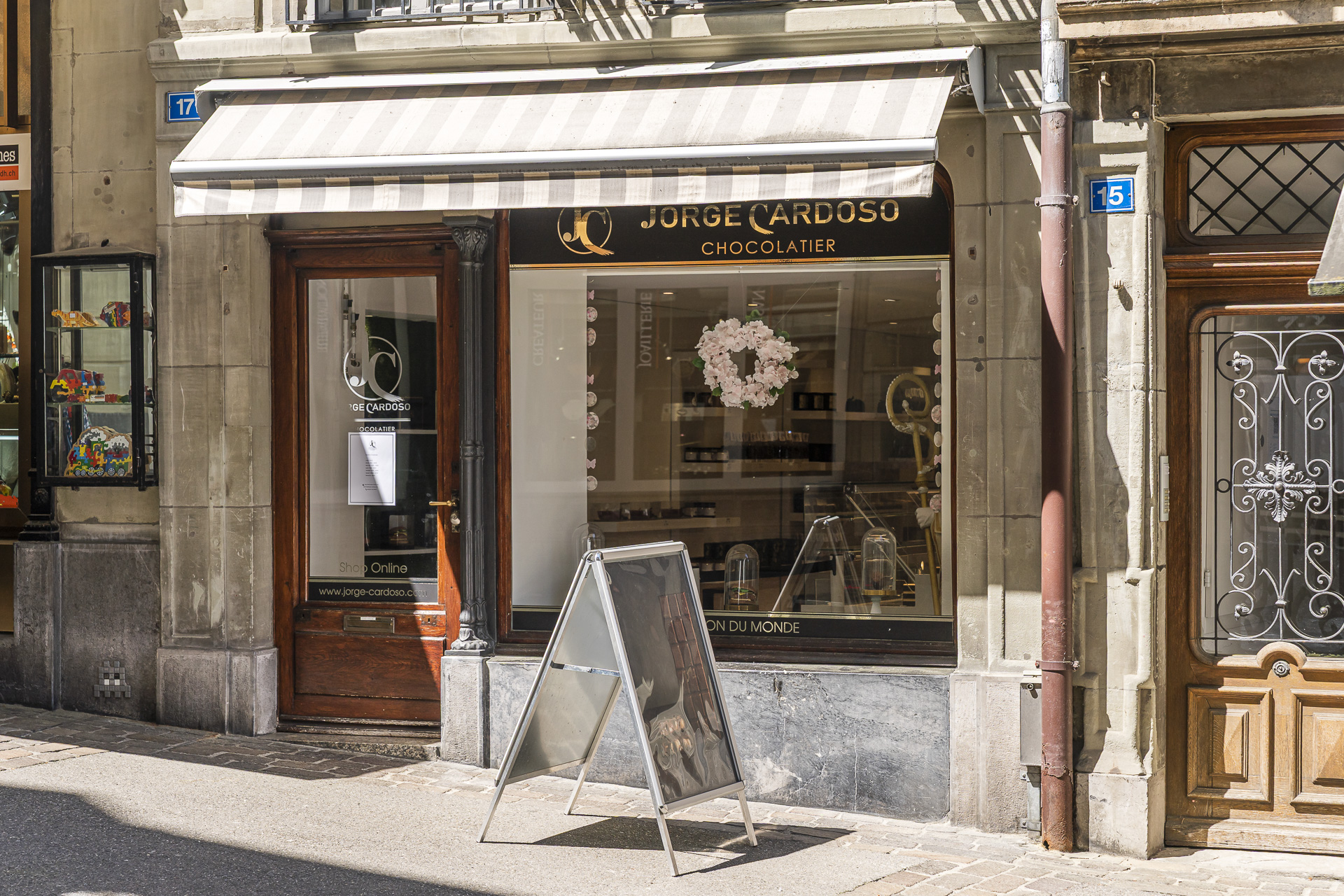
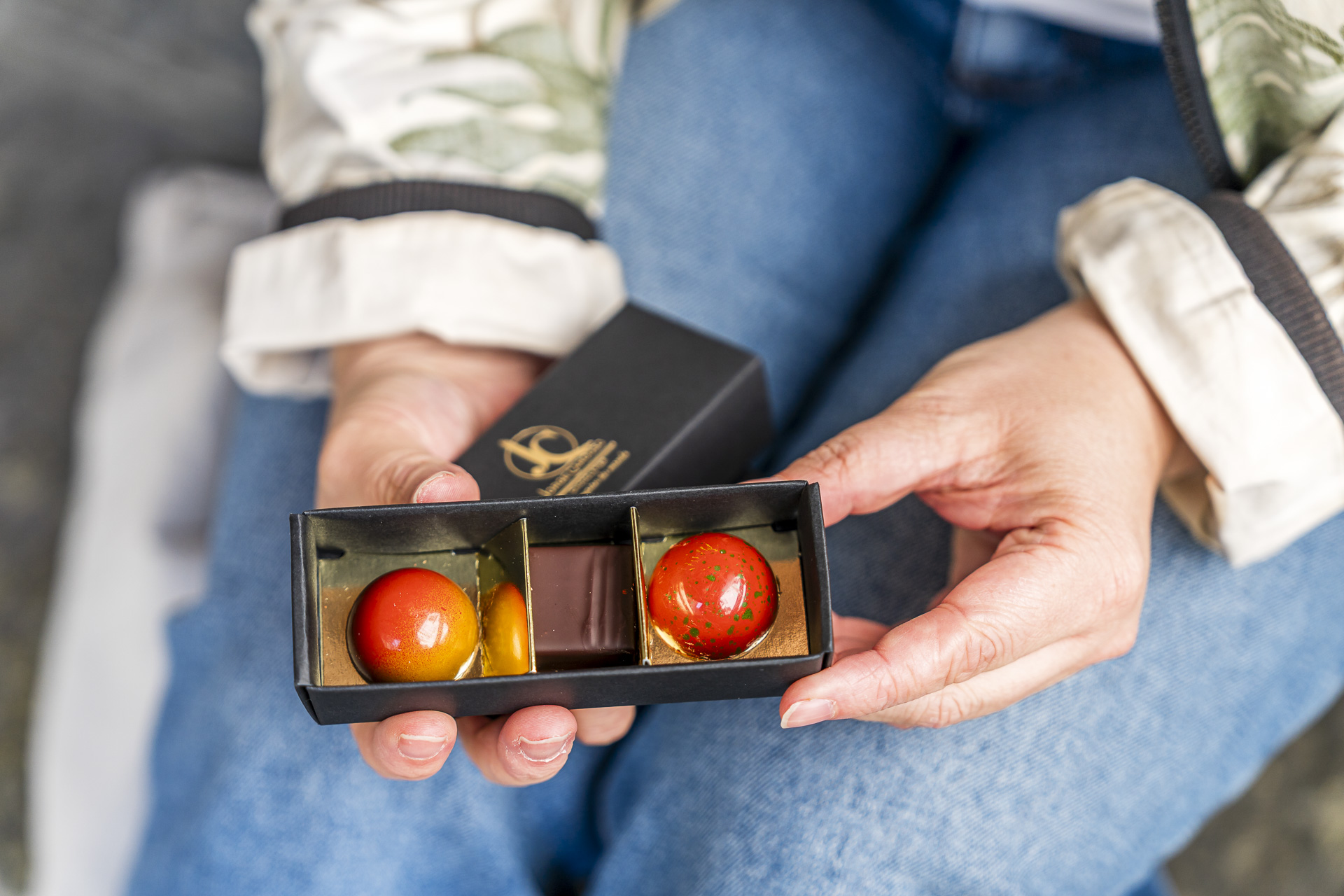
After so many delicacies we are definitely not hungry anymore. The creators of the culinary walk probably anticipated that and designed the last stop accordingly. The tour ends at the boutique of two-time world champion chocolatier Jorge Cardoso, where three delicious pralines provide a tasty finale. And because you don’t necessarily have to eat them right away, the sweet ending also makes a perfect little souvenir to take home.
Good to know: The “Taste my Fribourg” offer costs 79 CHF per person and can only be booked with an advance reservation. The price also includes the Fribourg City Card worth 20 CHF. With it you can use public transport for free and benefit from free admission to museums as well as other offers like city golf. You can find more information here: Taste my Fribourg
To the Loreto Chapel: the best viewpoint over Freiburg
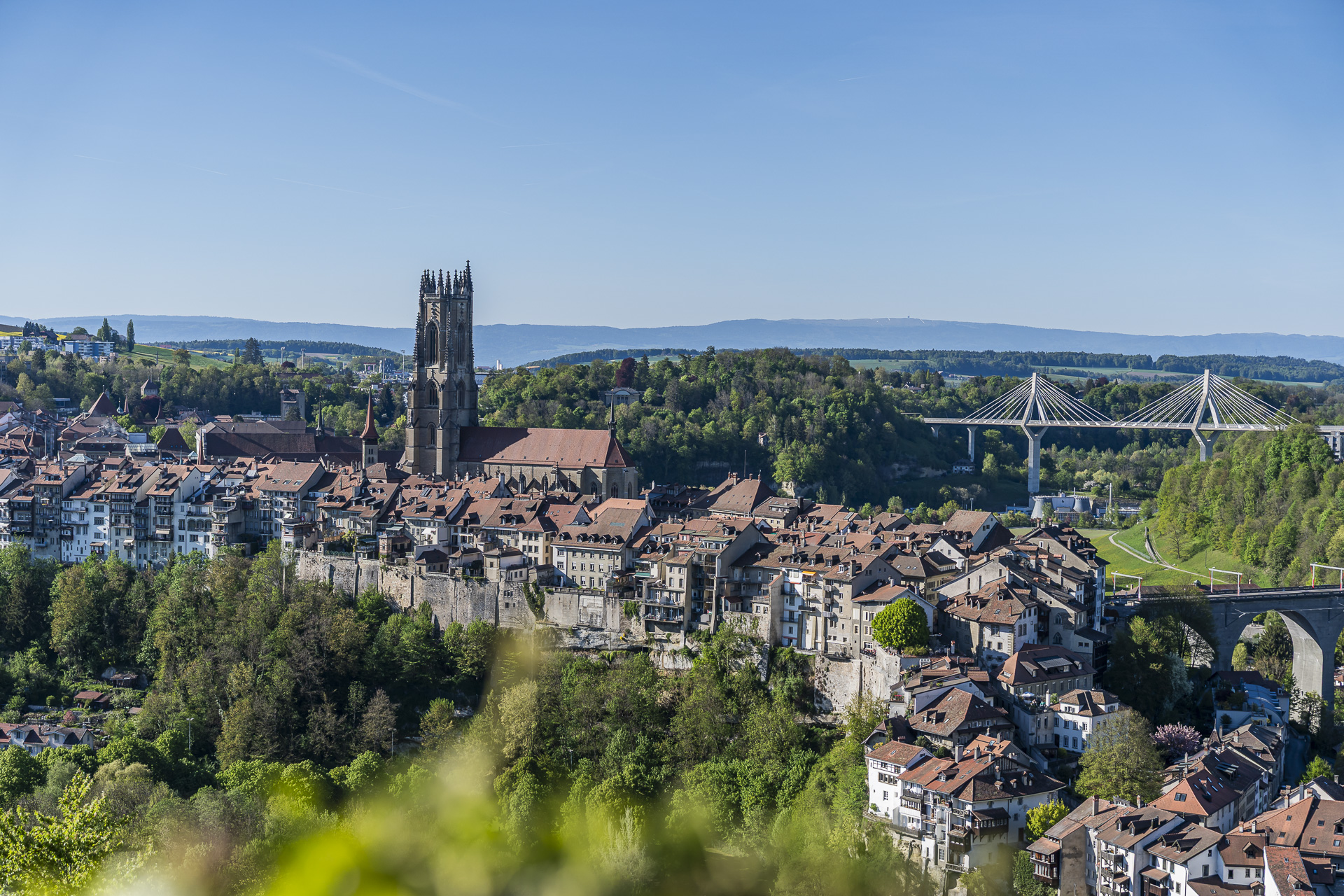
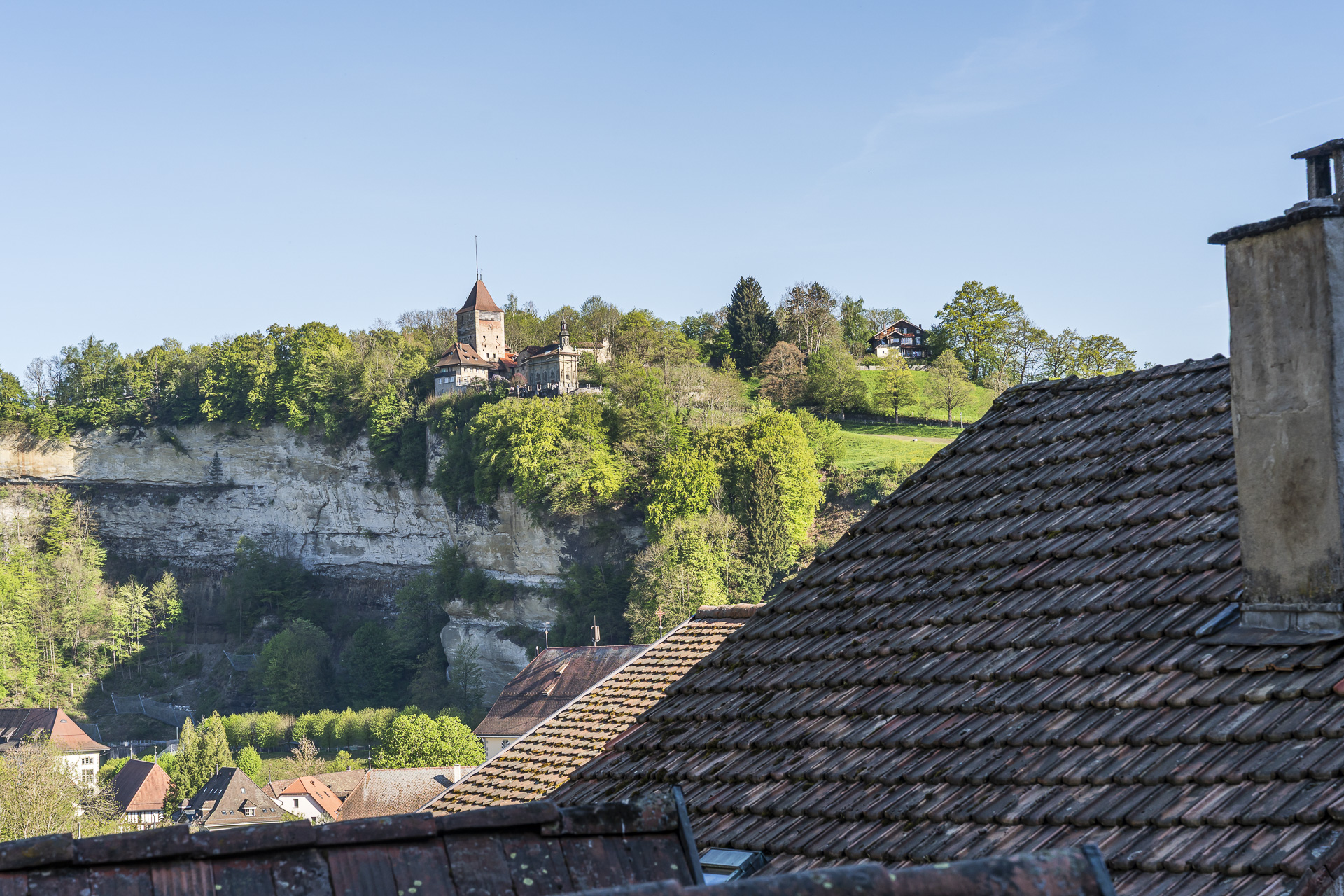
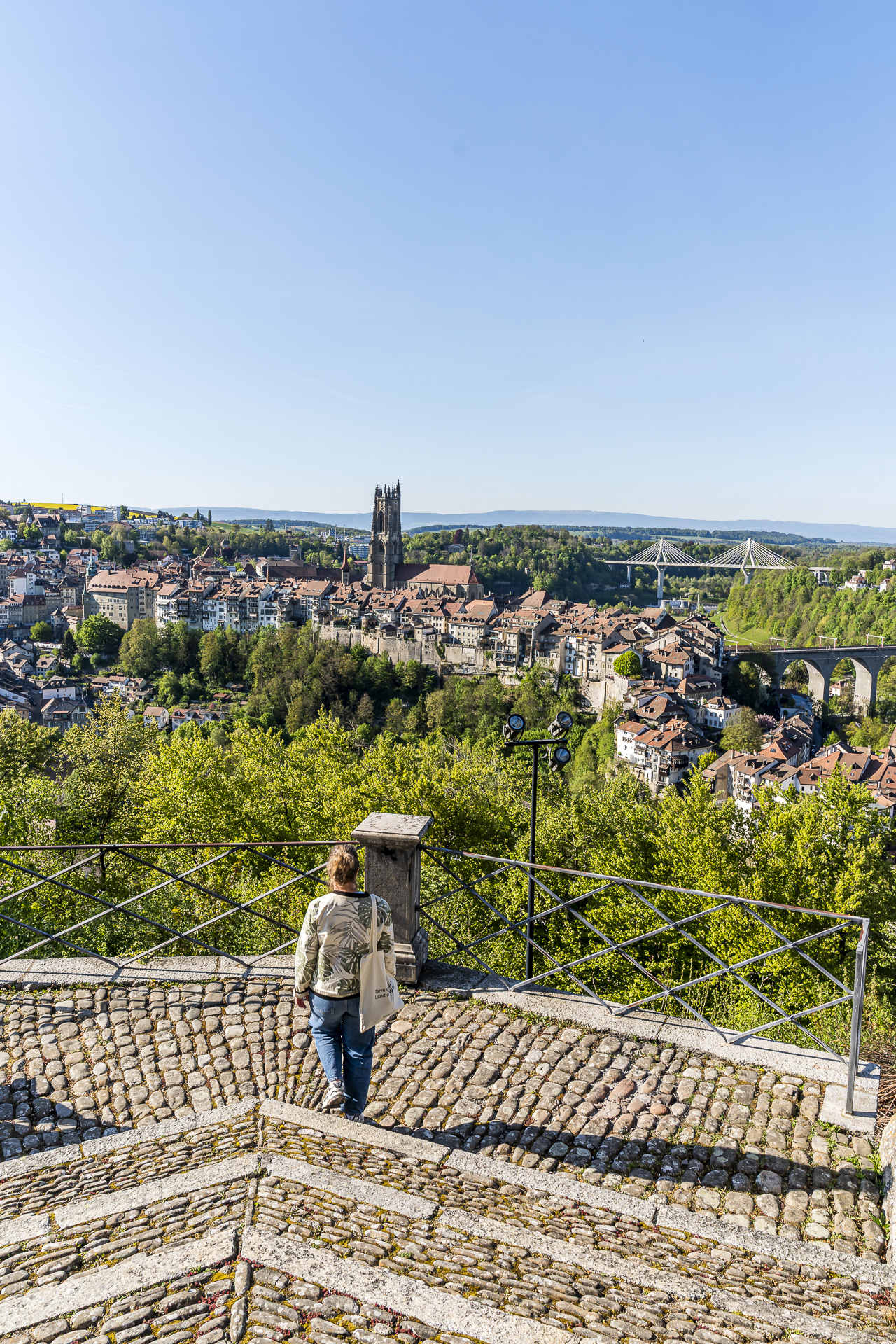
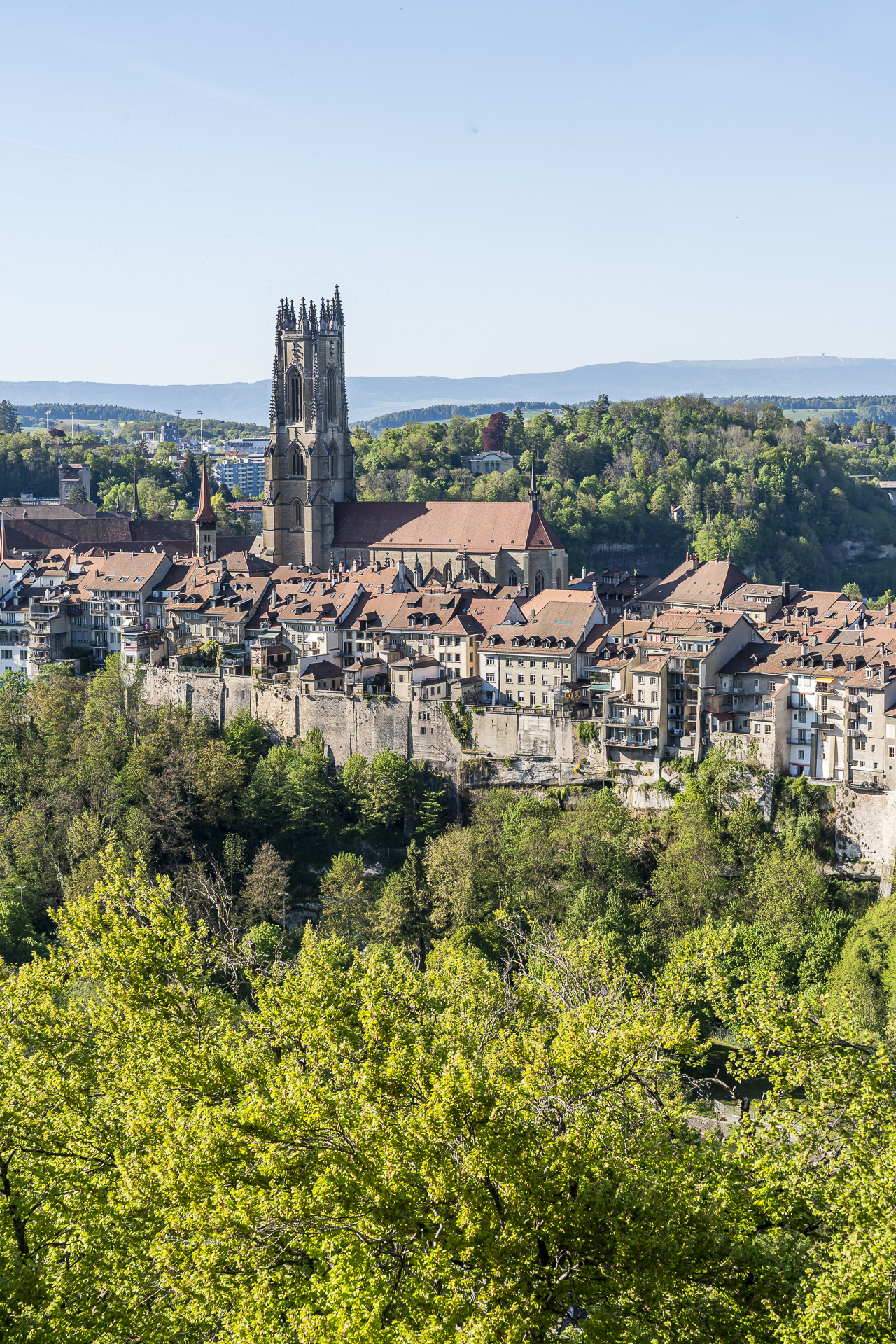
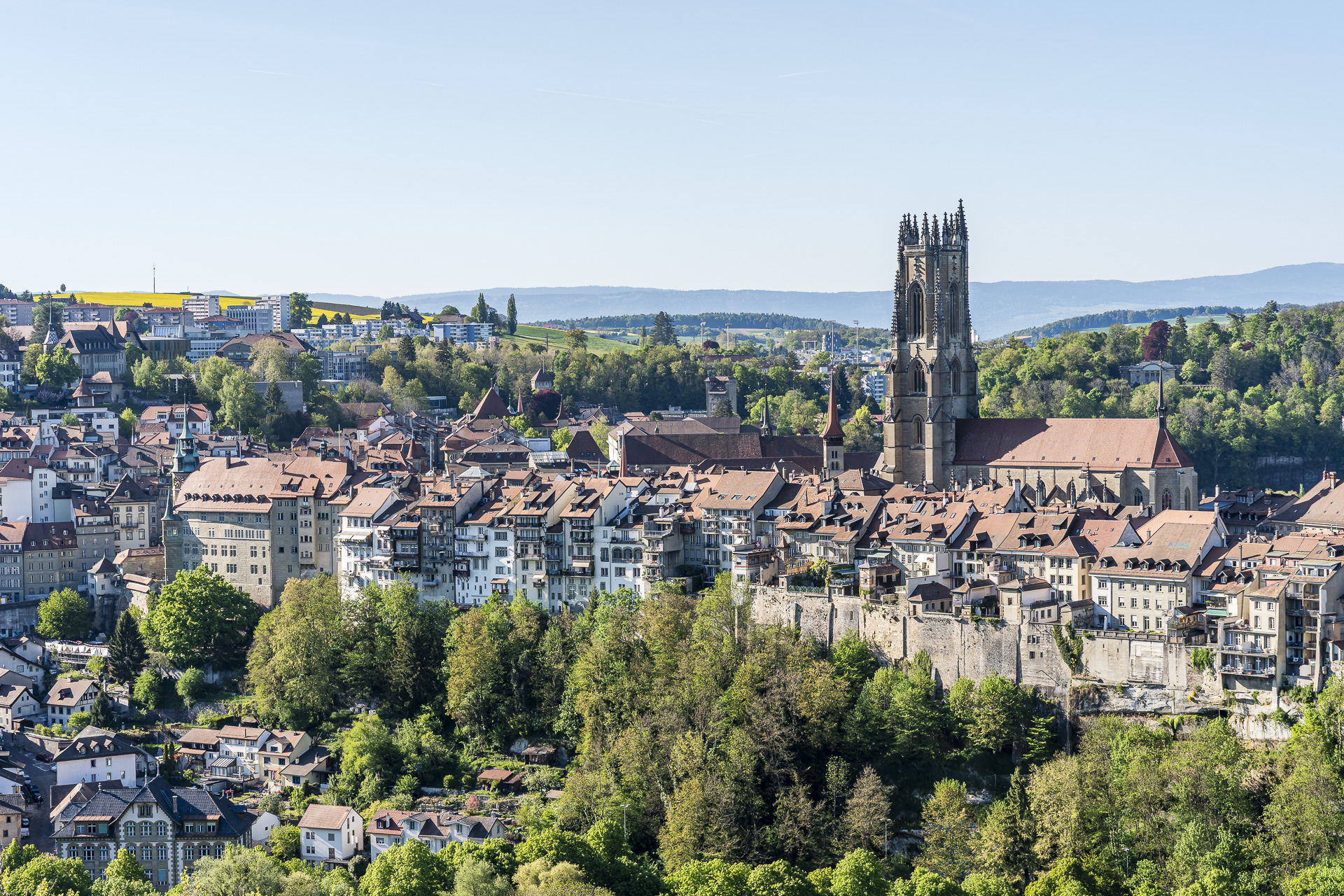
The detour to the Loreto Chapel can easily be integrated into the “Taste my Fribourg” city walk, but it’s also a worthwhile short excursion in its own right in the Zähringer city. The chapel, built in the mid-17th century in the Baroque style by the Freiburg artist Jean-François Reyff, stands high above the Saane gorge and offers a beautiful view of the Old Town silhouette dominated by the cathedral.
From the train station it’s best to follow the signposts toward Gorges du Gottéron, which leads you through the most beautiful lanes from the upper to the lower town. Then cross the Saane on the Pont du Milieu and follow the narrow Chemin Saint-Jost, which winds up on narrow paths to the Capuchin convent. The tree-lined path to the Loreto Chapel also begins there.
Good to know: From the train station to the Loreto Chapel it’s about 3 kilometers through the old town and 120 meters of elevation gain. Alternatively, you can take the bus to the lower town or, from early May to the end of September, the Minizug from the Équilibre stop.
Medieval Rue: a walk through the smallest town in Europe
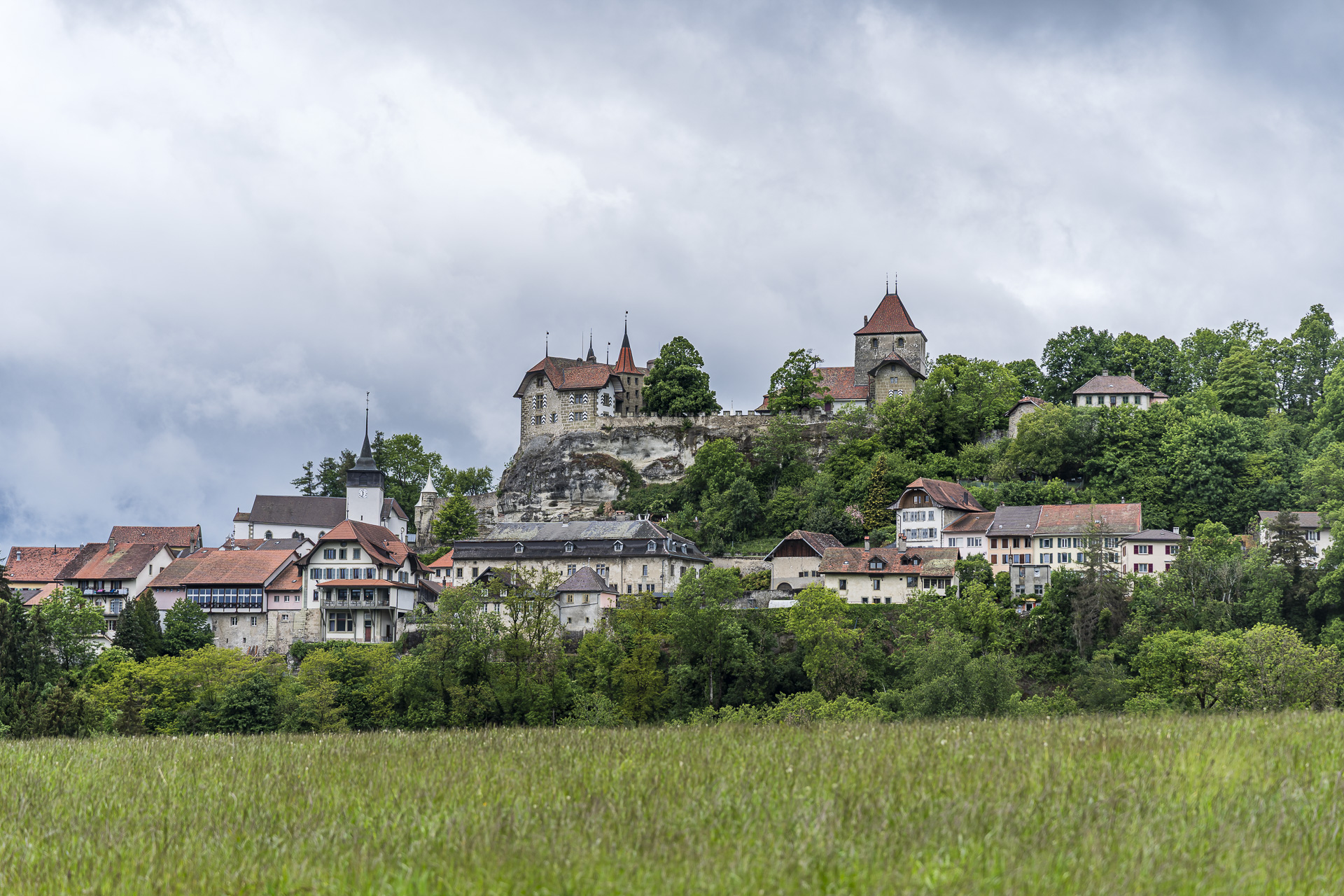
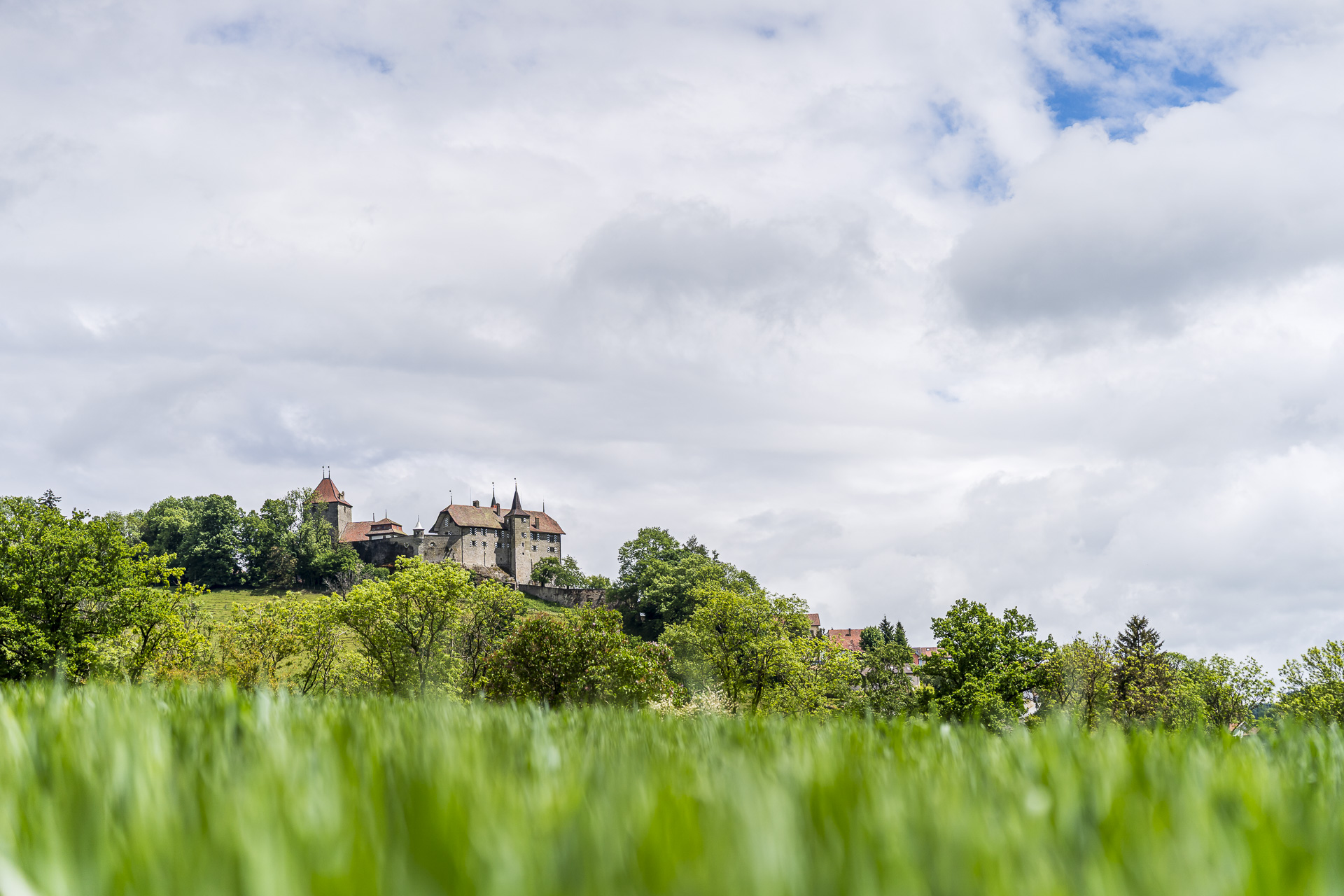
If you’re traveling by train from Bern toward Lake Geneva, you may have noticed the small town of Rue through the train window. With its distinctive castle, it clings like an eagle’s nest to a rocky outcrop in the Glâne district and is already visible from afar. If, like me, you’ve wondered more than once what this place is all about, you should definitely take the opportunity to visit Rue.
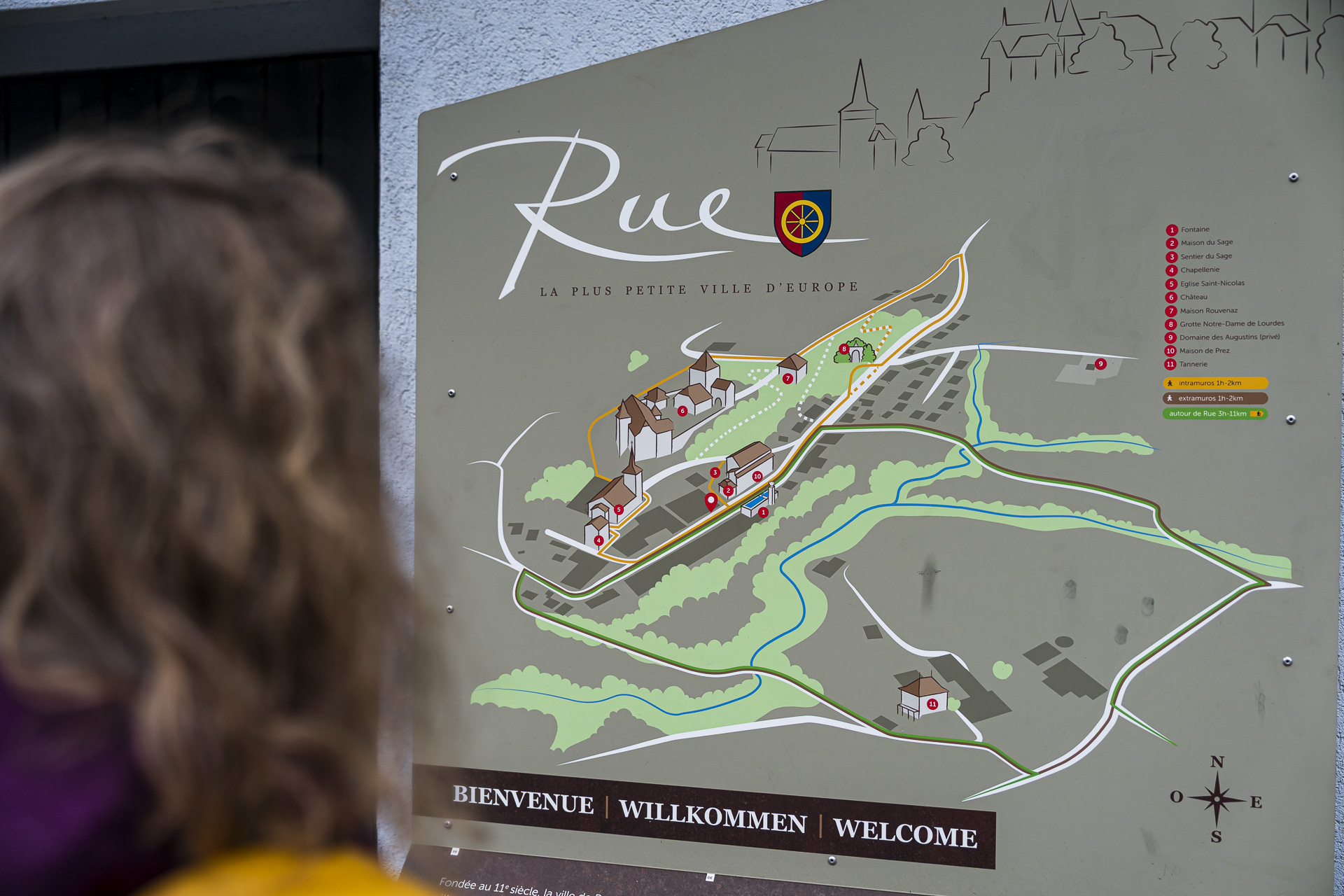
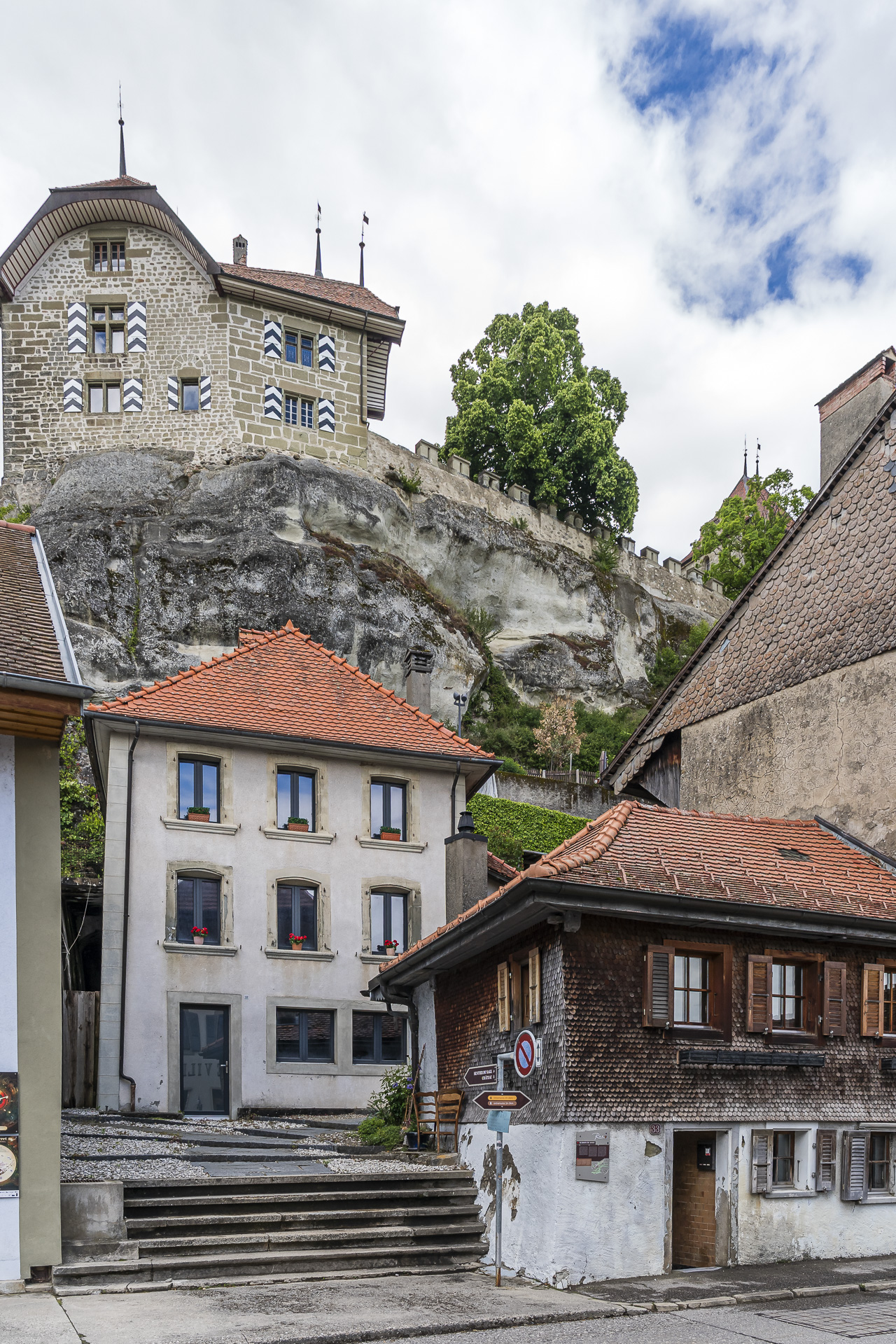
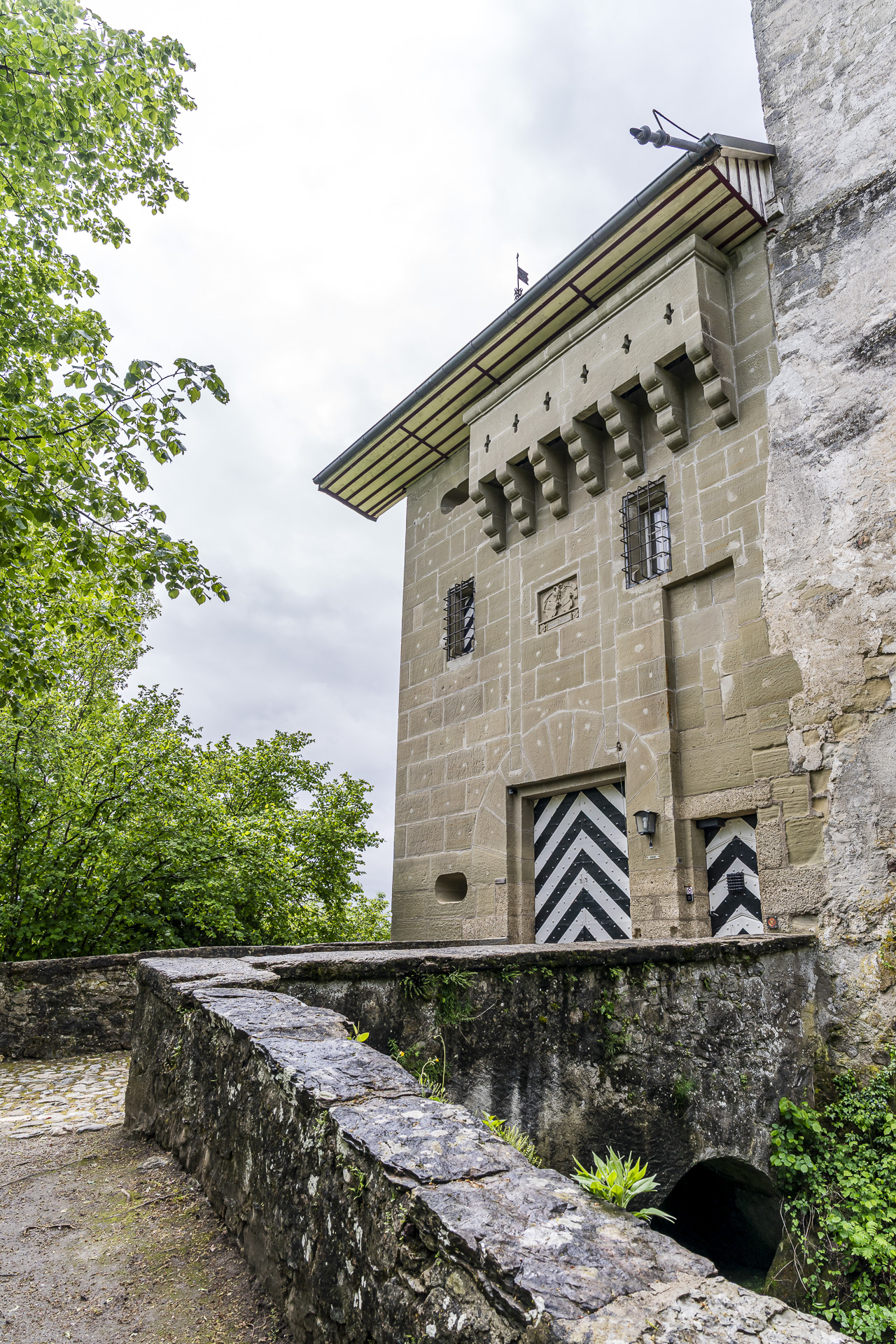
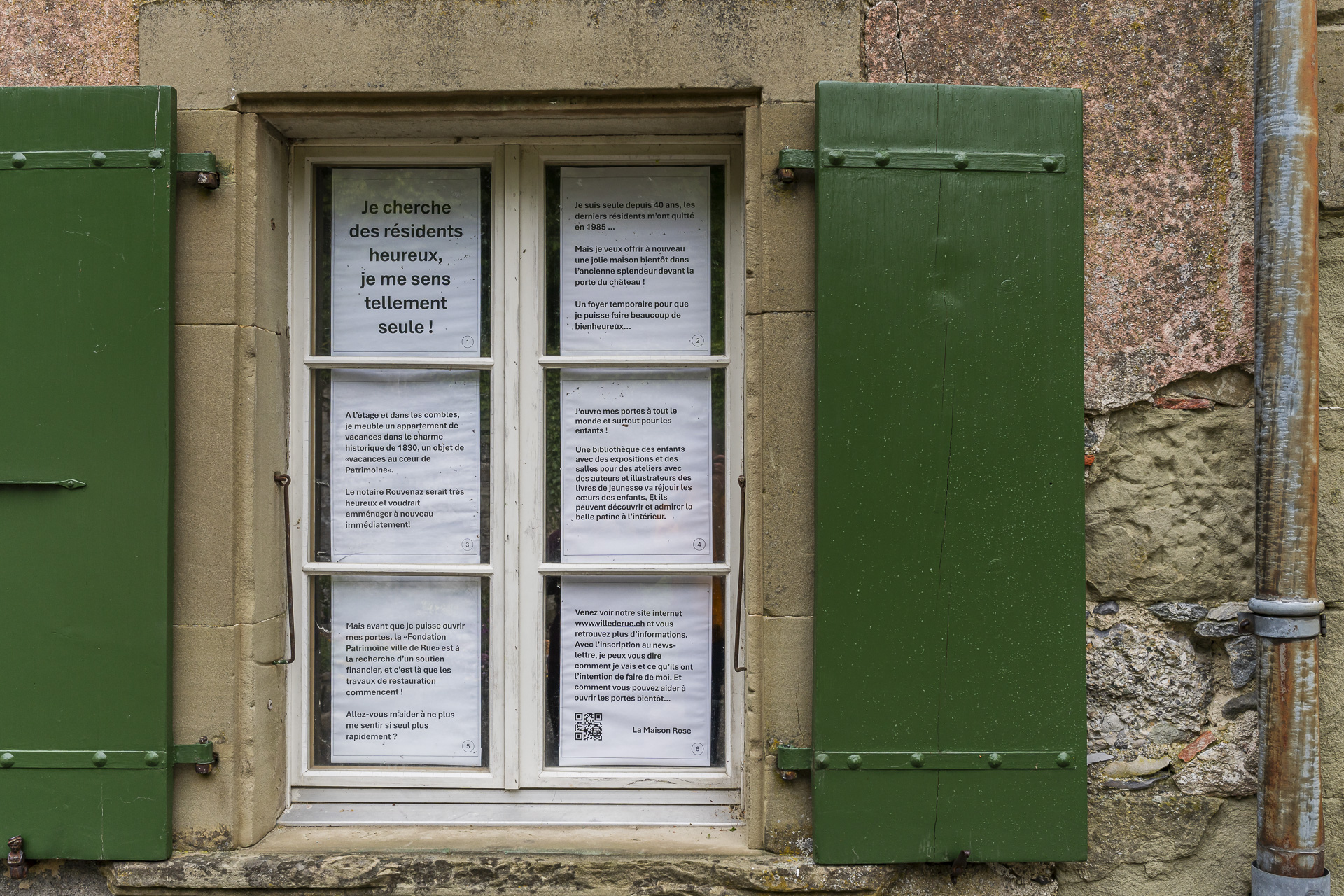
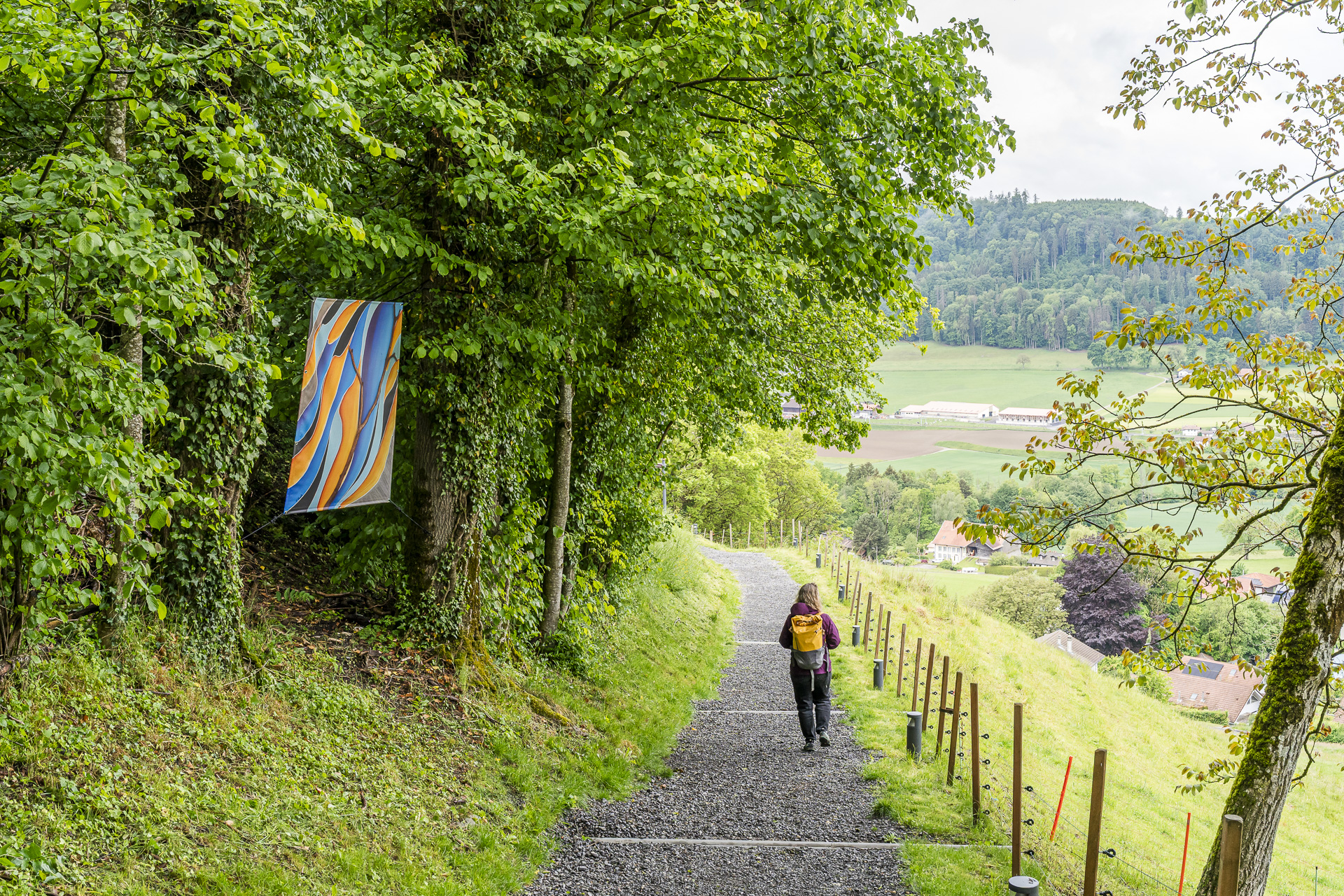
Whether Rue is actually the smallest town in Europe is disputed. Several small towns in Europe claim that title. Rue is definitely small, though. The castle was first mentioned in a document in 1152. The town was founded under the rule of the House of Savoy between 1264 and 1271. You can learn more about the history of the place on three marked circular routes that run inside and outside the city walls. We combined the “Intramuros” (1 kilometer) and “Extramuros” (2 kilometers) walks. Thanks to the town’s elevated position, there is a great view of the surrounding landscape. To our surprise, there were also various artworks to discover along the way.
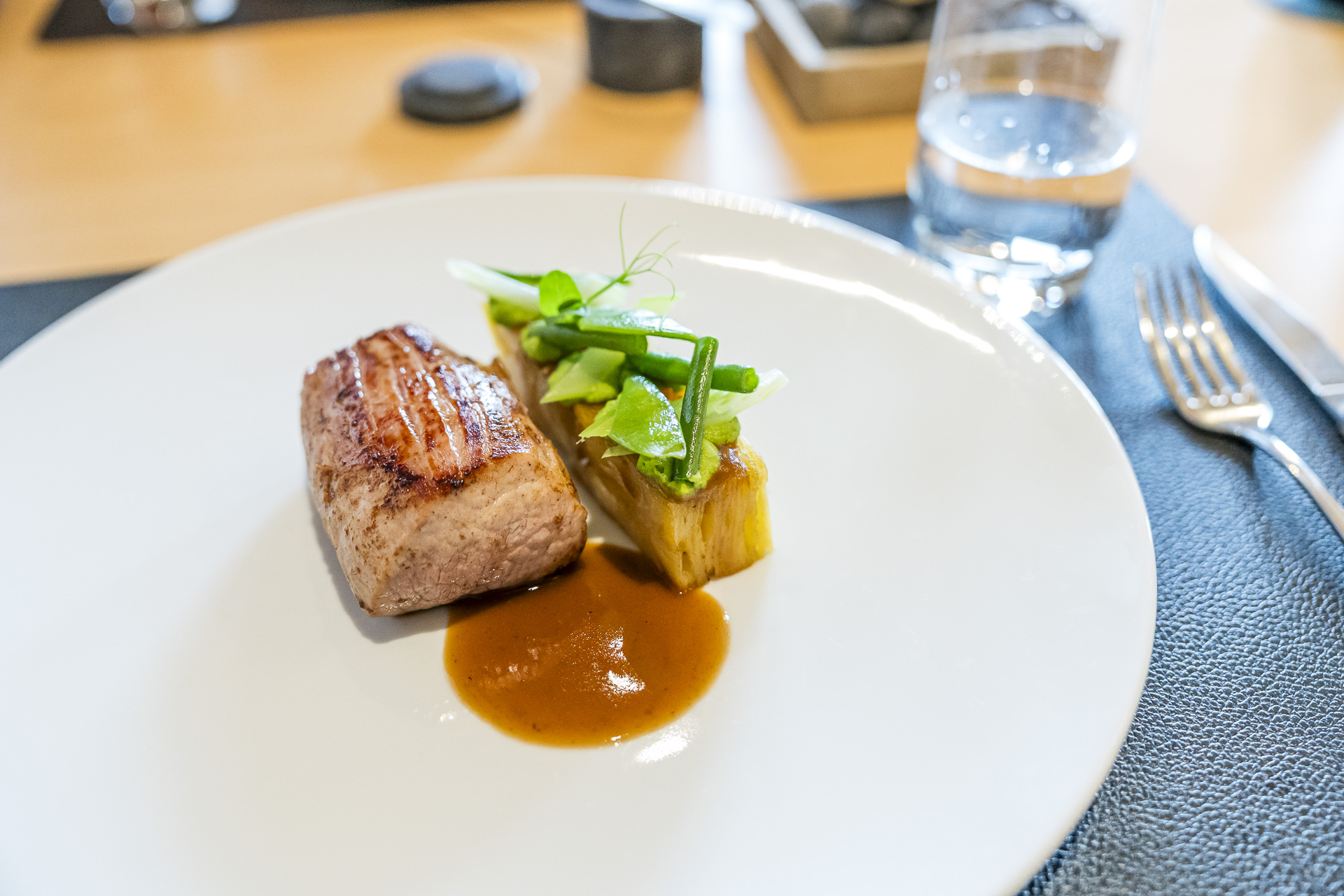
Also a discovery is the Restaurant Hôtel de Ville right in the middle of Rue. Head chef Sébastien Suard creates truly fine menus here from seasonal produce. In my opinion, another good reason not to just drive past Rue, but to deliberately plan a day trip there.
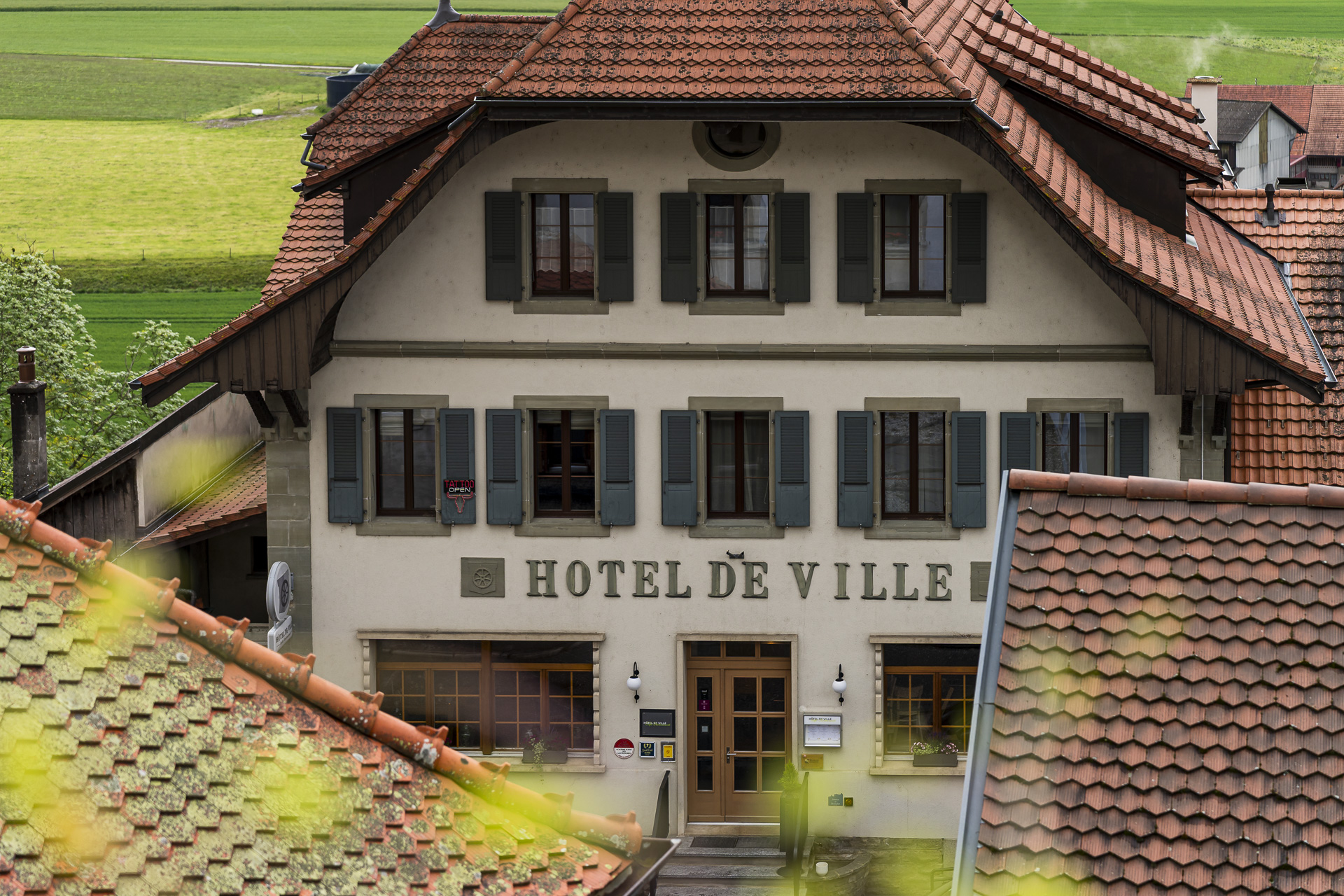
Good to know: More info about Rue can be found here: Medieval town of Rue. In Restaurant Hotel de Ville two or three menus are served depending on the time of day (lunch or dinner). The least expensive menu costs 75 CHF. Reservation recommended.
Chutes des Chavannettes: hidden idyll on the Broye
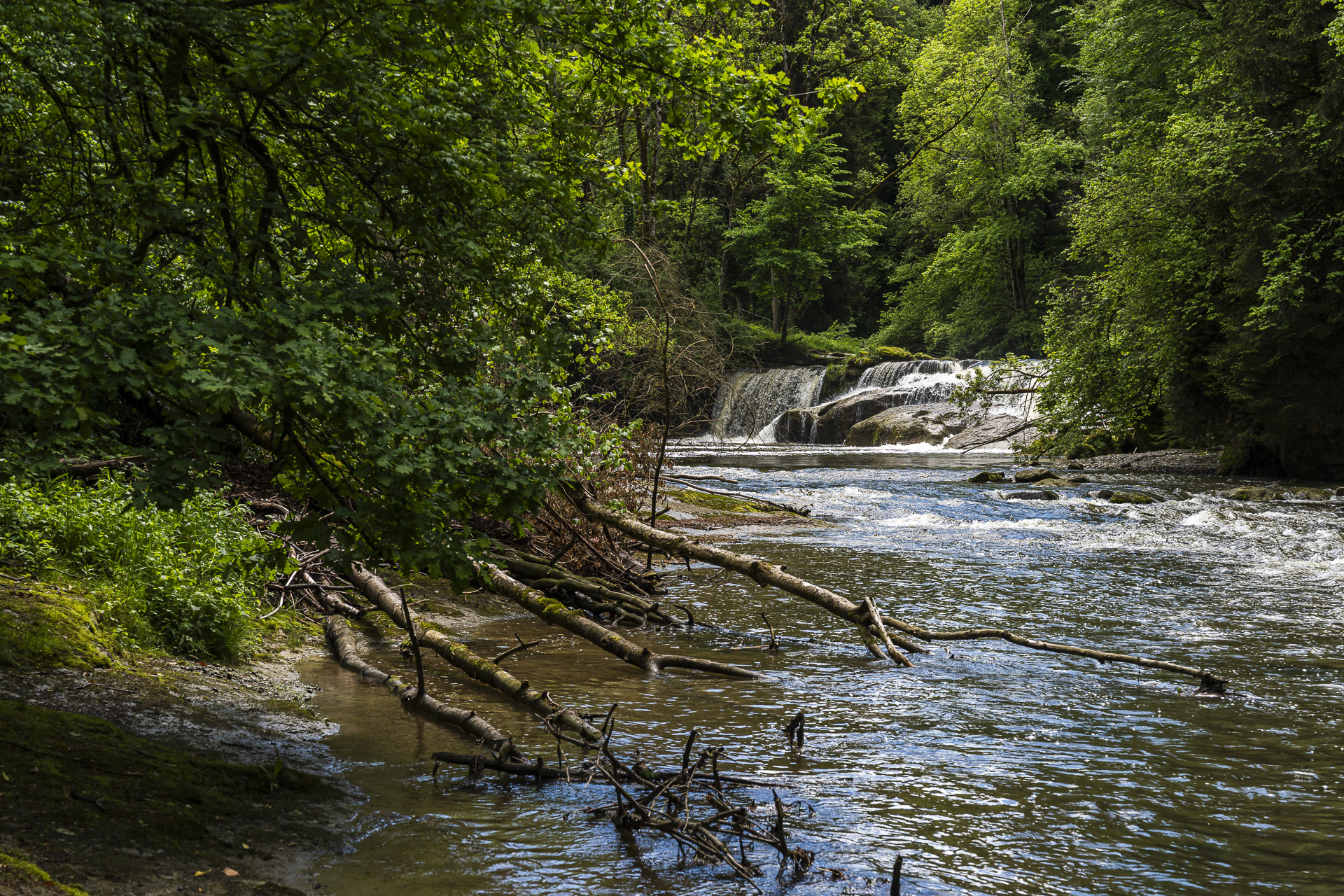
From Rue, you can reach the Chutes des Chavannettes on the Broye in about thirty minutes on foot. Unfortunately, there is no continuous hiking trail from Rue to the waterfalls. Anyone walking the route therefore has to walk a stretch along the lightly trafficked main road. Nevertheless, the detour is well worth it, especially on hot summer days. After the walk through Rue, you can dip your feet in the cool water of the Broye here and enjoy the peace by the river for a while.
Good to know: access by car is prohibited. If you are traveling by car, you can park it on the Place de la Foire in Rue.
Bivouac dans les Arbres: a night in the tree bivouac
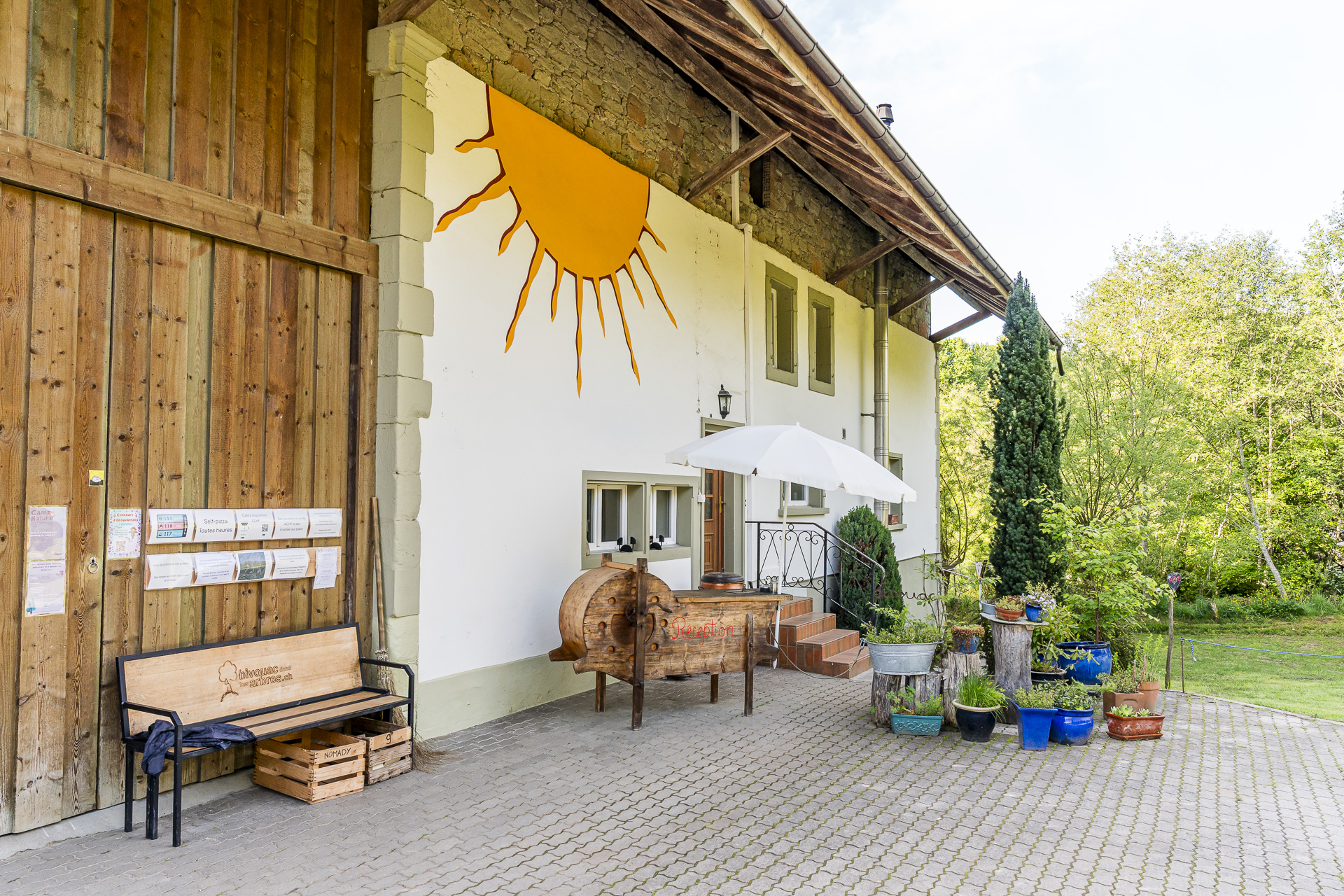
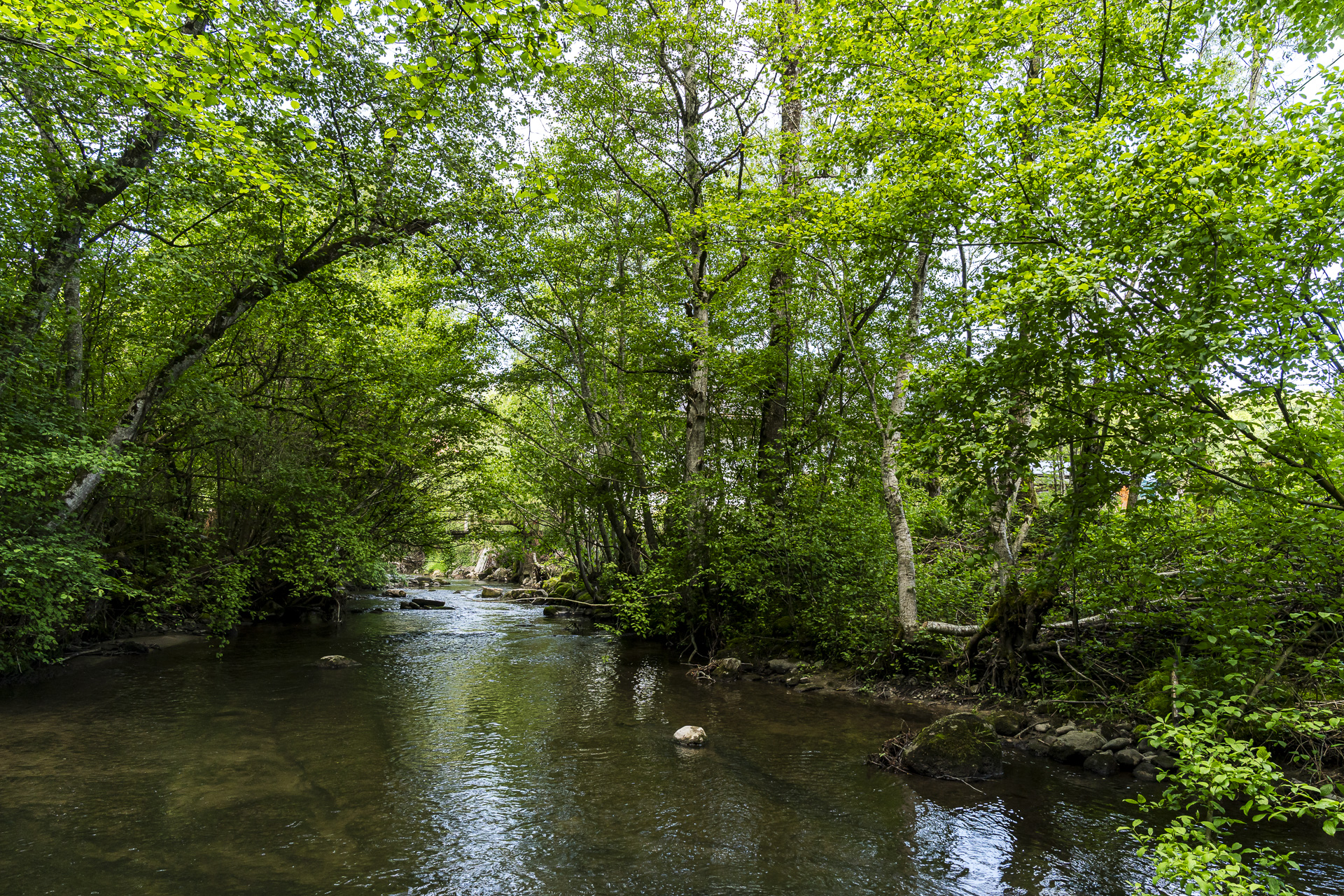
A very special adventure awaits you northeast of Romont in Villarimboud. Here, seemingly in the middle of nowhere, the Perritaz family has created a small paradise on the banks of the Glâne. The extensive grounds around an old mill were reforested and carefully restored by Frédéric Perritaz with great passion.
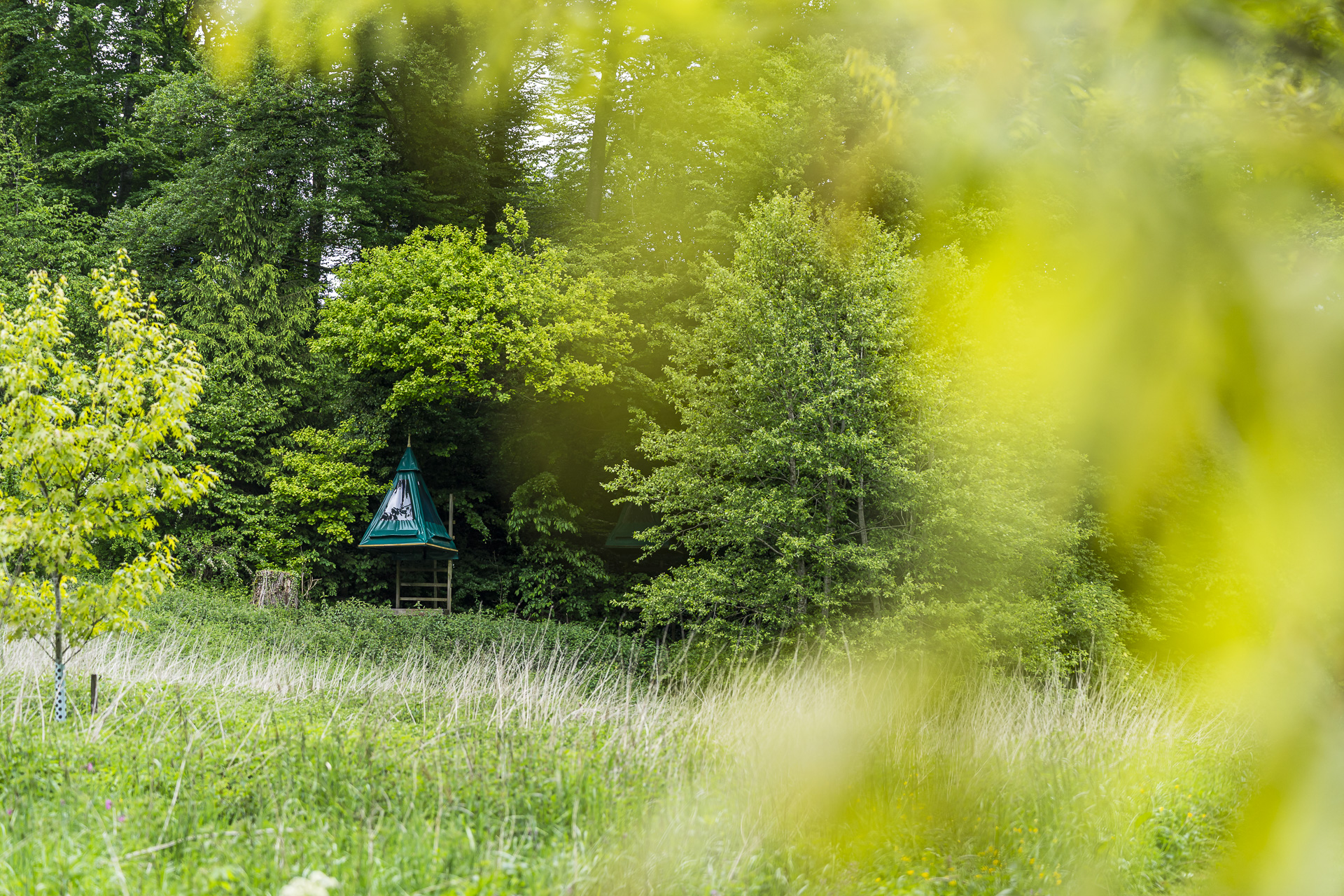
Today the site offers various overnight accommodation options. In addition to pitches for campers, which can for example be booked via the Nomady platform, there are also two permanently installed caravans. The real highlight, however, are the bivouacs in the trees. I was curious about what awaited us here, and I can say right away: it is a really great experience, suitable both for a short trip with children and for a small getaway for two. The bivouacs are placed with sufficient distance from one another, so you truly feel immersed in nature.
Each spot includes a grill area and a seating area. Firewood is available on site, and toilets and showers are available at the mill. The facility is also very well maintained and host Baptiste Perritaz and his team are available to answer questions at any time.
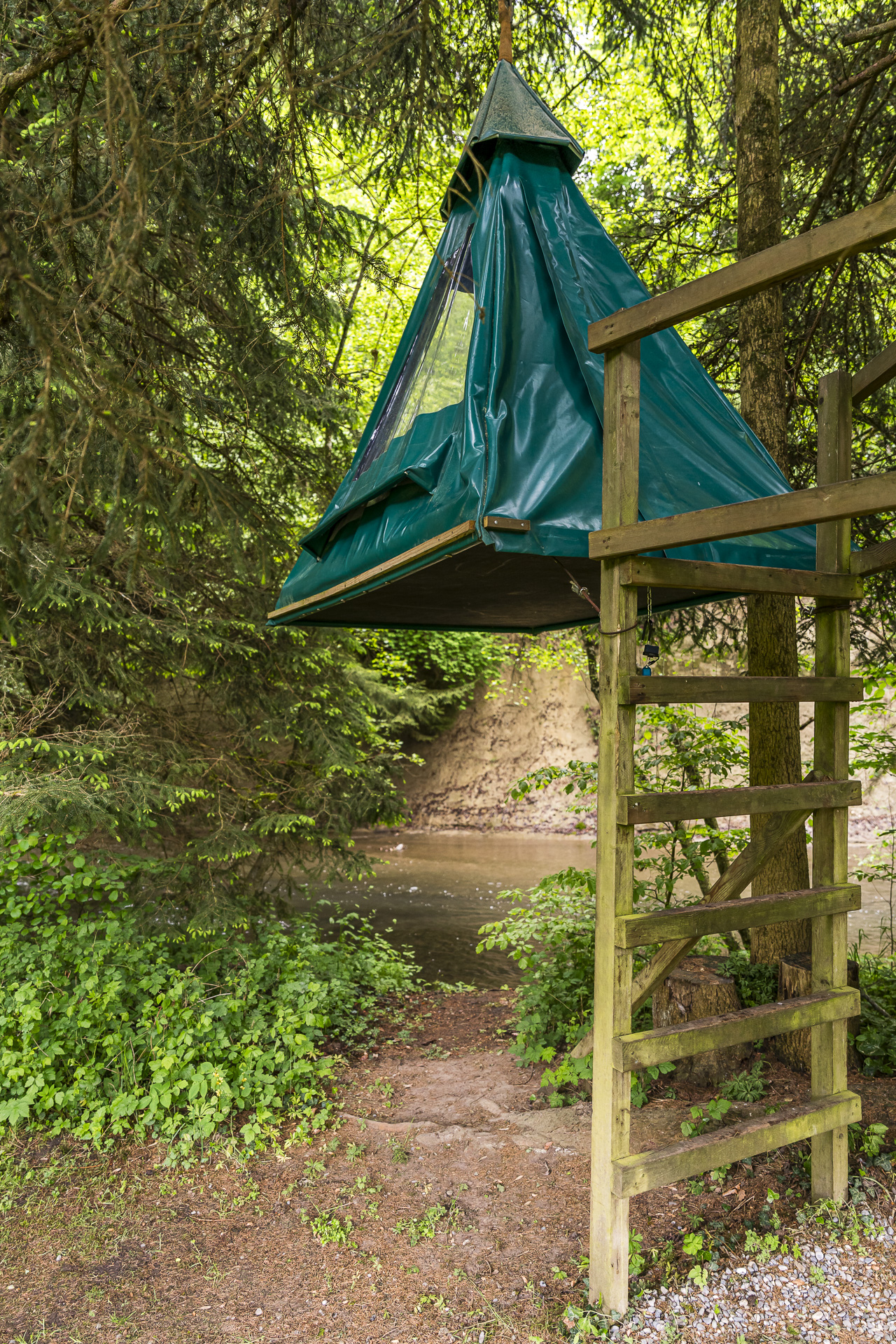
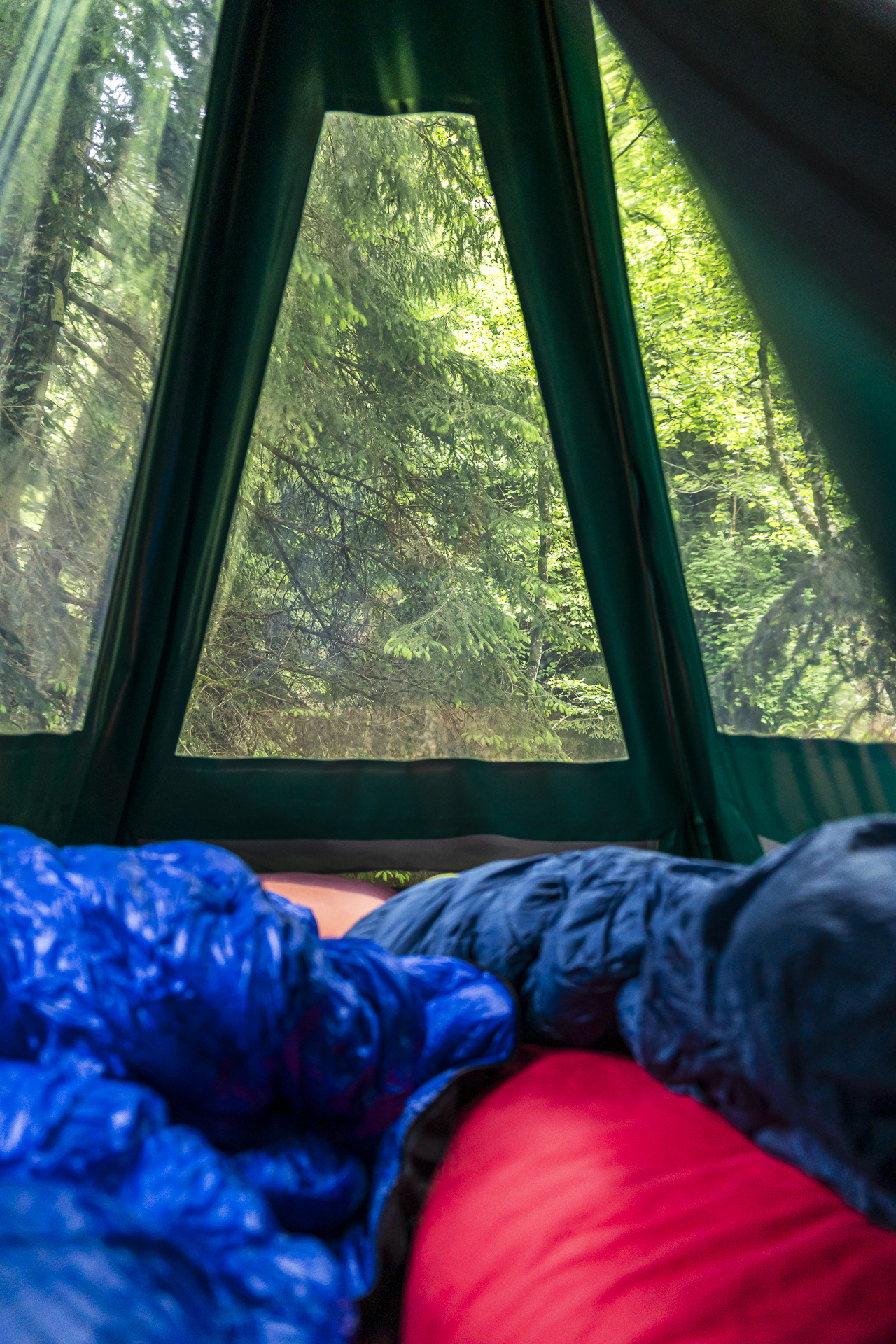
Good to know: The facility is open from the end of April to the beginning of October. Those who bring their own sleeping bag pay 140 CHF for an overnight stay in the bivouac with 2 sleeping places. Breakfast is included. Those who don’t have a sleeping bag can also rent the bivouac equipped with bedding (cost 168 CHF). More information can be found here: Bivouac in the trees
«Le Pied Total»: barefoot through the Wundergarten
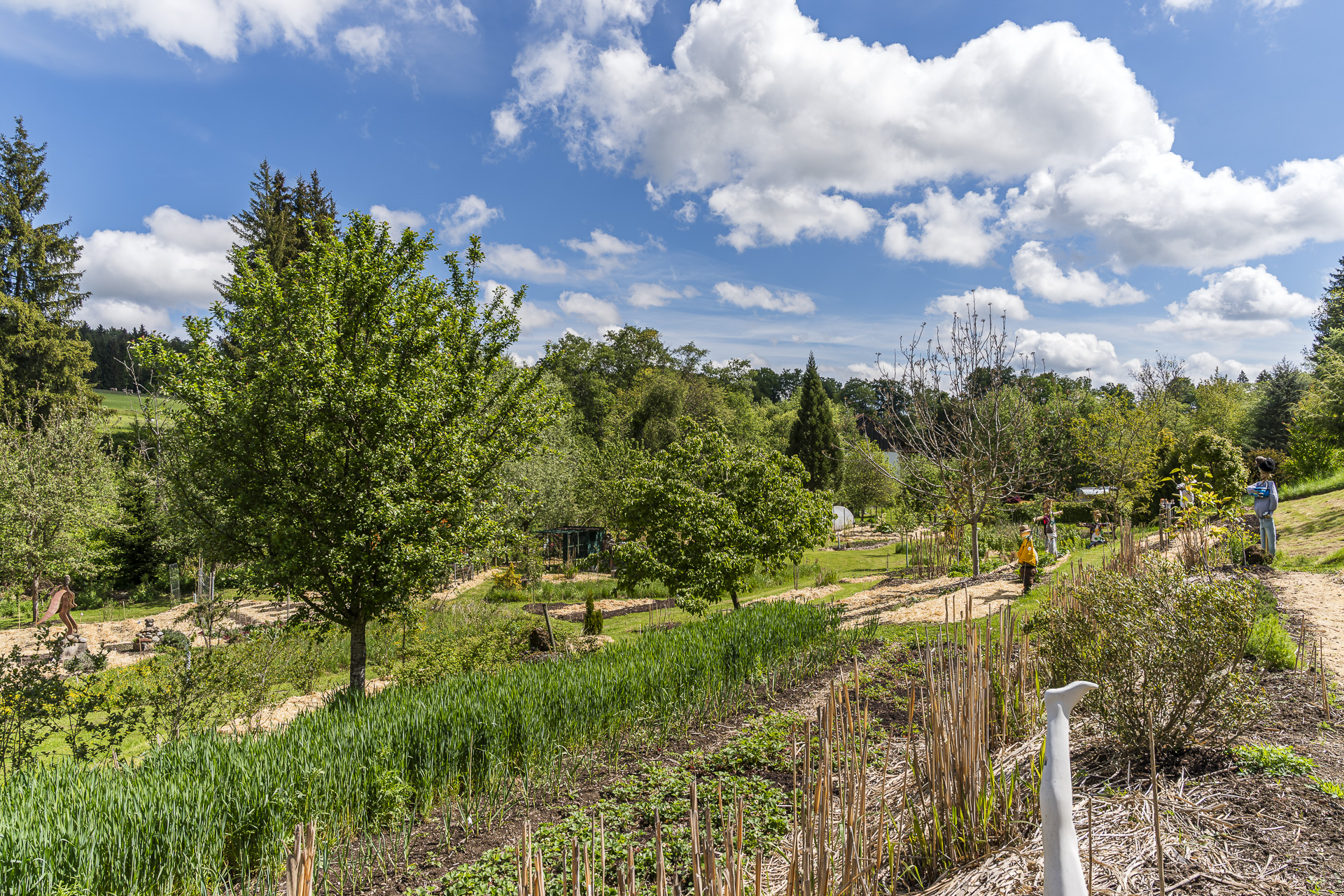
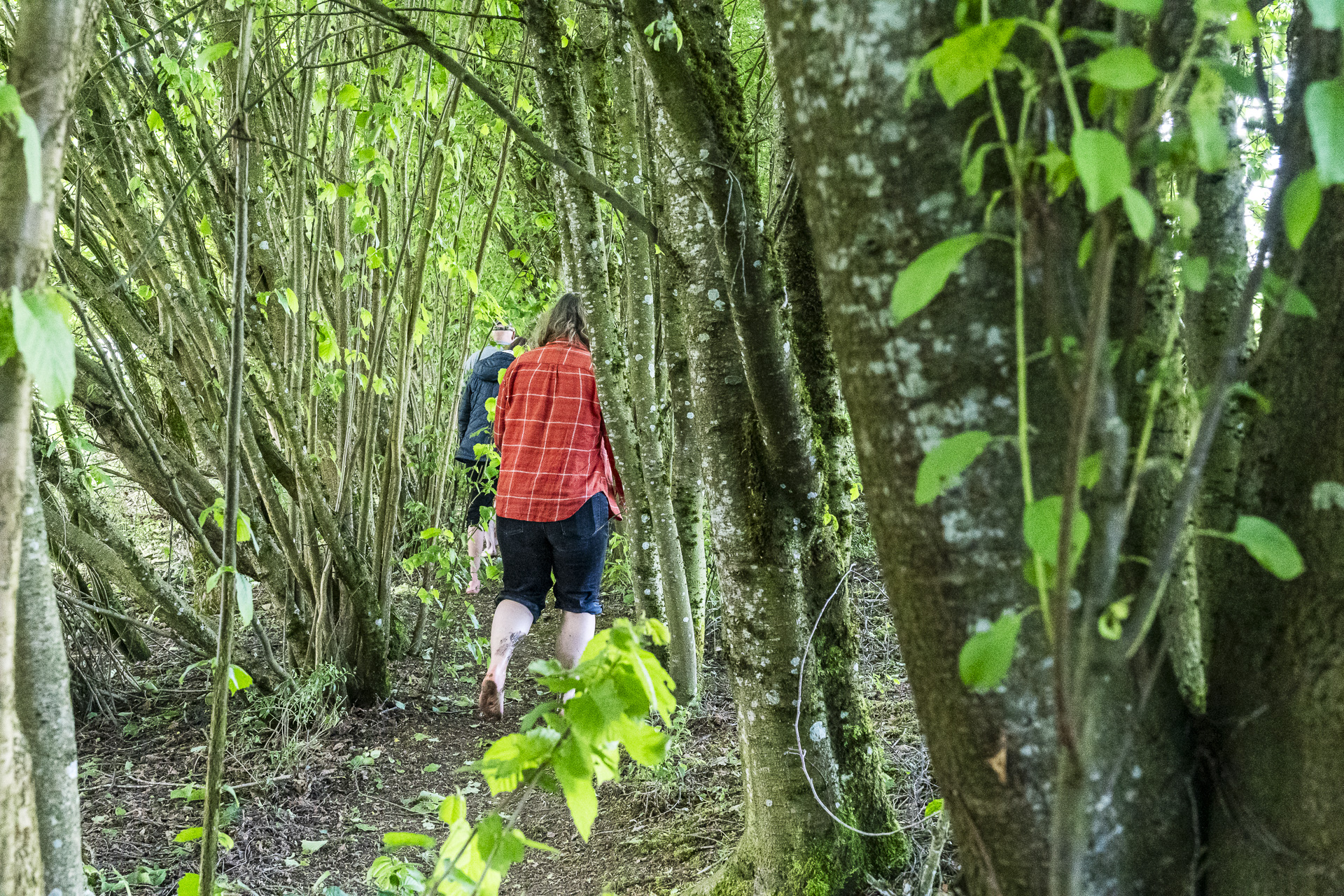
From mid-May to mid-September, Frédéric Perritaz offers guided barefoot walks through his «Wundergarten» twice daily. It is located directly opposite the tree bivouacs on the other side of the Glâne. The activity can be booked by both overnight guests and external visitors.
The two hours we follow Frédéric Perritaz through his garden and listen to his explanations are not only very informative, but in many respects also an experience for all the senses. We smell various herbs, walk over a variety of terrain, wade through the cool Glâne and arrive in the «little Congo», where at times I’m almost knee-deep in mud. Definitely a great experience for young and old.
Good to know: The tour lasts two hours and starts at 10:00 or 17:00. Adults pay 19 CHF, children 15 CHF. For groups of 10 or more, individual tours can also be booked. More information can be found here: Le Pied Total
Vitromusée Romont: in the footsteps of glass art
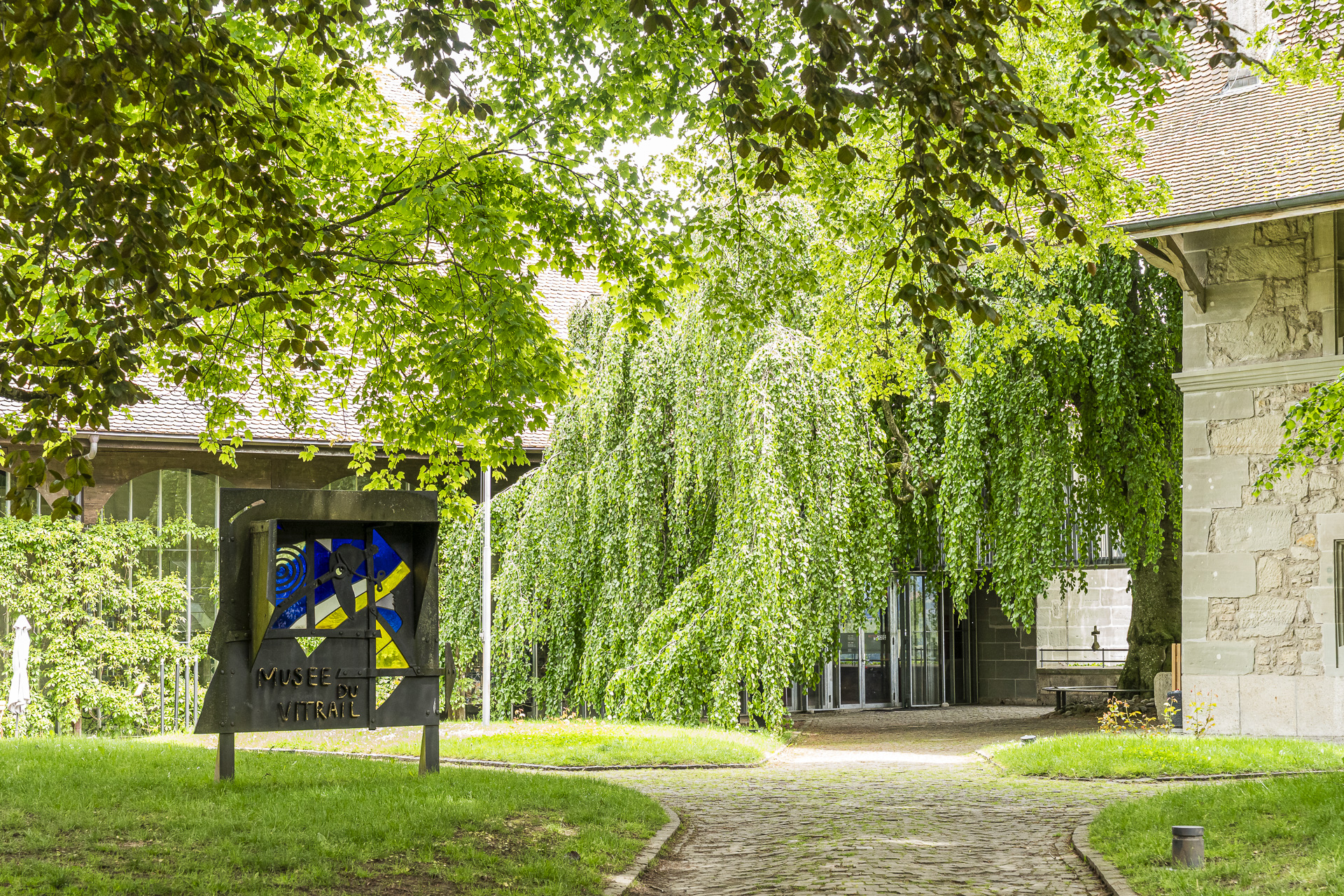
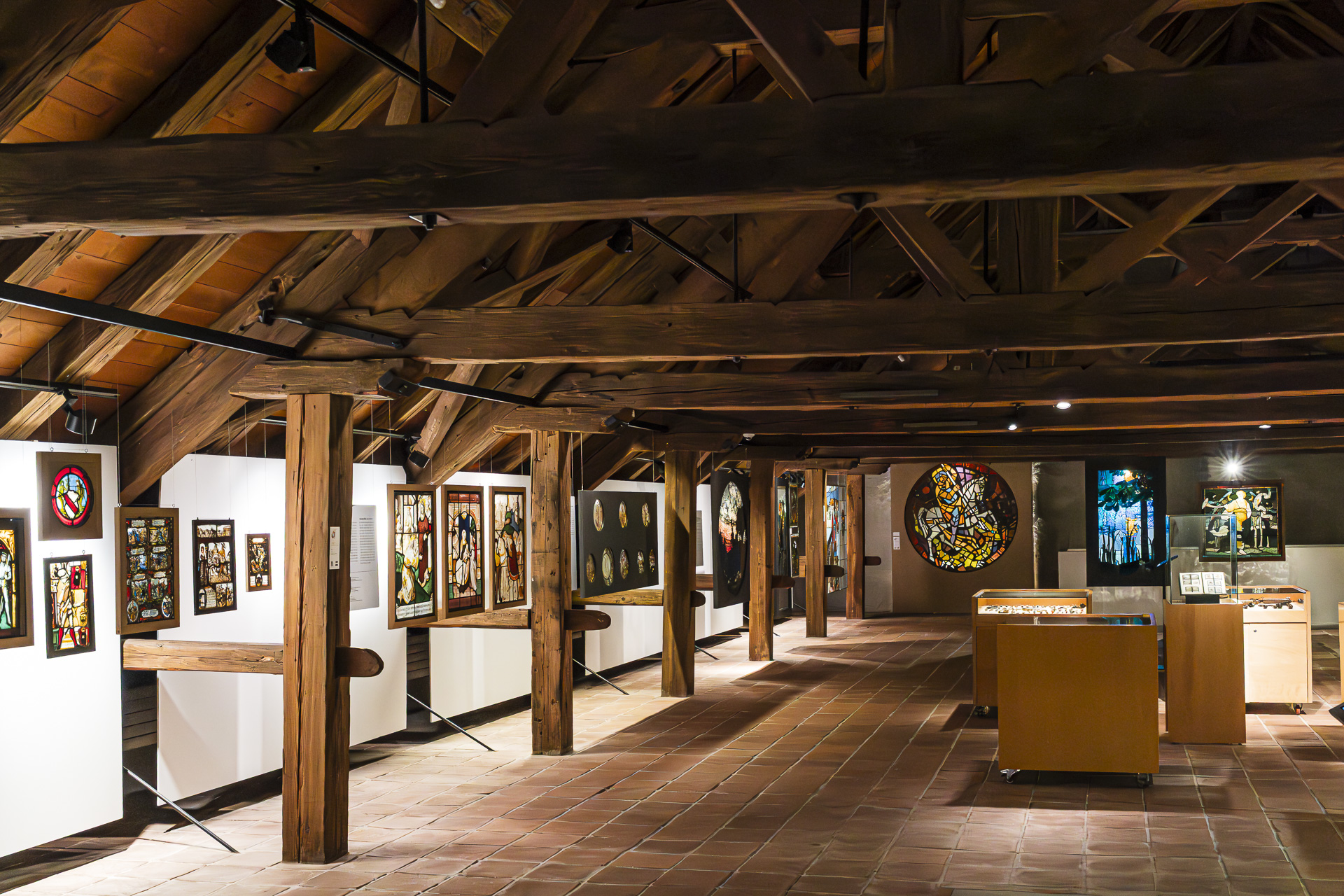
Both the trip to Rue and the overnight stay in the tree bivouac in Villarimboud take you through Romont. In the main town of the Glâne district there is also plenty to discover. We took the opportunity to visit the Vitromusée in the castle. The Swiss Museum for Stained Glass presents, in impressive rooms, interesting information about glass art, stained glass and reverse glass painting.
If you like, you can then follow the roughly one-kilometer «Vitroparcours» through Romont’s old town. At eight information stations you’ll learn further fascinating facts about glass art and its regional significance.
Good to know: The Vitromusée is open from Tuesday to Sunday from 11:00 (closed on Mondays). Adults pay 15 CHF admission. Children up to 16 years are free when accompanied by an adult. Further information can be found here: Vitromusée Romont


Leave a Reply